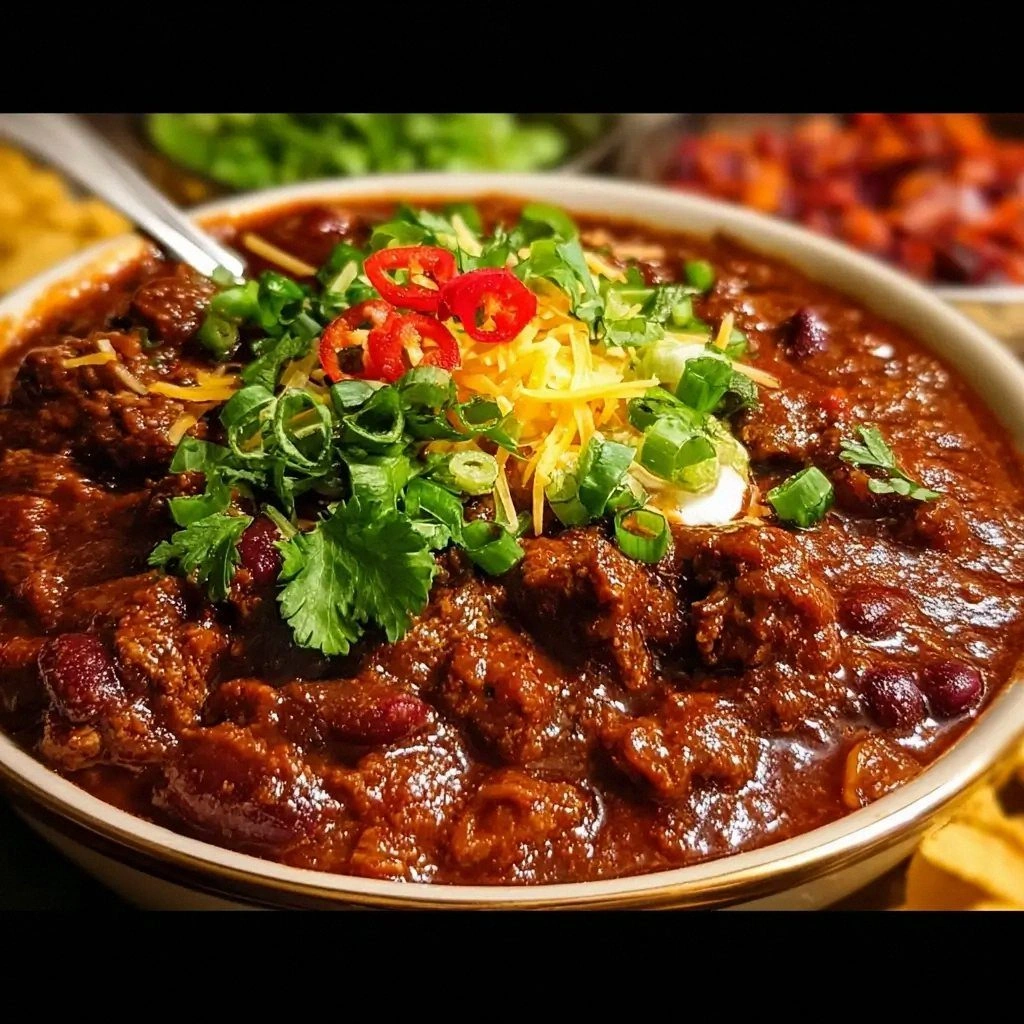
Picture this: I’m in my tiny kitchen, a half‑hour late for a Zoom dinner, and my cravings scream louder than my inbox notifications. I’ve got an empty pan, a bag of pre‑shredded cabbage, and the kind of hunger that makes you consider ordering pizza—until I remember the one‑pot miracle that changed my life forever. That moment of panic turned into the birth of the 15‑Minute Egg Roll in a Bowl, a dish so fast it could win a sprint against a microwave popcorn timer. I swear, if you ever doubted the power of a single skillet, this recipe will slap that doubt right out of the kitchen.
The moment the oil hits the pan, you hear that sizzle like an applause for a secret performance. The aroma of garlic and ginger floods the room, hugging the air with a promise of savory goodness that feels like a warm hug from a long‑lost friend. The cabbage softens, the carrots turn a bright orange that would make a sunrise jealous, and the ground pork—if you’re using it—starts to caramelize, releasing a depth of flavor that’s both smoky and sweet. Meanwhile, the eggs swirl in like the grand finale of a fireworks show, binding everything together with a silky, velvety texture that makes you wonder why you ever bothered with wrappers.
What makes this version truly stand out is the way every element works in perfect harmony, like a well‑rehearsed band where each instrument knows exactly when to shine. Most egg‑roll‑in‑a‑bowl recipes either drown the veggies in sauce or forget the crunch that gives you that classic bite. I’ve cracked the code by using a splash of sesame oil for a nutty finish, a dash of soy sauce for umami depth, and a quick toss at the end to keep the cabbage crisp, not soggy. And the secret weapon? A splash of rice vinegar that brightens the whole dish like a spotlight on stage, making every forkful sing.
Okay, ready for the game‑changer? I’m about to walk you through every single step, from the moment you open the pantry to the triumphant moment you spoon the final, aromatic bowl onto a plate. By the end, you’ll wonder how you ever made an egg roll any other way, and I dare you to taste this and not go back for seconds. Let’s dive in and make some magic happen.
What Makes This Version Stand Out
- Flavor Explosion: The combination of soy, sesame, and a whisper of rice vinegar creates a sauce that coats the vegetables like velvet, delivering a punch of savory goodness in every bite.
- Texture Triumph: By adding the cabbage at the very end, you preserve its natural crunch, so the bowl offers the satisfying snap of a fresh egg roll without the soggy filler.
- Speedy Simplicity: With just one pan and fifteen minutes of active time, even the most time‑pressed home cook can pull off a restaurant‑level dish without breaking a sweat.
- Ingredient Integrity: I use fresh, high‑quality pork (or chicken) and real ginger, not powdered shortcuts, ensuring every bite bursts with authentic Asian flavors.
- Crowd‑Pleaser Factor: This dish consistently earns the “second‑helping” chant at dinner parties, proving it’s not just food—it’s a social catalyst.
- Make‑Ahead Magic: The components can be pre‑chopped and stored, turning a chaotic weekday into a smooth, stress‑free cooking session.
- Versatile Base: Whether you serve it over rice, noodles, or just as is, the bowl adapts to any carb craving you might have.
- Health‑Smart Balance: With a perfect mix of protein, veggies, and healthy fats, it satisfies without the guilt, delivering around 350 calories per serving.
Inside the Ingredient List
The Flavor Base
Ground pork (or chicken): This protein brings a rich, meaty backbone that anchors the dish. The fat content renders into the pan, creating a caramelized crust that adds depth. Skipping it for a leaner option like turkey means you’ll lose that buttery mouthfeel, so if you must, add a drizzle of oil to compensate.
Garlic (2 cloves, minced): Garlic is the aromatic spark that awakens the senses. Its pungent bite mellows as it cooks, turning sweet and fragrant. If you overcook, it becomes bitter—so keep an eye on that golden hue.
Fresh ginger (1 tsp, minced): Ginger injects a bright, peppery zing that cuts through the richness of the pork. Fresh ginger beats powdered by miles; the latter can taste stale. A handy tip: peel with the edge of a spoon for a mess‑free experience.
The Texture Crew
Shredded cabbage (2 cups): Cabbage provides the classic crunch we associate with egg rolls. It also absorbs just enough sauce to stay juicy without turning mushy. If you substitute with lettuce, expect a wilted result that lacks that satisfying snap.
Shredded carrots (1 cup): Carrots bring a subtle sweetness and a pop of color that makes the bowl look Instagram‑ready. Their firm texture holds up well under heat, keeping the dish lively.
Green onions (2, sliced): Green onions add a fresh, oniony bite that lifts the dish. They’re best added at the very end to retain their mild flavor and crispness.
The Unexpected Star
Rice vinegar (1 tbsp): This little acid hero brightens the entire bowl, cutting through the richness and balancing the salty soy. It’s the secret that makes the flavors pop like fireworks. If you don’t have rice vinegar, a splash of apple cider works in a pinch, though the flavor profile shifts slightly.
Sriracha (optional, 1 tsp): For those who love a kick, a drizzle of sriracha adds heat without overwhelming the delicate balance. It’s the perfect way to customize the spice level to your taste.
The Final Flourish
Sesame oil (1 tbsp): A drizzle at the end adds a nutty, aromatic finish that lingers on the palate. It’s the finishing touch that says, “I’m serious about flavor.” Avoid over‑using; a little goes a long way.
Eggs (2, lightly beaten): The eggs act as a binding agent, creating a silky coating that unifies the ingredients. They also add protein and a luxurious texture that elevates the bowl from simple stir‑fry to something special.
Soy sauce (2 tbsp): Soy sauce provides the salty umami backbone. Use a low‑sodium variety if you’re watching your sodium intake, but don’t skimp—it’s essential for that deep, savory depth.
Cooking oil (2 tbsp, neutral): A neutral oil with a high smoke point ensures the pan gets hot enough for a proper sear without burning the aromatics.
Everything's prepped? Good. Let's get into the real action…
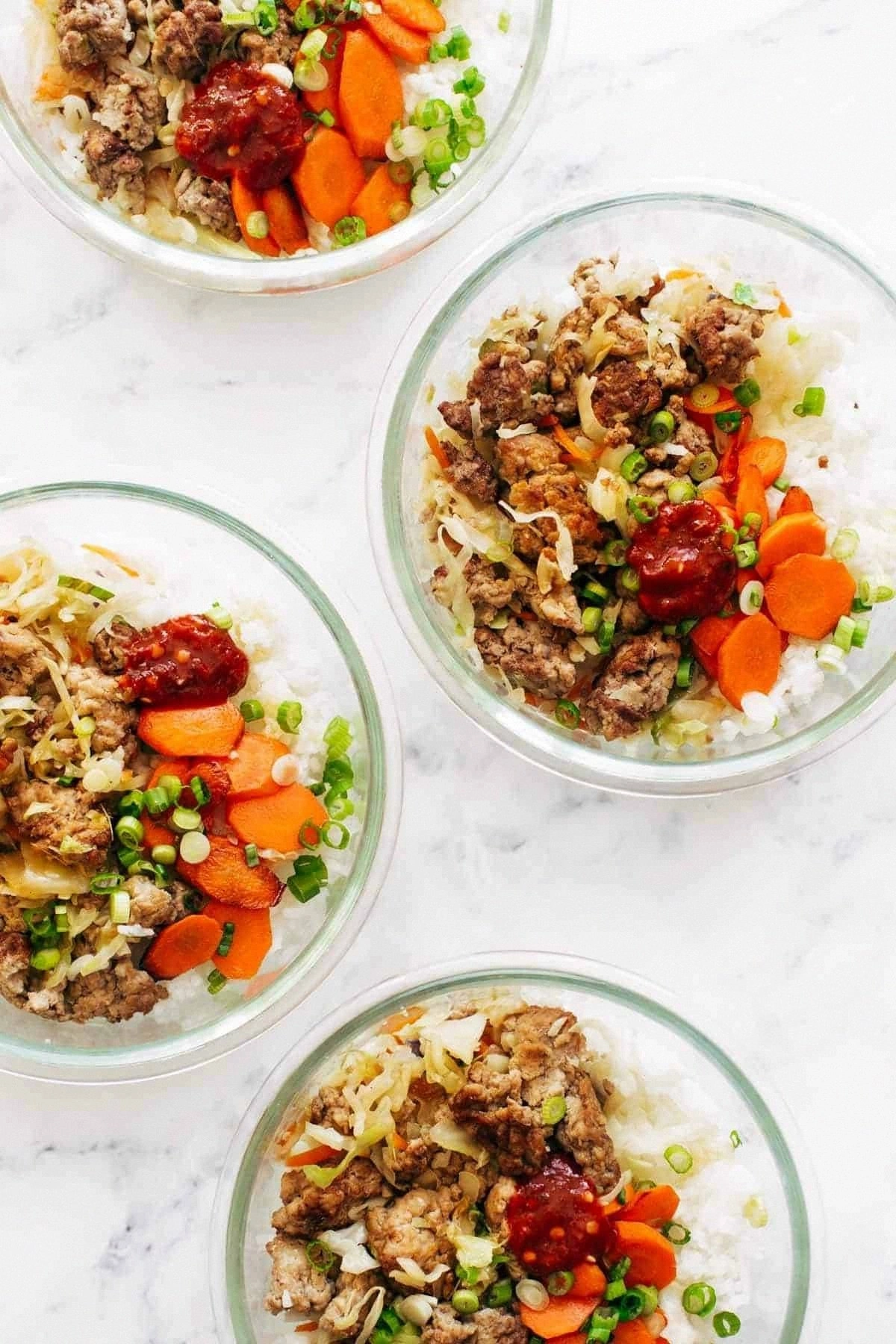
The Method — Step by Step
Heat a large skillet over medium‑high heat and add the neutral cooking oil. When the oil shimmers—think liquid gold—you’ll know it’s hot enough. Toss in the minced garlic and ginger, letting them sizzle for about 30 seconds. You’ll hear a faint pop, and the kitchen will fill with an intoxicating aroma that says, “We’re about to create something amazing.”
Drop the ground pork (or chicken) into the pan, breaking it up with a wooden spoon. Let it sit undisturbed for 1–2 minutes so it develops a caramelized crust. Then, stir and continue cooking until the meat is browned all over, about 4–5 minutes. If you hear a faint crackle, that’s the sound of flavor building.
Now, pour in the soy sauce and rice vinegar, letting the liquids mingle with the meat. The mixture should bubble gently, and you’ll notice the pork absorbing the umami and tangy notes. This is the moment where the dish starts to develop its signature depth, so don’t rush it.
Stir in the shredded carrots, letting them soften for about 2 minutes. The carrots will retain a faint crunch, giving the bowl a pleasant bite. Keep the heat at medium to avoid over‑cooking, which would mute their natural sweetness.
Push the meat and veggies to the side of the pan, creating a little well in the center. Add a splash more oil if needed, then pour in the beaten eggs. Let them sit untouched for 10 seconds, then scramble gently. The eggs should form soft curds, not a dry scramble—this texture is crucial for the final coating.
Now, add the shredded cabbage. Toss everything together quickly, letting the cabbage wilt just enough to release its natural sweetness but still retain that satisfying crunch. You’ll see the cabbage turn a brighter green and the pan will fill with a fragrant steam that smells like a street‑food stall.
Drizzle the sesame oil over the mixture and give it a final toss. The oil should coat every ingredient like a silky sheen, adding a nutty aroma that lingers in the air. If you’re feeling adventurous, splash in the optional sriracha now for a gentle heat that awakens the palate.
Finally, sprinkle the sliced green onions over the top. They add a fresh pop that brightens the whole bowl. Give one last quick stir to distribute everything evenly, then turn off the heat. Let the bowl sit for a minute; the residual heat will finish marrying the flavors together.
Plate the bowl, garnish with an extra drizzle of sesame oil if you love that nutty finish, and serve immediately. That sizzle as the bowl hits the plate? Absolute perfection. Dig in, and remember: this is hands down the best version you’ll ever make at home.
That's it — you did it. But hold on, I've got a few more tricks that'll take this to another level…
Insider Tricks for Flawless Results
The Temperature Rule Nobody Follows
Most home cooks keep the heat at a medium setting, thinking it’s safe. The truth? A hot pan sears the meat, locking in juices and creating that caramelized edge that makes every bite sing. If the pan isn’t hot enough, you’ll end up with steamed pork and a soggy bowl. So preheat the pan until the oil shimmers, then drop the meat in without hesitation.
Why Your Nose Knows Best
Cooking isn’t just about sight; your nose is the ultimate timer. When the garlic and ginger hit that golden‑brown stage, you’ll notice a sweet, nutty scent that tells you they’re ready. If the aroma turns sharp or acrid, you’ve crossed the line into bitterness. Trust that nose—it’s a built‑in alarm system.
The 5‑Minute Rest That Changes Everything
After you turn off the heat, let the bowl sit for exactly five minutes. This short rest allows the flavors to meld, much like a brief intermission before the grand finale. The vegetables absorb the sauce, the meat re‑settles, and the overall dish becomes more cohesive. Skipping this step is the culinary equivalent of a rushed encore.
Oil Choice Matters
Using a neutral oil with a high smoke point (like grapeseed or avocado) ensures the pan reaches the right temperature without burning the aromatics. If you reach for olive oil, you’ll get a bitter edge that masks the delicate ginger. The right oil is the silent hero that lets the other flavors shine.
Seasoning Layer by Layer
Instead of dumping all the soy sauce at once, I add a splash early for the meat, then a final drizzle after the veggies are in. This layered seasoning builds depth, much like adding bass, then mid‑range, then treble in a song. The result is a bowl where every bite hits a different note of flavor.
Creative Twists and Variations
This recipe is a playground. Here are some of my favorite ways to switch things up:
Spicy Kimchi Boost
Swap half of the cabbage for chopped kimchi. The fermented tang adds a punchy depth that makes the bowl feel like a Korean street‑food adventure. Perfect for those who love a briny kick.
Vegetarian Delight
Replace the pork with firm tofu cubes, pressed and lightly pan‑fried until golden. Add a splash of mushroom soy sauce for umami, and you’ve got a plant‑based version that still delivers that satisfying crunch.
Thai‑Inspired Coconut
Stir in a tablespoon of coconut milk at the end, then finish with fresh cilantro and a squeeze of lime. The creamy coconut balances the soy‑vinegar tang, turning the bowl into a tropical escape.
Crunchy Peanut Crunch
Top the finished bowl with toasted crushed peanuts and a drizzle of peanut sauce. The nutty texture adds an extra layer of crunch that mimics the crispness of a traditional egg roll wrapper.
Breakfast Remix
Swap the pork for crisped breakfast sausage, add a handful of baby spinach, and serve with a side of toasted sourdough. It becomes a hearty breakfast that still feels like a dinner favorite.
Storing and Bringing It Back to Life
Fridge Storage
Transfer any leftovers into an airtight container and refrigerate for up to three days. The flavors actually improve as they meld, but the cabbage may lose a bit of its crunch. To revive that snap, give it a quick toss in a hot pan for 30 seconds before serving.
Freezer Friendly
This dish freezes beautifully. Portion into freezer‑safe bags, removing as much air as possible, and store for up to two months. When you’re ready to eat, thaw overnight in the fridge, then reheat in a skillet with a splash of water to restore moisture.
Best Reheating Method
For the ultimate reheated experience, use a skillet over medium heat, add a teaspoon of water, and cover with a lid for two minutes. The steam revives the vegetables, and the sauce clings back to the meat like it did fresh. Avoid microwaving—it makes the cabbage soggy and the eggs rubbery.