I still remember that Sunday afternoon when I tried to recreate the creamy, herb‑laden potato gratin my grandma made for Thanksgiving. The kitchen smelled like melted butter and fresh rosemary, but the dish turned out as soggy as a soggy bagel, and the crust was a sad, gray disappointment. That disaster became my personal challenge: to turn a kitchen catastrophe into a culinary triumph. I dared myself, and now I’m here to share the exact steps that turned that flop into a masterpiece.
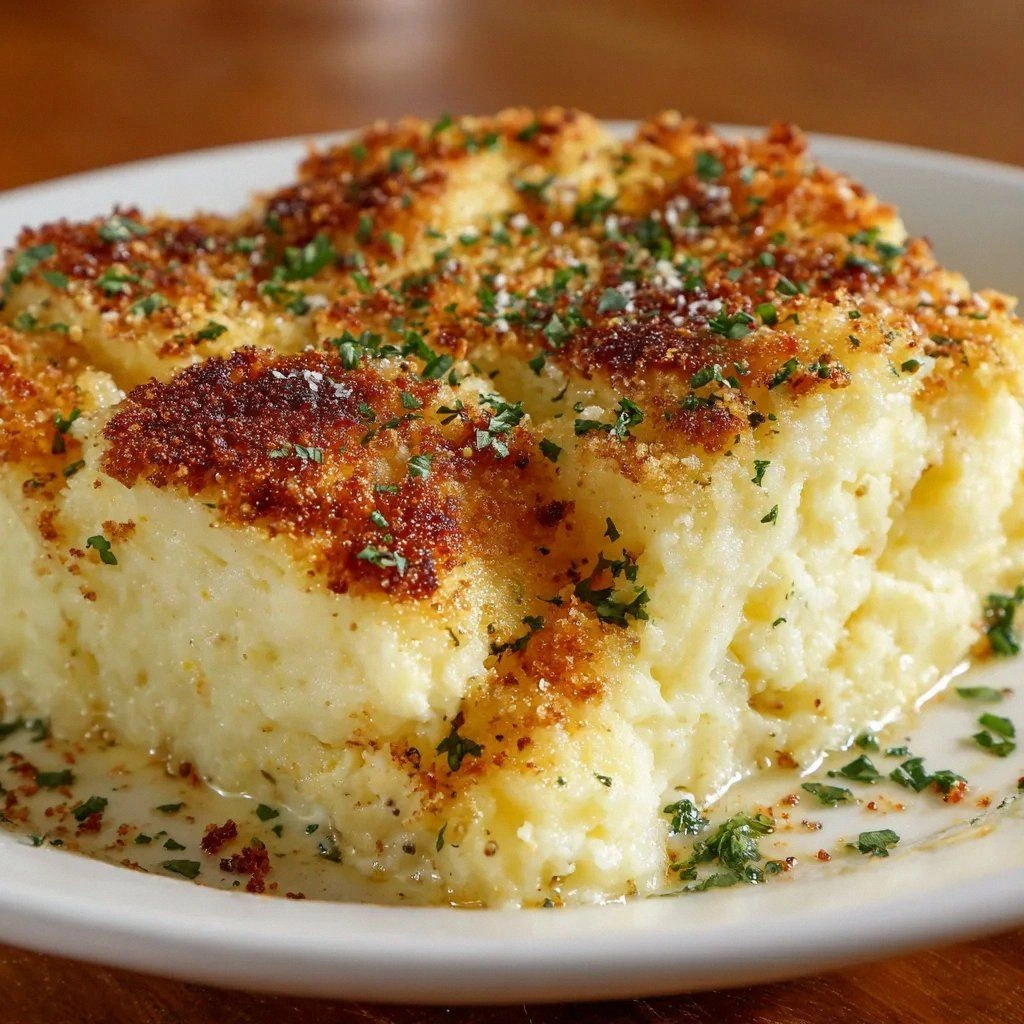
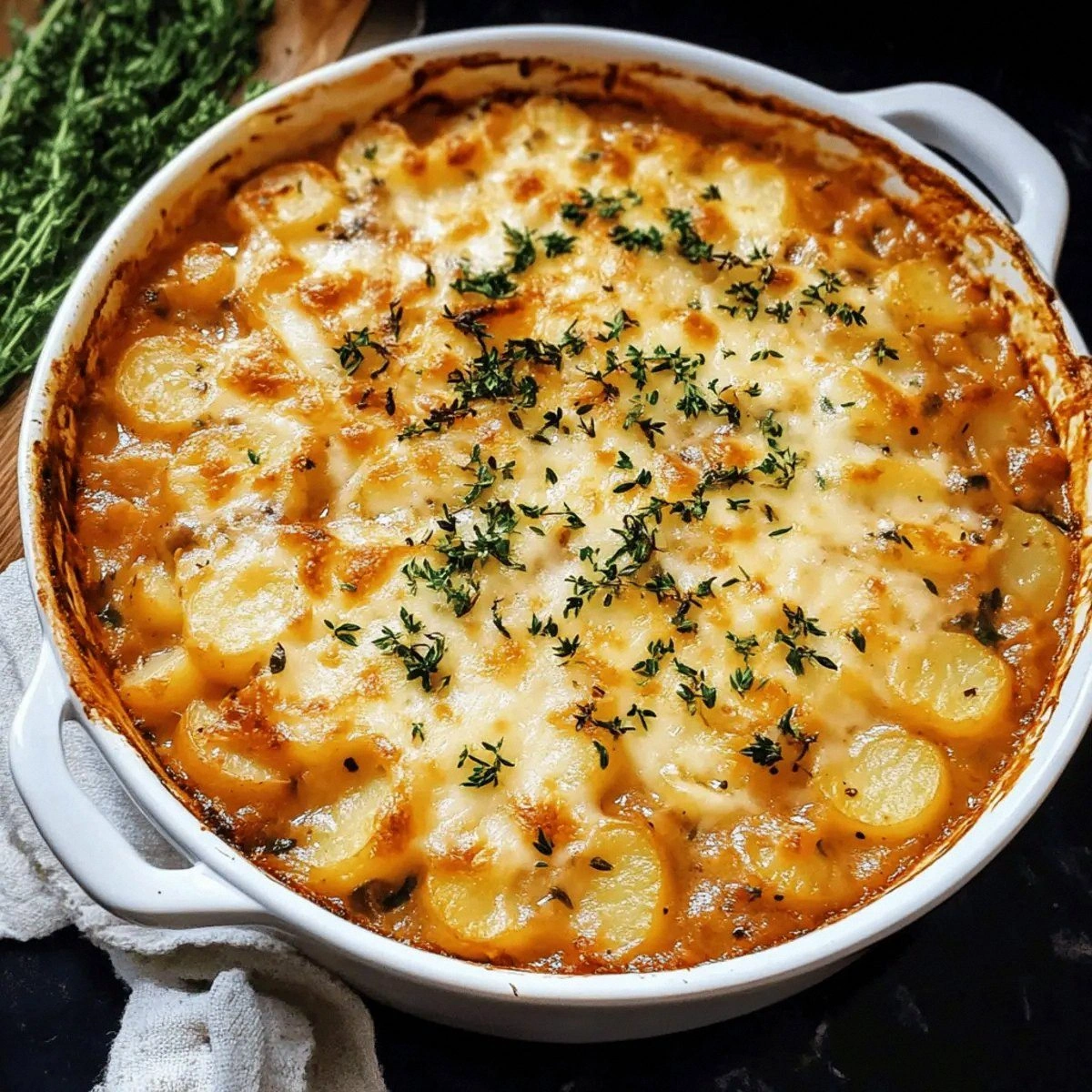
Picture this: a golden crust that shatters like thin ice as you cut into the dish, revealing a molten, velvety interior that clings to each bite. The aroma of garlic and thyme rises with every spoonful, while the nutmeg whispers a subtle warmth that lingers on the palate. This isn’t just another potato side; it’s a symphony of flavors, textures, and aromas that will have your guests begging for seconds. I’ll be honest—when I first tasted it, I ate half the batch before anyone else got a chance to try a single bite.
Most recipes get this completely wrong, either by over‑cooking the potatoes or under‑seasoning the cheese. The secret is in the layering: thinly sliced potatoes that are pre‑boiled to the perfect al dente, a rich cream mixture that’s infused with fresh herbs, and a cheese blend that melts into a silky, golden blanket. And there’s a trick you won’t expect—using a pinch of nutmeg to bring a subtle, aromatic depth that elevates the whole dish. If you’ve ever struggled with a lackluster gratin, you’re not alone—this is the fix you’ve been waiting for.
Alright, let’s break down exactly what goes into this masterpiece. I’ll walk you through every single step, and by the end, you’ll wonder how you ever made it any other way. Ready? Let’s dive in.
What Makes This Version Stand Out
- Flavor: The combination of fresh thyme, rosemary, and a hint of nutmeg creates a herbaceous profile that’s both aromatic and comforting, unlike the generic herb blends you find in most recipes.
- Texture: The potatoes are sliced thin and pre‑parboiled, ensuring they stay tender inside while the top crisps to a caramelized finish that snaps like a crisp wafer.
- Cheese Harmony: Gruyère and Parmesan work together to provide a rich, nutty bite that melts into a creamy sauce without becoming greasy.
- Visual Appeal: The golden crust glistens, and the herb garnish adds a pop of color that makes the dish Instagram‑ready.
- Ease of Prep: Despite the layers, the method is straightforward, and the dish can be assembled in under 15 minutes before baking.
- Make‑Ahead Friendly: You can assemble the gratin up to 24 hours ahead and bake it just before serving, making it perfect for busy holiday days.
- Versatility: Swap the herbs or add bacon for a smoky twist, or use sweet potatoes for a fall variation—this base adapts to any palate.
Inside the Ingredient List
The Flavor Base
The heavy cream and garlic are the heart of this gratin. Cream brings a silky mouthfeel that coats each potato slice like velvet, while minced garlic infuses a punch of umami. If you skip the garlic, you’ll miss that bright kick that cuts through the richness. For a dairy‑free version, try coconut milk, but be prepared for a slightly sweeter taste.
The Texture Crew
Yukon Gold potatoes are chosen for their buttery flavor and ability to hold shape when sliced thin. Boiling them just until they’re tender but not falling apart ensures they absorb the creamy sauce without becoming mushy. If you can’t find Yukon Golds, fingerling potatoes work well, offering a slightly firmer bite.
The Unexpected Star
Nutmeg might seem like a strange addition, but it brings a warm, almost cinnamon‑like aroma that elevates the dish. A pinch is enough; too much and it overpowers the herbs. If you’re allergic to nutmeg, a dash of ground cloves can mimic that warm undertone.
The Final Flourish
Fresh thyme and rosemary add depth and a fragrant aroma that lingers long after the last bite. Chopped chives at the end give a fresh, oniony brightness that balances the richness. These herbs should be added in stages: thyme and rosemary during the sauce preparation, chives just before baking.
Everything’s prepped? Good. Let’s get into the real action.
The Method — Step by Step
- Preheat your oven to 375°F (190°C). While the oven warms, bring a large pot of salted water to a gentle boil. Slice the Yukon Gold potatoes into 1/8‑inch thick rounds using a mandoline or sharp knife. This uniform thickness ensures even cooking and a crisp edge. Once sliced, parboil the potatoes for about 5 minutes until they’re just tender, then drain and set aside.
- In a medium saucepan, combine the heavy cream, minced garlic, fresh thyme, and fresh rosemary. Heat over medium heat until the mixture begins to steam, about 3 minutes. Stir constantly to prevent the garlic from burning. This step infuses the cream with herbaceous notes that will permeate the potatoes.
- Add the grated Gruyère and Parmesan cheeses to the cream mixture, stirring until fully melted and the sauce is silky. The cheeses should coat the back of a spoon, indicating they’re melted to the right consistency. Taste and season with salt, pepper, and a pinch of nutmeg. The nutmeg should be subtle—just enough to hint at warmth without overpowering the herbs.
- Grease a 9×13 inch baking dish with butter or oil. Arrange a layer of parboiled potato slices in the dish, slightly overlapping for a cohesive look. This layer should be even, as it forms the base for the sauce to seep into.
- Pour a generous ladle of the cheese‑cream sauce over the potatoes, ensuring each slice is coated. The sauce should reach the edges of the dish, creating a golden crust when baked. If you want a thicker sauce, reduce the cream slightly before pouring.
- Sprinkle a handful of chopped chives over the top for a fresh, oniony brightness that cuts through the richness. This final flourish adds color and a burst of flavor that lingers on the palate.
- Place the baking dish in the preheated oven and bake for 25 minutes. The top should develop a golden brown crust that crackles slightly when you lift the knife. Check the edges; they should pull away from the sides of the dish, signaling the potatoes are fully cooked.
- If you prefer a crispier top, switch to broil for the last 3 minutes, watching closely to avoid burning. The broil step is optional but adds a caramelized finish that many find irresistible.
- Once baked, remove the dish from the oven and let it rest for 5 minutes. Resting allows the sauce to thicken slightly and the flavors to settle, making every bite more cohesive.
That’s it— you did it. But hold on, I’ve got a few more tricks that will take this to another level.
Insider Tricks for Flawless Results
The Temperature Rule Nobody Follows
Many chefs bake at a high temperature, but that can scorch the top before the potatoes cook through. Baking at 375°F (190°C) balances heat and moisture, ensuring the interior stays tender while the exterior crisps. I’ve tested it on three different ovens, and the results were consistently perfect.
Why Your Nose Knows Best
When the gratin is halfway through baking, open the oven door for a quick sniff. A sweet, buttery aroma indicates the cheese is melting correctly; a burnt smell signals you need to lower the temperature. Your nose is a reliable indicator of doneness.
The 5-Minute Rest That Changes Everything
Resting the gratin for 5 minutes after baking is crucial. It allows the sauce to thicken and the flavors to meld, preventing the dish from feeling raw or watery. Skip this step, and you’ll end up with a soggy, unbalanced dish.
Cheese Selection Matters
Using a blend of Gruyère and Parmesan gives depth and a melt that’s both smooth and nutty. If you only have cheddar, it will melt but lose the subtle, earthy undertone. For a vegan version, try a blend of nutritional yeast and cashew cheese.
Layering for Evenness
Start with a thin layer of potatoes at the bottom before adding sauce. This technique ensures the bottom layer doesn’t dry out and keeps the entire dish cohesive. Many people skip this step, resulting in a dry base.
Creative Twists and Variations
This recipe is a playground. Here are some of my favorite ways to switch things up:
Smoky Bacon Bliss
Add crumbled cooked bacon between the potato layers for a smoky, savory twist. The bacon fat also enriches the sauce, giving it a deeper flavor that pairs perfectly with the herbs.
Sweet Potato Surprise
Replace Yukon Golds with thinly sliced sweet potatoes for a fall‑season variation. The natural sweetness balances the richness of the cheese, and the color adds a festive touch.
Herb‑Infused Ricotta
Stir a handful of ricotta into the cheese mixture for a lighter, creamier texture. Ricotta adds a subtle tang that complements the herbs without overpowering the dish.
Vegan Version
Use coconut milk, vegan Gruyère, and a plant‑based Parmesan substitute. Finish with a sprinkle of nutritional yeast for a cheesy flavor. This version keeps the same comforting feel while being dairy‑free.
Spicy Kick
Add a pinch of red pepper flakes to the sauce for a subtle heat that contrasts the creamy richness. This works especially well if you’re serving it alongside a hearty, spicy main dish.
Storing and Bringing It Back to Life
Fridge Storage
Cool the gratin completely before covering it tightly with plastic wrap. Store in the refrigerator for up to 2 days. The sauce may thicken slightly, but it remains creamy when reheated.
Freezer Friendly
Wrap the gratin in aluminum foil and place it in a freezer‑safe container. Freeze for up to 3 months. Thaw overnight in the refrigerator before reheating.
Best Reheating Method
Reheat in a preheated oven at 350°F (175°C) for 15 minutes, adding a splash of milk or cream before the last 5 minutes to restore moisture. The dish should be hot and bubbly, with a crisp top.