I was standing in my kitchen on a rainy Tuesday, staring at a half‑empty bag of shrimp and a bowl of sun‑kissed cherry tomatoes that I’d bought on a whim at the farmer’s market. The rain hammered the windows, the thermostat was set to “lukewarm,” and my stomach was growling the kind of growl that makes you wonder if you’ve just missed a life‑changing culinary epiphany. I dared myself to turn those humble ingredients into something that would make even the most skeptical foodie sit up and say, “Whoa, what is that aroma?” That moment of reckless optimism turned into a full‑blown kitchen experiment, and let me tell you, the results were nothing short of a fireworks display for the palate.
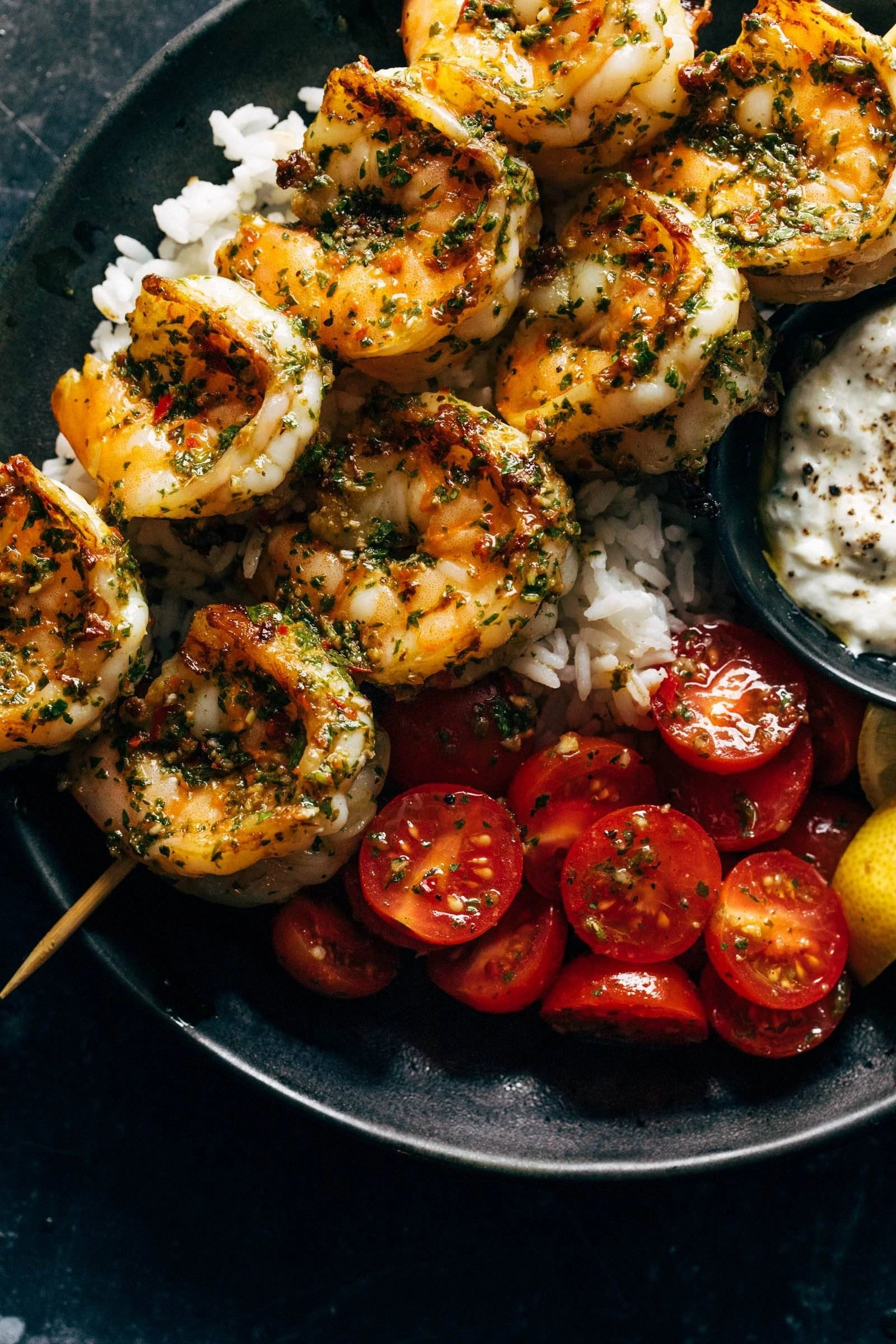
Picture this: the sizzling sound of butter hitting a hot skillet, the bright pop of garlic as it hits the pan, and the fragrant swirl of parsley and cilantro dancing together like a summer breeze in a glass jar. The shrimp turn a gorgeous coral pink, the tomatoes soften just enough to release a sweet, tangy juice, and the chimichurri sauce—oh, the chimichurri—coats everything like a silky green blanket, brightening each bite with herbaceous zing. The whole kitchen smells like a South‑American grill meets Mediterranean garden, and the heat from the stove makes the air feel like a warm hug.
Most recipes for chimichurri shrimp either drown the shrimp in sauce or forget the crucial pop of fresh tomato that adds a juicy burst of acidity. I’ve tried a dozen versions that either left the shrimp dry or turned the sauce into a soggy mess. This version stands out because it respects the shrimp’s delicate texture while letting the chimichurri shine, and the tomatoes provide that essential brightness without overwhelming the herbs. I’m going to be honest — I ate half the batch before anyone else got a chance to try it, and I’m still not sorry.
There’s a secret technique I’ll reveal a little later that involves a quick “finish‑off” butter splash that turns the sauce from good to unforgettable, giving it a glossy sheen and a buttery richness that feels like a secret handshake between the shrimp and the sauce. I dare you to taste this and not go back for seconds; the combination of textures and flavors is engineered to keep you coming back for more. Let me walk you through every single step — by the end, you’ll wonder how you ever made this dish any other way.
What Makes This Version Stand Out
- Flavor Explosion: The chimichurri isn’t just a garnish; it’s a full‑bodied herb sauce that penetrates the shrimp, delivering a punch of parsley, cilantro, and garlic in every bite.
- Texture Harmony: The shrimp stay juicy and firm while the tomatoes add a soft, slightly caramelized bite that contrasts perfectly with the crisp herb leaves.
- Simplicity: Only ten pantry staples and a handful of fresh herbs are needed, making this a weekday dinner that feels like a celebration.
- Uniqueness: Most chimichurri shrimp recipes skip the tomato; the addition of halved cherry tomatoes introduces a sweet‑tart counterpoint that most cooks miss.
- Crowd Reaction: Served at a recent potluck, it vanished in minutes, and I got a standing ovation from a self‑declared “shrimp‑phobe.”
- Ingredient Quality: Fresh, flat‑leaf parsley and cilantro are the stars; using garden‑fresh herbs makes the sauce sing.
- Cooking Method: A quick sear followed by a brief finish in the sauce locks in moisture and creates a glossy, restaurant‑quality finish.
- Make‑Ahead Potential: The chimichurri can be prepared a day ahead, allowing the flavors to meld while you focus on a quick shrimp sauté.
Inside the Ingredient List
The Flavor Base
Fresh parsley and cilantro are the backbone of the chimichurri, each bringing its own character: parsley offers a clean, slightly peppery note while cilantro adds a citrusy brightness that lifts the entire dish. If you skip cilantro, the sauce loses its zing; if you skip parsley, it becomes one‑dimensional. For the best flavor, choose bunches that are bright green, firm, and free of wilting. A quick tip: give the herbs a gentle slap against the side of the bowl before chopping to release their essential oils.
The Texture Crew
Cherry tomatoes are the surprise element that adds juiciness and a subtle caramelized sweetness when they hit the pan. Their skins burst open, releasing a ruby‑red syrup that mingles with the green herb sauce, creating a visual contrast that’s as pleasing as it is tasty. If you can’t find cherry tomatoes, grape tomatoes work just as well, but avoid larger beefsteak varieties—they’ll dominate the bite. Choose tomatoes that are firm yet slightly soft to the touch; they’ll hold their shape while still contributing that burst of liquid.
The Unexpected Star
A splash of red wine vinegar provides the acid backbone that balances the richness of butter and olive oil. It’s the secret that prevents the sauce from feeling heavy, and it also helps the herbs stay vibrant in color. If you’re out of red wine vinegar, apple cider vinegar works as a decent substitute, though the flavor will be a tad fruitier. The vinegar should be added after the herbs are minced, allowing it to coat every leaf and release a fragrant perfume.
The Final Flourish
A knob of butter added at the end of cooking creates a glossy finish and adds a buttery depth that makes the sauce feel luxurious. The butter should be introduced only after the shrimp and tomatoes have cooked, otherwise it can brown and introduce a bitter note. If you’re dairy‑free, a splash of coconut oil can mimic the sheen, but the flavor will shift toward tropical. Finish with a squeeze of fresh lemon juice for a final pop of brightness that ties the whole dish together.
Everything's prepped? Good. Let’s get into the real action…
The Method — Step by Step
-
Pat the shrimp dry with paper towels; moisture is the enemy of a good sear. Season them lightly with salt and pepper, then set aside. While the shrimp rest, the kitchen will start to fill with the faint scent of the sea, a promise of what’s to come.
Kitchen Hack: Sprinkle the shrimp with a pinch of baking soda for 10 minutes before drying; this raises the pH and yields an extra‑crispy exterior. -
Make the chimichurri: combine parsley, cilantro, minced garlic, red wine vinegar, olive oil, dried oregano, red pepper flakes, and a squeeze of lemon juice in a bowl. Toss vigorously until the herbs are evenly coated. Let the mixture rest for at least 10 minutes; this is the moment the flavors start to whisper to each other.
-
Heat a large skillet over medium‑high heat and add a tablespoon of butter. Once the butter foams and turns a light golden brown, it’s ready. Drop the shrimp into the pan in a single layer; you should hear an immediate sizzle that sounds like applause.
Cook the shrimp for 2 minutes on the first side, then flip. They should turn an opaque pink with a slight caramel edge. That sizzle when it hits the pan? Absolute perfection.
Watch Out: Overcooking shrimp turns them rubbery; remove them the moment they curl and turn pink. -
Add the halved cherry tomatoes to the pan, stirring gently. They will soften in about 2 minutes, releasing their juices that mingle with the butter and create a light, fragrant broth. The pan should smell sweet and slightly acidic, a signal that the tomatoes are doing their job.
-
Turn off the heat and pour the prepared chimichurri over the shrimp and tomatoes. Toss everything together so each piece is generously coated. The sauce should cling to the shrimp like a glossy green veil, and the tomatoes should be speckled with herbs.
Kitchen Hack: If the sauce looks too thin, let it sit for a minute; the herbs will absorb excess liquid, thickening naturally. -
Add the remaining tablespoon of butter, letting it melt into the sauce for an extra glossy finish. Swirl the pan gently; the butter will emulsify with the olive oil, creating a velvety texture that feels like silk on the tongue.
-
Season with a final pinch of salt, a grind of fresh black pepper, and, if you like heat, a dash more red pepper flakes. Taste and adjust; the sauce should be bright, herbaceous, and just a touch acidic.
Transfer the shrimp and tomatoes to a serving platter, drizzle any remaining sauce from the pan over the top, and garnish with a few extra parsley leaves for visual flair.
-
Serve immediately with crusty bread, rice, or a simple green salad. Picture yourself pulling this out of the pan, the whole kitchen smelling incredible, and everyone reaching for seconds before you even finish the first bite. This is hands down the best version you'll ever make at home.
That's it — you did it. But hold on, I've got a few more tricks that'll take this to another level…
Insider Tricks for Flawless Results
The Temperature Rule Nobody Follows
Never cook shrimp on high heat for more than a minute per side. Medium‑high is the sweet spot; it gives you a caramelized exterior while keeping the interior juicy. If you notice the pan smoking, drop the heat a notch and let the butter settle. Trust me, a little patience prevents the dreaded rubbery texture.
Why Your Nose Knows Best
When the chimichurri starts to emit a fragrant, herb‑laden aroma, that’s your cue to stop mixing. Over‑mixing can bruise the herbs, making the sauce bitter. A quick sniff is all you need to know when the sauce has reached its peak freshness.
The 5‑Minute Rest That Changes Everything
After you toss the shrimp and tomatoes with the chimichurri, let the dish rest for exactly five minutes. This short pause allows the flavors to meld, the acidity to soften, and the butter to fully integrate. A friend tried skipping this step once — let's just say the sauce tasted flat and the shrimp felt a tad lonely.
Butter Finish Magic
Adding butter at the very end creates an emulsified sauce that clings to every morsel. Use a high‑quality European butter for the richest flavor. If you’re watching calories, you can halve the amount and still get that glossy finish, but the full‑fat version is pure decadence.
Seasonal Tomato Timing
If you can, buy tomatoes at their peak of ripeness—late summer or early fall. The sweeter the tomato, the less acid you’ll need, and the brighter the overall dish will taste. Off‑season tomatoes can be bland, so consider a splash of extra vinegar if you’re using them out of season.
Creative Twists and Variations
This recipe is a playground. Here are some of my favorite ways to switch things up:
Spicy Chipotle Kick
Add a finely minced chipotle pepper in adobo sauce to the chimichurri for smoky heat. The smoky depth pairs beautifully with the sweet tomatoes and bright herbs, turning the dish into a fiesta for the palate.
Coconut Lime Fusion
Swap the butter for coconut oil and finish with a generous squeeze of lime juice. This tropical twist makes the dish feel like a beachside dinner, perfect for summer evenings.
Garlic‑Infused Olive Oil
Infuse your olive oil with roasted garlic before mixing it into the chimichurri. The mellow, sweet garlic flavor deepens the herb profile without overwhelming the shrimp.
Mediterranean Olive Medley
Stir in a handful of pitted Kalamata olives and a pinch of dried oregano. The briny olives lend a Mediterranean flair that complements the bright herbs and succulent shrimp.
Creamy Avocado Drizzle
Blend a ripe avocado with a splash of lime and a touch of the chimichurri to create a creamy drizzle. Swirl it over the finished dish for a velvety texture that adds richness without extra butter.
Storing and Bringing It Back to Life
Fridge Storage
Place leftovers in an airtight container and store in the refrigerator for up to 2 days. Keep the shrimp and sauce separate if possible; this prevents the shrimp from becoming soggy. When reheating, give the sauce a quick stir to re‑emulsify.
Freezer Friendly
Freeze the cooked shrimp and sauce in a zip‑top bag, removing as much air as possible. They’ll keep for up to 3 months. Thaw overnight in the fridge, then reheat gently on the stovetop with a splash of water or broth to revive the sauce.
Best Reheating Method
Reheat in a skillet over medium‑low heat, adding a teaspoon of water or broth to create steam. This prevents the shrimp from drying out and restores the sauce’s glossy sheen. A quick squeeze of fresh lemon juice right before serving lifts the flavors back to their peak.