Picture this: it’s a rainy Saturday afternoon, the kind where the world outside looks like a watercolor painting and you’re stuck inside with nothing but a hungry belly and a half‑finished crossword. I was in the middle of a Netflix binge when my roommate dared me to bake something that could make even the most stubborn diet‑conscious friend surrender. “Make a cake that tastes like a cinnamon roll but looks like a cake,” she said, smirking. I laughed, grabbed the nearest box of vanilla cake mix, and set out on a culinary quest that would end in glorious, syrup‑soaked decadence. The result? A Cinnamon Roll Poke Cake that turned my kitchen into a bakery and my taste buds into a marching band of cinnamon‑infused joy.
The moment the batter hit the pan, the kitchen filled with a perfume that could convince a monk to break his vows. Warm vanilla mingled with the earthy sweetness of brown sugar, while the cinnamon swirled like a cinnamon‑spiced tornado. I could hear the faint sizzle of melted butter hitting the hot surface, and the whole scene felt like a movie montage: a close‑up of the batter rising, the camera panning to a hand gently poking holes, and then a slow‑motion drizzle of sweetened condensed milk seeping into every crevice. My spoon trembled with excitement as the frosting—silky cream cheese, powdered sugar, and a whisper of vanilla—started to soften, ready to blanket the cake like a cloud of sweet snowfall.
Most cinnamon roll recipes either bake the rolls separately and then assemble a “cake” that feels disjointed, or they try to mimic the roll’s texture but end up with a soggy mess. This version flips the script. By using a simple vanilla cake mix as the canvas and then “poking” it with a fork, we create a network of tiny tunnels that act like highways for the condensed milk infusion. The result is a cake that’s moist, buttery, and has that unmistakable cinnamon‑roll swirl without the labor‑intensive rolling and cutting. It’s the kind of dessert that makes you question why you ever bothered with store‑bought cake at all.
And here’s the kicker: the secret ingredient is not a secret at all—it’s sweetened condensed milk, a pantry staple that most of us keep for coffee or caramel sauce. When you pour it over the poked cake, it seeps in like liquid gold, turning each bite into a caramel‑kissed cinnamon dream. I dare you to taste this and not go back for seconds. Ready for the game‑changer? Let me walk you through every single step — by the end, you’ll wonder how you ever made it any other way.
What Makes This Version Stand Out
- Flavor Explosion: The combination of brown sugar and cinnamon creates a deep, caramel‑like sweetness that’s amplified by the condensed milk soak, giving each forkful a burst of warmth.
- Texture Mastery: The poke‑and‑soak method yields a cake that’s both fluffy on top and decadently moist inside, mimicking the tender crumb of a fresh cinnamon roll.
- Simplicity Redefined: No rolling, no cutting, just a single pan, a fork, and a few pantry staples—perfect for anyone who wants bakery results without the hassle.
- Unique Presentation: The glossy, caramel‑drizzled top looks as impressive as it tastes, making it a show‑stopper for brunches, potlucks, or a surprise dessert.
- Crowd Reaction: Guests often claim this is the best cake they’ve ever had, and the “wow” factor is instant—people will ask for the recipe within minutes of the first bite.
- Ingredient Quality: Using a high‑quality vanilla cake mix and real butter ensures a rich base, while the cream cheese frosting adds a tangy balance that prevents the sweetness from becoming cloying.
- Cooking Method: The poke technique is a proven method for infusing liquids into cakes, but it’s rarely used for cinnamon roll flavors—making this a novel twist.
- Make‑Ahead Potential: This cake stays moist for days, and the frosting can be prepared ahead, meaning you can assemble it the night before and enjoy a fresh‑out‑of‑the‑oven experience later.
Inside the Ingredient List
The Flavor Base
Vanilla cake mix: This is the backbone of our cake, providing a soft, fluffy foundation that absorbs flavors like a sponge. The pre‑measured blend saves time and guarantees consistency, but if you’re feeling adventurous, you can swap it for a homemade mix of flour, baking powder, and vanilla extract for a more personalized touch. Skipping it would leave you with a dense, uneven crumb that can’t hold the condensation soak.
The Sweet Symphony
Brown sugar: It adds a rich caramel note that pairs beautifully with the cinnamon, creating that signature “cinnamon roll” flavor. If you substitute with white sugar, you’ll lose the depth and the slight molasses undertone that makes the cake feel indulgent. For a healthier twist, try coconut sugar, but expect a subtle coconut flavor to sneak in.
Cinnamon: The star spice that gives this cake its warm, cozy essence. Ground cinnamon works perfectly, but for an extra punch, toast the cinnamon in a dry pan for 30 seconds before adding—it releases essential oils that intensify the aroma. Missing this step would render the cake flat and forgettable.
The Moisture Crew
Melted butter: It adds moisture and richness, making the cake even more luscious. Use unsalted butter to control the salt level; if you only have salted butter, reduce any added salt in the recipe. Skipping butter leads to a dry texture that can’t hold the condensed milk soak.
Sweetened condensed milk: This creamy delight seeps into the cake, ensuring every bite is sweet and decadent. It’s the secret weapon that turns an ordinary cake into a sticky, caramel‑kissed masterpiece. If you’re watching sugar, you can use a reduced‑sugar version, but the cake won’t be as glossy or as sweet.
The Final Flourish
Cream cheese: The key ingredient in our frosting; it provides tanginess and creaminess, making it irresistible. Use full‑fat cream cheese for the best texture; low‑fat versions can become grainy. Skipping cream cheese would make the frosting taste flat and overly sweet.
Unsalted butter (softened): Softened to create a smooth, spreadable frosting that complements the cake. If the butter is too cold, the frosting will be lumpy; if too warm, it will melt and slide off the cake.
Powdered sugar: Sweetens the frosting while ensuring it has the perfect texture. Sift it to avoid clumps. Using granulated sugar would give a gritty frosting.
Vanilla extract: Just a touch imparts extra flavor and roundness to the frosting. Real vanilla beans can be used for a deeper flavor, but a good quality extract works fine.
Milk: A splash for adjusting the frosting consistency; feel free to use any milk you prefer. Whole milk yields a richer frosting, while skim milk keeps it lighter. Too much milk makes the frosting runny; too little makes it stiff.
Everything's prepped? Good. Let's get into the real action...
The Method — Step by Step
Preheat your oven to 350°F (175°C) and grease a 9×13‑inch baking pan with a thin layer of melted butter. While the oven warms, whisk together the vanilla cake mix, brown sugar, and cinnamon in a large bowl. This dry mixture should smell like a holiday market—spicy, sweet, and utterly inviting. I like to give it a quick whisk with my hand to release the aromas before adding the wet ingredients.
In a separate bowl, combine the melted butter, sweetened condensed milk, and milk. The mixture will look glossy and thick, like liquid caramel. Pour this wet blend into the dry ingredients, stirring just until everything is incorporated. Over‑mixing is a rookie mistake; stop as soon as the batter is smooth and no flour streaks remain. The batter should be slightly thicker than pancake batter—think a velvety river of sweetness.
Spread the batter evenly in the prepared pan, smoothing the top with a spatula. Place the pan in the oven and bake for 20‑25 minutes, or until a toothpick inserted in the center comes out clean and the edges start to pull away slightly. You’ll know it’s done when the cake’s surface turns a light golden brown and you can hear a faint, comforting “ding” from the oven’s thermostat.
While the cake bakes, prepare the frosting. Beat the softened unsalted butter until creamy, then add the cream cheese and continue beating until the mixture is light and fluffy. Sift in the powdered sugar gradually, followed by the vanilla extract, and beat until the frosting reaches a spreadable consistency. If the frosting feels too stiff, add a splash of milk—just a teaspoon at a time—until it smooths out. The final texture should be like a cloud that melts on your tongue.
When the cake is out of the oven, let it cool in the pan for about 10 minutes. This short cooling period is crucial; it allows the cake to set just enough to hold the pokes without crumbling. Now comes the fun part: using a fork or skewer, poke a grid of holes about 1‑inch apart across the entire surface. Think of it as creating a road map for the sweetened condensed milk to travel.
Slowly drizzle the sweetened condensed milk over the poked cake, letting it pool in the holes and seep into the interior. You’ll see the milk instantly start to fill the cavities, creating a glossy, caramel‑laden surface. This step is pure magic—the cake begins to look like a glazed cinnamon roll, and the aroma intensifies dramatically. I dare you to watch the milk disappear into the cake without feeling a pang of anticipation.
Allow the cake to absorb the milk for another 10‑15 minutes. During this time, the condensed milk will caramelize slightly, giving the top a subtle sheen and a deeper flavor. If you’re impatient (like me), you can gently press the cake with a spatula to help the milk settle, but be careful not to flatten the fluffiness.
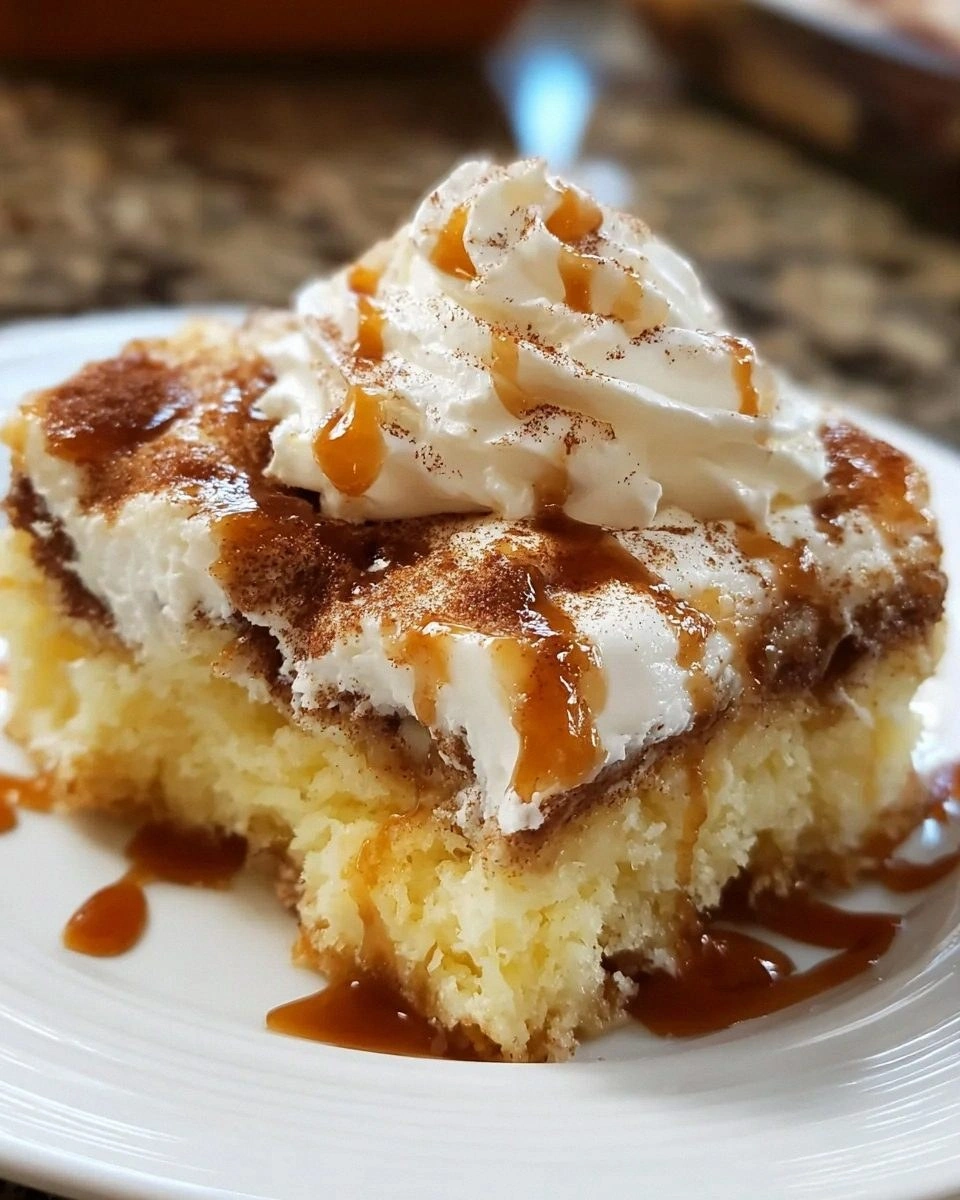
Finally, spread the cream cheese frosting over the entire surface, using a spatula to create swirls that mimic the classic cinnamon roll icing. The frosting should melt slightly into the warm cake, forming a seamless union of flavors. For an extra wow factor, sprinkle a pinch of extra cinnamon or a drizzle of caramel sauce on top.
Slice, serve, and watch your guests’ eyes widen. The first bite should deliver a perfect balance of soft cake, caramel‑rich soak, and tangy frosting. This is the moment of truth—if you’ve followed each step, you’ve just created the best version you’ll ever make at home. But hold on, I’ve got a few more tricks that'll take this to another level...
Insider Tricks for Flawless Results
The Temperature Rule Nobody Follows
Never bake a cake straight from a cold pantry. Let all ingredients—especially the butter and milk—come to room temperature before mixing. This ensures a uniform batter that rises evenly. I once baked a cake with chilled butter and ended up with a dense, uneven crumb. The lesson? Warm ingredients = airy cake.
Why Your Nose Knows Best
While the cake bakes, trust your sense of smell more than the timer. When you catch that sweet, toasty aroma, you know the caramelization is happening just right. If you wait for the timer alone, you might over‑bake and lose that delicate cinnamon‑roll scent. The nose is the ultimate kitchen gauge.
The 5‑Minute Rest That Changes Everything
After poking the cake and before drizzling the condensed milk, let the cake sit for five minutes. This brief pause allows the crumb to firm up slightly, preventing the milk from sinking too fast and making the surface too soggy. A friend tried to skip this step and ended up with a soggy bottom—let’s just say the cake didn’t win any awards.
Frosting Consistency Cheat
If your frosting is too thick, add milk a teaspoon at a time while beating. If it’s too runny, fold in an extra tablespoon of powdered sugar. The goal is a spreadable yet stable frosting that holds its shape on the warm cake. Over‑adjusting can lead to a frosting that either slides off or cracks.
Even Soak Strategy
When drizzling the condensed milk, start from the center and work outward in a circular motion. This ensures each hole gets an equal amount of liquid, preventing pockets that are overly sweet while others stay dry. The result is a uniformly moist cake that tastes the same from edge to edge.
Creative Twists and Variations
This recipe is a playground. Here are some of my favorite ways to switch things up:
Apple Cider Caramel
Replace half of the condensed milk with a reduction of apple cider and brown sugar. The result is a tangy‑sweet caramel that adds a crisp autumn vibe. Perfect for a Thanksgiving brunch.
Maple Pecan Crunch
Stir chopped toasted pecans into the batter and drizzle pure maple syrup instead of condensed milk. The nutty crunch pairs beautifully with the cinnamon, creating a texture contrast that’s downright addictive.
Chocolate Swirl
Mix a tablespoon of cocoa powder into the dry ingredients and swirl melted dark chocolate into the frosting. This creates a mocha‑cinnamon hybrid that satisfies both chocolate lovers and cinnamon fans.
Gluten‑Free Glory
Swap the vanilla cake mix for a gluten‑free blend and use almond flour for the frosting base. The flavor stays true, and you get a cake that’s safe for gluten‑sensitive guests without sacrificing texture.
Vegan Version
Replace the cream cheese with a vegan cream cheese alternative, use coconut oil instead of butter, and swap condensed milk for a coconut‑based sweetened condensed milk. The result is a dairy‑free delight that still delivers that gooey, caramel‑kissed experience.
Spiced Rum Infusion
Add a tablespoon of spiced rum to the condensed milk before drizzling. The rum’s warm notes deepen the flavor profile, making the cake feel like a holiday cocktail in dessert form.
Storing and Bringing It Back to Life
Fridge Storage
Cover the cake tightly with plastic wrap or store it in an airtight container. It will stay fresh for up to 4 days in the refrigerator. The frosting may firm up a bit; let it sit at room temperature for 15 minutes before serving to regain its creamy texture.
Freezer Friendly
Wrap each slice individually in parchment paper, then place them in a freezer‑safe zip‑top bag. The cake freezes well for up to 2 months. To reheat, microwave a slice for 15‑20 seconds, or bake a whole portion at 300°F for 10‑12 minutes.
Best Reheating Method
For the ultimate revival, preheat your oven to 325°F, place a slice on a baking sheet, and cover it loosely with foil. Heat for 8‑10 minutes, then uncover for the last 2 minutes to let the frosting melt slightly. Add a tiny splash of milk (about a teaspoon) before reheating; it creates steam that brings the cake back to its original moist glory.