Picture this: I’m standing in a cramped kitchen, the clock ticking, a friend daring me to whip up a “quick dinner” that won’t taste like a microwave disaster. I glanced at the pantry, grabbed a handful of ingredients, and the idea of a creamy, lemony chicken orzo flickered like a neon sign in my mind. The scent of garlic sizzling in olive oil hit me first, followed by the bright citrus aroma that promised a palate‑bright finish. The sound of the pan bubbling was the soundtrack to a culinary experiment that would change my dinner routine forever.
I’ve spent years chasing that perfect balance between comfort and wow‑factor in a single pot. The first time I tried a lemon chicken orzo, the sauce was either too thick and cloying or thin and watery. That moment of culinary disappointment was the spark that pushed me to refine every element: the chicken, the orzo, the lemon, the butter, and that last flourish of Parmesan that turns the dish into a silky dream. I dared myself to taste it again, and I didn’t go back for seconds—until I shared it with you.
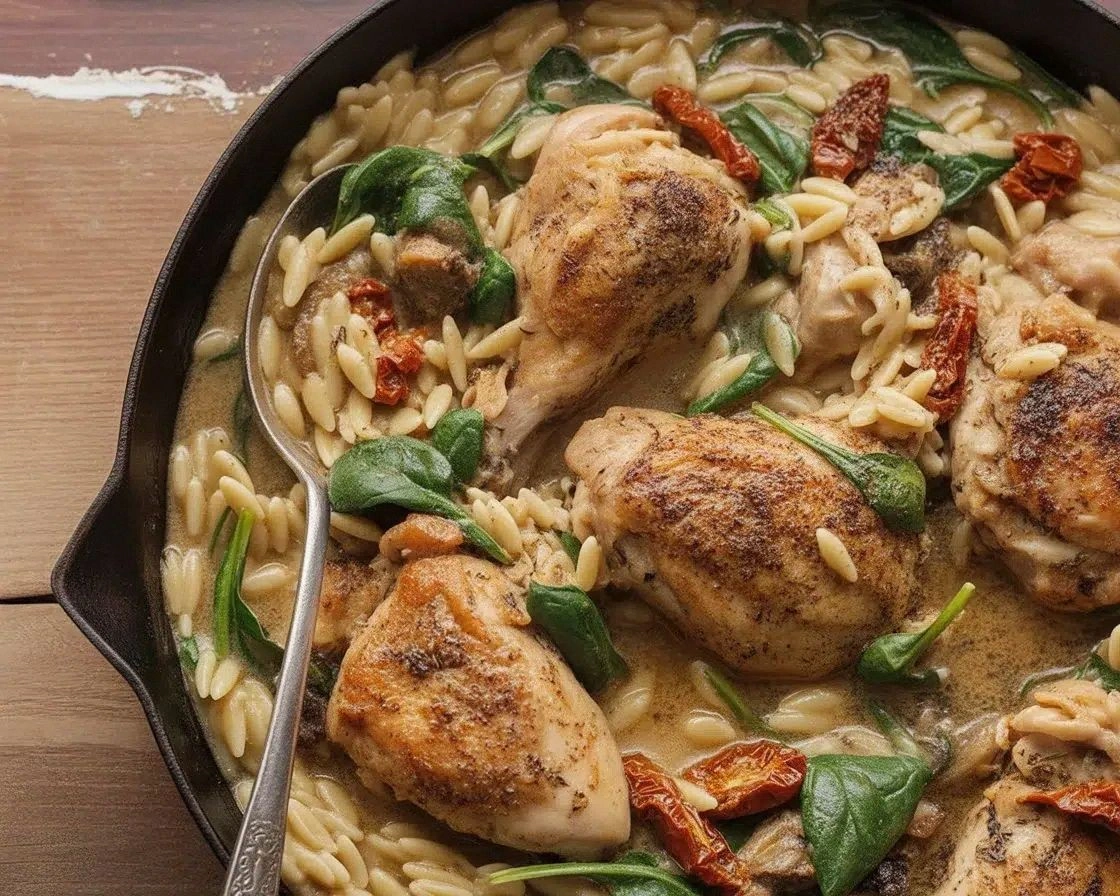
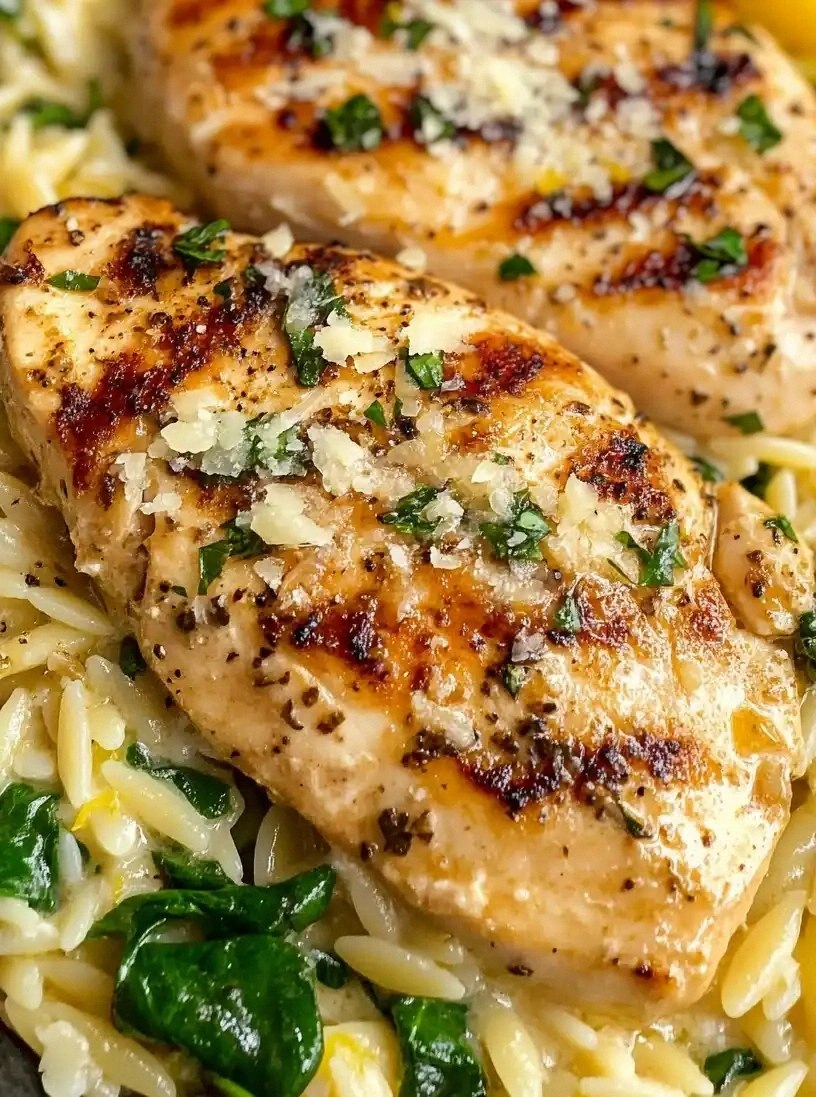
This version is hands down the best you’ll ever make at home because it takes the classic comfort of orzo and elevates it with a lemon‑butter sauce that coats each grain like velvet, while the chicken stays tender and juicy. The secret? A precise timing sequence that locks in moisture, a splash of chicken broth that lifts the sauce, and a sprinkle of fresh spinach that adds color and nutrition without overpowering the citrus brightness. Every bite delivers a burst of bright lemon, a whisper of garlic, and that satisfying buttery finish that makes you feel like you’re dining at a fancy restaurant.
I’ll walk you through every single step, revealing techniques that most recipes overlook. From how to sear chicken without drying it out to how to fold in the orzo so it absorbs the sauce perfectly, we’ll cover it all. By the end, you’ll wonder how you ever made it any other way. If you’ve ever struggled to get a creamy sauce that doesn’t separate or a chicken that stays moist, you’re not alone—and I’ve got the fix.
Let me walk you through every single step — by the end, you’ll wonder how you ever made it any other way. Picture yourself pulling this out of the oven, the whole kitchen smelling incredible, and a plate of golden, citrus‑kissed orzo waiting for you. The anticipation is almost as delicious as the dish itself. Ready? Let’s dive in.
What Makes This Version Stand Out
- Flavor: The bright lemon zest and juice create a vibrant, tangy profile that cuts through the richness of the sauce. The subtle Italian seasoning adds depth without overpowering the citrus.
- Texture: The orzo is cooked al dente, providing a delightful bite that contrasts with the silky sauce. The spinach melts into the dish, adding a gentle earthy note.
- Ease: All steps are done in one pan, so cleanup is a breeze. Even beginners can follow the timing and get a professional result.
- Freshness: The fresh parsley garnish and optional red pepper flakes give a pop of color and a hint of heat that keeps the dish lively.
- Versatility: Swap the chicken for shrimp or keep it vegetarian by adding chickpeas; the sauce adapts beautifully.
- Make‑ahead: This dish can be prepared in advance and reheated without losing its creaminess. The sauce even thickens slightly, making it ideal for meal prep.
- Nutrition: Balanced with protein, carbs, and healthy fats, it’s a complete meal that satisfies without feeling heavy.
Inside the Ingredient List
The Flavor Base
The combination of olive oil, garlic, and Italian seasoning sets the aromatic foundation for the dish. Olive oil acts as the medium that carries the flavors, while minced garlic adds a punch that lingers on the palate. Italian seasoning blends oregano, basil, and thyme, providing a subtle herbal depth that complements the lemon without masking it. Skipping this step would leave the sauce flat and uninspired.
The Protein Power
Two boneless, skinless chicken breasts are the star of the show. They’re thin enough to cook quickly yet thick enough to stay juicy. Marinating them briefly with salt, pepper, and a splash of lemon juice before searing locks in moisture and infuses the meat with citrus notes. If you prefer a vegetarian version, replace the chicken with firm tofu or seared tempeh for a similar texture.
The Unexpected Star
Fresh spinach might seem like a simple garnish, but it brings a vibrant green hue and a subtle earthiness that balances the brightness of lemon. Adding it at the end of cooking allows it to wilt without turning mushy, preserving its nutrients and color. If you can’t find fresh spinach, baby kale or arugula can be used as a quick swap.
The Final Flourish
Butter, Parmesan, and a dash of red pepper flakes are the finishing touches that elevate the dish. Butter adds a silky mouthfeel, while Parmesan contributes a savory umami note that deepens the sauce. Red pepper flakes introduce a gentle heat that cuts through the richness. Together, they create a harmonious balance of flavors that linger on the tongue.
Everything’s prepped? Good. Let’s get into the real action.
The Method — Step by Step
- Heat a large skillet over medium‑high heat. Add the olive oil and let it shimmer for a few seconds. This step is critical; if the oil is too hot, the garlic will burn, turning your sauce bitter. If it’s too cool, the chicken won’t develop that golden sear. Aim for a gentle sizzle that’s just before the oil starts to smoke.
- Season the chicken breasts on both sides with ½ teaspoon salt, ¼ teaspoon black pepper, and a pinch of Italian seasoning. Place them in the skillet and sear for 3–4 minutes per side until a deep golden crust forms. The key is to avoid moving the chicken too early; let the Maillard reaction do its work. Flip once, and you’ll see that beautiful brown pigment that signals flavor.
- Remove the chicken and set it aside. In the same pan, add the minced garlic and sauté for 30 seconds until fragrant. The garlic should release its oils but not brown. This quick sauté extracts the essential oils that will bind the sauce together.
- Add the zest of one lemon and the juice of one lemon to the skillet. Stir vigorously to deglaze, lifting any browned bits from the bottom. Those bits are flavor gold, so make sure you scrape them all up. The citrus will brighten the sauce and add a refreshing zing.
- Pour in two cups of chicken broth and bring to a gentle simmer. The broth dilutes the acidity of the lemon and creates a silky base for the orzo. Keep the heat low enough that it’s just a steady bubble; too vigorous and the orzo will cook unevenly.
- Stir in one cup of orzo, ½ teaspoon salt, and ¼ teaspoon black pepper. Reduce the heat to low, cover, and let the pasta absorb the liquid for about 10–12 minutes, stirring occasionally. The orzo should be al dente, with a slight bite that keeps the dish from becoming mushy.
- Return the chicken breasts to the skillet, nestling them into the sauce. Cover again and let everything steam together for an additional 5 minutes, ensuring the chicken reaches an internal temperature of 165°F. This step allows the flavors to meld and the chicken to stay moist.
- Add one tablespoon of butter, ¼ cup grated Parmesan cheese, one cup fresh spinach, and a pinch of red pepper flakes. Stir until the butter melts and the spinach wilts, creating a glossy, velvety sauce that coats every grain of orzo. The cheese adds depth, the butter gives richness, and the spinach injects color.
- Garnish with chopped fresh parsley and a light dusting of red pepper flakes. Plate the dish, drizzle any remaining sauce over the top, and serve immediately. The bright lemon aroma will fill your kitchen, and the first bite will confirm that all the steps were worth it.
That’s it — you did it. But hold on, I’ve got a few more tricks that’ll take this to another level.
Insider Tricks for Flawless Results
The Temperature Rule Nobody Follows
Many people cook chicken at high heat, causing it to dry out. I discovered that searing at medium‑high and then finishing at medium keeps the meat juicy while still giving it that coveted crust. If you’re using a thicker cut, lower the heat after searing to allow the interior to cook gently. This simple adjustment ensures the chicken stays tender and flavorful.
Why Your Nose Knows Best
A quick sniff of the sauce before adding the final ingredients can tell you if the acidity is balanced. If the lemon feels too sharp, let the sauce simmer a few more minutes to mellow out. Conversely, if it’s too flat, add a splash more lemon juice or a pinch of salt to brighten it. Your nose is a reliable guide to achieving that perfect flavor profile.
The 5‑Minute Rest That Changes Everything
After cooking, let the dish rest for five minutes before plating. This pause allows the sauce to thicken slightly and the flavors to settle, giving you a more cohesive bite. I’ve seen friends who rush to serve and get a watery sauce; the rest step fixes that issue instantly.
The Spinach Surprise
Adding spinach at the end might seem obvious, but the timing is crucial. If you add it too early, it wilts into a mushy texture that clumps the sauce. Add it just as the butter melts, and it will wilt into silky ribbons that hold the sauce together. The green color also adds a visual pop that makes the dish feel fresh.
The Parmesan Touch
Grated Parmesan is key to the sauce’s depth. Use freshly grated cheese for the best melt and flavor. If you’re in a pinch, a small amount of grated Pecorino can add a sharper tang. Avoid pre‑grated cheese from the store; it often contains additives that prevent proper melting.
The Final Garnish
Fresh parsley isn’t just a garnish; it adds a herbaceous brightness that balances the richness. Chop it finely so it distributes evenly across the plate. A light drizzle of extra‑virgin olive oil before serving elevates the dish’s finish and gives it a glossy sheen.
Creative Twists and Variations
This recipe is a playground. Here are some of my favorite ways to switch things up:
Shrimp Citrus Orzo
Swap the chicken for peeled shrimp and reduce the cooking time by 2 minutes. The shrimp’s natural sweetness pairs beautifully with the lemon, creating a lighter, seafood‑centric dish that’s perfect for summer evenings.
Mediterranean Veggie Orzo
Omit the chicken and add chopped zucchini, cherry tomatoes, and artichoke hearts. This vegetarian version maintains the creamy sauce while offering a burst of colorful vegetables that are both nutritious and satisfying.
Spicy Cajun Orzo
Introduce a tablespoon of Cajun seasoning to the chicken before searing and sprinkle extra red pepper flakes on top. The smoky heat complements the lemon, giving the dish a bold, Southern‑inspired twist.
Creamy Mushroom Orzo
Sauté sliced mushrooms with the garlic and add them to the sauce. The earthy umami of the mushrooms enriches the creaminess, making the dish hearty enough for a main course.
Pesto Lemon Orzo
Stir in a couple of spoonfuls of basil pesto instead of the Parmesan. The herbaceous pesto adds a fresh, green flavor that pairs wonderfully with the lemon, creating a vibrant, aromatic dish.
Storing and Bringing It Back to Life
Fridge Storage
Cool the dish completely before transferring it to an airtight container. Store in the refrigerator for up to 3 days. The sauce will thicken slightly, so a splash of milk or water can help restore its original consistency when reheating.
Freezer Friendly
Place the cooled dish in a freezer‑safe container and freeze for up to 2 weeks. Thaw overnight in the refrigerator before reheating. The orzo may absorb a bit of moisture, but the sauce remains creamy.
Best Reheating Method
Reheat in a skillet over medium heat, stirring occasionally. Add a tablespoon of water or chicken broth to loosen the sauce. Once heated through, finish with a sprinkle of Parmesan and a dash of fresh lemon juice to revive the citrus zing.