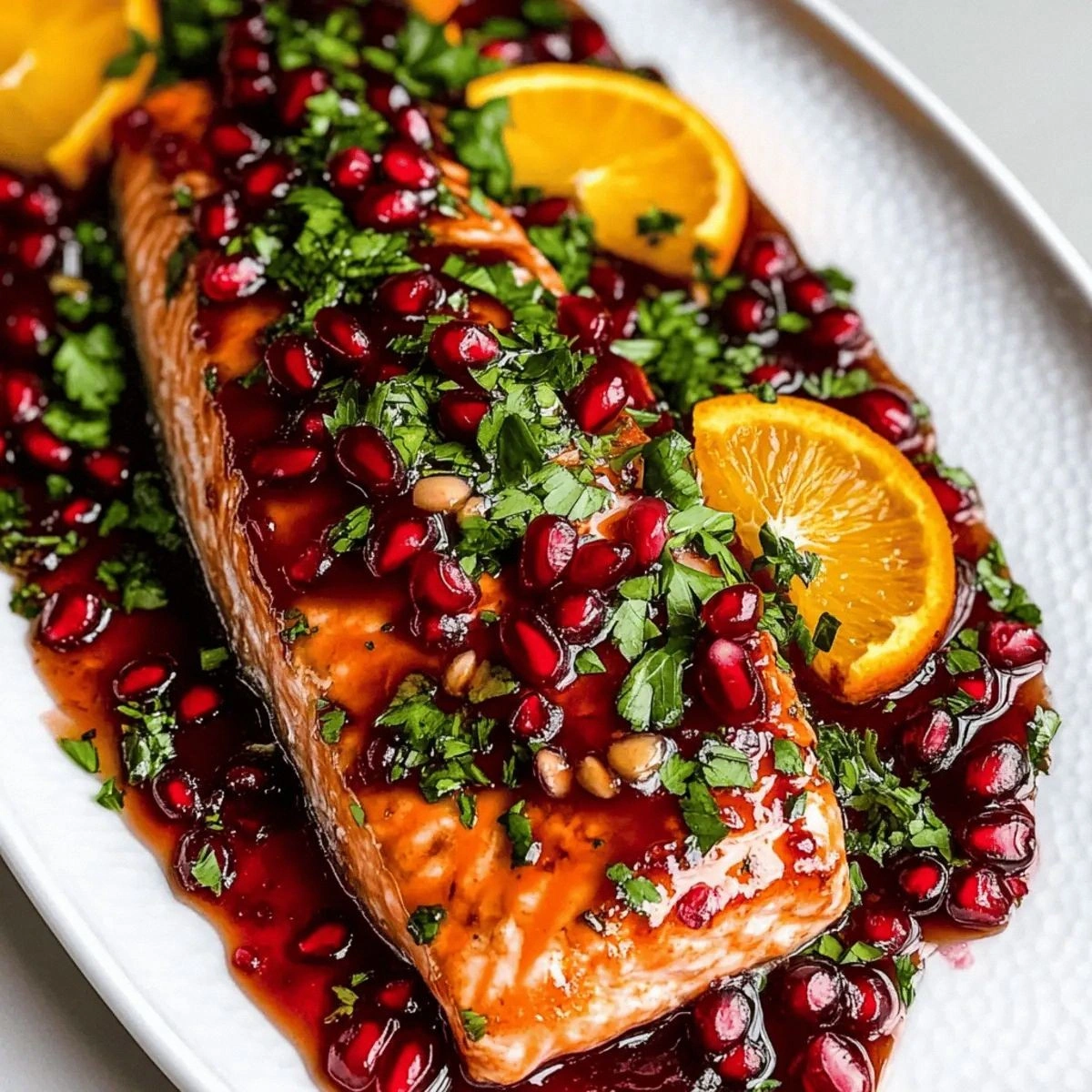
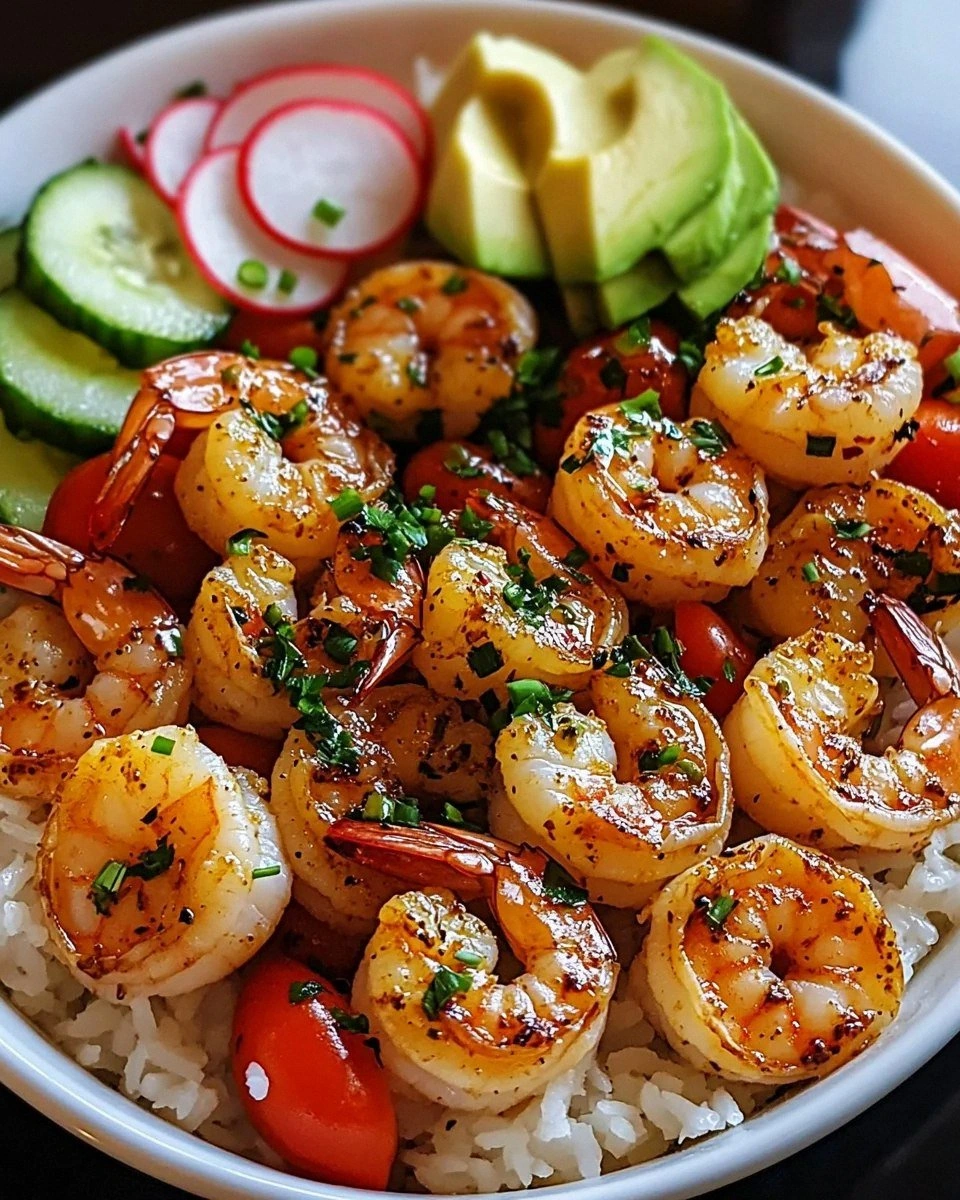
I remember the night my kitchen turned into a battlefield, the kind of disaster that makes you question every decision you ever made. A bag of flour had slipped off the counter, a splash of soy sauce had turned a neat pan into a sticky mess, and I was left with a half-cooked slab of beef that looked more like a sad, soggy slab than a mouth‑watering entrée. That was the moment I vowed to turn that tragedy into triumph. The next morning, I stared at the same cut of beef, a block of sirloin that had the potential to become the star of my dinner table. I was determined to give it a crisp, fiery makeover that would make the rest of the world jealous.
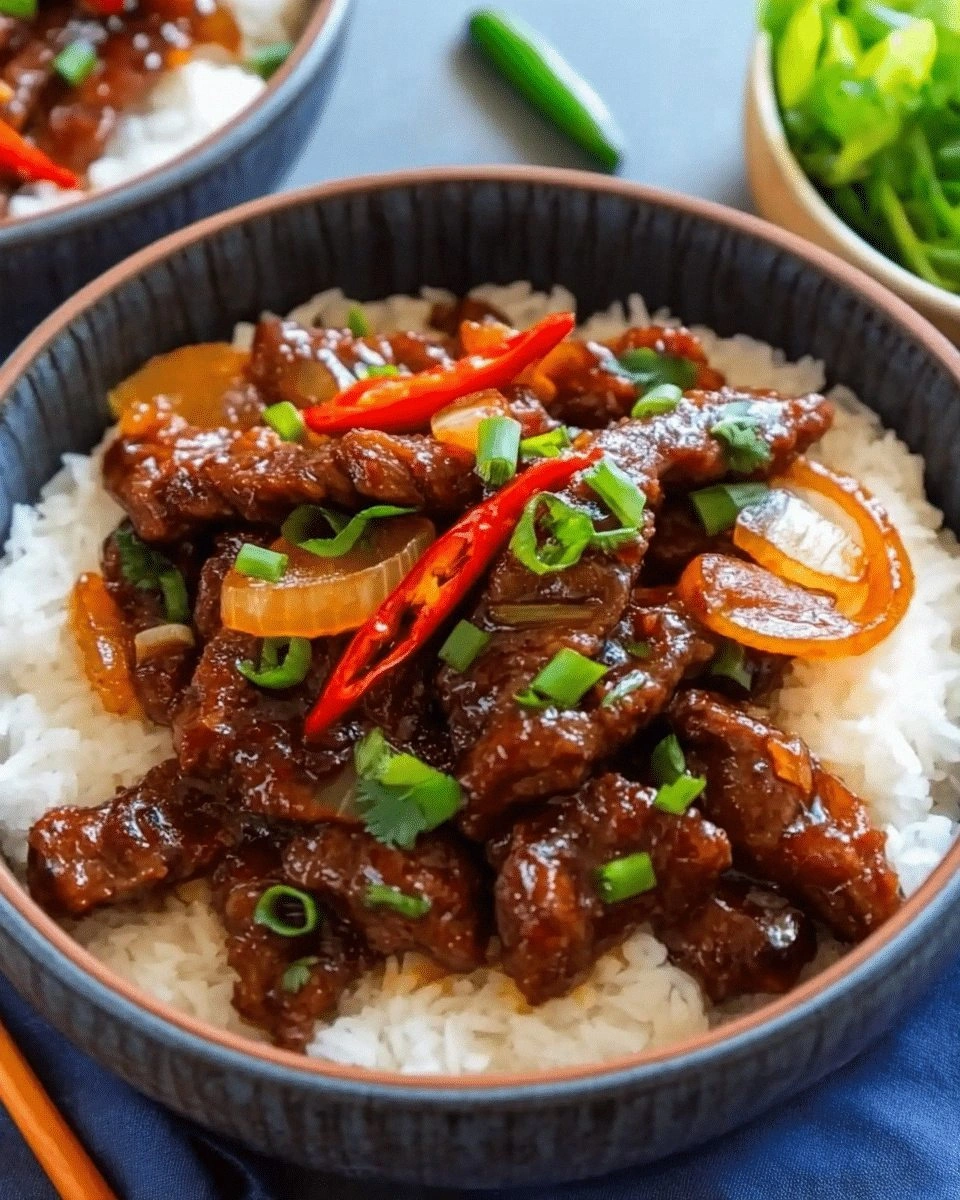
Picture this: the sizzling sound as the pan heats up, a burst of aroma that mixes the sharp tang of chili with the deep, umami richness of soy. You can almost taste the crunch before you even take a bite. The beef’s surface caramelizes to a golden-brown crust that crackles like fresh popcorn. Inside, it stays tender, juicy, and infused with a subtle heat that lingers on your tongue. The final presentation is a dish that glistens under the kitchen lights, with a glossy glaze that catches the eye and a sprinkle of fresh cilantro that adds a pop of color. This is not just a meal; it’s a sensory experience that turns a simple protein into a headline act.
Why does this version stand out? Because it’s not just about the recipe—it's about the confidence you bring to the table. I’ve spent years experimenting with different cuts, coating methods, and spice blends. The result is a balanced flavor profile that delivers heat without overwhelming the beef’s natural taste. The crust is crisp yet chewy, offering a satisfying contrast to the moist interior. The sauce, a harmonious blend of honey, chili, and soy, coats the meat like velvet, creating a glossy finish that’s impossible to resist. And the best part? You can make it in under an hour, making it a go-to dish for both weeknights and weekend feasts.
And here’s the kicker: this isn’t your run‑of‑the‑mill recipe. I’ve discovered a technique that uses a two‑stage coating—flour and panko—that creates an extra layer of crunch. You’ll also find an unexpected ingredient that gives the dish a smoky undertone without the need for a grill. Trust me, I dare you to taste this and not go back for seconds. The flavor explosion is so intense that you’ll feel like you’re walking into a kitchen full of fireworks.
Okay, ready for the game‑changer? Let me walk you through every single step—by the end, you’ll wonder how you ever made it any other way.
What Makes This Version Stand Out
- Flavor: A balanced blend of heat and sweetness that lingers on the palate. The sauce’s honey and chili create a caramelized glaze that clings to every bite.
- Texture: A double‑coated crust that shatters like thin ice, leaving a chewy, buttery interior. The panko adds an airy crunch that is unmatched by traditional breadcrumbs.
- Heat: The fiery kick is calibrated to ignite your taste buds without burning them. A splash of fresh lime juice tempers the heat, giving it a bright finish.
- Convenience: Prep takes only 15 minutes, and the entire dish cooks in 30 minutes. The ingredients are pantry staples, so you can whip it up in a flash.
- Versatility: Perfect for a weeknight dinner, a party appetizer, or a family gathering. The dish can be served over rice, noodles, or a simple side of steamed broccoli.
- Make‑Ahead Friendly: You can marinate the beef a day ahead, and the coated pieces hold up well in the fridge for up to two days.
- Visual Appeal: The glossy glaze and vibrant garnish create a plate that looks as good as it tastes.
- Ingredient Quality: Using high‑grade beef and fresh aromatics ensures every bite is a celebration of flavor.
Alright, let's break down exactly what goes into this masterpiece…
Inside the Ingredient List
The Flavor Base
The foundation of this dish starts with the beef itself. I use 1 pound of sirloin, cut into 1/2‑inch thick slices. This cut is firm enough to hold its shape during frying, yet tender enough to remain juicy after cooking. If you prefer a leaner cut, flank steak works well, but be sure to slice against the grain to prevent toughness.
A splash of soy sauce, about 2 tablespoons, brings depth and umami. It’s the secret behind that savory undertone that pairs perfectly with the sweet honey. If you’re watching sodium, substitute low‑sodium soy or tamari. The key is to balance salty with sweet—don’t overdo it or the dish will taste flat.
Honey, 1 tablespoon, is the sweet counterpoint to the chili. It caramelizes during frying, creating a glossy glaze that coats each piece. If you’re not a fan of honey’s distinct flavor, maple syrup or agave nectar can work, but the texture might differ slightly.
Fresh lime juice, 1 tablespoon, adds acidity that cuts through the richness and brightens the overall flavor. It also helps to tenderize the meat slightly, making each bite more succulent. A pinch of salt to taste rounds out the flavor profile, ensuring every bite is balanced.
The Texture Crew
All‑purpose flour, 1 cup, is used as the first coating. It creates a dry surface that allows the egg to adhere better. The flour also helps to absorb excess moisture, preventing a soggy crust. If you’re gluten‑free, a cornstarch or rice flour blend works just as well.
Eggs, 2 large, act as the binder. They give the coating a golden color and help the panko stick. Beat the eggs in a shallow dish, and let them sit for a minute to thicken slightly; this improves adhesion. If you’re avoiding eggs, a splash of milk or a vegan egg replacer will suffice.
Panko breadcrumbs, 1 cup, provide the signature crunch. Unlike regular breadcrumbs, panko has larger flakes that create airy pockets of air, leading to a lighter, crunchier bite. For a more authentic Japanese feel, you can add a tablespoon of toasted sesame seeds to the panko mix.
The Unexpected Star
Smoked paprika, 1 teaspoon, introduces a subtle smoky flavor that complements the heat. It’s the secret ingredient that elevates this dish from ordinary to unforgettable. If you’re a fan of smoky flavors, you can double the amount, but be cautious—too much can overpower the other notes.
Chili garlic sauce, 2 tablespoons, is the main source of heat. It’s a blend of fresh chilies, garlic, and a touch of sweetness. The sauce’s thickness allows it to cling to the meat, creating a consistent bite of spice. For a milder version, replace it with sriracha or a milder chili paste.
The Final Flourish
Sesame oil, 1 tablespoon, is the finishing touch that adds depth and aroma. It also helps the coating crisp up during frying. A dash of sesame seeds sprinkled on top gives a nutty crunch that balances the overall texture. If you’re vegan, simply omit the sesame oil and use a neutral oil like canola or grapeseed.
Fresh ginger, 1 teaspoon minced, brings a zesty, slightly peppery note that complements the chili. It also aids in digestion, making this dish a little easier on the stomach. A handful of chopped cilantro adds a fresh, herbal finish that cuts through the richness and adds color. Together, these final touches elevate the dish from simple to spectacular.
Everything's prepped? Good. Let's get into the real action…
The Method — Step by Step
- Prep the Beef: Pat the beef slices dry with paper towels. This step is critical; moisture on the surface will prevent the coating from sticking and will lead to soggy crust. Season each slice with salt, pepper, and smoked paprika. Let them sit for 5 minutes to absorb the spices.
- Set Up the Dredging Station: In one shallow dish, pour the flour. In a second dish, whisk the eggs until frothy. In a third dish, combine the panko, toasted sesame seeds, and a pinch of salt. The three separate stations allow for a smooth coating process.
- Coat the Beef: Dip each beef slice first into the flour, shaking off excess. Then plunge into the beaten eggs, letting any excess drip back into the dish. Finally, roll in the panko mixture until fully coated. This double coating is the secret to the crispy, airy texture.
- Heat the Oil: In a large skillet, pour 2 tablespoons of vegetable oil and heat over medium‑high heat. The oil should shimmer but not smoke. Add 1 tablespoon of sesame oil to the pan, allowing it to infuse the oil with its nutty aroma.
- Fry the Beef: Place the coated slices in the hot oil, being careful not to overcrowd the pan. Fry each side for 3–4 minutes, or until a golden‑brown crust forms. The edges will start pulling away from the pan, signaling readiness. Flip once; do not press down.
- Check the Internal Temperature: Use a meat thermometer to ensure the beef reaches 145°F for medium‑rare. If you prefer well‑done, cook until 160°F. This step guarantees safety and optimal texture.
- Make the Glaze: While the beef rests, combine soy sauce, honey, chili garlic sauce, lime juice, and a pinch of salt in a small saucepan. Bring to a gentle simmer over medium heat, whisking until the glaze thickens slightly. The glaze should coat the back of a spoon.
- Combine Beef and Glaze: Toss the fried beef in the glaze, ensuring each piece is evenly coated. The glaze will caramelize, creating a glossy finish. Serve immediately, garnished with fresh cilantro and a sprinkle of sesame seeds.
- Final Touch: Let the beef rest for 2 minutes before serving. This allows the juices to redistribute, keeping the meat juicy. If you’re serving a crowd, keep the beef warm in a low‑heat oven (200°F) while you finish plating.
- Enjoy: Plate the beef with a side of steamed rice or noodles. Drizzle any remaining glaze over the rice for extra flavor. Take a bite, and feel the crisp crust give way to a tender, juicy interior. That sizzle when it hits the pan? Absolute perfection.
That's it — you did it. But hold on, I've got a few more tricks that'll take this to another level. These insider tips will help you perfect every element of the dish, from the crust to the glaze, and ensure you never go back to a generic version again.
Insider Tricks for Flawless Results
The Temperature Rule Nobody Follows
Temperature control is the cornerstone of a perfect crust. Many people fry at too low a heat, resulting in greasy, soggy beef. I use a thermometer to keep the oil at 350°F. Once it reaches that temperature, the coating will instantly crisp up, sealing in juices. If you don’t have a thermometer, test the oil by dropping a pinch of flour; it should sizzle immediately and rise to the surface.
Why Your Nose Knows Best
Trust your nose when you’re cooking. A faint, sweet aroma from the glaze indicates that the honey is caramelizing. If the scent is sharp or burnt, reduce the heat. The smell should be rich, but not overpowering. This simple cue saves you from a burnt dinner and keeps the flavor profile balanced.
The 5‑Minute Rest That Changes Everything
After frying, let the beef rest on a wire rack for 5 minutes. This short pause lets the juices redistribute, preventing them from running off the surface. It also allows the coating to firm up slightly, making each bite easier to chew. Skipping this step often leads to a soggy crust.
Use a Splatter Guard
Oil splatter can be dangerous and messy. A splatter guard not only protects you from hot oil, but it also keeps the kitchen cleaner. I keep a silicone splatter guard handy in my kitchen drawer. It’s a small investment that saves a lot of cleanup time.
The Final Glaze Finish
The glaze should be thick enough to coat the back of a spoon but still pourable. If it’s too thin, the beef will absorb too much liquid, losing its crispness. Add a splash of cornstarch mixed with water to the glaze if it needs thickening. This trick keeps the glaze glossy without making it gummy.
The Quick Rest Trick
If you’re in a rush, place the fried beef on a paper towel-lined plate for a minute before glazing. The paper towel absorbs excess oil, keeping the crust crisp. This simple step is especially useful when you’re serving a large group and need to keep the beef warm.
Creative Twists and Variations
This recipe is a playground. Here are some of my favorite ways to switch things up:
Spicy Szechuan Surprise
Swap chili garlic sauce for Szechuan peppercorn paste. The peppercorn adds a numbing heat that pairs beautifully with the honey. This version is ideal for those who love a tingling, spicy kick.
Smoky Chipotle Delight
Add a tablespoon of chipotle in adobo. The smoky depth elevates the dish, giving it a barbecue feel. Serve with a side of corn‑roasted potatoes to complete the smoky theme.
Herbal Thai Twist
Replace the lime juice with a splash of fish sauce and add fresh basil leaves. This version leans into Thai flavors, creating a bright, aromatic experience. Pair it with jasmine rice for an authentic feel.
Gluten‑Free Crunch
Use rice flour and gluten‑free breadcrumbs for the coating. The texture remains crisp, and the dish stays fully compliant with gluten restrictions. This is a perfect option for friends with dietary constraints.
Vegetarian Version
Replace the beef with thick slices of seitan or tofu. Marinate them in the same glaze, and fry until golden. The result is a plant‑based dish that still delivers the same satisfying crunch and flavor.
Breakfast Bonanza
Serve the crispy beef over a bed of scrambled eggs, topped with a fried egg and a drizzle of hot sauce. The combination of savory, spicy, and creamy makes for a breakfast that feels like a feast.
Storing and Bringing It Back to Life
Fridge Storage
Store the cooled beef in an airtight container in the refrigerator for up to 2 days. The crisp crust will soften slightly, but the flavor remains intact. When ready to serve, reheat in a hot skillet for 1–2 minutes to restore crunch.
Freezer Friendly
Freeze the beef in a single layer on a parchment‑lined tray before transferring to a freezer bag. It will keep for up to 3 months. Thaw overnight in the refrigerator, then reheat in the skillet as described above.
Best Reheating Method
The secret to reheating is a quick sear in a hot pan. Heat a tablespoon of oil, add the beef, and cook for 30–45 seconds on each side. Add a splash of water or broth to create steam, which will keep the interior moist while the crust crisps.