Imagine this: you’re standing in a kitchen that smells like a garden after a spring rain, the air filled with the earthy whisper of matcha and the sweet, almost intoxicating perfume of lavender. A friend dared you to bake something that could double as a tea‑time treat and a show‑stopping dessert, and you, ever the brave soul, said “challenge accepted.” The first attempt? A flat, bland cookie that tasted like a grocery‑store shortcut. I was ready to give up, but then I remembered that the best recipes are born out of a little kitchen chaos and a lot of curiosity. That night, I went back to the drawing board, swapped a few ingredients, tweaked the technique, and the result was nothing short of a revelation.
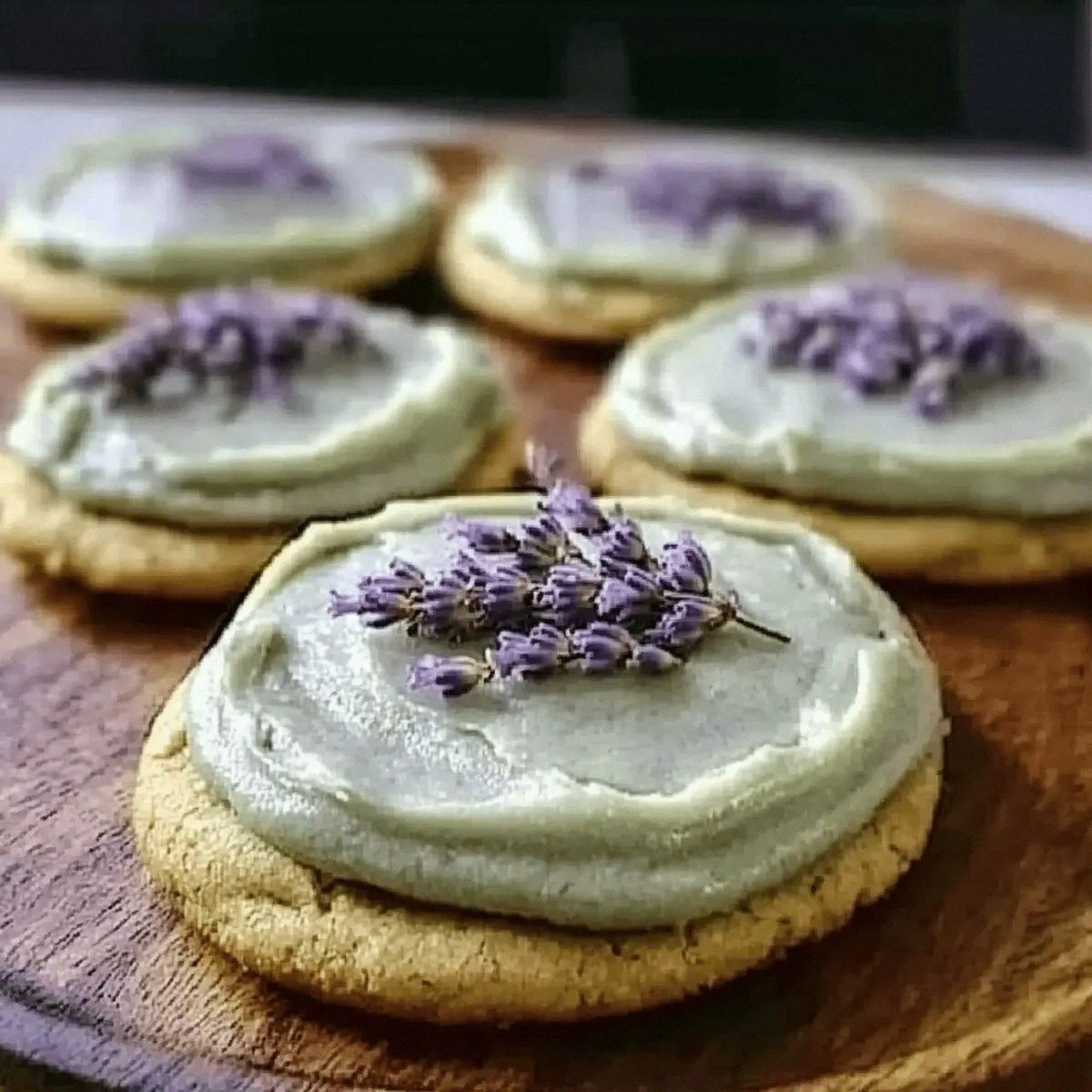
The moment those cookies slid out of the oven, the kitchen turned into a sensory playground. The pale‑green tops glistened with a hint of purple, catching the light like tiny jewels. When I lifted one, the edges crunched with a delicate snap, while the center stayed soft, almost buttery, melting on the tongue with a subtle, floral kiss. The flavor? A harmonious duet where the grassy, slightly bitter matcha is soothed by the calming, fragrant lavender, all wrapped in a sweet, buttery hug. It’s the kind of cookie that makes you pause, close your eyes, and let the taste transport you to a quiet Japanese tea garden at twilight.
Most recipes out there either over‑sweeten the lavender or drown the matcha in butter, losing the nuanced balance that makes these cookies sing. I’ve tried the “quick” versions that skip the sour cream, and they end up dry, like a desert sand‑storm in your mouth. The secret here is a trio of game‑changing steps: the lavender is lightly toasted, the dough gets a quick chill, and a splash of milk with a dash of purple food coloring gives the perfect hue and texture. Trust me, this isn’t just another cookie; it’s a conversation starter, a memory maker, a tiny piece of edible art.
Okay, ready for the game‑changer? Let me walk you through every single step — by the end, you’ll wonder how you ever made it any other way. I dare you to taste this and not go back for seconds. This is hands down the best version you’ll ever make at home, and I’m about to spill every secret.
What Makes This Version Stand Out
- Flavor Fusion: The earthy matcha meets soothing lavender in a balanced dance that’s neither overpowering nor muted. It’s like a calm sunrise after a night of fireworks.
- Texture Triumph: A crisp edge gives way to a melt‑in‑your‑mouth center, thanks to the sour cream and butter combo. Think of it as a buttery cloud with a crunchy halo.
- Simplicity: No exotic equipment required—just a whisk, a bowl, and an oven. If you can boil water, you can nail this.
- Unique Visuals: The subtle purple hue from lavender and a hint of green from matcha make these cookies Instagram‑ready without any food‑grade dye.
- Crowd Reaction: Guests often ask for the recipe before the first bite is even taken. It’s a conversation starter that earns you instant culinary cred.
- Ingredient Quality: Using culinary lavender buds and high‑grade matcha powder elevates the flavor from “good” to “wow, I need to buy more.”
- Method Mastery: Toasting lavender and chilling the dough are tiny steps that make a massive difference in aroma and texture.
- Make‑Ahead Magic: These cookies keep their shape and flavor for up to a week, making them perfect for pre‑made gift boxes.
Alright, let's break down exactly what goes into this masterpiece...
Inside the Ingredient List
The Flavor Base
Matcha powder is the star of the show, delivering that unmistakable green tea bitterness that balances the sweet sugar. Use culinary‑grade matcha for a vibrant color and smoother taste; tea‑bag matcha will taste grassy and cheap. If you’re out of matcha, you can substitute with a teaspoon of finely ground green tea leaves, but expect a slightly different texture.
Lavender buds bring a perfumed floral note that’s both soothing and slightly sweet. It’s crucial to use culinary lavender, not the ornamental kind, which can be too strong or even bitter. If you can’t find lavender, try a teaspoon of dried rose petals for a similar aromatic profile, though the flavor will shift toward rosy sweetness.
The Texture Crew
All‑purpose flour provides the structural backbone, while cornstarch lightens the crumb, creating that melt‑in‑the‑mouth feel. Skipping cornstarch will give you a denser cookie, more like a shortbread. If you’re gluten‑free, substitute the flour with a 1‑to‑1 gluten‑free blend and keep the cornstarch for that airy texture.
Butter, softened but not melted, gives richness and flavor. Using melted butter will cause the cookies to spread too much, losing that perfect round shape. Unsalted butter is essential so you can control the salt level precisely.
Sour cream adds moisture and a subtle tang that cuts through the sweetness, keeping the interior soft. It also reacts with the baking powder and soda for a gentle rise. If you’re out of sour cream, Greek yogurt works as a 1:1 swap, though the flavor will be a touch tangier.
The Unexpected Star
Powdered sugar isn’t just for frosting; it sweetens the dough without adding grit, ensuring a smooth, velvety texture. Granulated sugar, on the other hand, creates a slight crunch on the edges, giving that delightful contrast. Mixing both gives you the best of both worlds.
Purple food coloring is purely aesthetic, turning the cookies a dreamy lavender‑purple that matches the flavor profile. A few drops are enough; over‑coloring can make the taste slightly metallic. If you prefer natural colors, a pinch of beet powder works as a substitute.
Egg acts as a binder, holding the dough together while adding a bit of richness. A large egg is standard; for a lighter version, use just the egg white, but expect a firmer texture.
All these ingredients together create a symphony of flavors and textures that’s both familiar and exciting. Everything's prepped? Good. Let's get into the real action...

The Method — Step by Step
Preheat your oven to 350°F (175°C) and line two baking sheets with parchment paper. While the oven warms, give yourself a mental pep talk—this is the moment of truth, and you’re about to create something magical. The heat should be steady; any fluctuation can cause uneven spreading.
In a small skillet over medium heat, toast the lavender buds for about 30 seconds, stirring constantly until they become fragrant but not browned. This step unlocks the floral oils, turning a simple herb into a powerhouse of aroma. Watch out: over‑toasting will make the buds bitter, ruining the delicate balance.
Watch Out: Keep the skillet moving; lavender burns faster than most spices.Combine the flour, cornstarch, baking powder, baking soda, and salt in a medium bowl. Whisk them together until the mixture is uniform; this ensures the leavening agents are evenly distributed, preventing pockets of rise. Set aside.
In a large mixing bowl, beat the softened butter and granulated sugar together on medium speed for 2‑3 minutes until the mixture is pale and fluffy. This aeration step is crucial—think of it as whipping air into a cloud; the more air, the lighter the cookie.
Kitchen Hack: Scrape down the sides of the bowl with a silicone spatula after each minute; this guarantees every speck of butter gets incorporated.Add the egg, vanilla extract, and a splash of milk to the butter‑sugar mixture. Beat until just combined; over‑mixing can develop gluten, leading to tougher cookies. Then fold in the sour cream, which will give the dough a luxurious, slightly tangy richness.
Stir in the matcha powder, toasted lavender, and a few drops of purple food coloring. The dough should take on a soft, pastel hue—if it looks too green, add a touch more lavender or a drop more coloring. The scent should be unmistakably floral and earthy at this point.
Gradually add the dry flour mixture to the wet ingredients, mixing on low speed until just combined. Over‑mixing here will develop gluten and make the cookies dense. The dough will be slightly sticky; that’s normal and part of the charm.
Cover the bowl with plastic wrap and chill the dough in the refrigerator for at least 30 minutes. This rest period lets the flour hydrate and the butter firm up, resulting in a tighter shape when baked. Pro tip: If you’re in a hurry, a 15‑minute chill still works, but the edges won’t be as defined.
Once chilled, scoop tablespoon‑sized balls of dough onto the prepared sheets, spacing them about 2 inches apart. Gently flatten each ball with the back of a spoon or your palm; you want a slight dome that will spread just enough.
Bake for 12‑14 minutes, or until the edges turn a light golden‑brown while the centers remain soft. The cookies will continue to set as they cool, so pull them out at the right moment. The aroma at this stage should be a heady mix of toasted lavender and fresh matcha—if you can smell it, you’re on the right track.
Allow the cookies to cool on the sheet for 5 minutes before transferring them to a wire rack. This prevents them from breaking and lets the flavors settle. While they cool, whisk together the powdered sugar and a pinch of lavender buds for a light dusting that adds a final touch of elegance.
Finally, dust each cookie with the lavender‑infused powdered sugar, giving them a snowy, aromatic finish. Serve them warm for the ultimate melt‑in‑the‑mouth experience, or store them in an airtight container for later indulgence.
That's it — you did it. But hold on, I've got a few more tricks that'll take this to another level...
Insider Tricks for Flawless Results
The Temperature Rule Nobody Follows
Always start with a fully preheated oven. A common mistake is putting the cookies in before the oven reaches 350°F, which leads to uneven rise and a pale bottom. If you have an oven thermometer, check that the temperature is spot‑on; even a 10‑degree variance can change texture.
Why Your Nose Knows Best
Trust the scent. When the lavender hits the skillet, you’ll hear a faint sizzle and smell a sweet, herbal perfume. If the aroma feels muted, the buds aren’t toasted enough. This sensory cue is more reliable than a timer.
The 5‑Minute Rest That Changes Everything
After mixing, let the dough rest for five minutes before chilling. This short pause allows the flour to fully absorb the liquids, preventing a gummy texture. I once skipped this step and ended up with a dough that stuck to my hands like glue.
Butter Temperature is Not Optional
Butter should be softened to the point where you can press a finger into it without it melting. Too cold and it won’t cream properly; too warm and the cookies will spread too much. The perfect temperature is around 65°F (18°C).
Dusting for Visual Impact
When dusting with powdered sugar, use a fine mesh sieve and a gentle tapping motion. This creates an even, delicate coating that doesn’t clump. A clumpy dust can weigh down the cookie and mask the subtle flavors.
Creative Twists and Variations
This recipe is a playground. Here are some of my favorite ways to switch things up:
White Chocolate Lavender
Fold in ½ cup of white chocolate chips after adding the wet ingredients. The creamy sweetness balances the floral notes and adds a luxurious melt.
Matcha Citrus Burst
Add the zest of one lemon or orange to the dough for a bright, citrusy contrast that lifts the earthiness of matcha. The zest also adds a speckled visual pop.
Nutty Lavender Crunch
Stir in ¼ cup of finely chopped toasted almonds or pistachios. The nutty crunch adds texture and a subtle buttery flavor that pairs wonderfully with lavender.
Vegan Version
Swap butter for a 1‑to‑1 coconut oil solid, replace the egg with a flax‑egg (1 tbsp ground flaxseed + 3 tbsp water), and use plant‑based sour cream. The result is just as tender, though the flavor shifts slightly toward coconut.
Spiced Autumn Edition
Replace half the matcha with ground cinnamon and add a pinch of nutmeg. This creates a cozy, warm cookie perfect for chilly evenings.
Gluten‑Free Delight
Use a gluten‑free flour blend and keep the cornstarch. The texture remains light, and the flavor stays true to the original.
Storing and Bringing It Back to Life
Fridge Storage
Place the cooled cookies in an airtight container with a parchment paper layer between each layer. They’ll stay fresh for up to 5 days. If you notice them getting a bit soft, pop the container into the fridge for 15 minutes before serving.
Freezer Friendly
Arrange the cookies on a baking sheet and freeze until solid, then transfer them to a zip‑top freezer bag. They’ll keep for up to 3 months. When ready to enjoy, let them thaw at room temperature for 20 minutes, then give them a quick 2‑minute bake at 300°F to revive the crisp edges.
Best Reheating Method
Preheat your oven to 300°F, place the cookies on a parchment‑lined tray, and warm for 4‑5 minutes. Add a tiny splash of water (just a few drops) to the tray before heating; the steam will bring the interior back to that perfect, soft‑chewy texture.