Picture this: a midnight kitchen, a burnt lasagna on the counter, and a sudden craving for something fresh, bright, and utterly irresistible. I stared at the empty fridge, muttered a curse, and decided to whip up a salad that would make my taste buds do a little happy dance. The result? A Fresh Vegan Tzatziki Chickpea that is not just a salad but a revelation. I was so proud of the first bite that I almost ate the whole bowl before anyone else could even glance at it. That’s the kind of confidence I want to share with you today.
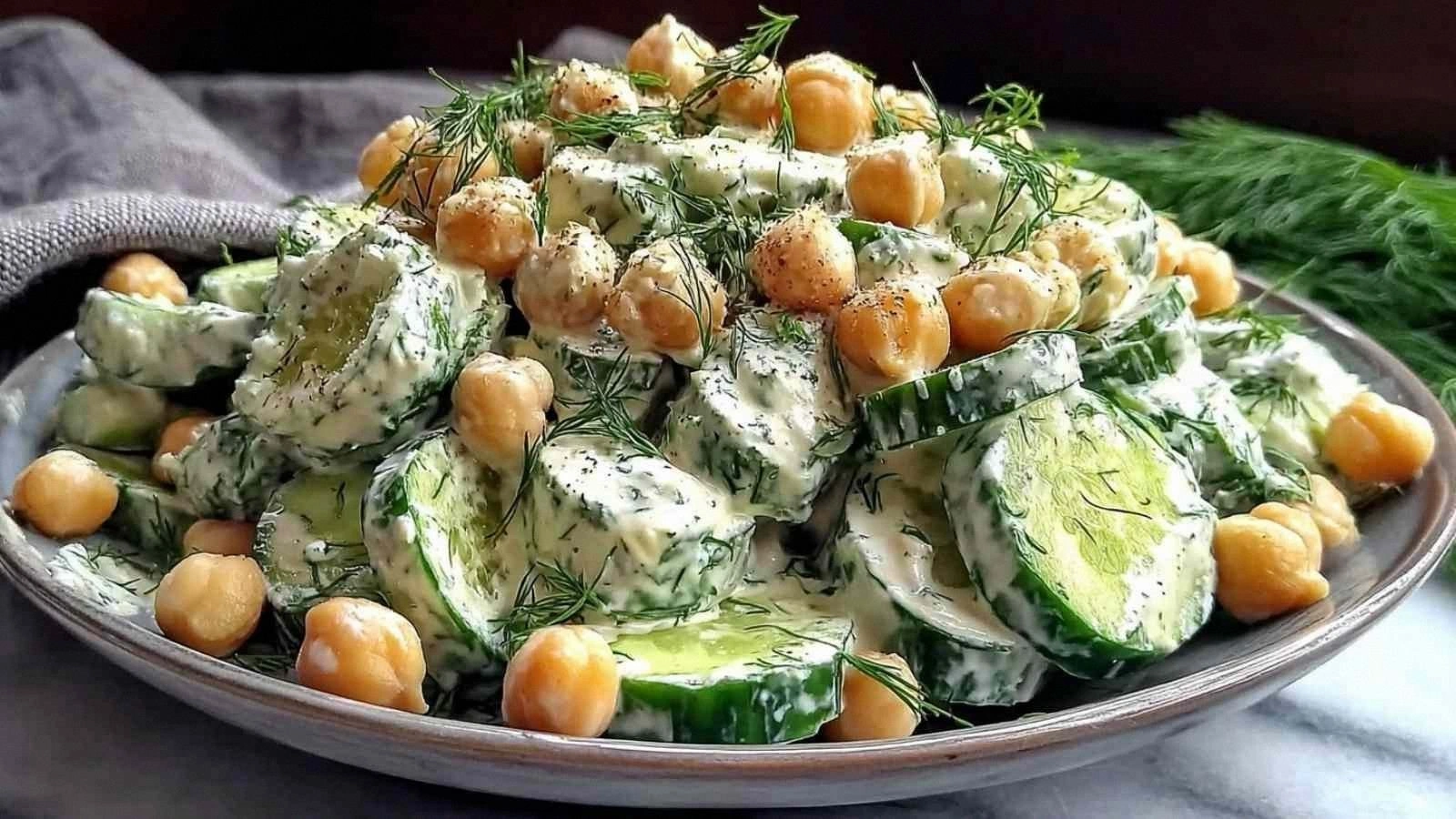
I’ve spent years hunting for the perfect plant‑based tzatziki, and every time I think I’ve found it, something feels off—too thick, too watery, or just plain bland. This version is a game‑changer because it balances creamy, tangy, and herby notes in a single, harmonious bite. The chickpeas bring a subtle nuttiness that pairs beautifully with the zesty lemon, while the dill and parsley add a fragrant lift that makes every forkful feel like a breath of Mediterranean air. The texture is a delightful contrast: the chickpeas are tender yet still have a bite, the cucumber offers crisp pops, and the yogurt gives a silky finish.
What makes this recipe stand out? It’s the combination of simplicity and depth. I keep the ingredient list short, but each component is chosen for maximum flavor impact. I use fresh, not canned, lemon juice because the acidity cuts through the richness of the yogurt and brightens the chickpeas. I also add a splash of olive oil, which not only adds body but also helps the flavors meld together. And the best part? It can be made in minutes, served immediately, or stored for later—making it perfect for busy weekdays or spontaneous gatherings.
Before you dive in, let me give you a quick heads‑up: the secret to a silky tzatziki is to blend the chickpeas just until they’re smooth, not fully pureed. A little chunkiness keeps the dish interesting. Also, I swear by using a small bowl for the yogurt mixture so you can whisk it to a velvety consistency without overworking the dairy. Trust me, this little tweak will make a noticeable difference. Now, let’s walk through every single step. By the end, you’ll wonder how you ever made it any other way.
What Makes This Version Stand Out
- Flavor: The combination of lemon, dill, and parsley creates a bright, herbaceous profile that cuts through the chickpeas’ earthiness.
- Texture: A balanced mix of creamy yogurt, tender chickpeas, and crisp cucumber delivers a satisfying mouthfeel.
- Ease: No heavy sauces or complex steps—just blend, mix, and serve.
- Versatility: Works as a side, a sandwich filling, or a topping for grilled vegetables.
- Nutrition: Packed with plant protein, fiber, and healthy fats from olive oil.
- Make‑ahead: The flavors deepen overnight, making it an ideal prep‑ahead dish.
- Ingredient Quality: Fresh, high‑quality herbs and a good vegan yogurt are key to the depth of flavor.
- Audience: Ideal for vegans, vegetarians, and anyone craving a lighter, refreshing option.
Alright, let's break down exactly what goes into this masterpiece. Below is a quick rundown of the ingredients and why each one matters.
Inside the Ingredient List
The Flavor Base
At the heart of this salad is the yogurt, which serves as the creamy, tangy foundation. I use 0.5 cup of vegan Greek yogurt because its thick texture holds the sauce together without becoming watery. If you’re not a fan of dairy, coconut yogurt is a great alternative—just make sure it’s plain and not sweetened.
The lemon juice is the next star. Freshly squeezed lemon adds a bright acidity that balances the richness of the yogurt and the chickpeas. If you can’t find fresh lemons, a splash of white wine vinegar or apple cider vinegar works, but keep the quantity to 2 tablespoons to avoid overpowering.
Olive oil is the final touch that ties everything together. A tablespoon of high‑quality extra‑virgin olive oil not only adds a silky body but also helps the herbs release their flavors. Skip it and the salad will feel a bit dry.
The Texture Crew
Chickpeas are the main protein source. I use 15 ounces of canned chickpeas because they’re already cooked and ready to go. If you prefer the nutty flavor of cooked chickpeas, you can simmer them for 10 minutes to reduce the liquid, but that adds extra prep time.
Cucumber provides a refreshing crunch that contrasts nicely with the creamy yogurt. Slice it into small cubes to ensure every bite is balanced. If you don’t have a cucumber, zucchini or celery can be a suitable substitute, but they won’t have the same crispness.
Red onion adds a mild, sweet bite. Half an onion is enough to give a subtle zing without dominating the dish. If you’re sensitive to onions, try using scallions or green onions for a milder flavor.
The Unexpected Star
Fresh herbs are the secret sauce of this recipe. I use 2 tablespoons each of dill and parsley, chopped finely. The dill brings a citrusy, slightly sweet note, while the parsley adds a fresh, peppery finish. If you’re out of dill, mint or cilantro can offer a different but delightful twist.
Garlic is the subtle hero that lingers in the background. Two cloves, minced, provide an aromatic depth that enhances the chickpeas. Over‑mincing garlic can make the salad too pungent, so aim for a fine mince.
The Final Flourish
Salt and pepper are essential to bring all the flavors together. A pinch of salt is enough, but feel free to adjust to taste. Pepper adds a gentle heat that elevates the entire dish.
Everything’s prepped? Good. Let’s get into the real action.
The Method — Step by Step
- Begin by draining the chickpeas and patting them dry with a clean towel. This step ensures the yogurt doesn’t get too watery. Once dry, transfer them to a medium bowl and gently mash with a fork until they’re mostly broken down but still have some texture. I love to leave a few chunks for that satisfying bite.
- Add the diced cucumber, half a sliced red onion, and the minced garlic to the bowl. Stir to combine. The onion and garlic will soften slightly, releasing their flavors into the chickpeas.
- In a separate small bowl, whisk the vegan Greek yogurt, lemon juice, and olive oil until the mixture is smooth and glossy. If the yogurt is too thick, add a teaspoon of water or a splash of plant‑based milk to reach the desired consistency.
- Pour the yogurt mixture over the chickpeas and vegetables. Fold gently until everything is evenly coated. The yogurt should cling to each ingredient, forming a cohesive dressing.
- Toss in the fresh dill, parsley, and a pinch of salt and pepper. Mix again, making sure the herbs are distributed evenly. The herbs should give a burst of color and a fragrant aroma that signals the dish is ready.
- Cover the bowl with plastic wrap and refrigerate for at least 30 minutes. This resting period allows the flavors to marry and the chickpeas to absorb the yogurt’s tang. Trust me, the taste improves dramatically after chilling.
- Before serving, give the salad a quick stir. Taste and adjust seasoning if needed—add more salt, pepper, or lemon juice to brighten it up.
- Serve chilled or at room temperature. It’s perfect as a side dish, a light lunch, or a refreshing snack. If you’re feeling adventurous, spoon it over grilled pita or use it as a filling for wraps.
That’s it—you did it! But hold on, I’ve got a few more tricks that’ll take this to another level. Trust me, they’ll make the difference between a good salad and a legendary one.
Insider Tricks for Flawless Results
The Temperature Rule Nobody Follows
Most people toss everything together at room temperature, but I always chill the yogurt mixture first. A cold base ensures the chickpeas stay firm and prevents the dressing from becoming too thin. I keep the yogurt in the fridge for 10 minutes before whisking.
Why Your Nose Knows Best
Before seasoning, sniff the salad. A slightly sour aroma indicates the lemon is bright enough. If it smells too neutral, add a splash of lemon or a pinch of salt. Your nose is your best judge of flavor balance.
The 5-Minute Rest That Changes Everything
After mixing, let the salad sit for exactly five minutes before refrigerating. This short rest allows the chickpeas to absorb the yogurt, creating a thicker, more cohesive texture. I’ve seen people skip this step and end up with a watery dressing.
Keep the Herbs Fresh
If you’re chopping herbs right before serving, wrap the bowl in a damp paper towel. This keeps the herbs from wilting and preserves their bright green color.
Add a Sweet Counterbalance
A dash of maple syrup or agave nectar can offset the acidity for those who prefer a milder taste. Just a teaspoon is enough to round out the flavors without turning it into a dessert.
Creative Twists and Variations
This recipe is a playground. Here are some of my favorite ways to switch things up:
Mediterranean Kick
Add a tablespoon of chopped kalamata olives and a sprinkle of za’atar. The olives bring briny depth while the za’atar adds an earthy, citrusy flavor that complements the dill.
Spicy Heat
Incorporate a pinch of crushed red pepper flakes or a dash of sriracha. The heat pairs beautifully with the coolness of the yogurt, creating a dynamic contrast.
Herbal Fusion
Swap dill for fresh basil or mint. Basil will give a sweet, aromatic finish, while mint adds a refreshing, cooling note that’s perfect for hot days.
Protein Punch
Add a scoop of plant‑based protein powder or a handful of roasted chickpeas for extra protein. This turns the salad into a more substantial meal.
Citrus Twist
Replace half the lemon juice with lime juice for a sharper, more tropical flavor. The lime’s zest will enhance the herbs and give the salad a bright, zesty finish.
Crunchy Upgrade
Top the salad with toasted pine nuts or sunflower seeds. The crunch adds texture and a nutty aroma that elevates the overall experience.
Storing and Bringing It Back to Life
Fridge Storage
Store the salad in an airtight container in the refrigerator for up to 3 days. Keep the dressing separate if you prefer a drier salad, then combine just before serving.
Freezer Friendly
The salad can be frozen for up to 2 weeks. Freeze the chickpeas and vegetables separately from the yogurt. When ready to eat, thaw in the fridge overnight and stir in the yogurt mixture. Add a splash of plant‑based milk to re‑whisk into a creamy texture.
Best Reheating Method
Since the salad is best served cold, reheating isn’t necessary. If you must warm it, gently heat on low in a saucepan, stirring constantly, until just warmed through. Add a splash of water to keep it from drying out.