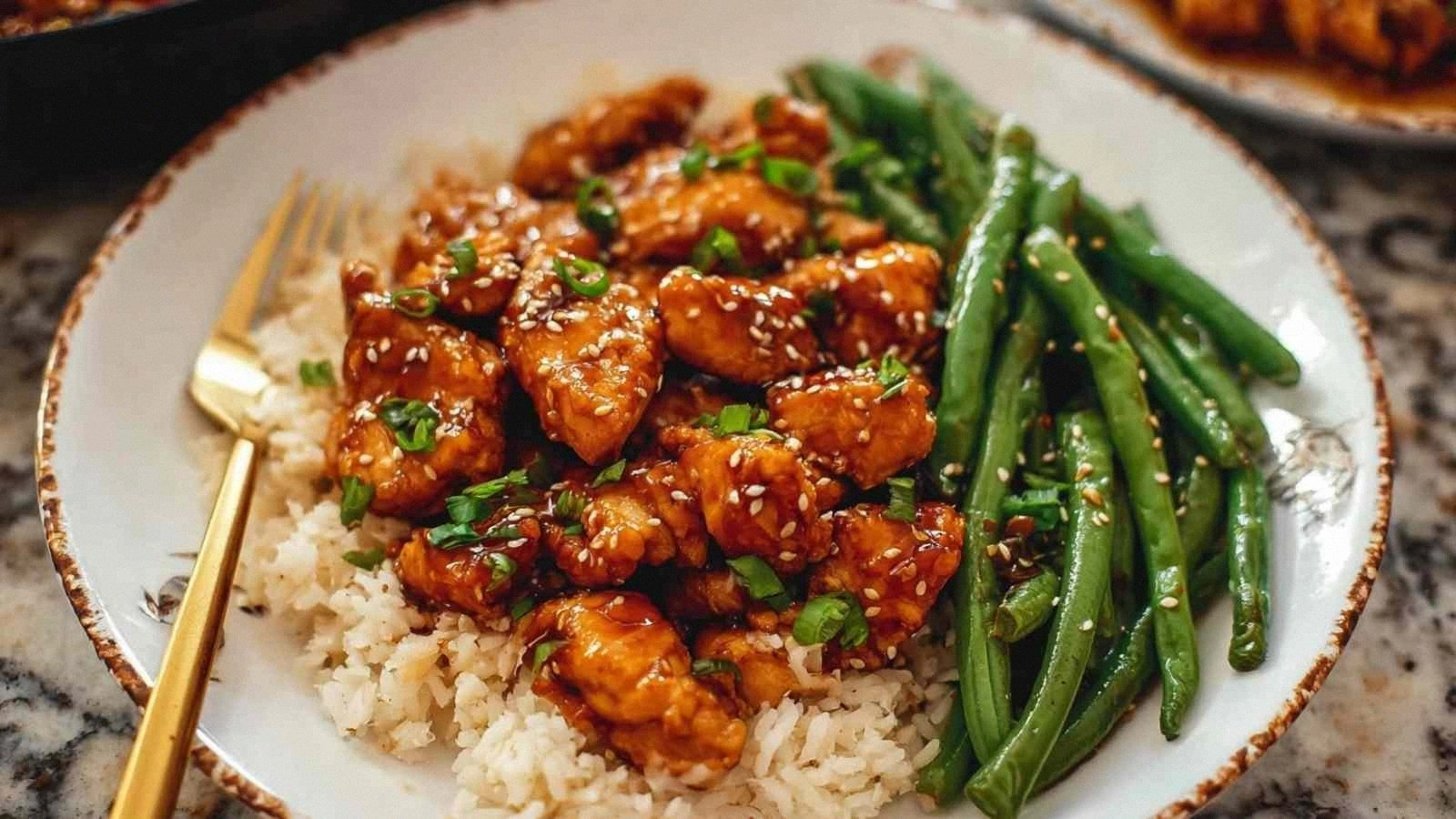
I remember the night I tried to impress my roommate with a fancy dinner, only to end up with a kitchen that looked like a crime scene. The chicken, coated in a bland white batter, came out soggy and flavorless, leaving me with a plate of disappointment and a lingering taste of regret. That disaster sparked a mission: to create the most mouth‑watering Korean fried chicken anyone could ever imagine. I’m talking about a dish where the skin is crisp enough to crackle like a fresh snowflake, while the meat inside is juicy and tender, all wrapped in a sauce that clings like velvet. If you’ve ever felt the sting of a failed attempt, this recipe is your redemption story.
Picture yourself standing in a dim kitchen, the air thick with the scent of garlic, soy, and a hint of sweet honey. The sound of the skillet sizzling is a drumbeat that signals the beginning of flavor fireworks. You can taste the anticipation already— the promise that each bite will be a burst of umami, heat, and a subtle, lingering sweetness that lingers on the tongue. The texture is a game‑changer: the outer shell is a crunchy, golden armor that gives way to a moist, succulent interior that practically melts in your mouth. Every element is a carefully orchestrated symphony, and you’re the conductor.
What sets this version apart is not just the sauce or the crispy coating; it’s the meticulous layering of flavors and textures that makes this dish stand out from the countless other Korean fried chicken recipes floating around the internet. I’ve tweaked the batter for maximum crunch, incorporated a secret ingredient that elevates the sauce’s depth, and perfected the timing to keep the chicken juicy without compromising the crispness. Most recipes get this completely wrong by either over‑browning the coating or under‑seasoning the meat. Here, every bite delivers the right balance, and it’s so good that I dare you to taste this and not go back for seconds.
By the end of this post, you’ll be walking away with a recipe that feels like a personal triumph. I’ll walk you through every single step, from selecting the perfect chicken to mastering the sauce that coats the skin like a glossy, caramelized glaze. I’ll share the hacks that keep the coating light and the meat tender, and I’ll give you insider tips that will make your kitchen smell like a Korean barbecue joint. Ready to transform your dinner routine? Let’s dive in.
What Makes This Version Stand Out
- Flavor: A sauce that balances sweet, salty, and spicy notes, with a subtle umami depth that lingers on the palate.
- Texture: A double‑coated crust that delivers an audible crunch before dissolving into a silky glaze.
- Ease: A straightforward prep that takes no more than 15 minutes, with no complicated steps.
- Versatility: Works for wings, drumsticks, or thighs—any cut you prefer.
- Crowd‑Pleaser: Even the most skeptical foodie will beg for seconds after the first bite.
- Ingredient Quality: Uses fresh, high‑quality staples that elevate the dish beyond the ordinary.
- Method: Combines a dry rub, a quick marination, and a two‑stage frying process for optimal results.
- Make‑Ahead: The sauce can be prepared in advance, and the coated chicken can be frozen for later use.
Inside the Ingredient List
The Flavor Base
Gochujang, the Korean chili paste, is the heart of this sauce. It brings a deep, fermented heat that’s both spicy and savory. If you can’t find gochujang, a blend of Korean chili flakes, soy sauce, and a dash of sesame oil will work, but the flavor profile will be slightly lighter. The more you let it sit, the richer it becomes—think of it as a slow‑cooked stew of flavor.
Soy sauce provides that essential umami backbone. It balances the sweetness from honey or brown sugar, and it helps the coating adhere better to the chicken. Opt for low‑sodium if you’re watching your salt intake; you can always add a pinch more later. The key is to let the soy sauce soak into the meat before you start the coating process.
Honey or brown sugar adds a caramelized sweetness that caramelizes on the surface during frying. This subtle sweetness counterbalances the heat of the gochujang and creates a glossy finish. If you prefer a less sweet version, replace honey with a small amount of maple syrup or even a splash of rice vinegar to keep the acidity balanced.
The Texture Crew
Flour and cornstarch form the crispy coating. The flour gives structure, while the cornstarch adds a lightness that keeps the crust from becoming heavy. Mix them with a pinch of baking powder to introduce a tiny amount of lift, ensuring each bite has that satisfying crunch.
Eggs act as a binder, helping the coating stick to the chicken and forming a barrier that traps moisture inside. Whisk the egg with a splash of water to create a smooth, thin mixture that spreads easily over the meat. This step is critical for a uniform coating that doesn’t crack during frying.
Rice vinegar is a subtle hero; it tenderizes the chicken and adds a bright acidity that cuts through the richness. A tablespoon or two in the marination phase keeps the meat juicy and infuses it with a faint tang that complements the savory sauce.
The Unexpected Star
Sesame oil is the secret weapon that adds a nutty aroma and depth of flavor. A teaspoon or two brushed over the finished chicken gives it a subtle, toasty finish. If you’re avoiding oil, you can use toasted sesame seeds for a crunchy alternative.
Green onions, chopped finely, provide a fresh, sharp contrast to the rich sauce. Sprinkle them over the final dish for a burst of color and a bright, herbal note that cuts through the heaviness.
The Final Flourish
Sesame seeds add a delightful crunch and nutty flavor. Toast them lightly in a dry pan until fragrant, then sprinkle them on top of the finished dish. They’re not just decorative; they add a textural layer that pairs beautifully with the crispy coating.
A squeeze of fresh lime or a splash of rice vinegar right before serving brightens the dish, giving it a fresh, zesty lift that elevates every bite. This final touch is often overlooked but can transform a good dish into a great one.
Everything's prepped? Good. Let's get into the real action.
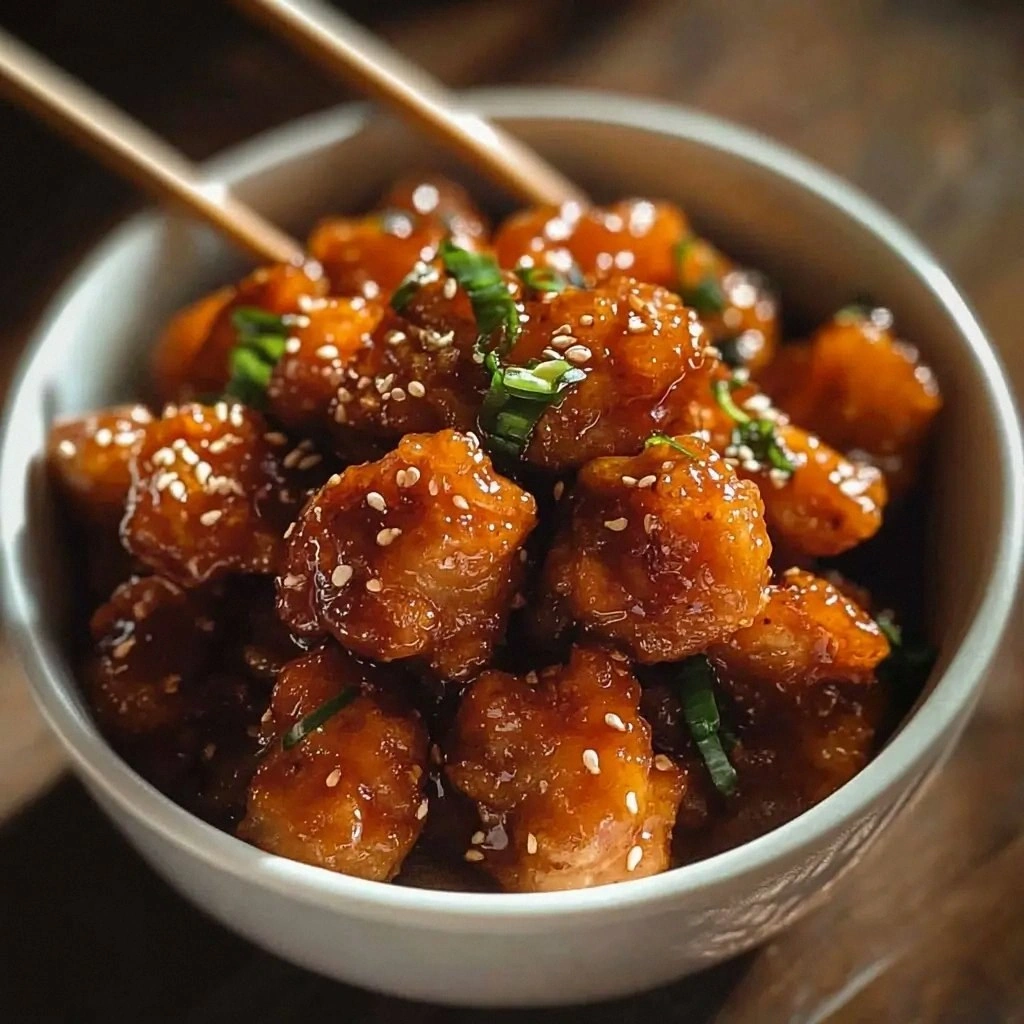
The Method — Step by Step
- First, trim any excess fat from the chicken pieces and pat them dry with paper towels. This step ensures the coating adheres properly and prevents steam from forming during frying. Let the chicken sit at room temperature for about 10 minutes; this helps it cook evenly.
- In a medium bowl, whisk together the soy sauce, rice vinegar, gochujang, honey, and a splash of sesame oil. This creates the sauce base that will coat the chicken. Taste the mixture; if you prefer it spicier, add a pinch more gochujang.
- Marinate the chicken in the sauce for at least 30 minutes, turning occasionally. This allows the flavors to penetrate deeply and tenderizes the meat. If you’re short on time, a 15‑minute quick marinate will still deliver great results.
- While the chicken is marinating, prepare the coating mixture: whisk the flour, cornstarch, baking powder, salt, and pepper in a shallow dish. In a separate bowl, beat the egg with a tablespoon of water to create a thin, smooth batter.
- Remove each chicken piece from the marination liquid, letting the excess drip off. Dredge the piece in the dry flour mixture, then dip it into the egg batter, and finally coat it again in the flour mixture. This double‑coating technique ensures a thick, crunchy shell.
- Heat a deep skillet or Dutch oven with enough oil to cover the chicken pieces about half an inch deep. Use a thermometer; the oil should reach 350°F (175°C). A quick test: drop a small crumb of bread into the oil; if it sizzles immediately and turns golden, the oil is ready.
- Carefully place the coated chicken into the hot oil, working in batches to avoid overcrowding. Fry for 5–7 minutes on each side, or until the coating is golden brown and the internal temperature reaches 165°F (74°C). The chicken should emit a comforting, toasty aroma.
- Once fried, transfer the chicken to a wire rack set over a sheet of parchment paper. This allows excess oil to drain and keeps the coating crisp. Let the chicken rest for a few minutes before tossing it in the remaining sauce.
That's it — you did it. But hold on, I've got a few more tricks that'll take this to another level.
Insider Tricks for Flawless Results
The Temperature Rule Nobody Follows
Many cooks believe that higher heat always yields crispier chicken, but that’s a myth. The secret is to maintain a steady 350°F. If you go higher, the coating will burn and the meat will stay under‑cooked. Use a deep‑fry thermometer and keep an eye on the oil temperature throughout the frying process.
Why Your Nose Knows Best
The aroma of the frying oil is a reliable indicator of doneness. When the oil emits a nutty, toasted scent, the coating is golden and ready. If you smell a burnt or rancid odor, the oil is too hot. Trust your senses; they’re your best quality control.
The 5-Minute Rest That Changes Everything
After frying, let the chicken rest on a wire rack for exactly five minutes. This allows the steam to escape, preventing sogginess. It also lets the sauce settle, creating a more cohesive flavor profile.
The Double‑Coat Technique
The double coating isn’t just for show; it creates layers that puff up during frying, giving that signature crunch. Skipping it will result in a thinner, less satisfying crust. Even if you’re short on time, a quick double coat is worth the extra effort.
The Quick Marinate Trick
If you’re pressed for time, a 15‑minute quick marinate can still infuse the chicken with flavor. Just make sure to pat the pieces dry afterward to allow the coating to stick properly. The shorter marinate won’t hurt the texture, but it will still add depth.
Creative Twists and Variations
This recipe is a playground. Here are some of my favorite ways to switch things up:
Spicy Garlic Kick
Swap out the standard sauce for a mixture of gochujang, minced garlic, and a splash of sriracha. The garlic adds a smoky depth, while the sriracha elevates the heat. This version is perfect for those who love an extra punch.
Honey‑Sesame Glaze
Replace the gochujang with a honey‑sesame glaze made from honey, sesame oil, soy sauce, and a touch of rice vinegar. The result is a sweet, nutty coating that pairs wonderfully with a side of pickled radish.
Crispy Parmesan Crust
Mix grated Parmesan cheese into the flour and cornstarch coating. The cheese adds a savory umami layer and a slightly crunchy texture that’s a delightful twist on the classic.
Korean BBQ Marinade
Marinate the chicken in a mixture of bulgogi sauce and a splash of Korean rice wine. The result is a sweet, smoky flavor profile that feels like a Korean BBQ experience.
Low‑Carb Version
Use almond flour instead of regular flour for a low‑carb, gluten‑free version. Pair it with a sugar‑free gochujang blend to keep the flavor profile intact without the extra carbs.
Vegetarian Twist
Swap chicken for tofu cubes or tempeh, marinate in the same sauce, and coat with the flour mixture. Fry until crispy, and you’ll have a plant‑based version that still delivers the iconic Korean fried chicken flavor.
Storing and Bringing It Back to Life
Fridge Storage
Store leftover chicken in an airtight container in the refrigerator for up to 3 days. Keep the sauce separate to prevent the coating from becoming soggy. Reheat in the oven at 375°F for 10 minutes to restore crispness.
Freezer Friendly
Freeze the fried chicken in a single layer on parchment paper before transferring to a freezer bag. Store for up to 2 months. Thaw overnight in the refrigerator, then reheat in the oven or skillet to bring back the crunch.
Best Reheating Method
The secret to reheating is a quick blast of heat. Use a toaster oven or a skillet on medium heat for 3–5 minutes, turning once. Add a splash of water before reheating to create steam, which helps the coating stay moist and crispy.