Picture this: a midnight snack attack, the kitchen lights flickering like a neon sign, and you, standing in front of a skillet, daring a friend to taste your creation. I was chasing a craving that had me scrolling recipes for hours, when suddenly a stray clove of garlic slipped into my hand, and the rest of the ingredients whispered, “Let’s do this.” I was on a mission to turn a simple chicken dish into a flavor fireworks display that would make even the most seasoned foodie say, “I dare you to taste this and not go back for seconds.”
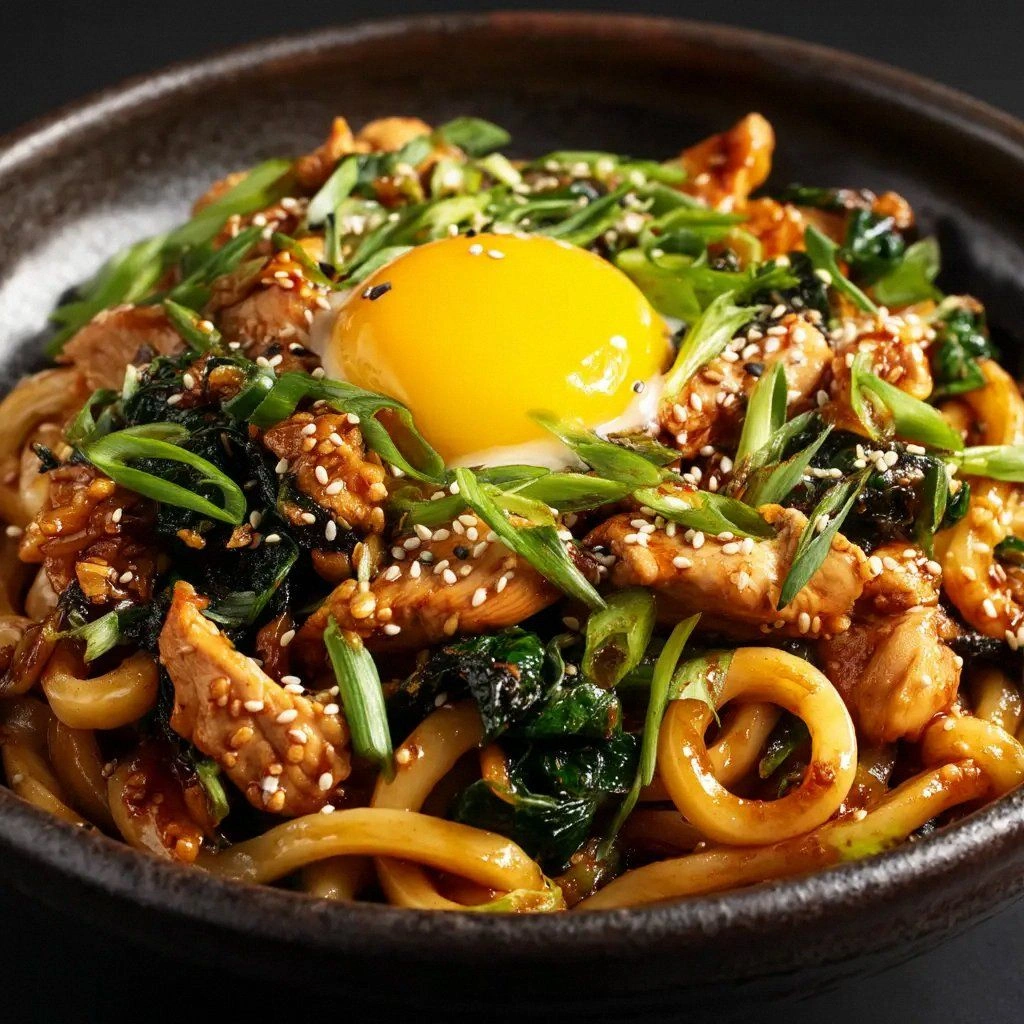
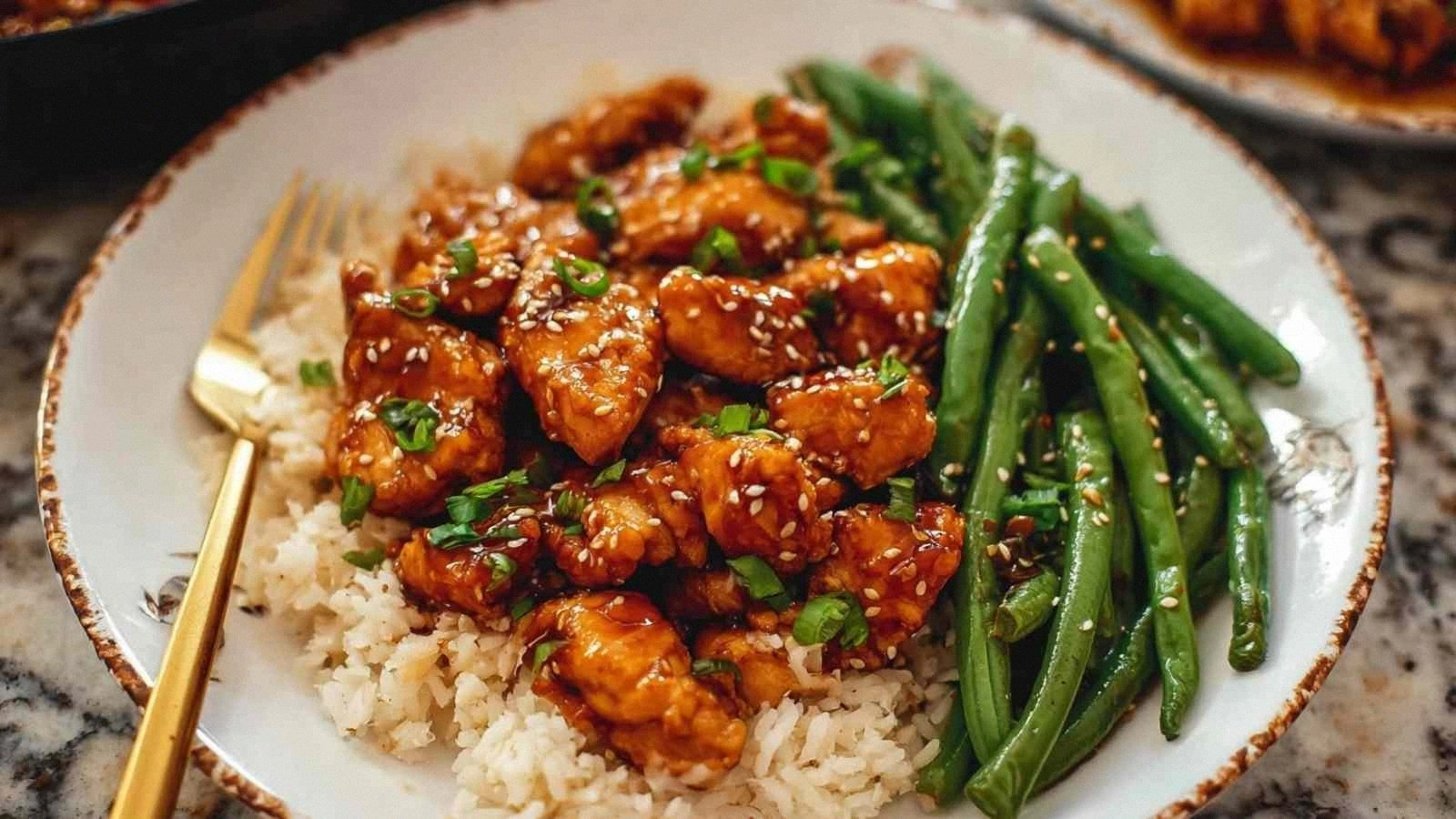
Sound the alarm: the sizzle that erupts when the first chicken piece hits the pan is like a drumroll announcing the arrival of a show‑stopping performance. The aroma of caramelized garlic and honey drizzles through the air, mingling with the sharp, fresh scent of green beans, creating a symphony that makes your taste buds dance. The texture? A perfectly seared crust that gives way to juicy, tender meat, all wrapped in a glossy, silky glaze that clings to every bite. And the green beans? They’re bright, crisp, and peppered with a hint of sesame that adds a satisfying crunch.
Why this version is a game‑changer: I’ve spent years tweaking chicken recipes, and this one finally hits every sweet spot—sweet, savory, and a touch of umami that feels like a hug in a bowl. The secret? A dual-thickening technique using arrowroot powder, which gives the sauce a velvety sheen without the heaviness of flour or cornstarch alone. The balance of honey and soy creates a glaze that’s both glossy and sticky, while the ginger adds a subtle warmth that cuts through the sweetness. It’s the kind of dish that turns a simple dinner into a crowd‑pleaser, and it does so in a fraction of the time most people expect.
Hold onto your apron: there’s a twist you won’t expect—a splash of sesame seeds that adds a nutty undertone and a pop of color. And if you’re thinking “I can’t keep up with all these steps,” think again—each step is a building block that leads to a final plate that looks as good as it tastes. I promise, by the end of this guide you’ll wonder how you ever made it any other way. Let me walk you through every single step — by the end, you’ll wonder how you ever made it any other way.
What Makes This Version Stand Out
- Taste: The honey glaze coats the chicken like a caramelized blanket, while the soy and ginger provide depth that keeps the dish from feeling one‑dimensional. Each bite offers a layered flavor profile that dances across the palate.
- Texture: The double use of arrowroot powder creates a silky sauce that clings to the chicken and beans, yet the chicken itself remains juicy and the beans stay crisp with a gentle crunch.
- Simplicity: With just 17 ingredients and a streamlined process, you can whip up a restaurant‑level dish in under an hour. No fancy equipment, just a skillet and a saucepan.
- Uniqueness: The combination of sesame seeds, green onions, and a touch of grated ginger gives this recipe a distinctive Asian flair that sets it apart from generic chicken‑and‑vegetable dishes.
- Crowd Reaction: Friends and family rave about the glossy glaze and the contrast between the sweet and savory. It’s the kind of dish that gets second servings without a second request.
- Ingredient Quality: Using fresh, high‑quality chicken breasts and fresh green beans ensures the dish is not only tasty but also wholesome.
- Cooking Method: Sautéing first for a caramelized crust, then simmering in a sauce that thickens quickly, keeps the process efficient and the flavor deep.
- Make‑ahead Potential: The glaze can be prepared in advance and reheated with the chicken, making it an excellent option for busy weeknights or meal prep.
Alright, let's break down exactly what goes into this masterpiece...
Inside the Ingredient List
The Flavor Base
Honey is the sweet heart of the dish, caramelizing into a glossy glaze that clings to every surface. When heated, it releases a subtle, buttery aroma that signals the dish is about to shine. If you skip honey, the sauce becomes thin and loses its signature sweetness; the result is a bland, sauce‑less chicken that feels underwhelming. Swap honey for maple syrup or agave nectar for a slightly different sweetness profile, but keep the ratio the same to maintain balance.
Low‑sodium soy sauce introduces umami and saltiness that counterbalances the honey. It also lends a deep, savory color to the glaze. Too much soy can overpower the dish, so measure carefully. If you’re sensitive to sodium, use a low‑sodium version or reduce the amount by half and compensate with a splash of water.
Chicken broth adds depth and moisture to the sauce, preventing it from becoming too thick or sticky. The broth’s subtle flavor complements the honey and soy, creating a cohesive taste. If you don’t have broth on hand, replace it with water or a bit of white wine for a different twist.
Garlic (fresh cloves) and ginger bring sharpness and warmth that cut through the sweetness. The fresh garlic delivers a punchy aroma, while the ginger adds a subtle, peppery undertone. If you’re short on fresh ginger, a pinch of ground ginger works, but it won’t have the same bright aroma.
The Texture Crew
Arrowroot powder (both tablespoon and teaspoons) is the secret to a silky, glossy sauce that coats the chicken and beans without being heavy. Arrowroot thickens quickly at low heat and doesn’t cloud the sauce’s color, keeping it visually appealing. If you don’t have arrowroot, cornstarch is an acceptable substitute, but be mindful that it can give the sauce a slightly opaque finish.
Olive oil is used for searing the chicken, giving it a golden crust that locks in juices. The oil’s flavor is subtle but adds a smooth mouthfeel. If you prefer a lighter taste, use canola or grapeseed oil, but the olive oil adds a subtle fruity note.
Sesame seeds provide a nutty crunch that contrasts with the tender chicken and crisp beans. They also add a pop of color that makes the dish visually stunning. If you’re allergic to sesame, omit them; the dish remains delicious.
The Unexpected Star
Green beans are the star of the vegetable world in this recipe. Their bright green color and crisp texture balance the richness of the glaze, adding a refreshing bite. Trim the ends and blanch them briefly before adding to the sauce so they retain their color and crunch. If you’re in season for asparagus or snow peas, feel free to swap them in for a different crunch.
Green onions add a fresh, mild onion flavor that brightens the dish. Their white stems hold a subtle sweetness, while the green tops provide a pop of color and a slight crunch. If you prefer a more pronounced onion flavor, add a splash of minced red onion at the end.
The Final Flourish
Water is added to balance the thickness of the sauce, ensuring it’s not too thick or too runny. A splash of water helps the arrowroot powder dissolve smoothly, preventing clumps. If you prefer a thicker glaze, reduce the water slightly and let the sauce simmer a bit longer.
Salt and pepper are the subtle seasoning that brings all the flavors together. They’re added in small amounts to avoid overpowering the delicate balance of sweetness and umami. Taste as you go; seasoning is key to a harmonious dish.
Everything's prepped? Good. Let's get into the real action...
The Method — Step by Step
- Prep the chicken: Pat the chicken breasts dry with paper towels; this ensures a crisp sear. Season both sides with garlic powder, onion powder, salt, and pepper. Slice into even, bite‑sized pieces, about 1.5 inches long. If you’re short on time, you can leave the breasts whole; just be prepared for slightly uneven cooking.
- Brown the chicken: Heat 1 tablespoon of olive oil in a large skillet over medium‑high heat. When the oil shimmers, add the chicken in a single layer; avoid overcrowding. Let the pieces sear untouched for 2–3 minutes on each side until golden brown. The sizzle is your cue that the Maillard reaction is happening.
- Set aside: Transfer the browned chicken to a plate and cover loosely with foil to keep it warm. The chicken will finish cooking in the sauce, so you don’t need to finish it now.
- Cook the aromatics: In the same skillet, add the remaining tablespoon of olive oil. Toss in the minced garlic and grated ginger, sautéing for 30 seconds until fragrant. The aroma should be sweet and slightly peppery—this is the foundation of the sauce.
- Build the glaze: Add 0.25 cup honey, 3 tablespoons low‑sodium soy sauce, 0.25 cup chicken broth, and 2 teaspoons water. Stir well to combine, scraping up any browned bits from the bottom of the pan. The mixture should bubble gently; this is where the sauce starts to form.
- Thicken the sauce: Sprinkle 1 tablespoon arrowroot powder over the simmering sauce, whisking vigorously to prevent clumps. Let it thicken for 1–2 minutes until glossy and slightly viscous. The sauce should coat the back of a spoon without dripping.
- Return the chicken: Add the chicken back to the skillet, spooning sauce over the pieces. Stir to coat evenly. Let it simmer for 5 minutes so the chicken absorbs the glaze and finishes cooking. The chicken should be tender and the sauce should cling to it.
- Finish with greens: Toss in the trimmed green beans and green onions, then sprinkle 2 teaspoons arrowroot powder (or cornstarch) to thicken the sauce slightly. Cook for an additional 3–4 minutes until the beans are bright green and just tender. Sprinkle sesame seeds on top for a nutty crunch.
- Serve: Plate the chicken and beans, spooning any remaining sauce over the top. Garnish with extra green onions if desired. The dish should look glossy, vibrant, and ready to devour. If you’re serving it with rice or noodles, the sauce will cling beautifully, creating a mouth‑watering experience.
That's it — you did it. But hold on, I've got a few more tricks that'll take this to another level...
Insider Tricks for Flawless Results
The Temperature Rule Nobody Follows
Heat matters: starting with medium‑high heat for the chicken sear ensures a caramelized crust without burning. After searing, reduce the heat to medium to keep the sauce from scorching. A friend once tried to keep the sauce on high and ended up with a burnt glaze that tasted like charcoal. The lesson? Let the sauce simmer gently, and the flavors will meld beautifully.
Why Your Nose Knows Best
Smell the sauce: the moment it starts to bubble, the aroma should shift from sweet to savory. If it smells burnt or metallic, it’s a sign the heat is too high. Trust your nose; it’s the fastest way to catch a cooking mishap before it becomes a disaster.
The 5-Minute Rest That Changes Everything
Let it rest: after removing the dish from heat, let it sit covered for 5 minutes. This allows the sauce to thicken slightly and the flavors to meld. A friend once skipped this step and the sauce was thin; the rest time made all the difference.
Avoiding the Sticky Situation
Use the right thickener: arrowroot thickens at a lower temperature than cornstarch, preventing the sauce from becoming gummy. If you prefer cornstarch, mix it with a little cold water to create a slurry before adding it to the sauce. This ensures a smooth, glossy finish.
The Green Bean Trick
Blanch first: quickly blanch the green beans in boiling salted water for 1 minute, then plunge them into ice water. This stops the cooking process, keeping them bright green and crisp. Skipping this step can result in soggy beans that lose their crunch.
The Final Touch
Sesame seeds: sprinkle them just before serving to preserve their crunch. If you sprinkle them too early, they can absorb moisture and become soggy. This small detail elevates the dish from good to unforgettable.
Creative Twists and Variations
This recipe is a playground. Here are some of my favorite ways to switch things up:
Spicy Sriracha Kick
Add 1 tablespoon of sriracha to the sauce for a fiery punch that pairs perfectly with the sweetness. The heat balances the honey, creating a complex flavor profile that’s sure to excite your taste buds.
Citrus Zest Burst
Replace half the honey with fresh orange juice and add a teaspoon of orange zest. The citrus brightens the dish, giving it a refreshing finish that’s ideal for spring and summer meals.
Pineapple Piney
Stir in ½ cup diced fresh pineapple during the last minute of simmering. The pineapple adds a tropical sweetness and a subtle acidity that complements the honey and soy.
Mushroom Medley
Sauté sliced shiitake or cremini mushrooms with the garlic and ginger. The earthy flavor of mushrooms adds depth and makes the dish hearty enough for a vegetarian main course.
Almond Crunch
Replace sesame seeds with toasted almond slivers for a nutty crunch. Almonds bring a buttery flavor that pairs well with the honey glaze.
Herb‑Infused Finale
Finish the dish with a handful of fresh chopped cilantro or basil. The herbs add a burst of freshness that cuts through the richness of the sauce.
Storing and Bringing It Back to Life
Fridge Storage
Cool the dish completely before transferring it to an airtight container. Store in the refrigerator for up to 3 days. The glaze will thicken slightly, but it remains delicious.
Freezer Friendly
For longer storage, place the dish in a freezer‑safe container and freeze for up to 2 months. When reheating, add a splash of water to loosen the sauce and stir until it reaches the desired consistency.
Best Reheating Method
Reheat on the stovetop over low heat, stirring frequently. A tiny splash of water before reheating helps the sauce steam back to perfection, restoring its glossy sheen.