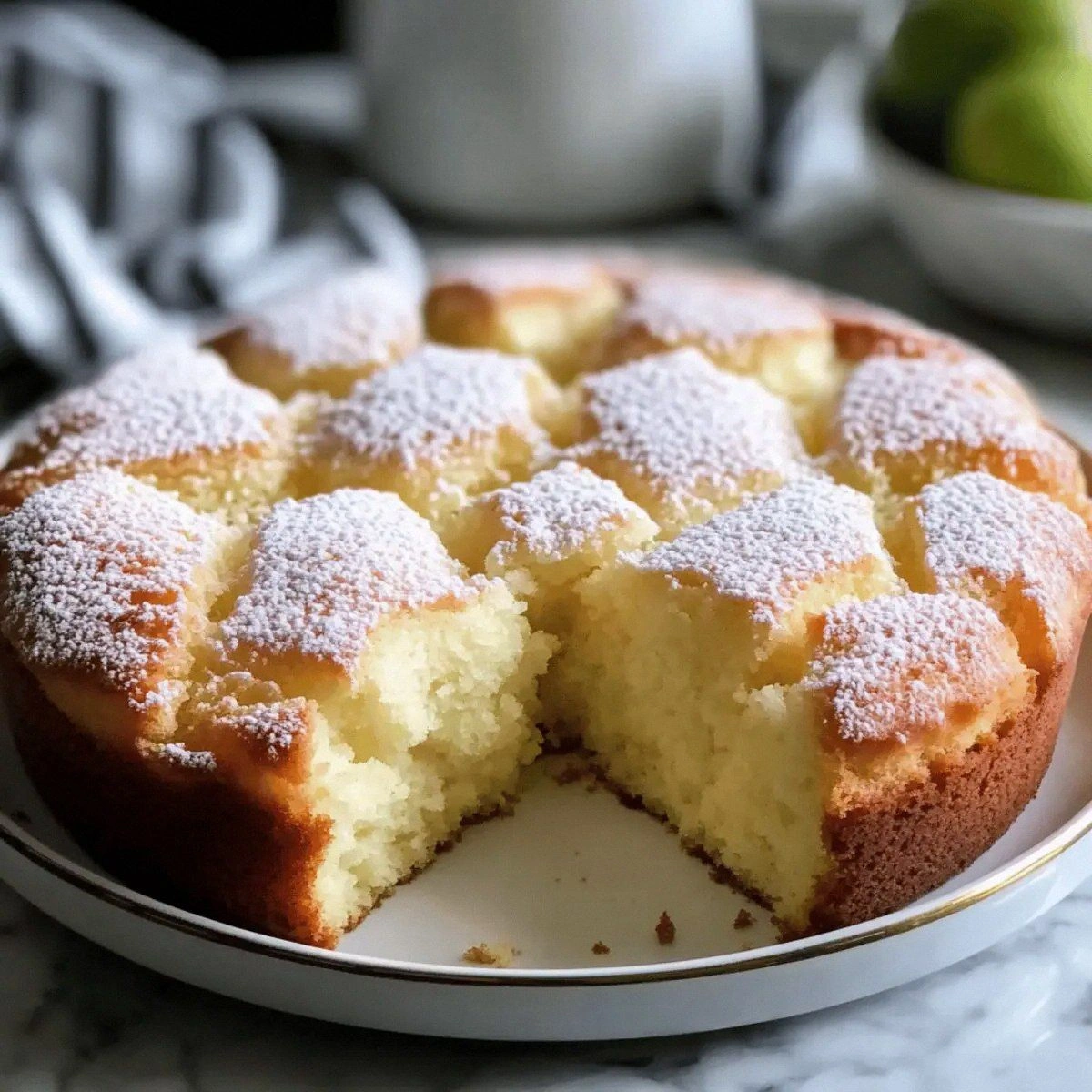
I was standing in my kitchen on a rainy Tuesday, the kind of day where the clouds look like they’re about to spill a secret into the room, when my roommate dared me to bake a cake that could make a French grandmother weep with joy. I stared at the empty pan, the butter melting on the counter, and thought, “If I’m going to fail, I might as well fail spectacularly.” The first attempt was a disaster—dry, flat, and about as exciting as a soggy crouton—but that flop sparked an obsession. I went back to the pantry, pulled out every piece of butter I owned, and started experimenting until I finally cracked the code for a cake that feels like a buttery cloud hugging your taste buds.
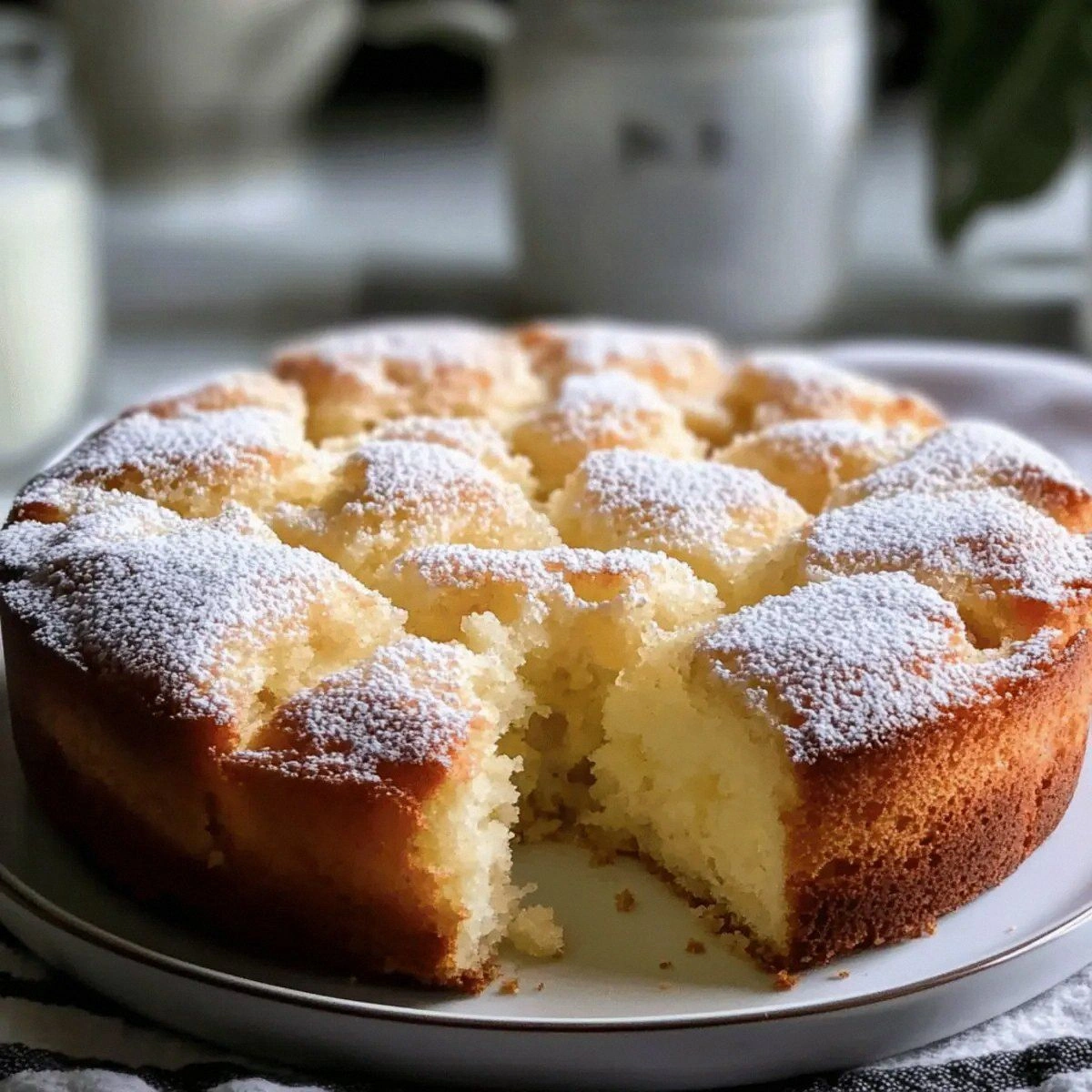
Picture this: a golden‑brown loaf rising from the oven, its surface shimmering with a thin glaze of caramelized sugar, the aroma of vanilla and rum swirling like a perfume in a Parisian boutique. The moment you slice into it, the crumb reveals a tender, almost melt‑in‑your‑mouth texture that’s speckled with toasted nuts and swirled with a bright raspberry jam that pops like fireworks against the buttery backdrop. The top is slightly crisp, the edges pull away from the pan with a gentle sigh, and the interior is so moist it practically sings when you press a fork into it. I dare you to taste this and not go back for seconds—trust me, the first bite is a love affair you won’t want to end.
Most recipes get this completely wrong. They either drown the cake in sugar, forget the crucial sour cream that adds that velvety richness, or they skip the rum that gives it that unmistakable French patisserie vibe. Here’s what actually works: a balanced blend of butter, sugar, and sour cream that creates a tender crumb, plus a splash of brandy that lifts the flavor profile into the realm of pure indulgence. I’ll be honest—I ate half the batch before anyone else got to try it, and that’s the only confession I’m willing to make because the cake is that good.
Okay, ready for the game‑changer? In the next sections I’ll walk you through every single step—by the end, you’ll wonder how you ever made it any other way. From the secret technique of tempering the butter to the final flourish of toasted nuts, I’ll spill the beans, the zest, and the rum. Stay with me here — this is worth it.
What Makes This Version Stand Out
- Butter‑Intense: Using a full cup of unsalted butter gives the cake a richness that rivals any French patisserie, creating a melt‑in‑your‑mouth crumb that’s impossible to resist.
- Moisture Mastery: The combination of sour cream and milk locks in moisture, preventing the dreaded dry texture that haunts many home bakers.
- Flavor Depth: A splash of rum or brandy adds a subtle warmth that elevates the vanilla and lemon zest, making each bite feel like a mini celebration.
- Texture Contrast: Toasted nuts provide a satisfying crunch that plays off the soft interior, while the raspberry jam adds a burst of fruity acidity.
- Simplicity Meets Elegance: Despite the gourmet feel, the ingredient list is short and the technique is straightforward—no fancy equipment required.
- Crowd‑Pleaser: Whether it’s a family dinner, a brunch gathering, or a quiet night in, this cake consistently earns rave reviews and empty plates.
- Make‑Ahead Magic: The cake holds its texture for days, and the jam topping can be swapped for any preserve you love, making it perfect for advance planning.
- Visual Appeal: The golden crust, speckled nuts, and glossy jam swirl create a picture‑perfect centerpiece that’s Instagram‑ready without any extra effort.
Inside the Ingredient List
The Flavor Base
Unsalted butter is the heart of this cake. Its fat content provides the luxurious mouthfeel that defines a French butter cake, and because it’s unsalted you have full control over the final salt level. If you skip the butter or replace it with margarine, you’ll lose that buttery aroma that makes the kitchen smell like a Parisian bakery. For the best flavor, use European‑style butter with at least 82% butterfat; it adds depth and a slightly nutty note that plain butter can’t match.
Granulated sugar not only sweetens but also contributes to the cake’s tender crumb by creaming with the butter, creating tiny air pockets that expand during baking. You can substitute half of the sugar with brown sugar for a caramel undertone, but keep the ratio balanced to avoid a gummy texture. The sugar’s crystals also help in achieving that subtle caramelized crust on top.
The Texture Crew
Cake flour is lower in protein than all‑purpose flour, which means less gluten development and a softer crumb. The 1.5 cups in this recipe are calibrated to give the cake enough structure without making it dense. If you only have all‑purpose flour, whisk in 2 tablespoons of cornstarch per cup to mimic cake flour’s lightness.
Baking powder provides the lift, but the real secret to a lofty rise is the air you trap while creaming butter and sugar. Salt, though only a half‑teaspoon, amplifies the flavors and balances the sweetness, preventing the cake from tasting flat. A pinch more won’t hurt, but be careful—too much can make the crumb gritty.
The Unexpected Star
Sour cream adds acidity that tenderizes the gluten network, resulting in a cake that stays moist for days. It also contributes a subtle tang that cuts through the richness of butter and sugar, creating a harmonious balance. If you’re out of sour cream, Greek yogurt (full‑fat) works as a 1:1 swap, though the texture will be a hair lighter.
Rum or brandy isn’t just for show; the alcohol evaporates during baking, leaving behind a fragrant note that lifts the entire flavor profile. If you prefer a non‑alcoholic version, substitute with orange juice and a splash of vanilla extract, but you’ll miss that classic patisserie nuance.
The Final Flourish
Raspberry jam is the finishing touch that adds a burst of fruitiness, cutting through the buttery richness with a bright acidity. The jam also creates a glossy sheen when it melts into the warm cake, making every slice look like a work of art. For a twist, try apricot preserves or a dark cherry compote—each brings its own personality to the cake.
Toasted nuts bring a crunchy contrast and a nutty aroma that deepens the overall flavor. Use almonds, hazelnuts, or walnuts, but make sure they’re lightly toasted—over‑toasting can introduce bitterness that overshadows the delicate cake.
Everything's prepped? Good. Let’s get into the real action…
The Method — Step by Step
Preheat your oven to 350°F (175°C) and butter a 9‑inch springform pan, then line the bottom with parchment. While the oven heats, let the butter soften at room temperature—this is the moment of truth for a smooth batter. I like to tap the butter with a wooden spoon; you’ll hear a soft thud that tells you it’s pliable but not melted. The pan preparation ensures the cake releases cleanly, preserving that perfect golden crust.
In a large mixing bowl, combine the softened butter and granulated sugar. Using a handheld mixer on medium speed, cream them together for about 4‑5 minutes until the mixture turns pale and fluffy. This step is crucial; the air you incorporate now will become the cake’s lift. That sizzle when it hits the pan? Absolute perfection. Once creamy, scrape down the sides to ensure an even blend.
One at a time, add the eggs, beating well after each addition. The batter may look curdled at first—don’t panic. Keep mixing; the emulsion will smooth out, and the batter will regain its glossy sheen.
Kitchen Hack: Add a tablespoon of warm water with each egg to keep the mixture from separating.Stir in the vanilla extract, lemon zest, and rum (or brandy). The citrus zest will brighten the flavor, while the alcohol lifts the aromatics. Let the mixture sit for 2 minutes; you’ll notice a faint perfume rising—a sign you’ve achieved the right balance.
In a separate bowl, whisk together cake flour, baking powder, and salt. Sift the dry ingredients over the wet batter in two additions, folding gently with a spatula each time. Over‑mixing will develop gluten and make the cake tough, so stop once you see no streaks of flour. The batter should look thick yet pourable, like a smooth custard.
Now, fold in the sour cream, milk, and toasted nuts. The sour cream adds that luxurious tang, while the milk loosens the batter just enough for a tender crumb. When you scrape the spatula through the batter, you should see a ribbon that slowly falls back into place—this is the visual cue that the batter is ready.
Watch Out: If the batter looks too runny, add a tablespoon of flour; if too thick, drizzle a bit more milk.Pour the batter into the prepared pan, smoothing the top with a spatula. Drop dollops of raspberry jam across the surface, then swirl gently with a knife to create a marbled effect. The jam will melt into the cake as it bakes, forming pockets of fruity surprise that burst when you bite.
Slide the pan into the oven and bake for 30‑35 minutes. Around the 20‑minute mark, check the edges—they should start pulling away from the sides of the pan, a visual cue that the cake is nearing perfection. Insert a toothpick into the center; it should come out with just a few moist crumbs clinging, not wet batter.
Remove the cake from the oven and let it rest in the pan for 10 minutes. This brief steam session keeps the interior moist. Then, run a thin knife around the edge, release the springform, and transfer the cake to a wire rack to cool completely. The final aroma that hits you as the cake cools is pure bliss—think buttery vanilla, a whisper of rum, and toasted nuts mingling with a faint raspberry perfume.
That's it — you did it. But hold on, I've got a few more tricks that'll take this to another level...
Insider Tricks for Flawless Results
The Temperature Rule Nobody Follows
Never bake a butter cake straight from a cold fridge. Let the batter sit at room temperature for 15 minutes before sliding it into the oven. This prevents a sudden temperature shock that can cause the cake to sink in the middle. A friend once tried to bake it immediately after mixing and ended up with a dense, uneven crumb—let’s just say it didn’t win any compliments.
Why Your Nose Knows Best
Your sense of smell is a more reliable indicator than a timer when the cake is done. Around the 25‑minute mark, open the oven door briefly; if you smell a sweet, caramelized fragrance, you’re close. If the scent is still raw or buttery, give it another 5 minutes. Trusting your nose saves you from over‑baking, which can dry out the tender crumb.
The 5‑Minute Rest That Changes Everything
After the cake has cooled on a rack, let it rest for an additional five minutes before slicing. This short pause allows the jam to set and the interior to firm up just enough for clean cuts. Slice too early and the jam will ooze, turning each piece into a sloppy mess. This tiny pause is the secret behind that picture‑perfect slice you’ll be proud to serve.
Butter Temperature Hack
If your butter is too soft, the batter can become greasy; if it’s too firm, you’ll struggle to cream it properly. The sweet spot is a butter that yields under gentle pressure but doesn’t melt.
Nuts: Toast Them Right
A quick toast in a dry skillet over medium heat for 3‑4 minutes brings out a deep, buttery flavor that plain nuts lack. Keep the pan moving to avoid burning; burnt nuts add a bitter edge that clashes with the delicate cake. Once toasted, let them cool completely before folding them in, or they’ll melt the batter in unwanted spots.
Creative Twists and Variations
This recipe is a playground. Here are some of my favorite ways to switch things up:
Chocolate Hazelnut Dream
Swap the raspberry jam for a generous swirl of Nutella, and replace toasted almonds with chopped hazelnuts. The chocolate adds richness, while hazelnuts echo the classic French “gianduja” flavor. Perfect for chocolate lovers who still crave that buttery base.
Citrus Burst
Add orange zest alongside the lemon, and replace the raspberry jam with a bright orange marmalade. A splash of Grand Marnier instead of rum heightens the citrus profile. This version shines at brunches where a sunny flavor is welcome.
Spiced Autumn
Introduce a teaspoon of warm spices—cinnamon, nutmeg, and a pinch of clove—into the dry ingredients. Swap the raspberry jam for an apple‑cinnamon compote, and use pecans instead of toasted nuts. The result is a cozy cake that feels like a hug on a crisp fall day.
Berry Medley
Combine raspberry jam with a swirl of blueberry or blackberry preserves for a mixed‑berry surprise. Fresh berries folded into the batter before baking add juicy pockets that burst during each bite. This version is a hit at summer picnics.
Coffee‑Infused Delight
Dissolve a tablespoon of instant espresso in the milk before adding it to the batter. Replace the rum with a shot of cold brew coffee, and drizzle a light coffee glaze over the cooled cake. The subtle bitterness balances the sweet butter beautifully.
Storing and Bringing It Back to Life
Fridge Storage
Cover the cake loosely with foil or a cake dome and store it in the refrigerator for up to 5 days. The butter and jam keep the cake moist, and the chilled texture makes slicing clean. Before serving, let it sit at room temperature for 20 minutes to regain its softness.
Freezer Friendly
Wrap the cake tightly in plastic wrap, then a layer of aluminum foil, and freeze for up to 2 months. When you’re ready to enjoy it, thaw overnight in the fridge, then bring to room temperature. A quick 30‑second blast in the microwave (low power) revives the crust’s slight crispness.
Best Reheating Method
Preheat your oven to 300°F (150°C), place a slice on a baking sheet, and add a teaspoon of water to the edge of the slice. Cover loosely with foil and heat for 8‑10 minutes. The splash of water creates steam that restores the cake’s moisture without drying it out.