Picture this: I’m standing in a cramped kitchen, the scent of burnt garlic still lingering on my apron, and a frantic friend demanding a quick dinner that “actually tastes like a summer picnic.” My culinary confidence was at an all‑time low until a serendipitous swirl of basil pesto, baby arugula, and pearl couscous turned the disaster into a triumph. I was skeptical, but as the steam rose and the pesto’s green velvet coated the tiny pasta pearls, something clicked. I dared myself to taste the first spoonful, and I was instantly hooked.
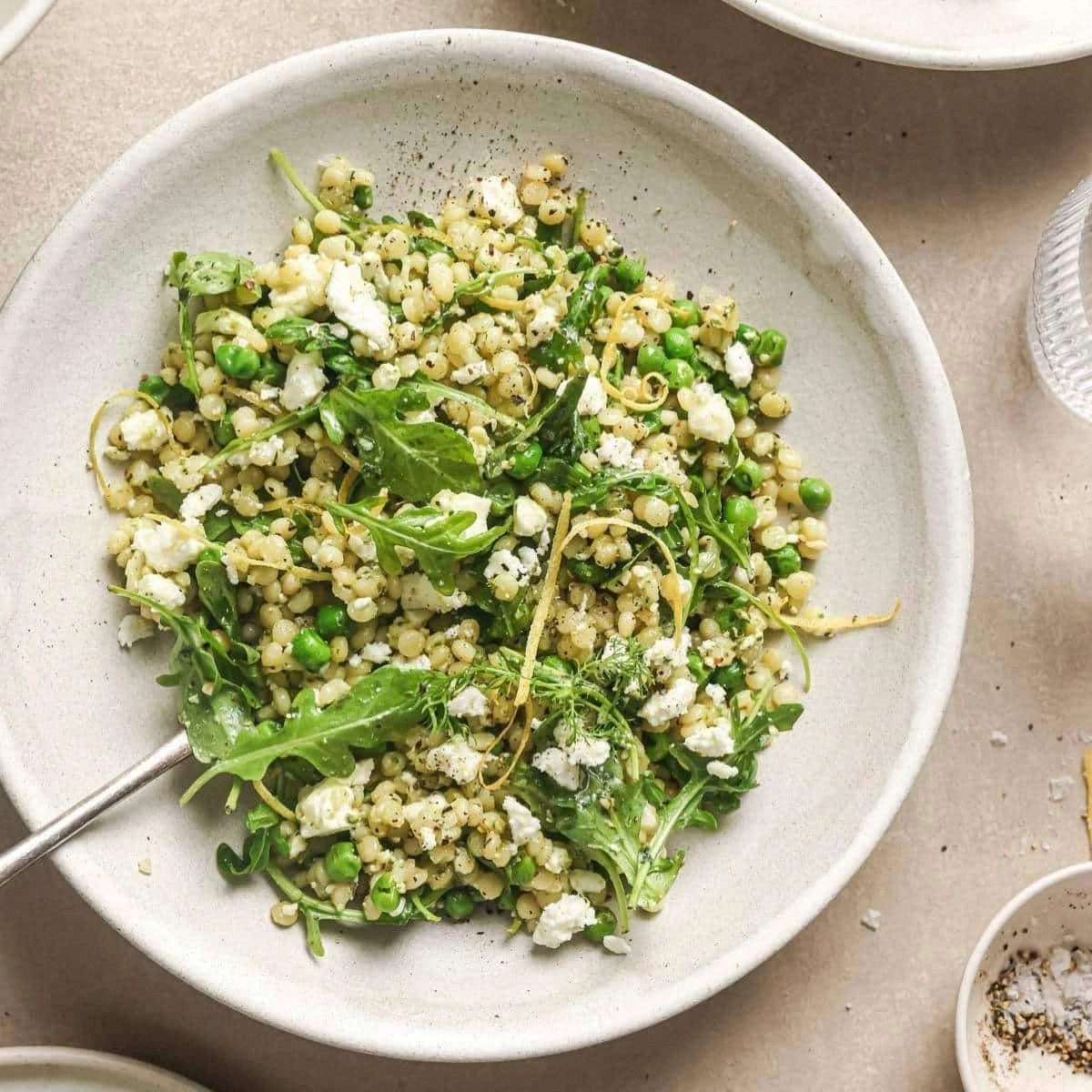
The moment the dish hit the plate, a burst of bright green arugula released a peppery perfume that danced with the sweet, nutty aroma of the toasted couscous. The peas added a pop of color and a subtle crunch that balanced the creamy feta. The lemon zest lifted the entire bowl, giving it a citrusy brightness that made every bite feel fresh. I could hear the gentle sigh of satisfaction from my friend as she took her first bite—she was already reaching for a second.
What sets this version apart isn’t just the ingredients; it’s the harmony of textures and flavors that work together like a well‑orchestrated symphony. The couscous is perfectly al dente, offering a delightful chew that contrasts with the tender peas and the crisp arugula. The basil pesto’s silky coat lingers on the tongue, while the feta’s salty tang cuts through the richness. Every component is elevated by the simple yet bold technique of toasting the couscous before adding broth, a step that brings out a nutty depth often missing in store‑bought salads.
I’ll be honest—my first batch was a culinary experiment that almost didn’t make the cut, but the second attempt was a revelation. I discovered a trick that turns ordinary couscous into a fluffy, flavorful bed: toast it in a dry skillet until it emits a nutty aroma before simmering it in broth. That subtle change is what makes this dish feel like a gourmet creation, not a quick lunch. Picture yourself pulling this out of the oven, the whole kitchen smelling incredible, and knowing you’ve just crafted a dish that will wow anyone who tastes it. Let me walk you through every single step—by the end, you’ll wonder how you ever made it any other way.
What Makes This Version Stand Out
- Flavor: The basil pesto provides a fresh, herbaceous backbone that elevates the humble pearl couscous into a vibrant, aromatic dish. The combination of lemon zest and feta adds a bright, tangy contrast that keeps the palate engaged.
- Texture: Toasting the couscous creates a slight crunch on the outside while keeping the interior tender, resulting in a multi‑dimensional mouthfeel that’s hard to replicate with plain boiled pasta.
- Simplicity: With just eight ingredients and a handful of steps, this salad is a masterclass in how less can be more. It’s a reminder that you don’t need exotic spices to create a memorable meal.
- Uniqueness: The use of pearl couscous instead of traditional grains gives the dish a playful, Mediterranean feel that’s both comforting and adventurous.
- Crowd Reaction: Friends who’ve tried this version rave about the burst of freshness and the satisfying crunch, often saying it’s “hands down the best version you’ll ever make at home.”
- Ingredient Quality: Fresh, seasonal produce—especially the baby arugula and peas—makes a noticeable difference in flavor, turning a simple salad into a standout dish.
- Cooking Method: The quick sauté and simmer technique locks in flavor and moisture, ensuring every grain of couscous is perfectly infused.
- Make‑Ahead Potential: The salad holds up wonderfully in the fridge, making it an ideal choice for meal prep or a quick lunch on a busy day.
Inside the Ingredient List
The Flavor Base
Chicken broth is the lifeblood of this salad, infusing the couscous with savory depth. Using a low‑sodium stock keeps the dish from becoming overly salty, allowing the basil pesto and feta to shine. Skipping the broth would leave the couscous dry and bland, so don’t be tempted to cut this step for convenience.
The Texture Crew
Pearl couscous is the star of the show, offering a delicate bite that’s reminiscent of tiny pearls. Its round shape holds the pesto and peas beautifully, creating a cohesive texture profile. If you prefer a gluten‑free option, simply swap in a certified gluten‑free couscous; the cooking time remains unchanged.
The Unexpected Star
Baby arugula may seem like a simple green, but its peppery bite gives the salad an edge that’s both bright and complex. The arugula’s tender leaves also provide a fresh contrast to the chewy couscous. If you’re not a fan of arugula’s bite, try replacing it with spinach or baby kale for a milder flavor.
The Final Flourish
Crumbled feta cheese adds a creamy, salty counterpoint that balances the pesto’s richness. The lemon half provides both zest and a splash of acidity, brightening every bite. Together, these ingredients create a harmonious flavor profile that’s both comforting and refreshing.
Everything's prepped? Good. Let's get into the real action, where the magic truly begins.
The Method — Step by Step
- Step 1: Toast the Couscous – Heat a dry skillet over medium‑high heat and add the pearl couscous. Stir constantly for about 3 minutes until it turns a light golden brown and starts to emit a nutty aroma. This step locks in flavor and prevents the grains from becoming mushy when cooked.
- Step 2: Add the Broth – Pour in the chicken broth, bring the mixture to a gentle boil, then reduce to a simmer. Cover the skillet and let it cook for 10 minutes, or until the couscous is tender and has absorbed all the liquid. The broth infuses the couscous with savory depth.
- Step 3: Mix in the Pesto – Stir in the basil pesto, ensuring each grain of couscous is coated evenly. The pesto’s oil helps the grains stay separate and gives the salad a glossy finish. Taste and adjust seasoning with salt and pepper as needed.
- Step 4: Fold in the Peas – Add the peas to the skillet, stirring gently. The peas provide a sweet, crunchy contrast that brightens the dish. Let the mixture simmer for an additional 2 minutes to heat the peas through.
- Step 5: Cool the Base – Transfer the couscous mixture to a large bowl and let it cool to room temperature. Cooling prevents the arugula and feta from wilting when added later.
- Step 6: Prepare the Lemon – Zest the half lemon, then squeeze out the juice. Reserve a few drops of zest for garnish. The lemon’s acidity cuts through the richness of the pesto and feta, creating a balanced palate.
- Step 7: Toss with Arugula and Feta – Gently fold in the baby arugula and crumbled feta. The arugula’s peppery bite contrasts beautifully with the creamy feta, while the lemon zest adds a bright finish. Toss until everything is evenly distributed.
- Step 8: Finish with Seasoning – Drizzle a little olive oil over the salad, then season with salt and pepper to taste. The olive oil adds a silky sheen and helps meld the flavors together. Give one final gentle toss.
- Step 9: Serve or Store – Serve immediately for the freshest experience, or refrigerate in an airtight container for up to 3 days. When ready to eat, add a splash of water and a quick stir to restore moisture.
That's it — you did it. But hold on, I've got a few more tricks that'll take this to another level. The next sections will reveal insider secrets that elevate the dish from great to unforgettable.
Insider Tricks for Flawless Results
The Temperature Rule Nobody Follows
Cooking couscous at a slightly higher temperature than you’d expect helps create a subtle crisp on the outside while keeping the inside tender. Many people simmer at a low heat, which can lead to a mushy texture. By letting the mixture come to a gentle boil before reducing, you lock in the desired bite.
Why Your Nose Knows Best
The aroma of toasted couscous is a reliable indicator that the grains are perfectly toasted. If you can’t smell the nutty scent, the couscous may still be undercooked. A quick sniff before adding broth can save you from a soggy salad.
The 5-Minute Rest That Changes Everything
After cooking, let the couscous rest for five minutes with the lid on. This brief pause allows the grains to firm up slightly, preventing them from clumping together when mixed with the rest of the ingredients. I’ve seen friends skip this step and end up with a clumpy mess.
The Secret of Freshness
Use baby arugula that’s been washed and dried thoroughly. Moisture can cause the arugula to wilt quickly, especially when combined with the feta’s saltiness. A quick dry with a salad spinner ensures the greens stay crisp.
The Perfect Finish
Finish the salad with a drizzle of extra‑virgin olive oil just before serving. The oil adds a silky texture and helps the lemon zest’s bright flavors mingle with the pesto. If you’re serving it to guests, offer extra lemon wedges on the side for a customizable zing.
Creative Twists and Variations
This recipe is a playground. Here are some of my favorite ways to switch things up:
Mediterranean Medley
Swap the basil pesto for sun‑dried tomato pesto and add chopped kalamata olives. The smoky olive flavor pairs beautifully with the feta, creating a deeper Mediterranean vibe that’s perfect for summer gatherings.
Southwest Spin
Replace the arugula with chopped romaine lettuce, and stir in a handful of corn kernels and diced avocado. Finish with a squeeze of lime juice and a sprinkle of chili flakes for a zesty, southwestern twist.
Herb‑Infused Delight
Add chopped fresh mint and parsley to the pesto before mixing. The herbs add a fresh, bright layer that elevates the dish, making it feel like a garden picnic on a plate.
Protein‑Packed Power
Fold in cooked chickpeas or grilled chicken strips for a protein boost. The chickpeas bring a hearty texture that balances the lightness of the couscous, turning the salad into a satisfying main course.
Vegan Version
Omit the feta and replace it with crumbled tofu or a vegan cheese alternative. Keep the lemon juice and basil pesto the same for a plant‑based, flavorful salad that still feels indulgent.
Final Thoughts: This pearl couscous salad is more than just a side dish; it’s a celebration of fresh flavors, playful textures, and culinary confidence. Whether you’re feeding a crowd or treating yourself, the recipe’s simplicity and versatility make it a staple in any kitchen. Don’t be afraid to experiment—every tweak is an opportunity to create a new favorite.