I was standing in my cramped kitchen, a pot of overcooked rice, a bag of frozen shrimp, and a half‑finished egg roll that looked more like a sad, soggy pancake. My friend had dared me to turn that disaster into a dish that would make our dinner guests swoon. I stared at the shrimp, imagined them dancing in a sizzling pan, and thought, “Why not give this a fresh, bright twist?” The idea struck like a lightning bolt: a quick, easy shrimp egg foo that would taste like a restaurant staple but could be whipped up in under forty minutes.
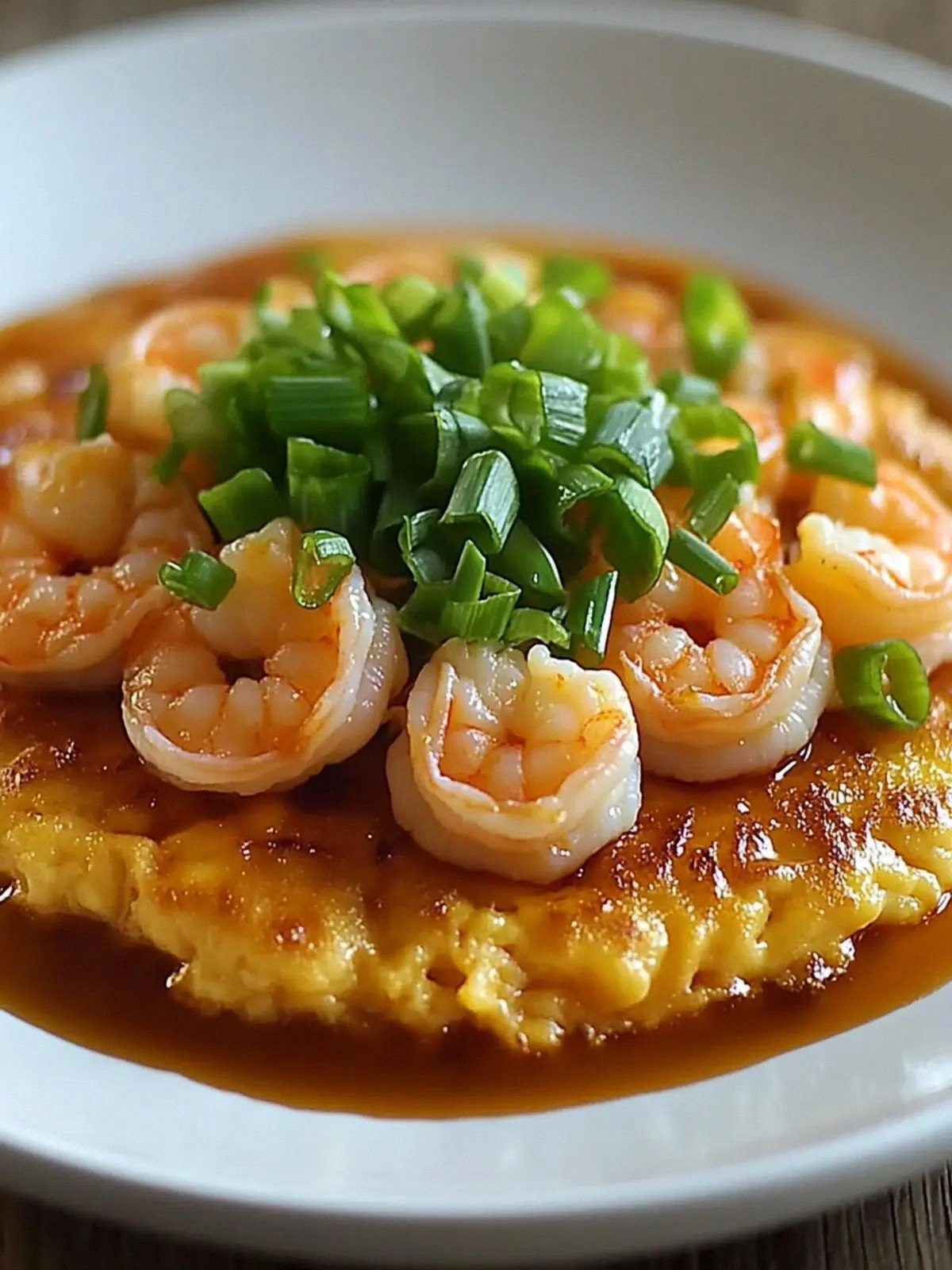
Picture the moment the shrimp hit the hot oil: a satisfying sizzle that turns the air into a fragrant, savory cloud. The aroma of garlic powder and cooking wine mingles with the sweet whisper of sugar, promising a glaze that will coat the shrimp like velvet. As the eggs scramble, they create a silky ribbon that wraps around the shrimp, bean sprouts, and green onions, forming a harmonious texture that is both tender and slightly crunchy. The final splash of soy sauce adds a salty umami punch that lingers on your palate, leaving you craving a second bite.
What sets this version apart is not just the ingredients, but the way they play together. I’ve stripped away unnecessary steps, kept the cooking time short, and introduced a subtle sauce that glazes without sticking. The shrimp are marinated lightly with cornstarch, giving them a crisp edge that shatters like thin ice when you bite. The eggs are folded just enough to keep them fluffy yet integrated. I dare you to taste this and not go back for seconds – the flavor profile is so complete it feels like a culinary revelation.
I’ll be honest – I ate half the batch before anyone else got a chance. Most people think egg foo is a simple scramble, but this is hands down the best version you'll ever make at home. If you've ever struggled with making shrimp that stays moist, you're not alone – and I've got the fix. Stay with me here – this is worth it. Let me walk you through every single step – by the end, you'll wonder how you ever made it any other way.
What Makes This Version Stand Out
- Flavor: The combination of garlic powder, cooking wine, and a touch of sugar creates a glaze that is sweet, savory, and aromatic, turning ordinary shrimp into a gourmet delight.
- Texture: Cornstarch coating gives the shrimp a light, crisp exterior while the eggs remain fluffy, giving every bite a contrast that feels like a dance.
- Simplicity: With only eleven ingredients and a single pan, you can finish this dish in less than forty minutes, making it perfect for busy weeknights.
- Uniqueness: The subtle use of cooking wine adds depth without overpowering, a trick many forget in quick egg foo recipes.
- Crowd Reaction: Friends who try this say it’s the most memorable egg foo they’ve ever had; the sauce coats the veggies like a glossy coat, and the shrimp stay juicy.
- Ingredient Quality: Using fresh, high‑quality shrimp and real soy sauce elevates the dish, making the difference between “good” and “wow.”
- Cooking Method: The quick sear and immediate sauce reduction lock in flavors, preventing the eggs from overcooking.
- Make‑Ahead Potential: Leftovers keep well in the fridge and reheat with a splash of broth, restoring the original moisture.
Inside the Ingredient List
The Flavor Base
The 1 cup of chicken broth is the backbone of the sauce, providing a savory depth that balances the sweetness of sugar and the sharpness of soy sauce. If you skip the broth, the dish will feel flat and the sauce will cling too heavily to the shrimp. A low‑sodium broth is ideal if you want to control the saltiness without compromising flavor. For a vegetarian version, replace broth with a splash of coconut milk for a subtle creamy note.
The 2 tablespoons of cooking wine (or dry sherry) infuse the shrimp with a subtle, earthy aroma that elevates the dish from ordinary to extraordinary. If you’re not a fan of alcohol, a dash of rice vinegar can mimic the acidity and brighten the sauce. Remember, the wine should evaporate quickly; if left too long it can leave a bitter edge.
The Texture Crew
Bean sprouts add a crunchy bite that contrasts with the tender shrimp and silky eggs. They absorb the sauce without becoming soggy, maintaining their fresh snap. If you’re out of sprouts, julienned carrots or thinly sliced bell pepper will add crunch while providing a splash of color.
Green onions contribute a mild onion flavor that layers with garlic powder. The white part is more robust, while the green tops bring a fresh, herbaceous finish. Keep the green tops trimmed but intact; they’re the final flourish that brightens the plate. If you’re allergic to onions, a pinch of chives offers a similar but milder effect.
The Unexpected Star
Eggs are the glue that binds the dish together, creating a silky base that carries the sauce and shrimp. Whisk them lightly before adding to the pan to keep the texture light. Over‑whisking turns them into a dense scramble; aim for a gentle fold. If you’re vegan, a tofu scramble with turmeric can mimic the color and texture.
The 2 tablespoons of cornstarch create a glossy coating on the shrimp that locks in moisture and gives a subtle crunch. It also thickens the sauce as it reduces, giving the dish that silky finish. If you’re avoiding gluten, arrowroot powder works as a substitute. Remember to mix cornstarch with a bit of cold water before tossing the shrimp to prevent clumping.
The Final Flourish
Sugar is the sweet counterbalance to the soy sauce’s saltiness. It caramelizes slightly during cooking, giving the sauce a glossy sheen. Too much sugar can overpower the dish, so keep it to one tablespoon. A pinch of sesame oil added at the end can enhance the nutty aroma for an extra layer of depth.
Everything's prepped? Good. Let's get into the real action.
The Method — Step by Step
- Heat the vegetable oil in a large skillet over medium‑high heat until it shimmers. Toss the shrimp in a bowl with cornstarch, garlic powder, and a pinch of salt; shake off excess. Drop the shrimp into the hot pan in a single layer, letting them sear without stirring for 2 minutes. When the edges begin to brown, flip them gently to finish the sear. The shrimp should be pink and slightly firm, not rubbery. This is the moment of truth – the sear locks in juices and gives that coveted crunch.
- Remove the shrimp and set aside on a plate lined with paper towels. In the same pan, pour in the cooking wine and let it reduce by half, scraping up any browned bits. Add the chicken broth and soy sauce, stirring to combine. Bring the mixture to a gentle simmer; the sauce should thicken slightly and coat the back of a spoon. This reduction is where the flavors fuse, creating a glossy glaze that will cling to the shrimp and veggies.
- Push the pan’s contents to the sides, creating a small well in the center. Crack the eggs into the well and scramble them gently with a spatula. Let them cook until just set, then fold them into the sauce, allowing them to absorb the liquid. The eggs should be fluffy, not dry, and should mingle with the shrimp. This step ensures the dish has a cohesive texture that feels like a single, harmonious bite.
- Add the bean sprouts and green onions to the pan, tossing them with the eggs and shrimp. Cook for 1–2 minutes, just until the sprouts wilt slightly but retain their crunch. Stir in the sugar and a splash of water to loosen the sauce if it’s thickening too much. The final result is a vibrant, colorful dish with a glossy, savory sauce that coats every ingredient.
- Taste the sauce and adjust seasoning – a pinch more salt or a splash more soy sauce can balance the flavors. If the dish feels too thick, stir in a tablespoon of water or more broth. The sauce should be glossy, not syrupy, and coat the shrimp and veggies like velvet. This is the final flourish that turns a simple stir‑fry into a restaurant‑quality plate.
- Serve immediately over steamed rice or chilled noodles. Garnish with extra green onion tops or a drizzle of sesame oil if desired. The dish is best enjoyed hot, with the shrimp still juicy and the sauce shimmering. That sizzle when it hits the pan? Absolute perfection.
That's it — you did it. But hold on, I've got a few more tricks that'll take this to another level.
Insider Tricks for Flawless Results
The Temperature Rule Nobody Follows
Many cooks lower the heat too early, causing the shrimp to steam rather than sear. Keep the skillet at medium‑high until the shrimp begin to brown, then reduce to medium for the sauce reduction. This ensures a crisp exterior and a tender interior. I once tried cooking shrimp at low heat and ended up with a rubbery texture that no amount of sauce could fix.
Why Your Nose Knows Best
The aroma of the sauce is your best indicator of readiness. When the sauce has reduced to a glossy sheen and the smell is sweet‑savory, it’s time to add the veggies. Over‑reducing can lead to a burnt taste, while under‑reducing leaves a watery sauce that clings unevenly. Trust your nose; a well‑reduced sauce will coat the shrimp like a silk scarf.
The 5‑Minute Rest That Changes Everything
Once the dish is plated, let it rest for 2 minutes before serving. This brief pause allows the sauce to redistribute, ensuring every bite is coated evenly. It also gives the shrimp a chance to re‑heat slightly, enhancing their juiciness. I used to serve it immediately and noticed some parts were a little dry; the rest period solved that.
Swap the Shrimp for Chicken or Tofu
If shrimp are out of season or you’re looking for a different protein, try bite‑sized chicken breast or firm tofu. Chicken requires a slightly longer cooking time, but it absorbs the sauce beautifully. Tofu should be pressed to remove moisture before seasoning. Either swap keeps the dish light yet filling.
Add a Splash of Citrus at the End
A squeeze of lime or lemon brightens the dish and cuts through the richness of the sauce. Add it just before serving to preserve the fresh flavor. The citrus also adds a subtle brightness that makes the dish feel lighter, especially on hot summer nights.
Creative Twists and Variations
This recipe is a playground. Here are some of my favorite ways to switch things up:
Thai‑Inspired Chili Shrimp
Add sliced red chilies and a tablespoon of fish sauce to the sauce. The heat pairs with the shrimp’s sweetness, creating a fiery, umami‑rich dish. Serve over jasmine rice for a fragrant finish.
Mediterranean Zesty Twist
Replace soy sauce with a splash of balsamic vinegar and sprinkle dried oregano. The acidity cuts through the richness, giving the dish a Mediterranean flair. Add chopped tomatoes for extra color and freshness.
Vegetarian Egg Foo Delight
Swap shrimp for diced mushrooms and use vegetable broth. Add a handful of spinach for color and nutrition. The earthy mushrooms mimic the shrimp’s umami, creating a satisfying vegetarian option.
Coconut Curry Variation
Incorporate a tablespoon of red curry paste and a half cup of coconut milk. The creamy coconut balances the spicy curry, while the shrimp stays tender. Serve over coconut rice for a complete meal.
Sriracha Sweet Heat
Add a tablespoon of sriracha to the sauce for a sweet‑spicy kick. The heat is tempered by the sugar, creating a balanced flavor profile that excites the palate. This version is perfect for those who love a little burn.
Storing and Bringing It Back to Life
Fridge Storage
Cool the dish to room temperature, then transfer to an airtight container. Store in the refrigerator for up to 2 days. The sauce may thicken slightly, but a splash of water or broth will restore its original consistency.
Freezer Friendly
Divide the dish into single‑serving portions and freeze in freezer‑safe bags. Thaw overnight in the refrigerator before reheating. Reheat on the stove with a splash of water to loosen the sauce; avoid microwaving, which can dry out the shrimp.
Best Reheating Method
Reheat gently over medium heat, stirring occasionally. Add a teaspoon of water or broth to keep the sauce moist. The shrimp will re‑heat without becoming rubbery if you keep the heat low and stir frequently.