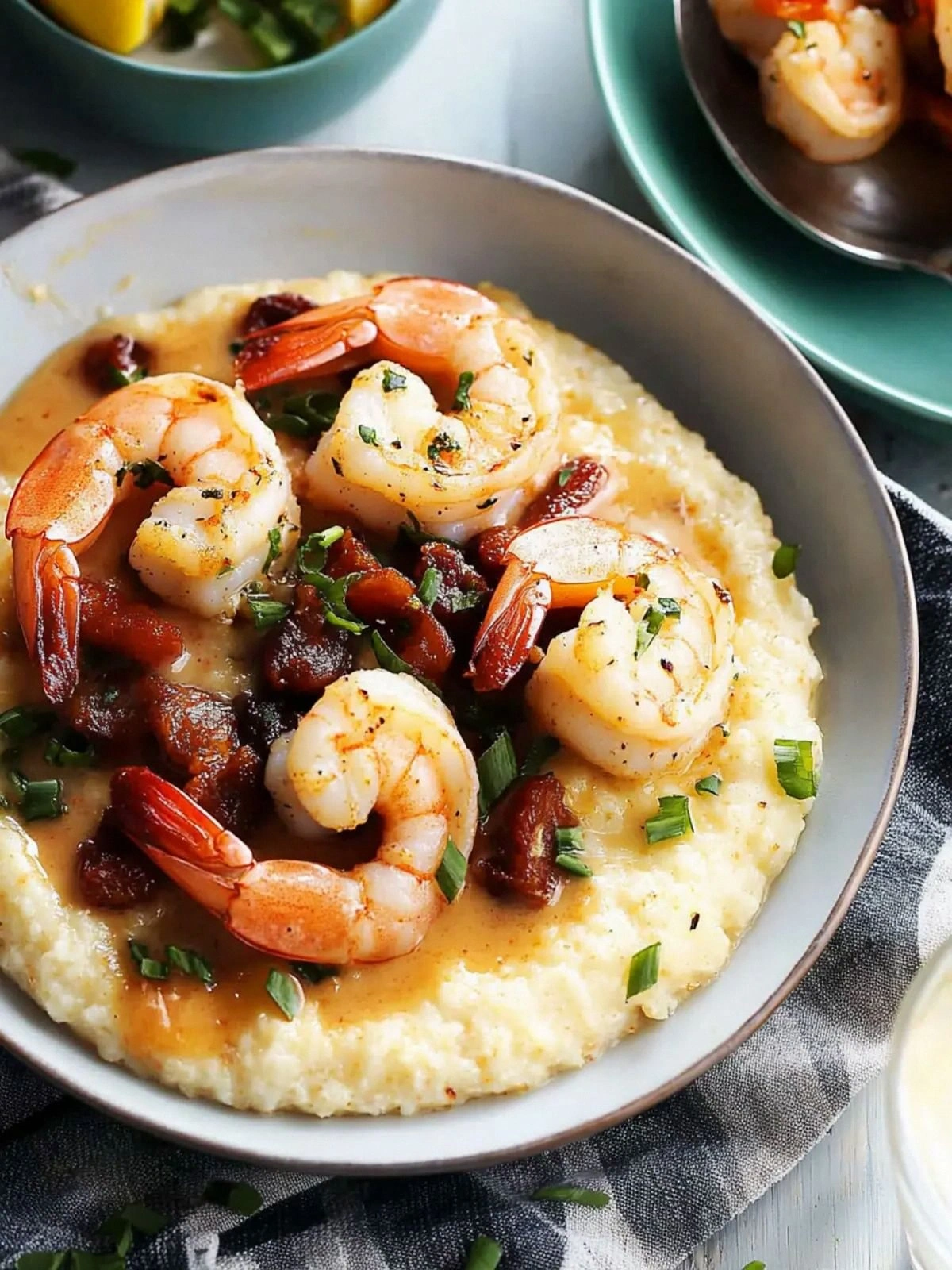
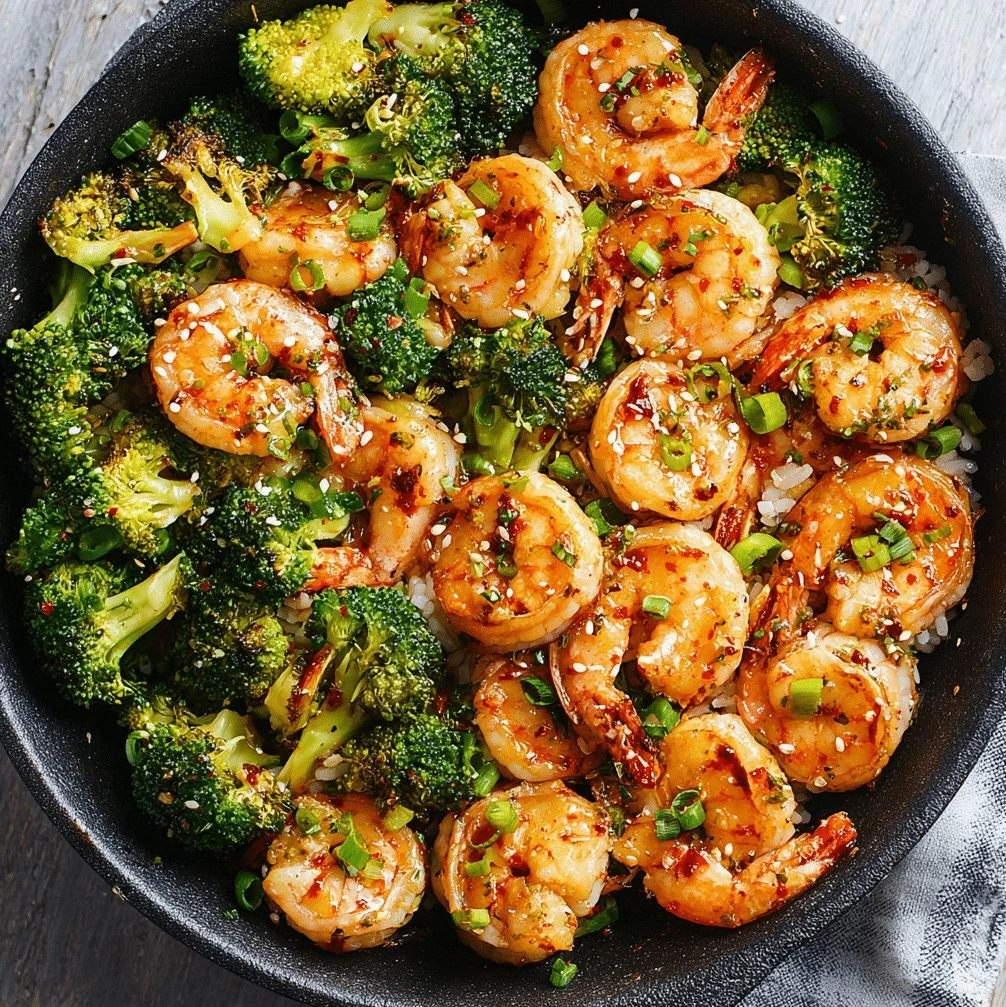
Picture this: a rainy Tuesday, the kind that makes you want to curl up with something comforting, but the fridge is looking at you like a blank canvas. I was scrolling through a half‑finished grocery list, cursing the fact that my usual go‑to was just a sad bowl of spaghetti with store‑bought sauce. Then, out of nowhere, a friend texted me a photo of a plate that looked like a sunset captured in pasta—vibrant red pepper ribbons, glossy shrimp, and a sauce that seemed to shimmer with promise. I stared at that picture for a solid minute, daring myself to recreate it, and I’m going to be honest — I ate half the batch before anyone else got a chance to try it.
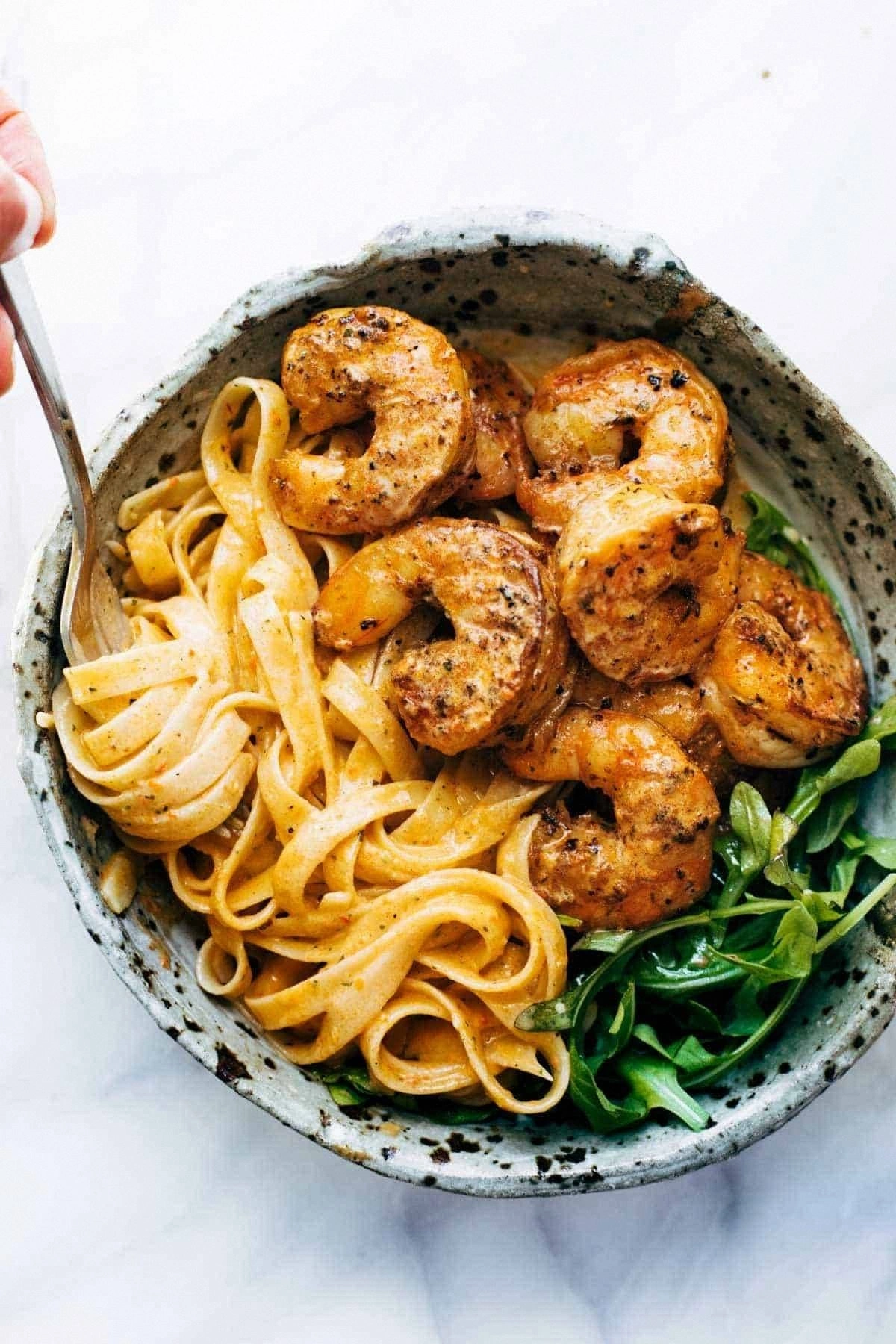
The kitchen was a symphony of sounds that day: the sizzle of olive oil meeting a hot pan, the pop of garlic releasing its perfume, and the faint hiss of the shrimp as they turned pink and slightly caramelized. The aroma of roasted red pepper mingled with a whisper of smoked paprika and the sweet earthiness of fresh basil, making my nose do a little happy dance. When I finally twirled the fettuccine into the sauce, the noodles glistened like satin ribbons, each strand coated in a velvety embrace that clung just enough to keep the flavors in place without turning the whole thing into a greasy swamp.
What makes this version the ultimate red pepper fettuccine? Most recipes either drown the pasta in a watery tomato base or drown the shrimp in a heavy cream that masks the pepper’s bright bite. I took a different route: I roasted the red peppers first, turning them into a sweet, smoky puree that forms the backbone of the sauce. Then I folded in a splash of white wine to lift the flavor, followed by a dash of heavy cream that adds silk without suffocating the pepper’s personality. The result is a sauce that coats the pasta like velvet, while the shrimp stay juicy, each bite delivering a pop of briny oceanic goodness.
Okay, ready for the game‑changer? I’m about to reveal a tiny secret ingredient that most cooks overlook: a pinch of smoked paprika. It adds a subtle depth that makes the sauce feel like it’s been simmering all day, even though the whole thing comes together in under an hour. Let me walk you through every single step — by the end, you’ll wonder how you ever made it any other way.
What Makes This Version Stand Out
- Flavor Explosion: Roasted red peppers give the sauce a sweet‑smoky foundation that’s impossible to replicate with canned tomatoes alone.
- Texture Harmony: The fettuccine’s broad ribbons hold onto the sauce, while the shrimp provide a firm, slightly crisp contrast that shatters like thin ice when you bite.
- Simplicity Meets Sophistication: Only ten core ingredients, yet each one is treated with a technique that elevates the dish to restaurant‑level.
- Unique Ingredient: A dash of smoked paprika adds a whisper of depth that most versions completely miss.
- Crowd‑Pleaser: I dare you to taste this and not go back for seconds; even the pickiest eaters beg for more.
- Ingredient Quality: Fresh shrimp and bright red bell peppers are the stars—no frozen shortcuts here.
- One‑Pan Magic: Most of the cooking happens in a single skillet, cutting down on cleanup and keeping flavors locked together.
- Make‑Ahead Potential: The sauce can be pre‑made and stored, so you only need to boil pasta and sear shrimp when you’re ready to serve.
Inside the Ingredient List
The Flavor Base
Red bell peppers: These are the heart of the sauce. Roasting them brings out a caramelized sweetness that balances the acidity of the wine. Skip them and you end up with a flat, tomato‑only sauce that lacks depth. If you can’t find fresh peppers, fire‑roasted canned ones work in a pinch, but expect a slightly different texture.
Garlic: Minced garlic releases a pungent aroma that instantly makes the kitchen feel alive. Over‑cooking garlic turns it bitter, so keep an eye on the pan. You can substitute roasted garlic for a milder, sweeter note.
Onion: A finely diced onion adds a subtle sweetness that rounds out the pepper’s sharpness. If you’re short on time, use onion powder – just a quarter teaspoon will do.
The Texture Crew
Fettuccine: The wide ribbons are perfect for clinging to the creamy sauce. Over‑cooking makes them mushy, under‑cooking leaves a chewy bite. I always cook them al dente, then finish them in the sauce for that perfect “al dente‑plus” texture.
Shrimp: Fresh, large shrimp give a juicy snap that contrasts the silkiness of the sauce. If you use frozen shrimp, thaw them completely and pat dry; otherwise, you’ll end up steaming them, not searing.
Heavy cream: Adds richness without turning the sauce into a cloying dairy swamp. You can swap half‑and‑half for a lighter version, but expect a slightly thinner coating.
The Unexpected Star
Smoked paprika: Just a teaspoon, and you get a smoky undertone that makes the dish feel like it’s been simmering all day. It’s the secret that separates a good dish from a great one. If you love heat, add a pinch of cayenne alongside.
White wine: The acidity lifts the sauce, preventing it from feeling heavy. Use a dry variety; sweet wine will make the sauce oddly sweet.
The Final Flourish
Fresh basil: Chopped just before serving, it adds a bright, herbal finish that cuts through the richness. If basil isn’t your thing, flat‑leaf parsley works equally well.
Parmesan cheese: A quarter‑cup of freshly grated Parmesan adds a salty, nutty depth. Pre‑grated cheese often contains anti‑caking agents that can affect texture.
Red pepper flakes: A half‑teaspoon gives a gentle heat that dances on the palate. Adjust to taste – or omit if you’re serving kids.
Everything's prepped? Good. Let's get into the real action…
The Method — Step by Step
Preheat your broiler to high and line a baking sheet with foil. Toss the halved red peppers (skin side up) onto the sheet, drizzle with a little olive oil, and pop them under the broiler. Turn every 2‑3 minutes until the skins are charred and blistered all over. This should take about 10 minutes. Watch out: If the peppers burn too quickly, lower the broiler rack a notch.
While the peppers are roasting, bring a large pot of salted water to a boil. Add the fettuccine and cook until just shy of al dente—about 1 minute less than the package suggests. This way, the noodles will finish cooking in the sauce, absorbing its flavor. Drain, reserving 1 cup of pasta water, and set aside.
When the peppers are perfectly blistered, transfer them to a bowl, cover with plastic wrap, and let them steam for 5 minutes. This loosens the skins for easy removal. Peel, seed, and roughly chop the roasted flesh; set aside for later blending.
Heat 2 tablespoons of olive oil in a large skillet over medium‑high heat. Add the shrimp, season with a pinch of salt and pepper, and sear for 1‑2 minutes per side until they turn pink and develop a light golden crust. Remove the shrimp and set them on a plate; they’ll finish cooking later in the sauce.
In the same skillet, add a bit more olive oil if needed, then toss in the diced onion. Sauté for 3‑4 minutes until translucent and slightly caramelized. Add the minced garlic and smoked paprika, stirring constantly; you’ll hear that satisfying sizzle that tells you the aromatics are waking up.
Deglaze the pan with ½ cup of dry white wine, scraping up any browned bits from the bottom. Let the wine reduce by half, which should take about 2‑3 minutes. This concentrates the flavor and eliminates any raw alcohol taste.
Now comes the magic. Add the roasted red pepper chunks to a high‑speed blender with 2 tablespoons of tomato paste, 1 cup of heavy cream, and ½ teaspoon of red pepper flakes. Blend until silky smooth. If the sauce feels too thick, thin it with a splash of the reserved pasta water.
Return the blended sauce to the skillet, lower the heat to medium, and let it simmer for 3‑4 minutes. Stir in the cooked fettuccine, tossing to coat every ribbon. If the sauce looks too thick, add a ladle of pasta water until it reaches a glossy, clingy consistency. Add the seared shrimp back in, letting them warm through for another minute.
Finish with a generous handful of freshly grated Parmesan and the chopped basil. Give everything a final toss, taste, and adjust salt, pepper, or extra red pepper flakes as needed. Serve immediately, letting the steam carry the aroma of roasted pepper and fresh herbs across the table.
That's it — you did it. But hold on, I've got a few more tricks that'll take this to another level, especially if you want to impress a crowd or prep ahead for a busy week.
Insider Tricks for Flawless Results
The Temperature Rule Nobody Follows
Never add the cream to a scorching pan. Reduce the heat to low before you pour in the heavy cream, then raise it just enough to bring the sauce to a gentle simmer. This prevents the cream from curdling and keeps the sauce silky. I once tried to keep the heat high to “speed things up” and ended up with a grainy mess—lesson learned.
Why Your Nose Knows Best
Your sense of smell is a more reliable indicator than a timer when it comes to the sauce’s readiness. When the sauce starts to emit a fragrant, slightly sweet aroma (that’s the roasted pepper shouting), you know it’s time to add the pasta. Trust that nose; it’s smarter than any kitchen clock.
The 5‑Minute Rest That Changes Everything
After you toss the pasta and shrimp together, remove the skillet from the heat and let it sit for five minutes, loosely covered. This rest allows the pasta to absorb the sauce’s flavors, turning every bite into a harmonious blend. Skipping this step is like serving a song without a bridge—something vital is missing.
Salt at the Right Moment
Season the pasta water heavily—think sea water. This is the first layer of seasoning that will travel into the noodles. Then, taste the sauce after adding the cream and adjust with salt only if needed. Over‑salting later is a common pitfall that makes the dish taste flat.
The Secret of Pasta Water
Always reserve at least a cup of the starchy pasta water. The starch acts as a natural thickener, helping the sauce cling to each strand without becoming gluey. Add it a tablespoon at a time, stirring, until you reach that perfect glossy sheen that makes the dish look restaurant‑ready.
Creative Twists and Variations
This recipe is a playground. Here are some of my favorite ways to switch things up:
Smoky Chipotle Kick
Swap the smoked paprika for ½ teaspoon of chipotle in adobo sauce. The result is a smoky, slightly spicy version that pairs beautifully with a squeeze of lime. Great for those who love a southwestern twist.
Creamy Cashew Alternative
For a dairy‑free version, blend ¾ cup soaked cashews with the roasted peppers instead of heavy cream. The sauce stays luscious, and you get a subtle nutty undertone. I’ve served this at vegan potlucks and it disappears in minutes.
Sun‑Dried Tomato Boost
Add ¼ cup chopped sun‑dried tomatoes to the sauce for an umami punch. The tangy notes complement the sweetness of the red peppers and give the dish an unexpected depth.
Pesto Fusion
Stir in a tablespoon of basil pesto right before serving. The pesto adds a fresh, herbaceous layer that brightens the entire plate, making it perfect for spring gatherings.
Spicy Sausage Swap
Replace the shrimp with sliced Italian sausage (mild or hot). The sausage’s fat renders into the sauce, enriching it further, while the pepper‑spice combo remains the star.
Storing and Bringing It Back to Life
Fridge Storage
Transfer leftovers to an airtight container and store in the refrigerator for up to 3 days. Keep the pasta and sauce together; the noodles will continue to absorb flavors, becoming even more tasty.
Freezer Friendly
If you want to freeze, separate the sauce from the pasta. Place the sauce in a freezer‑safe bag (up to 2 months) and the cooked fettuccine in a zip‑top container. When ready, thaw the sauce in the fridge overnight, reheat gently, then toss with freshly boiled pasta.
Best Reheating Method
Reheat on the stovetop over low heat, adding a splash (≈2 tablespoons) of water or broth to restore the sauce’s silkiness. Stir constantly to avoid scorching. Microwaving works in a pinch, but the stovetop gives you that restaurant‑level gloss.