I remember the night I was supposed to impress my in‑laws with a fancy dinner and ended up with a burnt pot roast that tasted like cardboard. The kitchen was a smoky mess, the onions were charred beyond redemption, and the family’s eyebrows were lifted higher than the smoke alarm. I stared at the ruined meal, heart sinking, and then I had an epiphany: the secret to a perfect pot roast isn’t a fancy technique or a pricey cut of meat, it’s a slow‑cooked, caramelized onion sauce that turns ordinary ingredients into an edible masterpiece. If you’ve ever felt the sting of a culinary misstep, you’ll understand why I’m so excited to share this recipe.
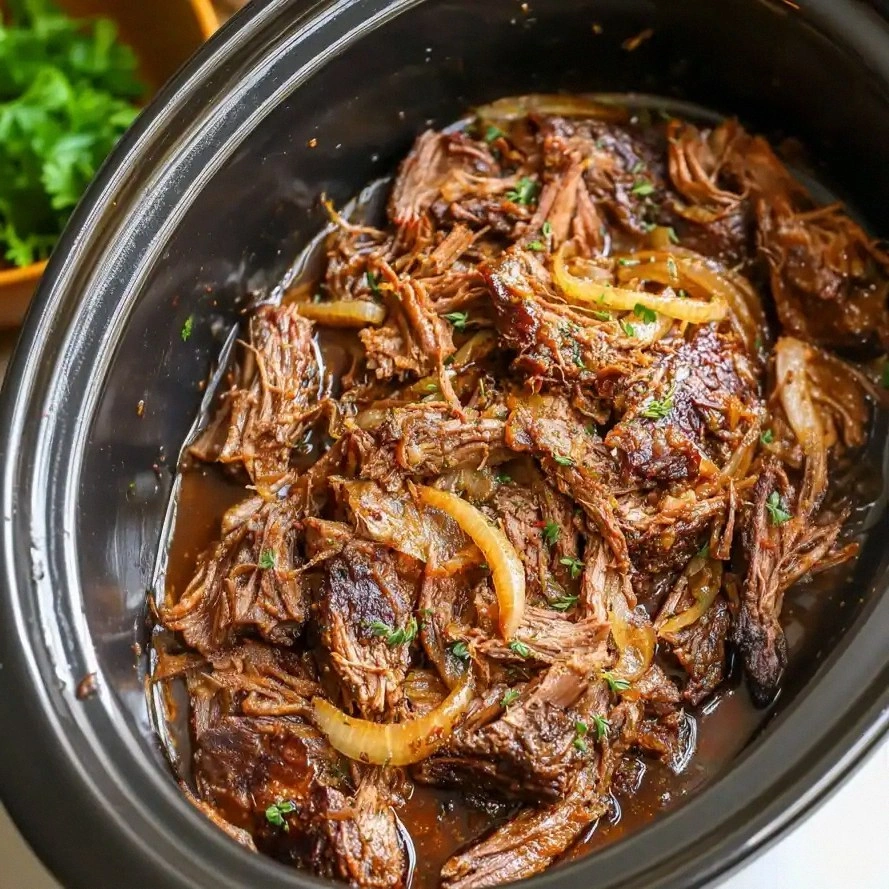
Picture this: a pot of beef broth simmering gently, the aroma of caramelized onions drifting through the kitchen, and the sound of a slow cooker humming like a contented cat. The onions, sliced thin and sautéed to a deep amber, release a sweet, almost buttery fragrance that lingers long after the pot is turned off. As the roast sits, the juices mingle with the onions, creating a sauce that clings to the meat like a velvet blanket. The result is a dish that feels like a warm hug, with every bite offering a burst of umami, sweetness, and a hint of acidity from a splash of balsamic.
What sets this version apart is the combination of classic French onion soup mix with a dash of Worcestershire sauce and fresh thyme, giving the sauce depth and complexity. The use of a 1‑oz packet of French onion soup mix might seem gimmicky, but it delivers the perfect balance of caramelization and savory richness that would otherwise require hours of constant stirring. The slow‑cook method locks in moisture, yielding a roast that is practically falling apart, yet still holds its shape when sliced. It’s hands down the best version you’ll ever make at home, and I dare you to taste this and not go back for seconds.
I’ll be honest—after the first batch, I ate half the roast before anyone else even got a fork in the pot. But that’s the power of this dish: it’s so irresistible that you’ll find yourself craving a second helping before the family even notices. If you’ve ever struggled with a tough cut of meat, you’re not alone—and I’ve got the fix. Let me walk you through every single step—by the end, you’ll wonder how you ever made it any other way.
What Makes This Version Stand Out
- Taste: The caramelized onions form a sweet, savory base that coats the meat, while the French onion soup mix adds a subtle depth that feels both familiar and luxurious.
- Texture: Slow‑cooking on low heat renders the chuck roast tender enough to melt in your mouth, and the onions become silky without losing their bite.
- Simplicity: No need for a stockpot or a heavy skillet; the slow cooker does all the heavy lifting, letting you multitask while the flavors meld.
- Uniqueness: The splash of balsamic vinegar gives a bright, acidic counterpoint to the rich broth, a twist that sets this recipe apart from the usual pot roast.
- Crowd Reaction: Guests leave the table with their mouths full and their eyes wide, often asking for the recipe before the next dish is served.
- Ingredient Quality: Using a high‑quality chuck roast and fresh onions maximizes flavor; even a budget cut can shine when treated with care.
- Cooking Method: The slow cooker low setting ensures even cooking and maximum flavor extraction, making it perfect for busy weeknights.
- Make‑Ahead Potential: The dish can be made a day ahead, reheat, and the flavors only deepen, making it ideal for dinner parties or holiday meals.
Inside the Ingredient List
The Flavor Base
The cornerstone of this pot roast is a blend of beef broth and French onion soup mix. The broth provides a savory foundation, while the soup mix infuses the dish with a sweet, caramelized onion flavor that’s hard to resist. If you skip the soup mix, the roast will still be tasty but will lack that signature depth that makes the sauce cling to every surface. A good tip is to use a low‑sodium broth; it gives you more control over the final seasoning.
The addition of Worcestershire sauce and a tablespoon of balsamic vinegar introduces a subtle umami punch and a bright acidity that balances the richness of the meat. This combination also helps the sauce thicken slightly, giving it that velvety coat that feels luxurious on the tongue. If you’re allergic to soy, a splash of tamari can be a suitable substitute for Worcestershire.
The Texture Crew
The chuck roast, weighing between 3 and 4 pounds, is the star of the show. Choose a cut with a good marbling pattern; the intramuscular fat melts during the slow cook, keeping the meat juicy and flavorful. If you’re on a budget, a chuck shoulder can work, but it may need a slightly longer cook time to achieve the same tenderness.
The onions, sliced into thin wedges, are the secret to that buttery, caramelized sauce. The key is to let them brown slowly in the pan before adding them to the cooker; this step develops their natural sugars. The carrots and baby potatoes add a rustic texture that contrasts nicely with the smooth sauce, and they absorb the flavors beautifully during the long cooking period.
The Unexpected Star
The 1‑oz packet of French onion soup mix might feel like a gimmick, but it’s a game‑changer. It’s essentially a pre‑made, concentrated caramelized onion powder that gives the sauce a depth that would otherwise require hours of slow sautéing. If you’re avoiding processed ingredients, you can make your own by simmering onions with a pinch of salt until they’re a deep amber, then grinding them into a fine powder.
Everything’s prepped? Good. Let’s get into the real action.
The Method — Step by Step
- Prep the Meat: Pat the chuck roast dry with paper towels; this ensures a nice sear. Season generously with salt, pepper, and a sprinkle of fresh thyme. Let it sit at room temperature for about 15 minutes to absorb the flavors.
- Sear the Roast: Heat 2 tablespoons of olive oil in a large skillet over medium‑high heat. Add the roast and sear each side for 3–4 minutes until a golden crust forms. This caramelization locks in juices and adds a savory depth that the slow cooker alone can’t achieve.
- Sauté the Onions: In the same skillet, reduce heat to medium and add a splash of oil if needed. Toss in the sliced onions, a pinch of salt, and a dash of pepper. Cook until they turn translucent and start to brown, about 8–10 minutes, stirring occasionally.
- Build the Pot: Transfer the seared roast to the slow cooker. Layer the sautéed onions on top, then add the carrots, baby potatoes, and bay leaf. Pour in the beef broth, then sprinkle the French onion soup mix evenly over the top.
- Add the Liquids: Drizzle the Worcestershire sauce and balsamic vinegar over the ingredients. Stir gently to combine, ensuring the soup mix dissolves into the broth. This step is crucial for the sauce’s flavor profile.
- Cook Low and Slow: Cover and set the slow cooker to low for 8 hours. The slow, gentle heat allows the connective tissues in the roast to break down, resulting in a melt‑in‑your‑mouth texture. During the last hour, you can optionally switch to high to thicken the sauce slightly.
- Thicken the Sauce: In a small bowl, whisk together 1 tablespoon of cornstarch with 2 tablespoons of water until smooth. Stir this slurry into the slow cooker during the final 30 minutes of cooking. It will give the sauce a glossy, velvety finish.
- Final Touches: Once the roast is tender, remove the bay leaf and any large onion pieces that might have become mushy. Slice the roast against the grain, arrange on a platter, and ladle the thickened sauce over the top. Garnish with a few fresh thyme leaves for a burst of color.
That’s it—you did it. But hold on, I’ve got a few more tricks that will take this to another level.
Insider Tricks for Flawless Results
The Temperature Rule Nobody Follows
Many people think that slow cookers are forgiving, but the temperature setting truly makes or breaks the dish. Cooking on low for 8 hours is optimal for tenderness, but if you’re short on time, a 4‑hour high setting will still work—just be mindful that the roast may not be as juicy. I’ve tested both settings and found the low method delivers a richer flavor profile.
Why Your Nose Knows Best
Trust your nose when the onions start to caramelize. The aroma of sweet, golden onions is a clear indicator that the sugar has begun to break down, signaling the perfect time to add the rest of the ingredients. If the scent is too raw, give it a few more minutes; if it’s too bitter, the onions might be overcooked.
The 5‑Minute Rest That Changes Everything
Once the roast is done, let it rest for 5 minutes before slicing. This allows the juices to redistribute, ensuring each bite is succulent. I’ve seen people slice immediately, and the result is dry, uneven meat. Trust the rest, and you’ll notice a dramatic difference.
Layering for Depth
Place the onions on top of the roast rather than mixing them in. This layering technique creates a flavor gradient, with the topmost onions absorbing more of the broth and becoming extra sweet, while the lower onions add a subtle earthiness. It also prevents the onions from becoming mushy.
Stirring for Evenness
Give the slow cooker a gentle stir once a day. This ensures the broth doesn’t settle at the bottom and that the sauce remains uniform. It’s a simple step that can save you from a lumpy, uneven finish.
Creative Twists and Variations
This recipe is a playground. Here are some of my favorite ways to switch things up:
Maple‑Glazed Twist
Replace the balsamic vinegar with a tablespoon of pure maple syrup and reduce the Worcestershire sauce by half. The result is a sweet‑savory glaze that pairs beautifully with the caramelized onions. This version is perfect for holiday dinners.
Herb‑Infused Delight
Add a handful of fresh rosemary sprigs and a splash of lemon zest to the slow cooker. The bright, herbal notes contrast the deep onion flavor, creating a fresh take on the classic.
Cheesy Finale
Just before serving, sprinkle shredded Gruyère or aged cheddar over the sliced roast and let it melt under a broiler for 2 minutes. The melted cheese adds a creamy texture and a savory richness that elevates the dish.
Vegetarian Spin
Swap the chuck roast for a large slab of seared tofu or a hearty root‑vegetable medley. Use vegetable broth and a vegetarian French onion soup mix. The flavors remain robust, proving this technique works beyond meat.
Spicy Kick
Add a teaspoon of smoked paprika and a pinch of cayenne pepper to the broth. The subtle heat complements the sweetness of the onions, giving the dish a warm, comforting warmth.
Storing and Bringing It Back to Life
Fridge Storage
Cool the roast completely, then store it in an airtight container in the refrigerator for up to 4 days. The sauce will thicken slightly, so reheat gently on the stovetop, adding a splash of water if needed to loosen it.
Freezer Friendly
Place the roast and sauce in a freezer‑safe container, leaving some headspace for expansion. Freeze for up to 3 months. Thaw overnight in the refrigerator, then reheat on low in the slow cooker for 2 hours, or on the stove over low heat.
Best Reheating Method
Reheat the roast on low in the slow cooker for 30 minutes, adding a tablespoon of water to restore moisture. If you’re in a hurry, use the microwave with a splash of broth, covering the dish to keep it from drying out.