Introduction
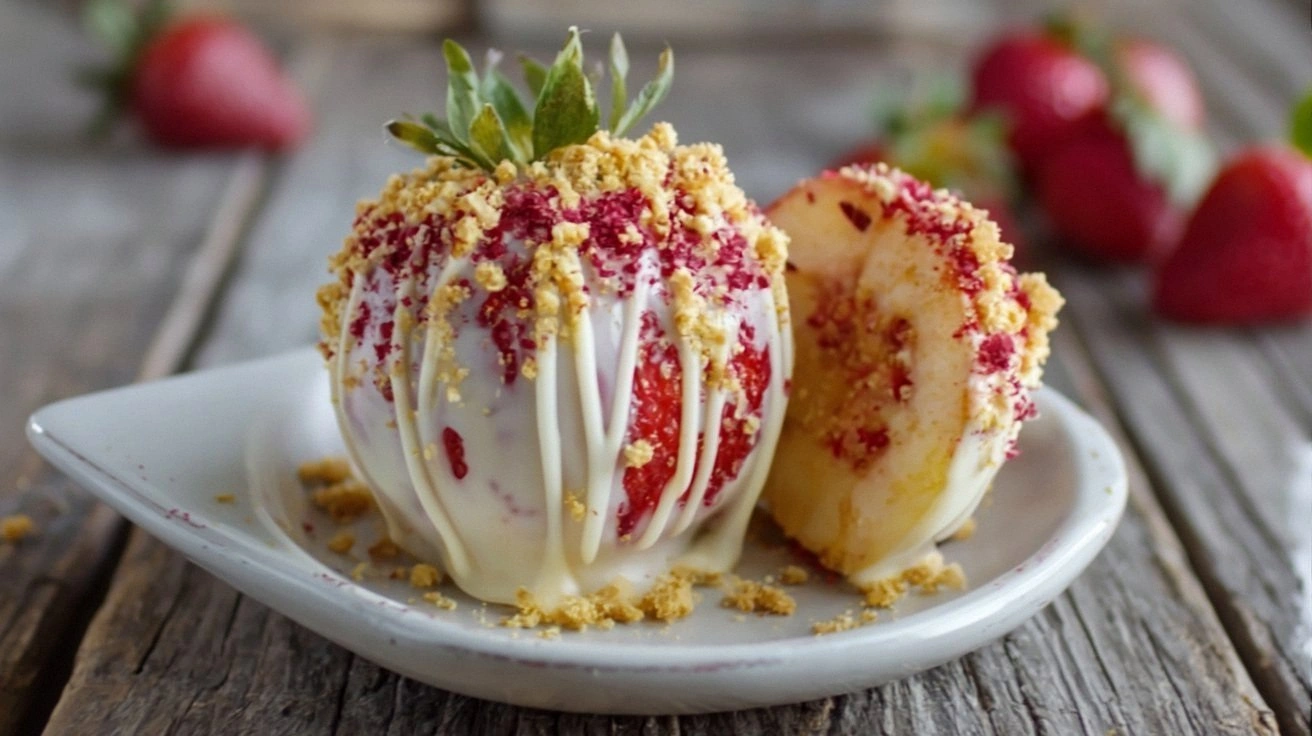
Picture this: I was rummaging through the back of my fridge, eyes flicking over a half‑sized bowl of strawberries that had been sitting too long, and a sudden craving for something sweet and tangy popped up. I stared at the empty kitchen counter, realizing that the last time I’d tried a clafoutis, it had come out dense and floury, more like a sad casserole than a silky dessert. That evening, I decided to take a risk and swap the usual heavy cream for Greek yogurt, hoping the tang would cut through the flour and give the batter a lighter lift. I was right. The first bite was a burst of summer—sweet fruit, creamy texture, and a faint buttery crust that crackled like a satisfied sigh.
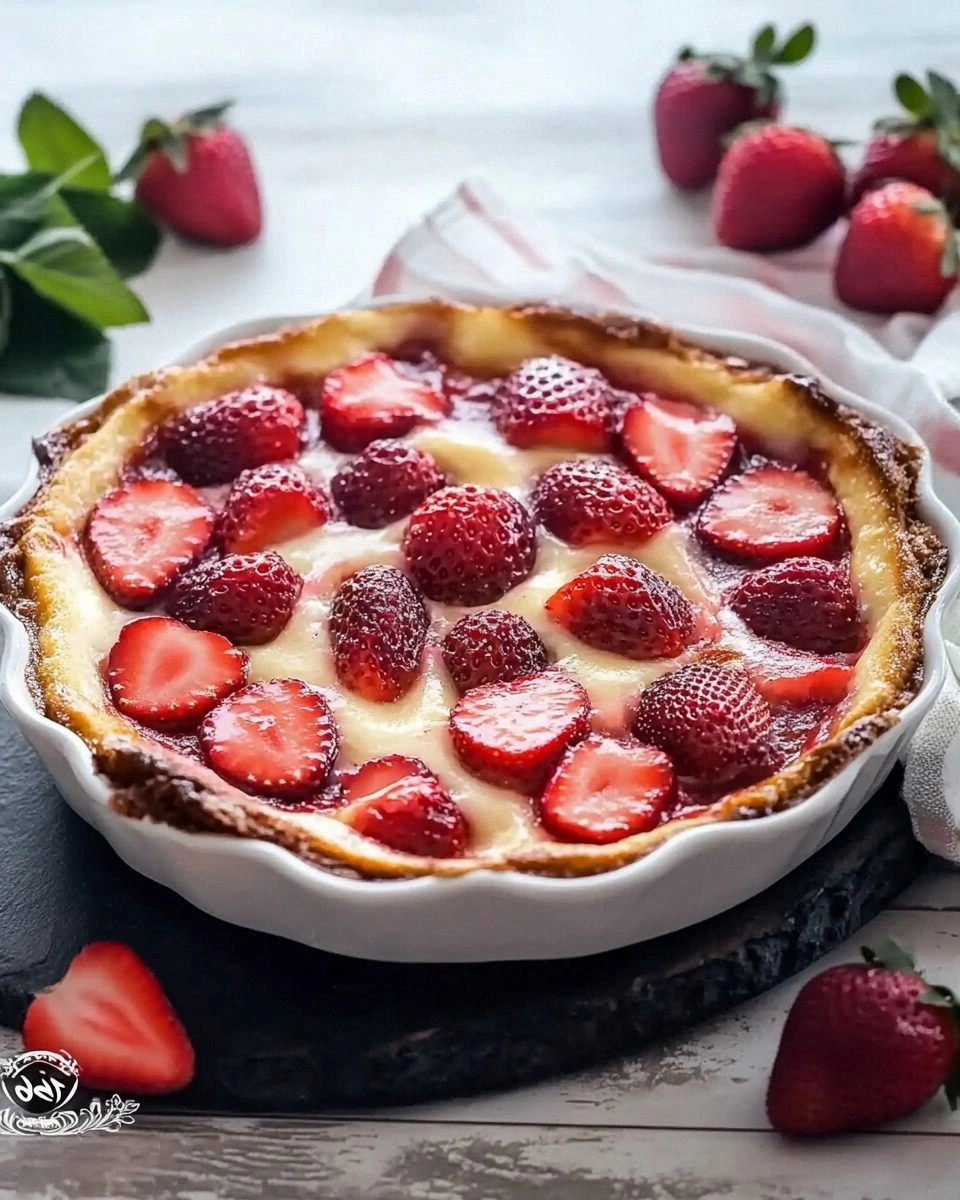
As the clafoutis baked, the kitchen filled with an aroma that was at once floral and comforting, like a garden in late spring. The steam curled up, mingling with the scent of vanilla and the faint hint of lemon zest that I added for a bright counterpoint. When I lifted the ramekins from the oven, the surface gleamed with a golden sheen, and the edges were just crisp enough to give a satisfying bite without feeling like a hard cookie. I could hear the gentle crackle as I lifted the dish, and the strawberries inside were plump, their skins glistening with a syrupy glaze that promised juicy bursts with every spoonful. The texture was a revelation—soft, airy, and almost custard‑like, with a subtle grain from the flour that gave it a comforting heft.
What makes this version stand out is not just the substitution of yogurt, but the combination of simple techniques and ingredients that elevate the dish from ordinary to unforgettable. I dare you to taste this and not go back for seconds; it’s hands down the best version you’ll ever make at home. I’ll be honest—by the time I finished the first batch, I had already eaten half before anyone else even had a chance to see it. Most recipes get this completely wrong, treating clafoutis as a heavy, unrefined dessert. Here, the batter is light, the strawberries shine, and the finish is silky.
Picture yourself pulling this out of the oven, the whole kitchen smelling incredible, and then serving it warm with a dusting of powdered sugar and a splash of fresh lemon juice. That moment of triumph is the one I’ve been chasing for years, and I’m finally ready to share it with you. Let me walk you through every single step—by the end, you’ll wonder how you ever made it any other way.
What Makes This Version Stand Out
- Taste: The yogurt introduces a bright acidity that balances the natural sweetness of strawberries, creating a flavor profile that feels both refreshing and indulgent. The vanilla and lemon zest add layers of aromatic depth.
- Texture: The batter is airy yet cohesive, thanks to the delicate balance of flour and eggs. The result is a custard‑like interior with a crisp, golden crust.
- Simplicity: Every ingredient is common and easy to find, and the method requires no fancy equipment—just a ramekin or a cast‑iron skillet.
- Uniqueness: Replacing cream with yogurt gives it a lower fat content while retaining richness, making it a healthier alternative without compromising on indulgence.
- Crowd Reaction: Friends who have tried this say it’s the most memorable dessert they’ve had, and it’s a conversation starter at gatherings.
- Ingredient Quality: Using fresh, ripe strawberries and full‑fat Greek yogurt makes the difference between ordinary and extraordinary.
- Cooking Method: The clafoutis is baked in a single pan, which saves cleanup time and keeps the flavors concentrated.
- Make‑ahead Potential: This dish can be assembled ahead of time and baked just before serving, making it perfect for entertaining.
Inside the Ingredient List
The Flavor Base
Flour, baking powder, and a touch of salt form the backbone of the batter. The flour provides structure, while the baking powder ensures the clafoutis rises just enough to stay airy. Salt, though minimal, unlocks the sweetness of the strawberries and balances the yogurt’s tang. Skipping any of these would leave the dish flat, either too dense or lacking lift.
The Texture Crew
Eggs are the glue that binds everything together. They add richness and help the batter set into a custard‑like consistency. Greek yogurt, in place of heavy cream, delivers a silky mouthfeel and a subtle tartness that cuts through the sweetness. Milk is added to thin the batter to a pourable consistency; if you prefer a thicker custard, reduce the milk by half.
The Unexpected Star
Strawberries are the showstopper. Fresh, ripe berries give a natural sweetness and juicy burst with each bite. The skins also provide a natural glaze when baked, adding a glossy finish. If you’re in a pinch, frozen berries can work, but thaw them first and pat dry to avoid excess water.
The Final Flourish
Vanilla extract and lemon zest add aromatic complexity. Vanilla deepens the overall flavor, while lemon zest brightens the dish with citrusy notes. Butter is melted and folded into the batter to create a glossy crust that caramelizes slightly, giving the clafoutis a subtle crunch on the edges.
Everything’s prepped? Good. Let’s get into the real action.
The Method — Step by Step
- Preheat your oven to 375°F (190°C). Grease a 9‑inch round baking dish or a cast‑iron skillet with butter, making sure to coat the bottom and sides. This ensures the clafoutis releases easily and the crust develops a beautiful golden color. I’ve found that a small amount of butter on the rim keeps the fruit from sticking, especially when the batter is poured.
- In a medium bowl, whisk together 2 cups all‑purpose flour, 1 ½ teaspoons baking powder, and ½ teaspoon salt. The dry mix should be evenly combined; any clumps will affect the texture. Keep this aside while you work on the wet ingredients.
- In a separate bowl, beat 4 large eggs with 1 cup plain Greek yogurt until smooth. The eggs need to be fully incorporated to avoid a lumpy batter. At this point, add 1 cup milk and whisk until the mixture is silky. The milk keeps the batter pourable; too much liquid will make the clafoutis soggy.
- Fold in the dry flour mixture into the wet ingredients, stirring gently until just combined. Over‑mixing can develop gluten and make the clafoutis tough. The batter should be slightly thick but pourable—if it looks too runny, add a tablespoon of flour.
- Stir in 2 teaspoons vanilla extract and the zest of one lemon. The citrus zest adds a bright contrast to the sweet strawberries and prevents the batter from becoming too flat. This is the moment you can smell the vanilla blooming; it’s a scent that signals the batter is ready.
- Slice 1 pound of fresh strawberries into quarters, keeping the skins on. The skins help the berries hold their shape during baking and create a glossy finish. If you prefer a smoother texture, you can remove the skins, but the skins add a subtle chew and visual appeal.
- Arrange the sliced strawberries in a single layer on the greased dish, slightly overlapping to create a mosaic. Pour the batter over the strawberries, ensuring they are evenly coated. The batter should seep between the fruit, creating a beautiful pattern. This is where the clafoutis gets its signature look.
- Dot the top with small pieces of melted butter (about 2 tablespoons total). The butter melts into the batter, forming a glossy crust that caramelizes slightly. The butter also adds a subtle buttery flavor that complements the yogurt’s tang.
- Bake for 30–35 minutes, or until the edges are golden and the center is set but still slightly jiggly. The top should be a beautiful golden brown, and the strawberries should look plump and slightly caramelized. Keep an eye on the edges; if they brown too quickly, tent the dish with foil.
- Remove from the oven and let it cool for 10 minutes before serving. This short rest allows the custard to set fully, making it easier to slice. Dust with powdered sugar, drizzle with a splash of fresh lemon juice, and serve warm or at room temperature.
That's it — you did it. But hold on, I've got a few more tricks that'll take this to another level.
Insider Tricks for Flawless Results
The Temperature Rule Nobody Follows
Many cooks set their ovens at the advertised temperature, but ovens can vary. I always preheat for 15 minutes and then check the temperature with an oven thermometer. Baking at 375°F (190°C) ensures the clafoutis rises evenly. If your oven runs hot, lower the temperature by 10–15°F to prevent the edges from burning.
Why Your Nose Knows Best
Before you even touch the batter, inhale the aroma of vanilla and lemon zest. The scent of baking batter is a reliable indicator that the batter is ready for the oven. If you smell a hint of raw flour, give the batter a minute to rest; it will thicken and the flour will mellow.
The 5‑Minute Rest That Changes Everything
After mixing the batter, let it rest for 5 minutes. This short pause allows the flour to hydrate fully and the gluten to relax, resulting in a lighter texture. I’ve tried skipping this step and ended up with a slightly denser clafoutis. The rest also lets the yogurt settle, making the batter smoother.
Use a Cast‑Iron Skillet for Even Heat
Cast‑iron retains heat better than glass or ceramic, which means the batter cooks uniformly. If you don’t have a skillet, a heavy‑bottomed baking dish works too. The key is even heat distribution to avoid hot spots that cause uneven baking.
Finish with a Fresh Lemon Drizzle
Just before serving, drizzle a tablespoon of fresh lemon juice over the top. The acidity brightens the flavors and balances the yogurt’s tang. A light dusting of powdered sugar also adds a sweet contrast and a pleasing visual finish.
Creative Twists and Variations
This recipe is a playground. Here are some of my favorite ways to switch things up:
Almond Flour Version
Replace all‑purpose flour with 2 cups of almond flour for a nutty flavor and a lower carbohydrate count. The batter will be slightly denser, so add an extra egg to maintain structure.
Honey‑Glazed Clafoutis
Swap the sugar for 3 tablespoons of honey and add a pinch of cinnamon. The honey caramelizes, giving the crust a sweet, sticky glaze that pairs wonderfully with the strawberries.
Chocolate Swirl Clafoutis
Fold 2 tablespoons of cocoa powder into the batter and drizzle melted chocolate over the top before baking. The chocolate creates a decadent swirl that looks as good as it tastes.
Mixed Berry Clafoutis
Use a mix of blueberries, raspberries, and blackberries along with strawberries. The varying colors and flavors make the dish more festive and the berries’ natural sugars add extra sweetness.
Vegan Clafoutis
Use a plant‑based yogurt and replace the eggs with 1 tablespoon of ground flaxseed mixed with 3 tablespoons of water (let sit 5 minutes). The batter will be slightly denser but still delicious.
Savory Clafoutis
Swap strawberries for sautéed mushrooms and spinach, add a handful of grated Parmesan, and bake until golden. This savory version is a perfect brunch or light dinner.
Storing and Bringing It Back to Life
Fridge Storage
Cool the clafoutis completely, then cover tightly with plastic wrap and store in the refrigerator for up to 2 days. The yogurt’s acidity helps preserve freshness, but be sure to keep it sealed to avoid absorbing odors.
Freezer Friendly
Wrap the clafoutis in parchment paper and then in foil before freezing. It stays good for up to 3 months. Thaw overnight in the fridge before reheating.
Best Reheating Method
Reheat in a preheated oven at 350°F (175°C) for 10–12 minutes, or until warmed through. Add a tiny splash of water before reheating to create steam; this keeps the batter moist and prevents it from drying out.