I was in the middle of a chaotic Tuesday night, juggling a toddler, a half‑finished spreadsheet, and the dreaded “what’s for dinner?” dilemma. My pantry was a graveyard of wilted spinach, a jar of sun‑dried tomatoes that had been staring at me for weeks, and a couple of chicken breasts that were about to turn into a science experiment. I tossed a daring challenge at myself: could I turn this sad lineup into a dish that would make my family forget the day’s madness and beg for seconds? Spoiler alert – I succeeded, and the result was nothing short of culinary fireworks.
The kitchen filled with a symphony of sizzles as the chicken hit the pan, a sharp, buttery pop that echoed like applause. The aroma of garlic mingling with the earthy tang of sun‑dried tomatoes rose like a fragrant curtain, while the fresh spinach wilted into a vivid emerald pool, soaking up every drop of sauce. I could feel the heat on my hands, the buttery gloss under my fingertips, and the anticipation humming through the room. By the time the sauce thickened into a silky veil, my senses were on a roller‑coaster of delight.
Why does this version stand out from the sea of “sun‑dried tomato chicken” recipes you’ll find online? Most rely on a tired cream base that either drowns the flavor or leaves you with a cloying mess. My secret weapon is a light dusting of flour that creates a velvety, glossy coating, while a splash of white wine adds a bright acidity that cuts through the richness. The result is a sauce that clings to the chicken and spinach like a lover’s embrace, never greasy, never heavy.
And here’s the kicker: I’m throwing a handful of fresh basil into the final mix, a pop‑of‑green that sings against the deep red of the sun‑dried tomatoes. It’s the kind of finish that makes you pause, take a breath, and think, “I dare you to taste this and not go back for seconds.” I’ll be honest — I ate half the batch before anyone else got a chance to try it, but that’s only because it’s that good.
Let me walk you through every single step — by the end, you’ll wonder how you ever made it any other way. Okay, ready for the game‑changer? This next part? Pure magic.
What Makes This Version Stand Out
- Flavor Fusion: Sun‑dried tomatoes bring an umami punch, while the cream adds a buttery backdrop, and the white wine injects a bright, acidic lift that balances everything.
- Texture Triumph: A quick flour dusting creates a sauce that coats the chicken like velvet, and the spinach stays tender yet distinct, never soggy.
- Simplicity: Only ten ingredients, all pantry‑friendly, and you won’t need any fancy gadgets — just a skillet and a wooden spoon.
- Uniqueness: The addition of fresh basil at the end gives a fragrant pop that most recipes skip, turning a standard dinner into a restaurant‑level experience.
- Crowd Reaction: Expect the “wow” factor from kids and adults alike; this dish has been known to clear plates faster than a fire alarm.
- Ingredient Quality: Using high‑quality sun‑dried tomatoes (oil‑packed, not dry‑packed) makes the sauce richer without extra butter.
- Cooking Method: The pan‑sear‑then‑simmer technique locks in juices, ensuring the chicken stays juicy while the sauce develops depth.
- Make‑Ahead Potential: This dish reheats beautifully; the sauce even thickens a bit more, which you can loosen with a splash of broth.
Alright, let's break down exactly what goes into this masterpiece...
Inside the Ingredient List
The Flavor Base
The star of the show is the sun‑dried tomato, packed with concentrated sweetness and a subtle smoky note. When rehydrated in a splash of warm water, they release oils that mingle beautifully with the olive oil, creating a glossy foundation. If you skip them, you’ll lose that deep, ruby‑red depth, and the dish will feel flat. As a swap, you can use high‑quality roasted red peppers, but the flavor profile shifts toward a sweeter, less tangy vibe.
Garlic, minced just before cooking, adds an aromatic punch that awakens the palate. Fresh garlic releases allicin, a compound that not only flavors but also adds a subtle heat. If you’re sensitive, try roasting the cloves first; the mellow, caramelized notes will still shine without the bite.
The Texture Crew
All‑purpose flour is the unsung hero that creates a light crust on the chicken, sealing in its juices. A thin coating also serves as a thickening agent once the sauce hits the pan, ensuring it clings to every bite. If you’re gluten‑free, swap in rice flour or a blend of cornstarch and potato starch, but expect a slightly crispier edge.
Heavy cream brings the silkiness that makes the sauce feel like a dream. Its fat content carries the flavors of the tomatoes, garlic, and basil, rounding off any sharp edges. For a lighter version, use half‑and‑half or a plant‑based cream, though the sauce won’t be as luxuriously thick.
The Unexpected Star
Fresh spinach, the “Florentine” element, adds a bright green contrast and a subtle earthiness. It wilts quickly, so timing is key — add it just before the sauce finishes simmering to keep its vibrant color. If you’re not a fan of spinach, kale or arugula work well, but they’ll introduce a bitter edge that may need a pinch more salt.
Fun Fact: Spinach was first cultivated in ancient Persia over 2,000 years ago, and it was originally prized for its medicinal properties, not just its taste. Today, it’s a staple in kitchens worldwide, adding both nutrition and color to dishes like this.
The Final Flourish
Parmesan cheese, grated fresh, adds a salty, nutty finish that deepens the sauce’s umami. It also helps the sauce thicken as it melts, creating that coveted glossy sheen. If you’re out of Parmesan, Pecorino Romano offers a sharper bite, while nutritional yeast can provide a cheesy note for a dairy‑free version.
A handful of fresh basil leaves, torn just before serving, adds a fragrant, peppery lift that brightens the entire plate. Basil’s essential oils are volatile, meaning they release their aroma best when added at the end of cooking. Skipping this step will make the dish feel a touch heavy; the basil is the final spark that sets the flavor fireworks off.
Everything's prepped? Good. Let's get into the real action...
The Method — Step by Step
Heat a large skillet over medium‑high heat and add ¼ cup of olive oil. When the oil shimmers, it’s ready for the chicken. Pat the chicken strips dry with paper towels, then toss them in the flour‑salt‑pepper mixture from the Kitchen Hack bowl. The coating should be even, not clumpy. Once the chicken hits the pan, you’ll hear a satisfying sizzle that says, “We’re on the right track.” Let the pieces sear undisturbed for about 2‑3 minutes per side until they develop a golden crust.
Remove the chicken and set it aside on a warm plate. In the same skillet, add the minced garlic and let it bloom for 30 seconds, stirring constantly to avoid burning. When the garlic turns a light golden and releases that heady aroma, it’s time to introduce the sun‑dried tomatoes. Their oil will mingle with the garlic, creating a fragrant base that smells like a Mediterranean market.
Deglaze the pan with ¼ cup of dry white wine, scraping up any caramelized bits stuck to the bottom. Those browned fragments are flavor gold. Let the wine reduce by half, which should take about 2 minutes; you’ll notice the sizzling intensify and the sauce thickening slightly. If you prefer, substitute chicken broth for a non‑alcoholic version, but the wine adds a bright acidity that’s crucial.
Pour in ½ cup of heavy cream, stirring gently to combine. The sauce will swirl into a glossy river, coating the pan. Add the dried oregano and red pepper flakes now; they’ll infuse the cream with herbal depth and a whisper of heat. Bring the mixture to a gentle simmer, letting it bubble just enough to thicken without boiling over.
Return the seared chicken to the skillet, nestling each piece into the sauce. Toss in the fresh spinach, letting it wilt quickly — this should take about 30 seconds. Watch the spinach turn from deep green to a softer shade; that visual cue tells you it’s perfectly cooked. Let everything simmer together for another 3‑4 minutes, allowing the chicken to absorb the sauce’s flavors.
Stir in the grated Parmesan cheese, letting it melt into the sauce. The cheese will thicken the mixture further, creating that coveted glossy finish that clings to each chicken strip. Taste and adjust seasoning with a pinch more salt or pepper if needed. At this stage, the sauce should coat the back of a spoon like a velvety curtain.
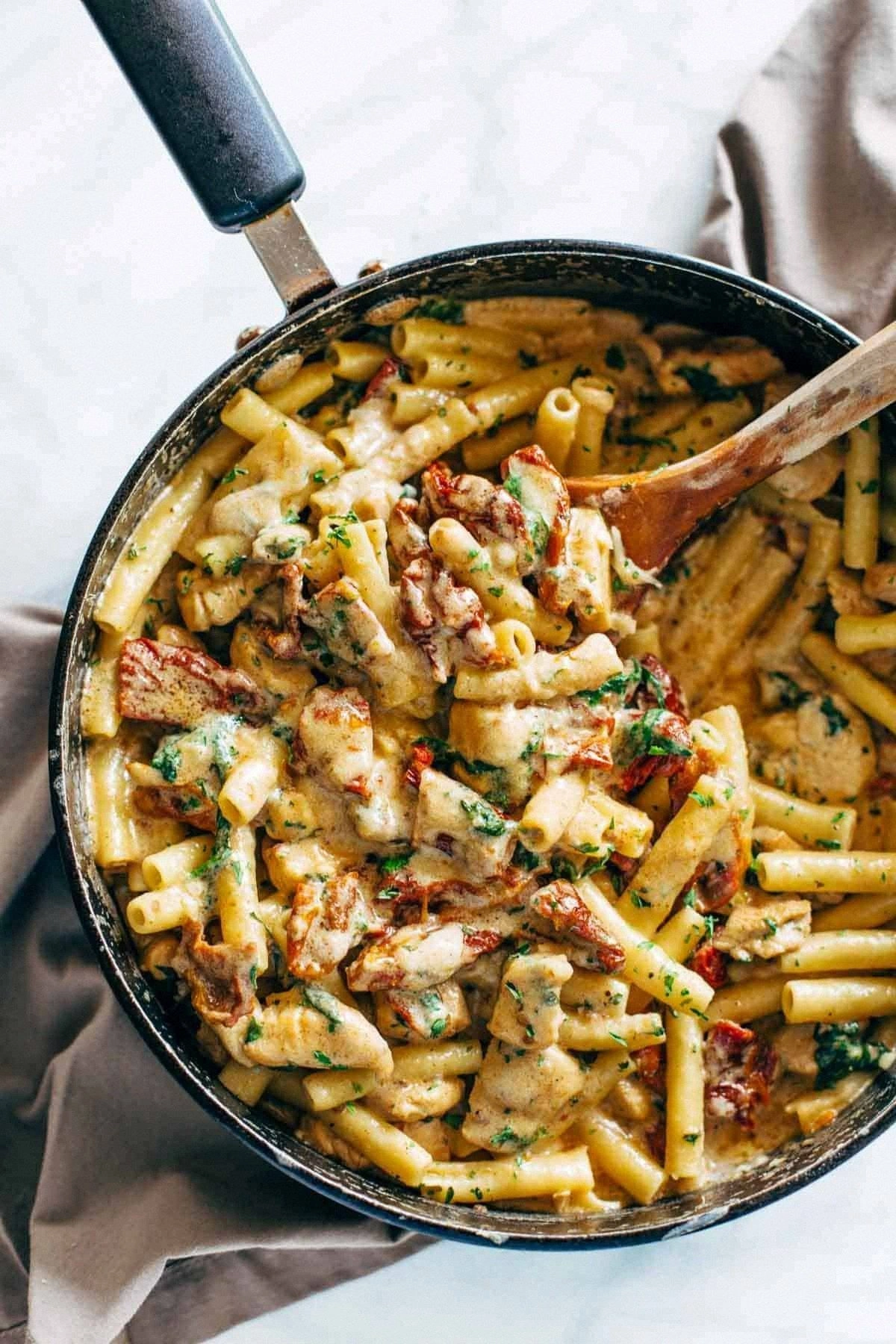
If you’re serving this over pasta, this is the moment to toss the cooked pasta into the pan, ensuring every strand is enveloped in the sauce. For a low‑carb option, serve it atop cauliflower rice or simply on a bed of extra spinach. The pasta absorbs the sauce, turning each bite into a creamy, tangy experience.
Finish with a generous handful of torn fresh basil leaves, tossing gently to distribute. The basil’s aroma will rise instantly, filling the kitchen with a fragrant perfume that makes the whole house feel like a five‑star restaurant. Serve immediately, and watch your guests dive in with gusto. That sizzle when it hits the pan? Absolute perfection.
That’s it — you did it. But hold on, I've got a few more tricks that'll take this to another level. Stay with me here — this is worth it.
Insider Tricks for Flawless Results
The Temperature Rule Nobody Follows
Never let the pan get too hot before adding the chicken; a moderate heat allows the flour coating to brown evenly without scorching. I once turned the burner to high, and the chicken burned on the outside while staying raw inside — a disaster that taught me to trust the sizzle, not the flame. Keep it at medium‑high and watch the edges pull away before flipping.
Why Your Nose Knows Best
Your nose is the ultimate timer. When the garlic turns fragrant and the sun‑dried tomatoes release their oil, you’ll smell a sweet, slightly smoky perfume. If you can’t detect that, the garlic is probably burning, and you need to lower the heat instantly. Trust that olfactory cue more than any clock.
The 5‑Minute Rest That Changes Everything
After the sauce reaches its silky consistency, remove the pan from heat and let it sit for five minutes. This short rest lets the flavors meld, the cream settle, and the starch from the flour fully integrate, resulting in a sauce that’s smoother than silk. Skipping this step is like serving a painting before the final brushstroke dries.
The Pasta‑Sauce Marriage
If you’re pairing this with pasta, reserve a cup of pasta cooking water before draining. Adding a splash to the sauce while it simmers helps the sauce adhere to the noodles, creating a cohesive dish rather than a separate sauce pool. The starchy water acts like a natural thickener and flavor carrier.
The Basil Finale
Don’t just sprinkle basil — give it a quick tear with your fingers. This technique releases the volatile oils without bruising the leaves, delivering a brighter, more aromatic finish. A friend once tossed whole leaves and the flavor was muted; after learning this trick, the basil popped like fireworks.
Creative Twists and Variations
This recipe is a playground. Here are some of my favorite ways to switch things up:
Spicy Chipotle Kick
Add one finely chopped chipotle pepper in adobo sauce along with the sun‑dried tomatoes. The smoky heat complements the sweet tomatoes and gives the dish a bold, lingering warmth that’s perfect for chilly evenings.
Mushroom Medley
Swap half the chicken for a mix of cremini and shiitake mushrooms. Their earthy umami deepens the sauce, and the texture contrast makes each bite interesting. This variation is great for vegetarians who still crave that creamy richness.
Mediterranean Grain Bowl
Serve the chicken and sauce over a bed of cooked farro or quinoa instead of pasta. The nutty grain adds a satisfying chew, turning the dish into a wholesome grain bowl that’s perfect for lunch leftovers.
Lemon‑Zest Brightness
Stir in the zest of one lemon just before the final basil addition. The citrus spark lifts the richness, making the dish feel lighter and more refreshing — ideal for spring gatherings.
Cheesy Crust Topper
After plating, sprinkle extra grated Parmesan and broil for 2 minutes until golden and bubbly. The crust adds a crunchy contrast to the creamy interior, turning the plate into a textural masterpiece.
Storing and Bringing It Back to Life
Fridge Storage
Allow the dish to cool to room temperature, then transfer it to an airtight container. It will keep for up to 3 days. When reheating, add a splash of chicken broth or water and gently warm over low heat, stirring constantly to revive the sauce’s silkiness.
Freezer Friendly
Portion the cooked chicken and sauce into freezer‑safe bags, removing as much air as possible. Freeze for up to 2 months. To reheat, thaw overnight in the fridge, then warm in a skillet with a tablespoon of olive oil, adding a little liquid to loosen the sauce.
Best Reheating Method
The stovetop is king. Place the leftovers in a skillet over medium heat, add a teaspoon of water or broth, and stir until the sauce regains its glossy texture. Microwaving works in a pinch, but you’ll lose the crisp edge on the chicken.