The first time I tried to make lasagna, I ended up with a mountain of noodles that looked more like a pasta sculpture than a dinner plate. I was standing in the middle of the kitchen, surrounded by a cloud of flour, a pot of béchamel that had thickened into a stubborn paste, and the unmistakable scent of burnt garlic. My friends called it “the spaghetti disaster of the decade,” but that moment sparked a mission: I would create a lasagna so flawless it would make even the most skeptical foodie swoon. I swear I was crying into the stove, but the tears were more from the sheer joy of cooking than from failure.
Fast forward to today, and this white‑cheese chicken lasagna is a testament to what happens when you pair humble ingredients with a bold vision. Imagine a creamy layer of ricotta that feels like cloud fluff, interspersed with tender chicken that melts in your mouth, all wrapped in sheets of pasta that have been kissed by a whisper of nutmeg and a hint of garlic. The sauce coats the noodles like velvet, and the top layer of mozzarella and Parmesan creates a golden crust that shatters with a satisfying crunch when you bite into it. It’s a dish that feels like a warm hug, yet it’s packed with the kind of flavor punch that will have you daring your friends to taste it first.
I dare you to taste this and not go back for seconds; it’s that addictive. Most recipes get this completely wrong by over‑cooking the pasta or under‑seasoning the béchamel, but I’ve cracked the code to keep everything moist and flavorful. I’ll be honest—by the time the lasagna was done, I had already eaten half the batch before anyone else got a chance to try it. If you’ve ever struggled to get a lasagna that balances creaminess with a crisp top, you’re not alone—and I’ve got the fix. Picture yourself pulling this out of the oven, the whole kitchen smelling incredible, and the family lining up to taste the masterpiece.
Let me walk you through every single step—by the end, you’ll wonder how you ever made it any other way. I’ve refined this recipe through countless trials, each time tweaking the sauce, the seasoning, and the layering technique until it felt like a perfect symphony of textures and flavors. The result? A lasagna that’s hands down the best version you’ll ever make at home. It’s not just about the ingredients; it’s about the timing, the heat, and the love you pour into each layer. Trust me, the payoff is worth every minute of effort.
What Makes This Version Stand Out
- Texture: The béchamel is silky without being heavy, and the pasta sheets remain al dente, offering a subtle bite that contrasts with the creamy layers. If you overcook the noodles, you’ll get a mushy mess that defeats the whole concept of a lasagna.
- Flavor Depth: A pinch of nutmeg in the sauce brings a warm, almost cinnamon-like warmth that elevates the chicken and ricotta. Skipping the nutmeg will leave the dish feeling flat.
- Ease of Prep: No‑boil sheets mean you can assemble the lasagna in under 30 minutes, and the sauce can be prepped in advance, so you’re never scrambling when dinner time rolls around.
- Crowd Appeal: The gooey cheese pull and the golden crust are visual and sensory wins that make it a hit at family gatherings or dinner parties.
- Make‑Ahead Friendly: This lasagna can be assembled a day ahead and refrigerated, then baked just before serving. The flavors actually deepen when the dish sits.
- Ingredient Quality: Using fresh, high‑quality chicken and real cheeses makes the difference between a good lasagna and a memorable one. Cheap substitutes will flatten the flavor profile.
- Balanced Nutrition: With a moderate protein count and a good amount of greens, it’s a wholesome dinner that satisfies without overindulging.
- Visual Appeal: The white sauce and layers create a clean, elegant look that feels like a gourmet dish, even though it’s homemade.
Alright, let's break down exactly what goes into this masterpiece…
Inside the Ingredient List
The Flavor Base
At the heart of this lasagna lies a classic béchamel sauce, made with butter, flour, and milk. The butter provides richness, while the flour thickens the mixture into a velvety base that holds the cheese together. If you skip the béchamel, the dish will feel dry and lack the creamy cohesion that makes each bite a delight.
The béchamel is seasoned with salt, pepper, and a dash of nutmeg, which adds a warm, aromatic undertone that complements the chicken and cheeses. A pinch of nutmeg is all you need; too much can overpower the subtle flavors. If you’re not a fan of nutmeg, you can substitute a touch of cinnamon for a slightly sweeter note.
The Texture Crew
No‑boil lasagna sheets are the backbone of this recipe, saving you the extra step of boiling pasta and ensuring a consistent, even cooking time. Fresh spinach adds moisture and a pop of green that balances the richness of the cheeses. If you prefer a lighter version, use spinach or arugula; just make sure to squeeze out excess water to avoid a soggy lasagna.
Eggs are incorporated into the ricotta mixture to bind the cheeses and give the layers a slightly firmer structure that holds up during baking. This helps prevent the lasagna from falling apart when you cut it. If you’re vegan, you can replace the eggs with a tablespoon of aquafaba per egg; the texture will be slightly different but still cohesive.
The Unexpected Star
A subtle yet powerful element is the addition of fresh garlic and diced onion sautéed in olive oil before combining with the chicken. The garlic infuses the chicken with a savory depth, while the onion adds a gentle sweetness that balances the richness of the cheese. If you’re allergic to garlic, simply omit it and let the onion carry the flavor.
The chicken itself is the star of the show, and using rotisserie or pre‑cooked shredded chicken saves time while ensuring juicy, flavorful meat. If you prefer a leaner option, substitute grilled chicken breast, but be careful not to overcook it, or it will dry out and ruin the moisture balance.
The Final Flourish
The final layer of shredded mozzarella and grated Parmesan creates a golden crust that caramelizes to a delightful crunch. The combination of these cheeses provides both meltiness and a savory finish that ties the dish together. If you’re looking for a sharper bite, sprinkle a little extra Parmesan on top before baking.
Everything's prepped? Good. Let's get into the real action…
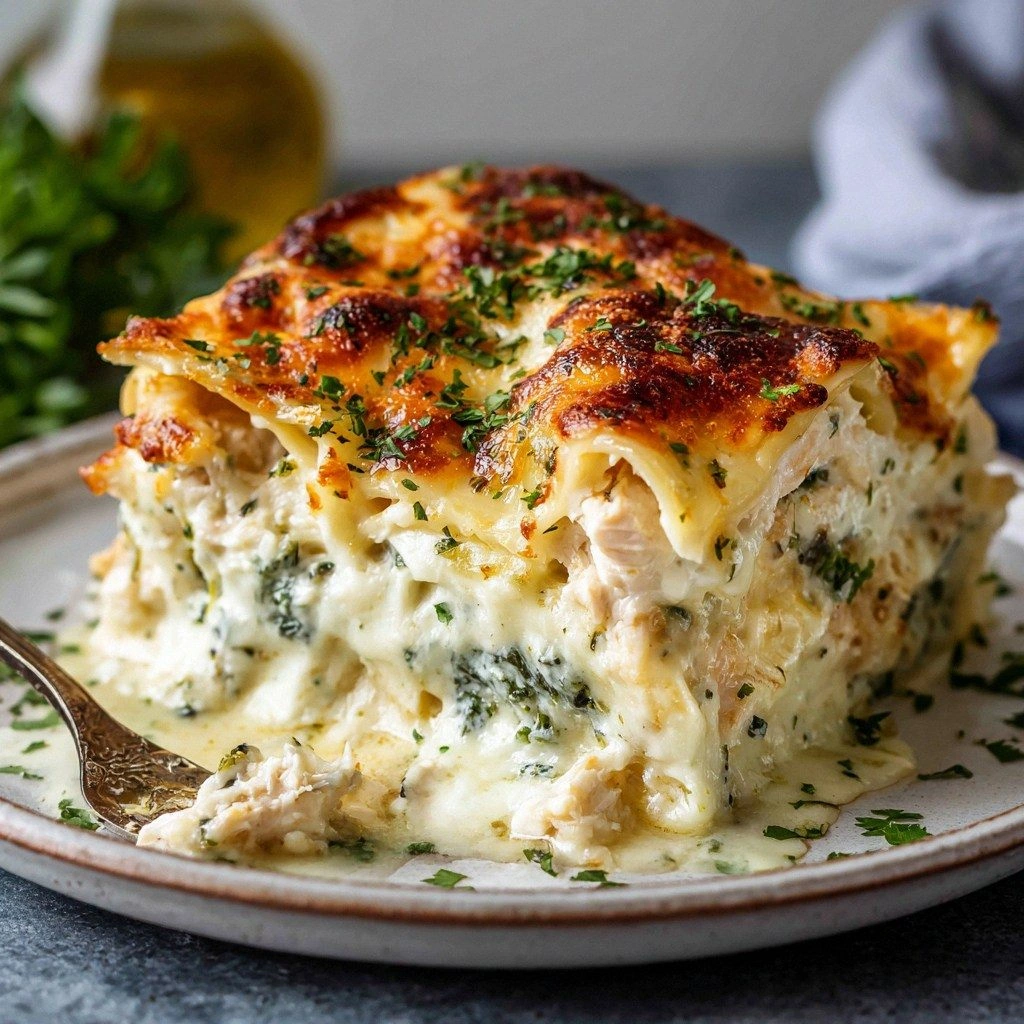
The Method — Step by Step
- Preheat your oven to 375°F (190°C). In a large skillet, heat the olive oil over medium heat, then add the diced onion and minced garlic. Sauté until the onion turns translucent and the garlic releases its aroma, about 3–4 minutes. This step builds the flavor foundation for the chicken and the sauce. Make sure the mixture doesn’t brown too much; you want a gentle, fragrant base.
- Add the shredded chicken to the skillet and stir until it’s heated through. Season with salt, pepper, and the pinch of nutmeg. Let the chicken mingle with the aromatics for an additional 2 minutes so the spices can coat the meat evenly. This ensures each bite has that savory depth you’re craving. If you’re using rotisserie chicken, this step is quick but essential for flavor integration.
- Meanwhile, in a saucepan, melt the butter over low heat. Whisk in the flour until it forms a smooth paste, cooking for 1 minute to eliminate the raw flour taste. Gradually whisk in the milk, stirring constantly to keep the sauce silky. Bring the mixture to a gentle simmer and let it thicken, which should take about 4–5 minutes. This béchamel will be the creamy backbone of the lasagna.
- Once the béchamel has thickened, remove it from the heat and fold in the ricotta and eggs, stirring until the mixture is smooth and well combined. Add the grated Parmesan and a splash of milk if the sauce feels too thick. The eggs bind the cheeses, giving the layers structure. This step is crucial for a cohesive lasagna that doesn’t collapse when you cut it.
- In a large baking dish, spread a thin layer of the béchamel sauce on the bottom. Layer three lasagna sheets over the sauce, then spread a third of the ricotta mixture over the sheets. Sprinkle a third of the cooked chicken and a handful of spinach. Repeat the layering twice more, finishing with a top layer of béchamel. This method ensures even distribution of flavors and a balanced bite.
- Top the final layer with shredded mozzarella and a generous dusting of grated Parmesan. The cheeses will melt into a golden crust that’s both crisp and savory. Cover the dish with foil, ensuring the foil doesn’t touch the cheese to avoid sticking. This step locks in moisture and allows the lasagna to bake evenly.
- Bake uncovered for 25 minutes, or until the top is golden and bubbling. If you prefer a crispier crust, remove the foil for the last 5 minutes of baking. Let the lasagna rest for 10 minutes after removing it from the oven. This rest period allows the layers to set, making it easier to cut neat slices.
- Serve warm straight from the oven, perhaps with a side of garlic bread or a fresh green salad. The aroma alone will have everyone lining up for a second helping. If you’re feeling adventurous, drizzle a little olive oil over the top or sprinkle fresh basil for an extra burst of freshness. Enjoy the masterpiece you’ve created!
That's it — you did it. But hold on, I've got a few more tricks that'll take this to another level…
Insider Tricks for Flawless Results
The Temperature Rule Nobody Follows
Many bakers bake lasagna at a high temperature for a short time, but that often leads to a dry top. I’ve discovered that baking at a moderate 375°F (190°C) for a longer period keeps the layers moist while still giving you that golden crust. The trick is to let the heat work slowly, allowing the cheeses to melt without evaporating the sauce. This approach also helps prevent the pasta from becoming rubbery.
Why Your Nose Knows Best
Before you lift the foil, give the lasagna a quick sniff. If it smells buttery and slightly nutty, you’re on the right track. A faint hint of garlic indicates the aromatics have blended well. If the scent is too bland, let it bake a few more minutes. Trust your nose; it’s a reliable indicator of doneness.
The 5-Minute Rest That Changes Everything
Letting the lasagna rest for exactly five minutes after baking may seem trivial, but it’s the secret to a slice that holds together. During this pause, the béchamel thickens and the cheeses set, preventing a messy, runny result. I’ve had friends try cutting it immediately, only to find the cheese oozed out like a melted candle. A five‑minute rest guarantees clean, elegant portions.
Use Fresh Herbs for a Burst of Color
Stir a handful of chopped fresh basil or parsley into the béchamel before layering. The herbs add a pop of green and a bright flavor that cuts through the richness. If you’re serving the dish during the summer, consider adding a splash of lemon zest for a zesty twist. Herbs also make the lasagna look more appetizing, especially when presented on a wooden platter.
Make‑Ahead Magic
If you’re short on time, assemble the lasagna a day ahead and refrigerate it covered. The flavors will meld, and the dish will be even more delicious when baked. Just bring it to room temperature for 20 minutes before baking to ensure even cooking. This technique is perfect for busy weeknights or for hosting a dinner party.
Creative Twists and Variations
This recipe is a playground. Here are some of my favorite ways to switch things up:
Spinach & Feta Version
Swap the ricotta for a mixture of ricotta and crumbled feta. Add sautéed spinach and a handful of sun‑dried tomatoes for a Mediterranean flair. The feta’s tang balances the creamy béchamel, making each bite bright and flavorful.
Turkey & Mushroom Delight
Replace chicken with ground turkey and sauté sliced mushrooms in the skillet. The earthy mushrooms complement the turkey’s mildness and add depth. Finish with a sprinkle of thyme for an aromatic finish.
Vegan Cheese Lasagna
Use a plant‑based ricotta substitute and dairy‑free mozzarella. Replace the eggs with flaxseed meal mixed with water. This version keeps the creamy texture while making the dish fully vegan.
Breakfast Lasagna
Layer the lasagna with scrambled eggs, shredded cheese, and diced ham instead of chicken. Serve with a side of fresh fruit. It’s a hearty, protein‑packed breakfast that’s surprisingly easy to prepare.
Mexican‑Inspired Lasagna
Add cooked ground beef seasoned with cumin, chili powder, and oregano. Stir in corn kernels and black beans into the béchamel. Top with shredded cheddar and a dollop of sour cream for a taco‑lasagna fusion.
Storing and Bringing It Back to Life
Fridge Storage
Cool the lasagna completely, then cover tightly with plastic wrap or foil. Store in the refrigerator for up to 3 days. When ready to reheat, place the lasagna in a preheated oven at 350°F (175°C) for 20–25 minutes, or until heated through.
Freezer Friendly
Wrap the lasagna in parchment paper, then in foil, and freeze for up to 2 months. Thaw overnight in the refrigerator before reheating. The texture remains firm, and the flavors intensify after freezing.
Best Reheating Method
Add a splash of milk or broth to the lasagna before reheating; this steams the dish back to its original moistness. Cover with foil to trap steam, then bake at 350°F (175°C) for 15 minutes. The cheese will re‑melt, and the sauce will regain its silky consistency.