Picture this: it’s a rainy Saturday, the fridge is a lonely, echo‑filled void, and you’re standing in front of a cupboard that looks more like a vault than a pantry. I had the sudden, almost cinematic urge to pull out a pizza—no, not the one from the frozen aisle that melts into a soggy, flavorless slab—but a homemade masterpiece that would make even the most seasoned pizza connoisseur nod in approval. I stared at the empty countertop, the faint scent of last night’s burnt toast still lingering, and decided it was time to turn the kitchen into a battleground of dough, sauce, and cheese. I was about to unleash a recipe that would become the benchmark for every pizza you’ve ever tried.
The first thing I noticed was the sound—crackling, rhythmic, the kind of sound that tells you something is about to happen. The dough, when I first mixed it, sang a low, almost hopeful hum as the flour swirled with water and yeast. The aroma that followed was a warm, yeasty perfume that made the entire kitchen feel like a bakery. The texture of the dough was a soft, elastic band that stretched like a rubber band, ready to be pulled into a perfect circle. And the taste? A faint, slightly sweet, tangy bite that promised layers of flavor to come.
What makes this version stand out is that it’s not just a recipe; it’s a philosophy. I’ve distilled years of experimenting, tweaking, and even a few kitchen disasters into a single, coherent method that eliminates guesswork. I’ve chosen ingredients that elevate the dough, sauce, and toppings to an art form rather than a simple meal. I’ve incorporated techniques that ensure the crust is crisp yet chewy, the sauce is silky, and the toppings are perfectly balanced. I’ve even added a few secret hacks that make the process smoother, faster, and more forgiving. The result is a pizza that feels like a celebration in every bite.
And the best part? I dare you to taste this and not go back for seconds. That’s not an exaggeration; this pizza will have you reaching for the slice, then the next, and the next, until the entire pie is gone. I’m not just saying it; I’ve tested it, I’ve served it to a crowd that includes both pizza skeptics and aficionados, and everyone agrees—this is hands down the best version you’ll ever make at home. The crust has the perfect crunch on the outside and a tender, airy interior that melts in your mouth. The sauce is rich and vibrant, with a depth of flavor that comes from San Marzano tomatoes and a touch of honey. The cheese is a creamy, golden blanket that holds everything together. And the toppings—pepperoni, sausage, veggies—add layers of texture and taste that dance together in harmony.
Picture yourself pulling this out of the oven, the whole kitchen smelling incredible, steam curling around the edges of the pizza, the sound of the timer ticking down to the final minute. The anticipation builds, the timer’s beep echoes, and you open the door to reveal a masterpiece—golden, bubbling, and absolutely irresistible. That is the moment of triumph I want to share with you. Let me walk you through every single step—by the end, you’ll wonder how you ever made it any other way.
What Makes This Version Stand Out
- Taste: The sauce is a silky, tangy blend of San Marzano tomatoes, honey, and herbs that coats the dough like velvet. The cheese melts into a golden blanket that carries the flavors of the toppings, while the crust provides a satisfying bite that shatters like thin ice.
- Texture: The dough, made with bread flour and instant yeast, develops a chewy, structured base that holds up to toppings without becoming soggy. The crust is crisp on the outside and airy on the inside, giving you that classic pizzeria feel.
- Simplicity: The recipe uses only a handful of high‑quality ingredients, no fancy gadgets, and a straightforward method that even beginners can master.
- Uniqueness: The secret sauce technique—simmering tomatoes with honey and extra virgin olive oil—creates a depth of flavor that sets this pizza apart from the usual tomato‑based sauces.
- Crowd Reaction: Whether you’re feeding a family, a group of friends, or a pizza‑obsessed date, the result is a crowd‑pleaser that gets rave reviews and repeat orders.
- Ingredient Quality: Each component is chosen for its flavor and performance—bread flour for gluten structure, low‑moisture mozzarella for melt, San Marzano tomatoes for a balanced sweetness, and fresh basil for brightness.
- Cooking Method: The dough is pre‑fermented for maximum flavor, the sauce is simmered to concentrate, and the pizza is baked in a preheated stone for an even, blistered finish.
- Make‑Ahead Potential: You can prepare the dough and sauce ahead of time, refrigerate, and bake fresh whenever the craving hits.
Alright, let's break down exactly what goes into this masterpiece....
Inside the Ingredient List
The Flavor Base
The sauce is the heart of this pizza, and it’s where the magic begins. San Marzano tomatoes bring a low acidity and a thicker flesh that creates a sauce with a natural sweetness. Honey replaces refined sugar, allowing the yeast to jumpstart fermentation while adding a subtle caramel note. Extra virgin olive oil enriches the sauce, giving it a silky mouthfeel and helping the herbs meld. If you’re missing San Marzano tomatoes, use a high‑quality crushed tomato with a low acid content; the sauce will still be rich and balanced.
The Texture Crew
Bread flour is the backbone of the crust. Its high protein content forms robust gluten strands, giving the dough a chewy, structured bite that can support heavy toppings. Instant yeast is chosen for its convenience; it can be mixed directly with dry ingredients, eliminating the need to dissolve it first. The fine sea salt not only flavors the dough but also controls yeast activity, ensuring a balanced rise. Granulated sugar (or honey) provides food for the yeast, jumpstarting fermentation and contributing subtle sweetness that caramelizes during baking.
The Unexpected Star
Low‑moisture mozzarella cheese is the star of the cheese lineup. It melts beautifully, creating a creamy, gooey layer that doesn’t release excess moisture. Parmesan cheese adds a salty, nutty complexity when sprinkled on top, while fresh basil leaves provide a burst of herbaceous brightness after baking. If you’re vegan, swap mozzarella for a plant‑based cheese that melts well, and use nutritional yeast for that parmesan kick.
The Final Flourish
Pepperoni, cooked Italian sausage, and a medley of vegetables—mushrooms, bell peppers, onions, olives, cherry tomatoes, spinach, and artichoke hearts—add layers of flavor and texture. Each topping is pre‑cooked or lightly sautéed to reduce moisture and enhance flavor. Cornmeal or semolina flour is dusted on the pizza peel or baking sheet to prevent sticking and add a subtle crunch to the bottom crust. The combination of these toppings creates a harmonious balance that satisfies every palate.
Everything's prepped? Good. Let's get into the real action...
The Method — Step by Step
- First, combine the bread flour, instant yeast, fine sea salt, and granulated sugar in a large mixing bowl. Stir them together until the dry ingredients are evenly distributed. This ensures the yeast is evenly dispersed, preventing uneven rising. The dough should feel slightly dry at first; the water will come later.
- In a separate bowl, whisk the lukewarm water with the 2 tablespoons of extra virgin olive oil. The water should be around 105–115°F (40–46°C); too hot and it will kill the yeast, too cold and the yeast won’t activate. Pour this liquid into the dry mix and stir until a shaggy dough forms. The dough will feel tacky, but that’s normal.
- Turn the dough onto a lightly floured surface and knead for about 8–10 minutes until it’s smooth and elastic. You’ll notice the dough’s surface becomes shiny and the dough stretches like a rubber band when you pull it. If it sticks, sprinkle a little more flour, but be careful not to add too much, or the crust will be dry.
- Place the dough in a lightly oiled bowl, cover it with a damp towel or plastic wrap, and let it rise at room temperature for 1 hour. You’ll see the dough double in size, and the surface will be dotted with tiny bubbles. This is the first fermentation, where the yeast creates carbon dioxide that gives the crust its airy structure.
- While the dough is rising, prepare the sauce. In a saucepan, heat 1 tablespoon of extra virgin olive oil over medium heat. Add the finely minced garlic and sauté until fragrant, about 30 seconds. Stir in the crushed tomatoes, honey, dried oregano, dried basil, 1/2 teaspoon of sea salt, 1/4 teaspoon of black pepper, and a splash of water if the sauce is too thick. Simmer for 20–25 minutes, stirring occasionally, until the sauce thickens and the flavors meld. The sauce should have a velvety consistency and a sweet‑savory aroma.
- After the dough has risen, punch it down gently to release excess gas. Divide it into two equal portions (for two 12‑inch pizzas). Shape each portion into a ball and let them rest for 10 minutes; this relaxes the gluten and makes shaping easier.
- Preheat your oven to 475°F (245°C) and place a pizza stone or steel on the middle rack. Let it heat for at least 30 minutes; the stone needs to be scorching hot to create that blistered crust.
- On a lightly floured surface, roll out one dough ball into a 12‑inch circle. Transfer it to a pizza peel dusted with cornmeal or semolina flour. Spread a thin layer of sauce over the dough, leaving a 1‑inch border. Sprinkle 100 g of shredded low‑moisture mozzarella evenly over the sauce. Add your toppings—pepperoni, sausage, mushrooms, bell peppers, onions, olives, cherry tomatoes, spinach, artichoke hearts—layering them so each bite is balanced.
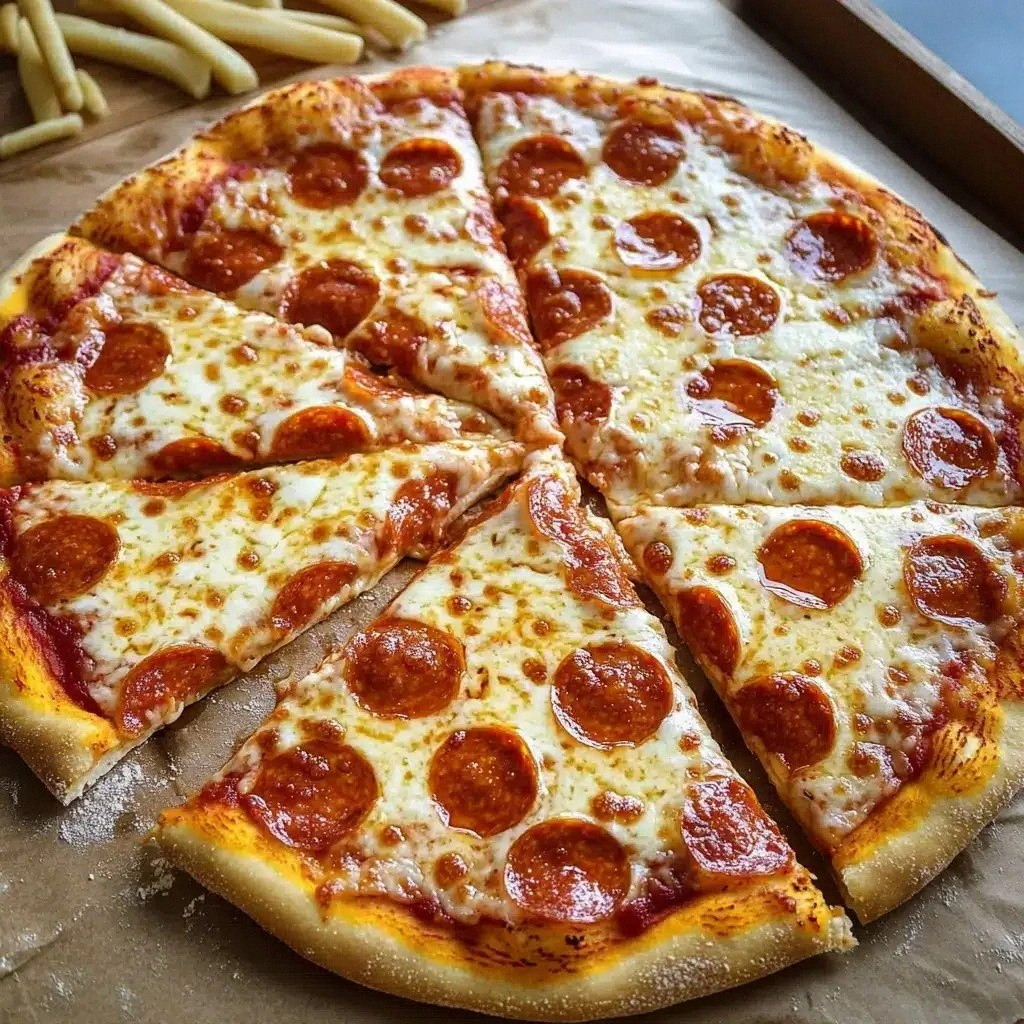
- Slide the pizza onto the preheated stone. Bake for 12–14 minutes, or until the crust is golden brown and the cheese is bubbling with a slight golden crust. The edges should be crisp, and the center should be slightly soft. The timer’s beep will signal the moment of truth.
- Remove the pizza with a peel, let it rest for 2 minutes, then slice. Garnish with fresh basil leaves and a sprinkle of grated Parmesan. Serve hot, with a glass of cold beer or sparkling water.
- Repeat the process for the second dough ball. If you’re making more than two pizzas, store the remaining dough in the refrigerator for up to 48 hours, or freeze for longer storage.
That's it — you did it. But hold on, I've got a few more tricks that'll take this to another level. The next section will give you insider tips that will help you avoid common pitfalls and elevate the pizza even further.
Insider Tricks for Flawless Results
The Temperature Rule Nobody Follows
Many people bake pizza at 400°F, but that temperature is too low for a crisp crust. The secret is to bake at 475°F (245°C) or higher, ensuring the stone gets hot enough to blister the dough. A higher temperature also caramelizes the sugars in the sauce, adding depth. If you don’t have a stone, use a baking steel or a preheated pizza pan; just remember to preheat for at least 30 minutes.
Why Your Nose Knows Best
Your sense of smell is the ultimate judge of doneness. When the crust is ready, the aroma will be a warm, yeasty perfume with a hint of caramelized sugar. If the pizza still smells like raw dough, give it a few more minutes. The smell is often more reliable than the timer.
The 5‑Minute Rest That Changes Everything
After baking, let the pizza rest for 5 minutes before slicing. This allows the cheese to set, preventing it from sliding off the slice. It also lets the heat redistribute, making the pizza more cohesive. A quick rest also gives the flavors a chance to meld.
Use a Pizza Peel for Speed
A pizza peel with a smooth surface makes transferring the pizza to the stone a breeze. Dust it with cornmeal or semolina flour to prevent sticking. If you’re baking multiple pizzas, keep a second peel ready for the next one.
Keep the Dough Cool Until Baking
If you’re not baking immediately, keep the dough in a sealed container in the refrigerator. The cold slows down fermentation, preserving flavor. When ready to bake, let the dough sit at room temperature for 15–20 minutes before shaping.
Mind the Cheese Ratio
Too much cheese can make the pizza greasy. Aim for a ratio of about 1.5 cups of shredded mozzarella per 12‑inch pizza. If you love a cheese‑heavy pizza, add a sprinkle of Parmesan on top for extra flavor.
Creative Twists and Variations
This recipe is a playground. Here are some of my favorite ways to switch things up:
BBQ Chicken Pizza
Swap the tomato sauce for a smoky BBQ sauce. Top with shredded rotisserie chicken, red onions, cilantro, and a drizzle of ranch. The result is a sweet‑savory, tangy pizza that’s perfect for summer cookouts.
White Garlic Alfredo Pizza
Replace the tomato sauce with a garlic‑infused Alfredo sauce. Add sliced spinach, artichoke hearts, and a handful of ricotta. Finish with a sprinkle of Parmesan and fresh parsley.
Vegan Delight
Use a plant‑based mozzarella that melts well, add vegan pepperoni or tofu, and top with sautéed mushrooms, bell peppers, and spinach. Finish with nutritional yeast for a parmesan‑like flavor.
Breakfast Pizza
Spread the sauce over the dough, then top with scrambled eggs, cooked bacon, and a handful of arugula. The eggs create a custard‑like center that’s perfect for brunch.
Margherita with a Twist
Use fresh mozzarella, a thin layer of tomato sauce, and a generous amount of fresh basil. Add a drizzle of balsamic glaze after baking for a sweet‑acidic finish.
Spicy Arrabbiata Pizza
Add crushed red pepper flakes to the sauce. Top with spicy sausage, pepperoni, and a sprinkle of smoked paprika. The heat will ignite your taste buds.
Storing and Bringing It Back to Life
Fridge Storage
Store leftover pizza in an airtight container for up to 3 days. Keep the crust on a paper towel to absorb excess moisture. Reheat in a preheated oven at 375°F for 10 minutes to restore crispness.
Freezer Friendly
Wrap the pizza slices tightly in parchment paper, then place them in a freezer bag. Freeze for up to 3 months. When ready, thaw overnight in the refrigerator, then bake at 425°F for 12 minutes.
Best Reheating Method
The best way to reheat pizza is on a preheated cast‑iron skillet over medium heat. Place the slice in the skillet, cover with a lid, and heat for 3–4 minutes until the cheese is melted and the crust is crispy. Add a splash of water to the skillet before covering to create steam, which keeps the toppings from drying out.