I still remember the first time I attempted to make Greek lemon rice at home. Picture this: it was a sweltering July afternoon, the kind where your shirt sticks to your back just from breathing, and I was craving something bright, zesty, and comforting all at once. My favorite Greek restaurant had closed for renovations, and the withdrawal symptoms were real. I marched into my kitchen like a woman on a mission, armed with nothing but a bag of basmati rice, three sad-looking lemons, and a half-empty bottle of olive oil that had definitely seen better days. What followed was a comedy of errors that would make even the most patient chef throw their wooden spoon across the room in despair. The rice turned out gummy, the lemon flavor was either non-existent or so aggressive it made my face pucker like I'd bitten into a warhead candy, and don't even get me started on the texture — it was like eating lemon-scented wallpaper paste.
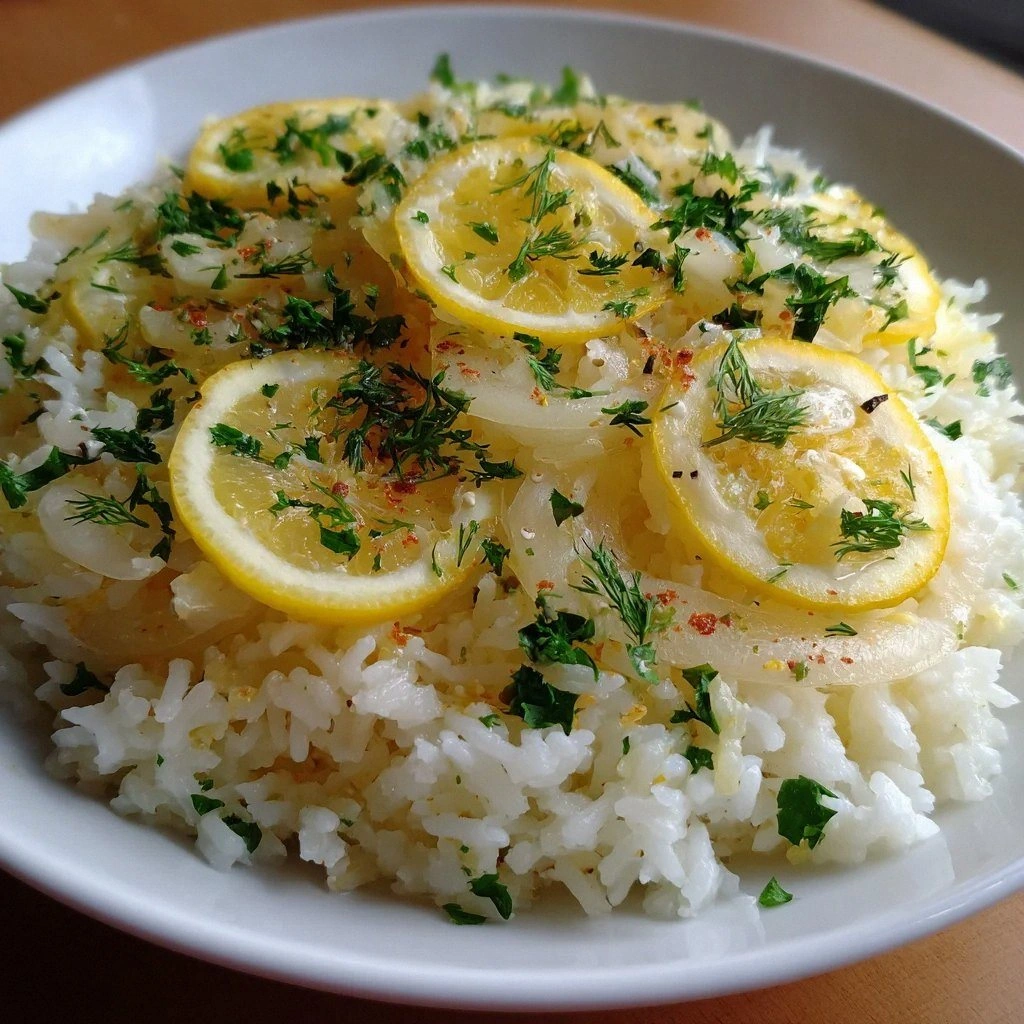
But here's the thing about kitchen disasters: they're often the birthplace of our greatest culinary triumphs. After three more attempts (and a very patient family who politely choked down my experiments), I cracked the code. The secret wasn't just in the ingredients — it was in the technique, the timing, and understanding how each element plays with the others like a well-orchestrated symphony. When you get it right, this Greek lemon rice transforms into something magical: each grain stands tall and proud, separate and fluffy, carrying a sunny yellow hue that looks like you've captured sunshine in a bowl. The aroma hits you first — that intoxicating blend of citrus brightness dancing with earthy oregano and the fruity depth of good olive oil. It's the kind of smell that makes neighbors wander over to ask what you're cooking, and family members suddenly develop urgent reasons to hang out in the kitchen.
What sets this version apart from every other recipe floating around the internet is that I've eliminated all the guesswork and replaced it with foolproof techniques that actually work in a real kitchen. No more crossing your fingers and hoping the rice doesn't turn into a mushy mess. No more wondering if you should add the lemon juice at the beginning or the end (spoiler alert: there's a very specific timing that makes all the difference). This recipe delivers consistent results that taste like you're sitting in a seaside taverna in Santorini, even if you're actually in a tiny apartment kitchen in the middle of suburbia. The best part? It comes together in under 45 minutes, making it perfect for those weeknight dinners when you want something impressive but don't have the energy for culinary acrobatics.
Let me walk you through every single step — by the end, you'll wonder how you ever made it any other way. Trust me, once you taste this rice, you'll understand why I ate half the batch straight from the pan before anyone else even knew it was ready. The combination of fluffy basmati infused with aromatic garlic and onion, kissed with bright lemon, and finished with fresh herbs is so addictive that you'll find yourself making it twice a week. And here's my personal guarantee: if you follow these instructions exactly, you'll never suffer through bland, mushy, or boring rice again. Ready to become the person everyone asks to bring the rice to potlucks? Let's do this.
What Makes This Version Stand Out
Flavor Explosion: Most Greek lemon rice recipes taste like someone waved a lemon over a pot of plain rice and called it a day. This version builds layers of flavor starting with properly sautéed aromatics, uses both lemon zest and juice at different stages for maximum impact, and finishes with fresh herbs that make the whole dish sing. The result is a rice that's bright and zesty without being face-puckeringly sour, with subtle hints of garlic and onion that provide a savory backbone.
Texture Perfection: Say goodbye to gummy, sticky rice forever. The technique I'm about to share ensures each grain remains separate and fluffy, never clumpy or mushy. The secret lies in the toasting step and the exact liquid-to-rice ratio that I've tested more times than I care to admit. You'll achieve that restaurant-quality texture that makes people wonder if you secretly trained in Greece.
One-Pot Wonder: Despite tasting like it came from a professional kitchen, this entire dish comes together in a single pot. That means fewer dishes to wash and more time to actually enjoy your meal. The technique builds flavor sequentially, ensuring each ingredient contributes its maximum potential without any complicated steps or fancy equipment.
Make-Ahead Magic: This rice actually tastes better the next day, making it perfect for meal prep or entertaining. The flavors have time to meld and deepen, creating an even more complex taste profile. Plus, I've discovered the exact reheating method that brings it back to life without drying it out or turning it into a sad, crunchy mess.
Crowd-Pleasing Power: I've served this rice to everyone from picky toddlers to food snobs who claim they don't like rice, and every single person has gone back for seconds. It's the ultimate side dish that pairs beautifully with grilled meats, fish, roasted vegetables, or can stand alone as a vegetarian main course with some chickpeas tossed in.
Ingredient Flexibility: While I'm giving you the classic version, this recipe is incredibly forgiving and adaptable. Want to make it vegan? Easy. Need to feed gluten-free guests? Already done. Craving something heartier? I've got variations that'll blow your mind, from adding toasted pine nuts to stirring in crumbled feta for creamy pockets of salty goodness.
Time-Saving Technique: Traditional methods have you babysitting the pot for 30 minutes, but my approach uses a foolproof timing method that frees you up to prepare the rest of your meal. The rice practically cooks itself while you whip up a Greek salad or marinate some chicken for the grill.
Inside the Ingredient List
The Flavor Foundation
Long-grain white rice, preferably basmati, forms the canvas for this masterpiece. Basmati isn't just fancy marketing speak — those extra-long grains contain less starch than regular white rice, which means they stay separate and fluffy instead of turning into a starchy blob. The aging process that basmati undergoes also develops a subtle nutty aroma that plays beautifully with the lemon. If you absolutely can't find basmati, regular long-grain rice will work, but avoid short-grain or medium-grain varieties unless you enjoy eating lemon-flavored cement.
Extra virgin olive oil is non-negotiable here. This isn't the place for that generic "vegetable oil" lurking in your pantry. Good olive oil brings a fruity, peppery complexity that forms the flavor foundation of the entire dish. When you heat it properly, it creates a luxurious coating for each grain of rice, carrying flavors and ensuring every bite tastes rich and satisfying. Don't bother with "light" olive oil either — you want the full-flavored stuff that makes your taste buds do a happy dance.
The Aromatic Crew
A small onion, finely chopped, provides the sweet, savory backbone that makes this rice more than just a lemon delivery system. As it cooks down, the natural sugars caramelize slightly, creating depth and complexity that you simply can't achieve by throwing everything in at once. Yellow onions work best here — they're reliable, affordable, and have the perfect balance of sweetness and sharpness. Dice it small enough that it disappears into the rice but large enough that you can still see little jewels of it throughout the finished dish.
Fresh garlic, minced to a paste, is your aromatic powerhouse. Those tiny bits of garlic infuse the oil with their essence, creating a flavor base that makes the whole kitchen smell like you're about to create something extraordinary. Don't even think about using garlic powder here — fresh garlic has compounds that activate when crushed, creating those complex sulfur compounds that make Mediterranean food so addictive. The trick is to mince it finely so it distributes evenly and doesn't create overwhelming garlic bombs.
The Liquid Gold
Chicken or vegetable broth is where the real flavor magic happens. Water simply won't cut it unless you enjoy eating lemon-scented disappointment. Good broth infuses every grain with savory umami notes that make the rice taste like it's been simmering for hours, even though it comes together quickly. Go for low-sodium versions so you can control the salt level — there's nothing worse than perfectly cooked rice that's too salty to enjoy. If you're feeling extra fancy, warm your broth before adding it to the pot. Cold liquid shocks the rice and can lead to uneven cooking.
Dried oregano might seem like an afterthought, but it's the herb that ties everything together with authentic Greek character. Those tiny leaves pack an earthy, slightly minty punch that complements the lemon's brightness perfectly. Greek oregano, if you can find it, has a more robust flavor than the generic stuff, but regular oregano works beautifully too. The key is to add it early so it has time to bloom in the hot oil, releasing its essential oils and maximizing its flavor impact.
The Bright Stars
Lemon juice and zest are obviously the headliners here, but there's a specific technique that makes all the difference. The zest contains the lemon's essential oils — those aromatic compounds that smell like sunshine and happiness — while the juice provides the bright acidity. Add the zest early so it can infuse the oil, but hold the juice until the end to preserve its fresh, vibrant flavor. Using both gives you that complex, multi-dimensional lemon experience that makes people close their eyes and sigh with satisfaction.
Salt and pepper might seem boring, but they're absolutely crucial. Salt enhances every other flavor in the dish, making the lemon taste lemonier and the herbs taste herbie. Add it in layers — a pinch when sautéing the aromatics, then adjust at the end. Freshly ground black pepper adds a subtle heat and complexity that pre-ground pepper simply can't match. Taste and adjust — this is the difference between good rice and rice that makes people ask for your secret.
The Fresh Finale
Fresh parsley might seem optional, but trust me, you want it. Those bright green flecks add a fresh, slightly peppery note that wakes up the whole dish. Add it right at the end so it stays vibrant and doesn't turn that sad army green color. Flat-leaf (Italian) parsley has more flavor than the curly stuff, but use whatever you can find. Chop it just before adding — those cut herbs start losing their punch the moment they hit the cutting board.
Optional ingredients like fresh dill, crumbled feta, or toasted pine nuts can take this from excellent to extraordinary. Dill adds an anise-like freshness that screams Mediterranean summer. Feta creates little pockets of creamy, salty goodness that melt slightly into the warm rice. Pine nuts add a buttery crunch that provides textural contrast. These aren't necessary for a fantastic result, but they're worth keeping in your back pocket when you want to impress.
The Method — Step by Step
Start by measuring out everything and having it ready within arm's reach. This isn't just TV chef theatrics — once you start cooking, things move quickly and you don't want to be frantically measuring broth while your onions burn. Place your rice in a fine-mesh strainer and rinse under cold water until the water runs clear. This removes excess surface starch that can make your rice gummy. Shake off the excess water but don't worry about getting it completely dry — a little moisture actually helps with the toasting process. While you're at it, zest your lemons before juicing them; it's nearly impossible to zest a lemon that's already been squeezed.
Heat 3 tablespoons of olive oil in a heavy-bottomed pot or Dutch oven over medium heat until it shimmers and looks like liquid gold. You want it hot enough that a piece of onion sizzles when it hits the pan, but not so hot that it smokes. Add your finely chopped onion and cook for 5-6 minutes, stirring occasionally, until it turns translucent and starts to develop golden edges. The smell should be intoxicating — sweet and savory with hints of caramelization. Don't rush this step; properly cooked onions provide the flavor foundation that makes everything else taste better.
Add your minced garlic and dried oregano, stirring constantly for 30-45 seconds. You want the garlic to lose its raw edge but not brown — burnt garlic turns bitter and will ruin your entire dish faster than you can say "opa!" The oregano will become fragrant and might even crackle slightly in the hot oil. This is good! Those essential oils are being released, creating the aromatic base that makes your kitchen smell like a Greek grandmother's cooking. If the garlic starts to brown, immediately move to the next step.
Now comes the crucial step that separates fluffy rice from starchy disappointment: toasting the rice. Add your drained rice to the pot and stir continuously for 2-3 minutes. You want each grain to be coated with the flavorful oil and turn slightly translucent around the edges while the centers remain opaque. The rice might make gentle popping sounds — that's perfect! It means the outer starches are sealing, creating a protective barrier that prevents the grains from sticking together. When you smell a subtle nutty aroma and the rice looks glossy, you're ready for the next step.
Pour in your warm broth and add the lemon zest, but hold off on the juice for now. The liquid should come to a boil almost immediately — if it doesn't, your pot wasn't hot enough and you should turn up the heat slightly. Season with 1 teaspoon of salt and several grinds of black pepper. Give everything a good stir, scraping up any flavorful bits stuck to the bottom of the pot. Once it reaches a rolling boil, reduce the heat to low, cover the pot with a tight-fitting lid, and resist the urge to peek for the next 18 minutes. I know it's tempting, but lifting the lid releases steam and can lead to uneven cooking.
After 18 minutes, remove the pot from heat but don't lift the lid yet. Let it stand for exactly 5 minutes — this is when the magic happens. The rice continues to steam gently, allowing any remaining liquid to absorb and the grains to finish cooking through. This resting period is crucial for achieving that perfect texture where each grain is distinct yet tender. While you're waiting, juice your lemons and chop your parsley. The anticipation is killing you, I know, but these 5 minutes make the difference between good rice and rice that makes people write poems about your cooking.
Now for the moment of truth: remove the lid and behold your creation! The rice should look fluffy and smell incredible. Using a fork (not a spoon), gently fluff the rice, separating the grains while being careful not to mash them. Drizzle with the remaining tablespoon of olive oil and add the lemon juice. Start with 2 tablespoons and add more to taste — some lemons are more potent than others, and you can always add more but you can't take it out. The rice should taste bright and fresh but not overwhelmingly sour. Add the chopped parsley and gently fold everything together until evenly distributed.
Taste and adjust the seasoning — this is where you add more salt, pepper, or lemon juice to make the flavors pop. The rice should sing with bright lemon flavor, have a subtle herbaceous note from the oregano and parsley, and taste rich from the olive oil. If it tastes flat, it probably needs more salt. If it tastes dull, add another squeeze of lemon. Remember that flavors will mellow slightly as the rice cools, so make it just a touch more vibrant than you think it should be. Serve immediately for the best texture, or let it cool and refrigerate for later. Either way, prepare yourself for the compliments that are about to come your way.
That's it — you did it. But hold on, I've got a few more tricks that'll take this to another level...
Insider Tricks for Flawless Results
The Temperature Rule Nobody Follows
Here's the thing that separates rice masters from rice disasters: temperature control is everything. When you add cold broth to hot rice, you shock the grains and create uneven cooking. The outside overcooks while the inside stays crunchy. Instead, warm your broth in a separate pot or in the microwave until it's steaming but not boiling. This gentle introduction allows the rice to absorb liquid evenly, resulting in perfectly cooked grains throughout. I keep my broth in a small saucepan on the back burner, and when the rice is ready, it's perfectly warm. This simple step takes your rice from amateur hour to restaurant quality, and once you try it, you'll never go back to cold broth again.
Why Your Nose Knows Best
Trust your senses — they're more reliable than any timer. When toasting the rice, wait until you smell that subtle nutty aroma before moving to the next step. When the onions are perfectly cooked, they'll smell sweet and caramelized, not sharp and sulfurous. The oregano should become fragrant and slightly toasty, but if it smells bitter or acrid, you've gone too far. Your nose is your most underutilized kitchen tool, and learning to trust it will transform your cooking. A friend once asked me how I know when the rice is toasted enough, and honestly, it's 90% smell and 10% visual cues. Once you nail this, you'll find yourself instinctively knowing when each step is perfectly complete.
The 5-Minute Rest That Changes Everything
I cannot stress enough how crucial the resting period is. I know you're hungry, I know the rice smells incredible, but patience here is what separates good rice from rice that makes people close their eyes and sigh. During these 5 minutes off heat, the steam redistributes throughout the rice, any remaining liquid absorbs, and the grains finish cooking gently. It's like a spa treatment for your rice, allowing everything to relax and come together harmoniously. Skip this step and you'll have good rice. Include it and you'll have rice that people remember and ask for by name. I've had dinner guests who specifically request "that rice that rests for 5 minutes" because they can taste the difference.
The Lemon Timing Secret
Here's where most recipes get it completely wrong: they add the lemon juice at the beginning, and by the time the rice is cooked, all that bright, fresh flavor has evaporated into thin air. The solution? Add the zest early so it infuses the oil and rice with essential oils, but save the juice for the very end. This preserves that fresh, bright acidity that makes your taste buds tingle. Additionally, different parts of the lemon contain different flavor compounds. The zest has the aromatic oils, the juice has the bright acidity, and the pith (the white part) has the bitter compounds. By zesting first and juicing later, you get maximum flavor without any bitterness.
Creative Twists and Variations
This recipe is a playground. Here are some of my favorite ways to switch things up:
The Mediterranean Feast Version
Transform this into a complete meal by stirring in a can of drained chickpeas during the last 5 minutes of cooking time. The warm rice gently heats the chickpeas, and they absorb some of the lemony flavor. Add a handful of chopped sun-dried tomatoes and some crumbled feta cheese right before serving. The salty, creamy feta creates little pockets of indulgence, while the sun-dried tomatoes add sweet-tart bursts that complement the lemon perfectly. This version is so satisfying that even devoted carnivores won't miss the meat.
The Herb Garden Explosion
If you love herbs, this variation will make your heart sing. Replace half the parsley with fresh dill, add a tablespoon of fresh mint, and stir in some fresh oregano leaves at the end. The combination creates a complex herb profile that's incredibly refreshing and tastes like summer in the Mediterranean. The dill adds an almost anise-like note, the mint provides cooling freshness, and the oregano ties everything back to its Greek roots. This version pairs beautifully with grilled lamb or fish.
The Toasted Nut Luxury
For special occasions, toast some pine nuts or slivered almonds in a dry pan until golden and fragrant. Stir these into the finished rice along with some golden raisins that have been plumped in warm water. The combination of crunchy nuts, sweet raisins, and bright lemon creates a textural and flavor profile that's absolutely addictive. This variation works especially well with roasted chicken or as part of a vegetarian mezze spread.
The Spicy Sunshine Version
Add a finely minced jalapeño or serrano pepper when you're cooking the onions for a version with gentle heat that builds as you eat. The combination of spicy and citrusy is incredibly refreshing and makes this rice perfect for pairing with grilled seafood. You can also add a pinch of smoked paprika for depth and a subtle smoky note that plays beautifully with the lemon. Start with half a pepper if you're sensitive to heat — you can always add more, but you can't take it out.
The Spring Vegetable Celebration
Stir in some blanched asparagus tips and fresh peas during the last few minutes of cooking for a version that celebrates spring produce. The bright green vegetables look beautiful against the yellow rice, and their fresh, sweet flavors complement the lemon perfectly. Add some chopped fresh tarragon along with the parsley for an extra layer of spring flavor. This version is gorgeous enough for Easter dinner but simple enough for a weeknight meal.
The One-Pot Wonder
Make this a complete meal by adding diced chicken thighs or shrimp during the cooking process. For chicken, brown it first, then remove it while you cook the rice, adding it back during the last 10 minutes so it stays juicy. For shrimp, add them during the last 5 minutes — they cook quickly and will be perfectly tender. This transforms the side dish into a main course that still tastes light and fresh despite being hearty enough to satisfy.
Storing and Bringing It Back to Life
Fridge Storage
This rice stores beautifully in the refrigerator for up to 5 days, making it perfect for meal prep. Let it cool completely before transferring to an airtight container — warm rice creates condensation that can lead to soggy results. Press plastic wrap directly against the surface of the rice before sealing the container; this prevents it from drying out and absorbing other flavors from your fridge. Store it on a middle shelf where the temperature is most consistent, not in the door where temperature fluctuations can affect texture.
Freezer Friendly
Believe it or not, this rice freezes exceptionally well for up to 3 months. Portion it into freezer bags, press out as much air as possible, and flatten them for easy stacking. Thaw overnight in the refrigerator or use the defrost setting on your microwave. The key is to add a splash of water when reheating, as freezing can dry out the rice slightly. Once thawed, use within 2 days for best quality and safety.
Best Reheating Method
The secret to reviving leftover Greek lemon rice is adding moisture and heat gradually. For microwave reheating, sprinkle with 1-2 tablespoons of water, cover with a damp paper towel, and heat in 30-second intervals, fluffing between each one. For stovetop reheating, place the rice in a pan with a splash of water or broth, cover tightly, and heat over low, stirring occasionally. The gentle steam will restore the fluffy texture without making it mushy. Add a squeeze of fresh lemon juice right before serving to brighten the flavors that may have mellowed during storage.