I still remember that night, the kitchen lights flickering like a bad disco, and my friend dared me to whip up a Chinese take‑out favorite with nothing but the pantry staples I had left. The air was thick with the scent of soy sauce and a faint hint of garlic that had somehow found its way into the fridge, and I was staring at a bag of frozen chicken breast that looked like it had seen better days. I thought, “If I can survive the last of that chicken, I can definitely survive Lo Mein.” The moment the first sizzle hit the pan, I knew I was on the cusp of a culinary revelation, and I couldn't help but grin like a kid who'd just discovered a hidden candy stash.
Picture this: a bowl of perfectly tender noodles, a rainbow of crisp vegetables, and a sauce that glides over everything like velvet. The aroma is a heady mix of umami, sweetness, and a whisper of sesame that makes your mouth water before you even taste the first bite. The sound of the wok is a rhythmic drumbeat—clack, hiss, pop—each note a promise of flavor. The texture is a delightful contrast: noodles that are just chewy enough, vegetables that snap with each bite, and a silky sauce that clings to every strand. And the final touch? A sprinkle of toasted sesame seeds that crunch like a tiny, nutty confetti, completing the sensory orchestra.
I’m not exaggerating when I say this is hands down the best version of Chicken Lo Mein you’ll ever make at home. The secret? A balance of classic techniques and a few unexpected twists that elevate the dish from “just another stir‑fry” to a memorable, share‑worthy masterpiece. I’ll walk you through every single step, from the first chop to the final drizzle of sauce, and by the end, you’ll wonder how you ever settled for anything less. Get ready to taste a dish that will have you saying “I dare you to taste this and not go back for seconds.”
If you’ve ever struggled with getting the sauce to cling to the noodles without turning them soggy, you’re not alone. That’s why I’ve included a trick that ensures every strand of noodle is coated without the dreaded mushiness. I’ll also reveal a technique for getting vegetables that crisp up like fresh, crunchy ice, yet stay tender enough to be eaten with a fork. And the best part? All of this can be done on a single burner, so you can keep the kitchen chaos to a minimum while still delivering maximum flavor. Stick with me, and I promise you’ll learn how to transform an ordinary dinner into a culinary triumph.
Now, let’s dive into the heart of the matter—what makes this version of Chicken Lo Mein stand out from every other recipe out there. Think of it as a recipe that’s not just a dish but an experience. From the moment you lay your eyes on the simmering wok to the last bite of that silky sauce, each component is crafted with intention and precision. I’ll be sharing the exact ingredient proportions, the cooking times that guarantee perfect textures, and the little hacks that most people overlook. By the end of this guide, you’ll not only have a recipe—you’ll have a culinary confidence that you can create this dish in your own kitchen, anytime, anywhere.
What Makes This Version Stand Out
- Taste: The sauce is a layered symphony of soy, oyster, and hoisin, balanced with a hint of sugar that caramelizes just enough to create a subtle glaze without overpowering the natural flavors of the chicken and veggies.
- Texture: By pre‑cooking the noodles to al dente and then briefly tossing them in the hot wok, we preserve their chew while preventing them from absorbing excess liquid.
- Ingredient Quality: Fresh, high‑quality chicken breast and fresh ginger give the dish a bright, clean flavor that can’t be replicated with frozen or pre‑seasoned cuts.
- Speed: The entire dish comes together in under 45 minutes, making it a perfect weeknight dinner that doesn’t feel rushed.
- Versatility: The recipe is easily adaptable—swap in shrimp, tofu, or even a handful of cashews for a different protein or texture.
- Crowd‑Pleaser: The vibrant colors and comforting flavors make it a hit with both kids and adults, ensuring that everyone leaves the table satisfied.
- Make‑Ahead Potential: The sauce can be prepared a day in advance and stored in the refrigerator, which means you can have a full dinner ready in minutes on a busy day.
- Presentation: A final drizzle of sesame oil and a scattering of sesame seeds gives the dish a professional, restaurant‑quality look.
Alright, let’s break down exactly what goes into this masterpiece. And before we jump into the ingredient deep dive, here’s a quick kitchen hack that will save you time and keep your wok clean.
Inside the Ingredient List
The Flavor Base
At the core of any great stir‑fry is the sauce, and in this Lo Mein, it’s a harmonious blend of soy sauce, oyster sauce, and hoisin. Soy sauce provides the salty backbone, while oyster sauce adds depth and a hint of sweetness that comes from the fermented oyster flavor. Hoisin sauce, with its thick, slightly sweet profile, rounds off the mixture, giving the sauce a glossy finish. If you skip the hoisin, the dish loses that subtle, caramelized sweetness that makes each bite memorable. For a lower‑sodium alternative, use a reduced‑sodium soy sauce, but keep the oyster sauce to maintain depth.
The Texture Crew
Noodles are the star of the show, but they need to be treated like the precious gem they are. Cook them just until they’re al dente, then rinse them under cold water to stop the cooking process. This preserves their chew and prevents them from turning mushy when tossed with the sauce. The vegetables—carrots, bell pepper, snow peas, and green onions—add crunch and color, each bringing its own distinct flavor profile. Carrots provide a sweet, earthy bite, while bell pepper adds a bright, slightly tart note. Snow peas offer a crisp snap that contrasts beautifully with the softness of the noodles. Finally, green onions finish the dish with a fresh, oniony bite that cuts through the richness.
The Unexpected Star
A pinch of red pepper flakes or a splash of sesame oil can transform the dish from ordinary to extraordinary. Sesame oil brings a nutty aroma that elevates the entire flavor profile, while a touch of red pepper adds a gentle heat that awakens the palate. If you’re not a fan of heat, simply omit the flakes and let the sesame oil do its job. Another hidden gem is the cornstarch slurry, which thickens the sauce to the perfect viscosity without making it gloopy. This small addition ensures that every noodle is coated in sauce, creating a cohesive, mouth‑watering experience.
The Final Flourish
The finishing touches are what separate a good dish from a great one. Toasted sesame seeds add a subtle crunch and nutty flavor that complements the sesame oil. A final splash of water or broth before serving can help loosen the sauce if it has thickened too much during storage or reheating. A sprinkle of fresh cilantro or a squeeze of lime can brighten the dish, but these are optional extras that can be tailored to your taste. Remember, the goal is to create layers of flavor, texture, and aroma that dance together in harmony.
Everything’s prepped? Good. Let’s get into the real action and turn those ingredients into a symphony of flavors.
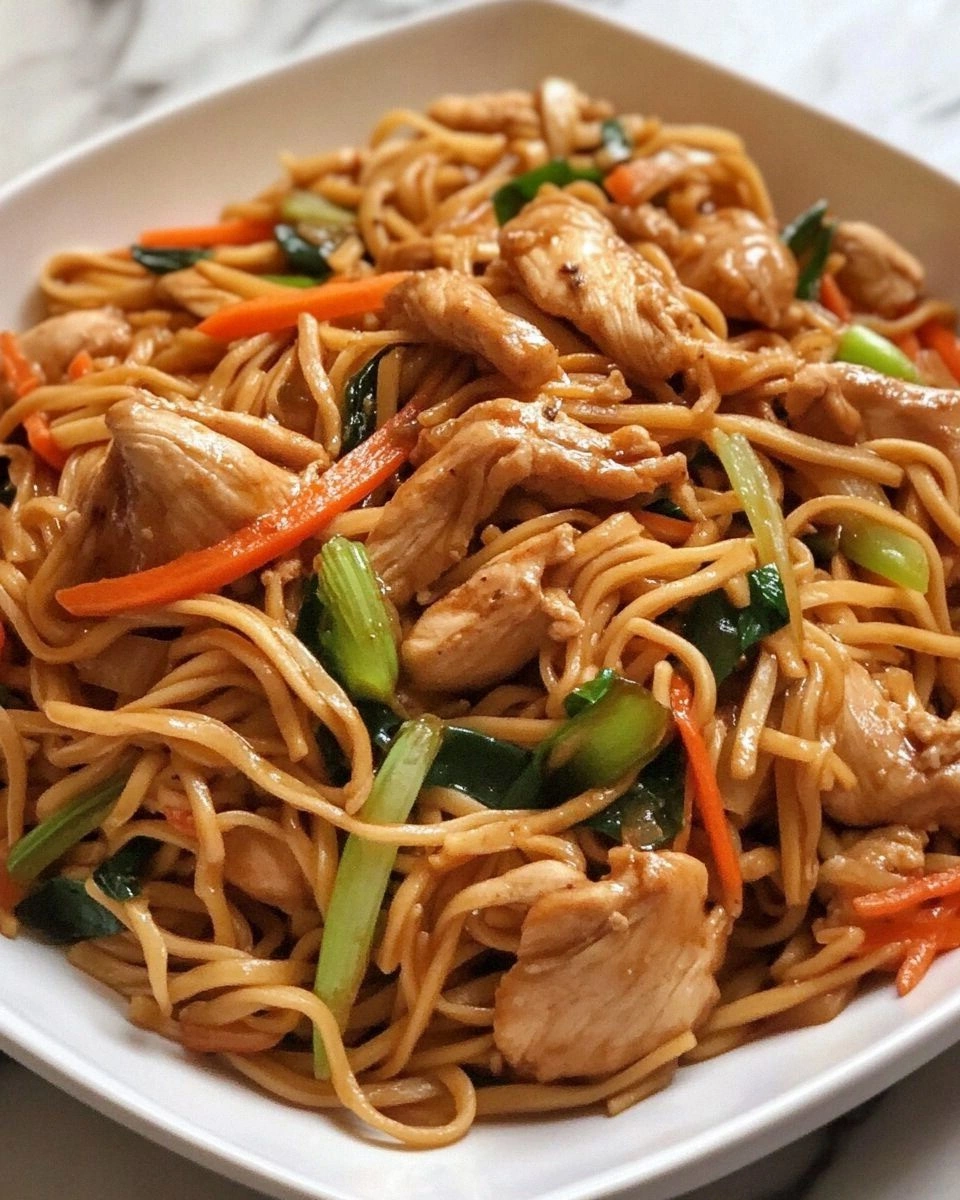
The Method — Step by Step
- Heat a large wok or skillet over high heat until it shimmers. Add the vegetable oil and swirl to coat the surface. The oil should be hot enough that it starts to shimmer but not smoke. This is the moment of truth; a properly heated wok is essential for that coveted sear.
- Add the sliced chicken breast in a single layer, letting it sear without stirring for 30 seconds. This creates a caramelized crust that locks in juices. Flip the chicken and let it cook for another 30 seconds before adding the garlic and ginger. The aroma that rises is the first hint of the dish’s depth.
- Stir in the carrots, bell pepper, and snow peas. Sauté for 2–3 minutes until the vegetables are bright and slightly tender but still crisp. The goal is to maintain that snap, like a fresh, crunchy ice that shatters when you bite.
- Push the ingredients to the side of the wok and pour in the soy sauce, oyster sauce, hoisin sauce, and sugar. Let the sauces mingle for a minute, allowing the sugar to dissolve and the flavors to meld. The mixture should thicken slightly, indicating that the sugars are caramelizing.
- Add the pre‑cooked noodles and toss everything together. Make sure the noodles are evenly coated and heated through. The noodles should not be mushy; they should still have a slight bite that contrasts with the silky sauce.
- Pour the cornstarch slurry into the wok and stir quickly. The slurry thickens the sauce, giving it a glossy sheen that clings to each noodle. Keep the heat on high for an additional 30 seconds to activate the thickening and seal in the flavors.
- Add the green onions, sesame oil, and sesame seeds. Toss everything one final time, letting the sesame oil coat the dish for a nutty aroma. This final step adds a finishing touch that elevates the dish from good to unforgettable.
- Serve immediately, garnishing with extra sesame seeds or a sprinkle of fresh cilantro if desired. The dish is best enjoyed hot, with the noodles still slightly warm and the sauce shimmering.
That’s it—you did it. But hold on, I’ve got a few more tricks that will take this to another level and make your Lo Mein feel like it’s straight out of a Michelin‑star kitchen.
Insider Tricks for Flawless Results
The Temperature Rule Nobody Follows
Many people cook the noodles at a lower heat, but a high‑heat wok is essential for that instant sear that locks in flavor. Keep the wok hot enough that the sauce sizzles immediately when added. If the wok is too cool, the sauce will steam rather than sear, resulting in a soggy dish. This trick ensures that every component retains its unique texture.
Why Your Nose Knows Best
Trust your nose when adding the garlic and ginger. When they’re sizzling, they should release a sharp, aromatic scent that signals they’re perfectly browned. If the aroma is weak or smells raw, you’re not cooking them long enough. This small sensory cue guarantees a depth of flavor that can’t be measured by a timer alone.
The 5‑Minute Rest That Changes Everything
After you finish cooking, let the dish rest for five minutes before serving. This rest period allows the flavors to meld and the sauce to thicken slightly, giving you that glossy, cohesive coat on every noodle. The rest also gives the noodles a chance to absorb the sauce without becoming overly soft.
The Secret to Perfect Noodle Texture
If you prefer a chewier noodle, add a splash of cold water right before tossing them with the sauce. This slight shock helps to firm up the noodles and keeps them from becoming too soft. It’s a simple trick that can make the difference between a good and a great dish.
The Quick Fix for Over‑Seasoned Sauce
If the sauce tastes too salty, add a teaspoon of sugar or a splash of water to dilute it. A pinch of sugar balances the saltiness and brings out the umami. This is a quick fix that saves the dish from becoming a flavor disaster.
Creative Twists and Variations
This recipe is a playground. Here are some of my favorite ways to switch things up:
Spicy Szechuan Surprise
Add Szechuan peppercorns and a generous splash of chili oil. This gives the dish a numbing heat that’s both spicy and tingling. The peppercorns also add a subtle citrusy aroma that complements the sesame oil. Perfect for those who love a fiery kick.
Coconut‑Infused Creaminess
Replace half the water in the cornstarch slurry with coconut milk. The result is a silky, slightly sweet sauce that pairs wonderfully with the savory flavors. The coconut adds a tropical twist that can transform a regular dinner into an exotic experience.
Protein‑Swap Fiesta
Swap the chicken for shrimp, tofu, or even a handful of sliced beef. Each protein brings its own texture and flavor profile. Shrimp adds a sweet, briny note, while tofu absorbs the sauce beautifully, making it a great vegetarian option.
Vegan Lo Mein
Use a plant‑based soy sauce and replace the chicken with tempeh or seitan. Add a splash of nutritional yeast for a cheesy undertone. This version is still rich and satisfying, proving that you can enjoy a classic dish without any animal products.
Nutty Crunch Edition
Add a handful of cashews or almonds to the wok just before serving. The nuts provide a satisfying crunch and a buttery flavor that enhances the overall texture. A drizzle of toasted sesame oil will tie everything together.
Herb‑Infused Delight
Finish the dish with fresh basil or mint leaves. The herbs add a bright, aromatic layer that cuts through the richness of the sauce. This variation is especially refreshing during hot summer evenings.
Storing and Bringing It Back to Life
Fridge Storage
Store the cooked Lo Mein in an airtight container in the refrigerator for up to 3 days. Keep the sauce separate from the noodles if you plan to reheat, as this prevents the noodles from becoming soggy. When ready to serve, gently reheat over medium heat, stirring frequently.
Freezer Friendly
Lo Mein can be frozen for up to 2 months. Portion the dish into freezer‑safe containers and label with the date. Thaw overnight in the refrigerator before reheating. A splash of water or broth helps restore moisture.
Best Reheating Method
Reheat the dish in a wok or skillet over medium heat, adding a splash of water or broth to loosen the sauce. Stir constantly to prevent sticking. The noodles should be heated through and the sauce should regain its glossy sheen. Serve hot for maximum flavor.