The first time I tried to make a classic chicken stew, I ended up with a pot that looked more like a science experiment than a comforting dinner. The broth had turned into a thick, gloopy mess, and every spoonful tasted like burnt plastic. I stared at the stove, feeling the heat rise like a small inferno, and thought, “If I could just get this right, it would be the kind of dish that makes people forget about their busy lives.” That moment of culinary crisis was the spark that ignited my obsession with the perfect chicken estofado, and it’s the story I’m about to share with you.
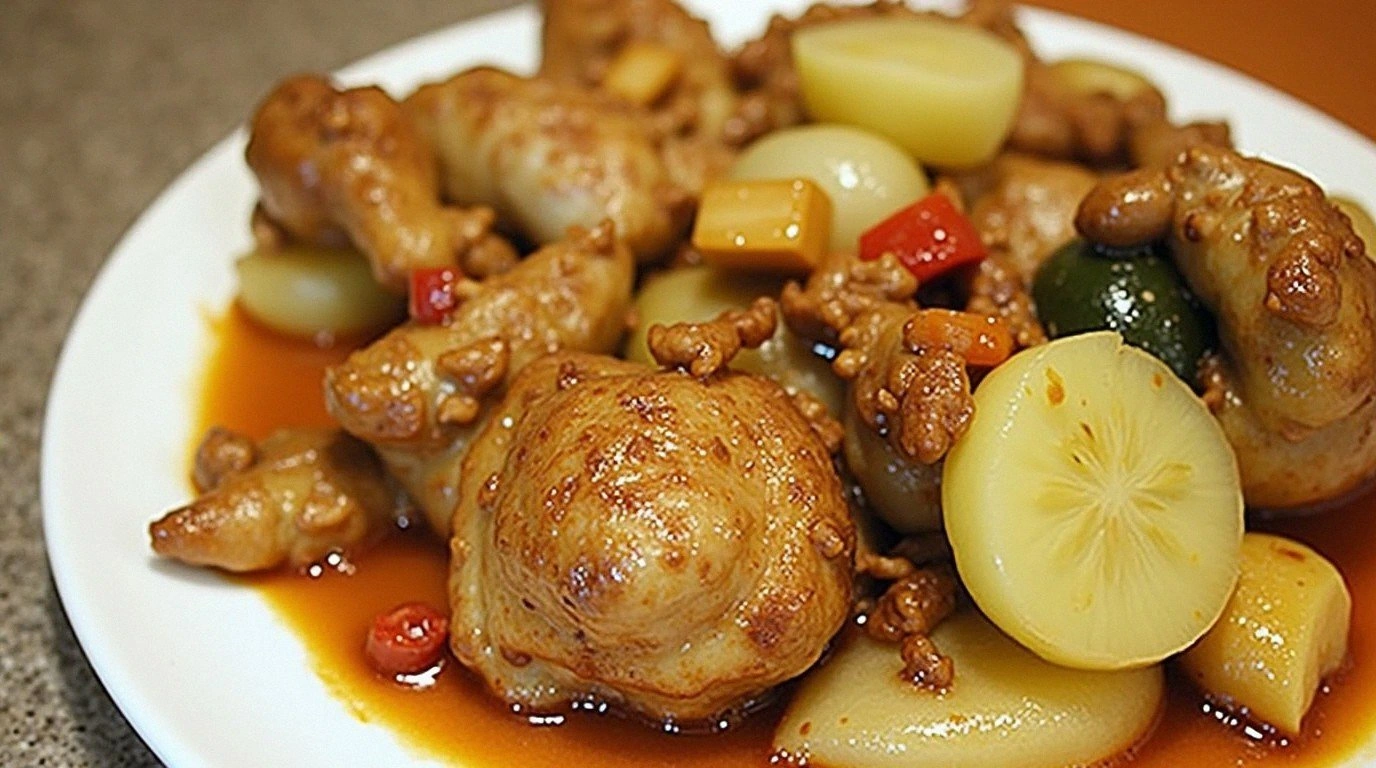
Imagine walking into your kitchen and the air is filled with the aroma of sautéed onions, garlic, and a hint of smoked paprika. The sound of the sizzling oil is like a gentle drumbeat, and the colors of carrots, potatoes, and bell peppers create a vibrant tableau. The texture of the chicken, once browned to a caramelized golden crust, promises a juicy interior that will melt in your mouth. The flavor profile is a harmonious blend of savory, slightly sweet, and a subtle smoky undertone that lingers long after the last bite. The feel of the pot, warm and inviting, makes you feel like you’re about to embark on a culinary adventure that ends in pure comfort.
What sets this version apart is that it doesn’t rely on a complex technique or exotic ingredients. Instead, it focuses on a few key principles: perfect browning, a balanced broth, and a slow simmer that allows the flavors to marry. I’ve taken a classic recipe and stripped away the fluff, leaving a dish that’s both approachable for beginners and satisfying for seasoned cooks. The result is a stew that is hands down the best version you’ll ever make at home, with a depth of flavor that will have your guests asking for the recipe after every bite.
There’s a secret ingredient that most people overlook—a splash of white wine that adds a subtle acidity and brightens the entire sauce. I dare you to taste this and not go back for seconds. That simple addition transforms the dish from good to unforgettable. Picture yourself pulling this out of the oven, the whole kitchen smelling incredible, and everyone gathering around the table, eyes wide with anticipation. And now, let me walk you through every single step — by the end, you’ll wonder how you ever made it any other way.
What Makes This Version Stand Out
- Flavor: The combination of smoked paprika, oregano, and a splash of white wine creates a layered taste that is both comforting and sophisticated. Each bite delivers a savory base with a subtle smoky kick.
- Texture: The chicken pieces develop a crisp exterior while the interior stays tender, and the vegetables retain their bite, creating a satisfying mouthfeel that keeps you coming back.
- Ease: With just one pot and a handful of pantry staples, you can achieve a restaurant‑quality stew without hours of prep work.
- Versatility: Whether you’re cooking for a family dinner or feeding a crowd, the recipe scales up or down effortlessly.
- Make‑ahead: The stew can be prepared a day in advance, and the flavors actually deepen, making it perfect for meal prep.
- Ingredient Quality: Using fresh, high‑quality chicken and vegetables is the cornerstone of this recipe’s success.
- Crowd Appeal: It’s a dish that satisfies both kids and adults, making it a go‑to option for any gathering.
- Time Efficiency: From prep to plate, the entire process takes less than an hour, yet the result feels like a gourmet experience.
Inside the Ingredient List
The Flavor Base
The foundation of this stew begins with a generous splash of olive oil, which creates a silky coating for the onions and garlic. The onions, when caramelized, release natural sugars that form the sweet backbone of the sauce. Garlic adds a pungent kick that balances the sweetness, while the smoked paprika introduces a subtle heat that lingers on the palate. If you skip the paprika, the stew will feel flat and lack that signature smoky depth.
The Texture Crew
Potatoes and carrots bring hearty substance to the dish, their starches thickening the broth as they cook. The bell pepper adds a pop of color and a gentle crunch, especially if you leave it slightly undercooked. The chicken thighs, cut into bite‑size pieces, provide protein and a juicy bite that contrasts with the soft vegetables. Without the right cuts, the chicken can become dry; using bone‑in, skin‑on pieces keeps it moist.
The Unexpected Star
White wine is the unsung hero that brightens the entire stew. Its acidity cuts through the richness of the broth and lifts the flavors of the tomatoes and herbs. Even if you’re not a wine enthusiast, a splash of dry white wine works wonders. If you’re avoiding alcohol, substitute with chicken broth or a splash of apple cider vinegar for a similar acidic lift.
The Final Flourish
Fresh parsley, added at the end, provides a burst of freshness that balances the deep, slow‑cooked flavors. A pinch of thyme or oregano can be added early on to infuse the broth with aromatic herbs. The bay leaf, though subtle, adds a depth that you’ll notice with every spoonful. Remember, the final garnish is not just decorative—it’s a flavor enhancer that completes the dish.
Everything’s prepped? Good. Let’s get into the real action…
The Method — Step by Step
- Heat the olive oil in a large Dutch oven over medium heat until shimmering. Add the diced onions and a pinch of salt, letting them soften until translucent—about 5 minutes. This step builds the aromatic base that will carry the rest of the flavors. Watch the onions; when they start to turn golden, you know you’re on the right track.
- Add the minced garlic and cook for 30 seconds, just until fragrant. Be careful not to burn the garlic, or the stew will take on a bitter edge. The garlic should release its aroma like a subtle perfume, filling the kitchen.
- Introduce the sliced carrots and diced potatoes, stirring to coat them in the oil and aromatics. Sauté for 3-4 minutes, allowing the vegetables to develop a slight crust. This step locks in their natural sweetness and adds body to the broth.
- Add the chicken pieces, turning them until they’re lightly browned on all sides. Don’t rush this step; the browning process is essential for depth of flavor. The chicken should sizzle as it hits the pan, a sound that signals the beginning of a delicious journey.
- Pour in the white wine, letting it reduce by half. This reduction intensifies the acidity and concentrates the flavors. Watch the liquid evaporate; when it’s reduced, the stew will have a richer, more complex taste.
- Stir in the crushed tomatoes, tomato paste, smoked paprika, oregano, thyme, and bay leaf. Mix thoroughly to ensure the spices are evenly distributed. The sauce should thicken slightly, coating the chicken and vegetables with a glossy sheen.
- Add the chicken broth, ensuring the liquid covers the ingredients by at least an inch. Bring the mixture to a gentle boil, then reduce the heat to low. This slow simmer allows the flavors to meld and the chicken to become tender.
- Cover the pot and let it simmer for 30 minutes, or until the chicken is fork‑tender and the vegetables are cooked through. Stir occasionally to prevent sticking. The aroma at this point will be intoxicating, a blend of herbs, garlic, and roasted meat.
- Remove the bay leaf and adjust seasoning with salt and freshly ground pepper to taste. Sprinkle fresh parsley over the top for a burst of color and freshness. The final garnish adds a bright note that contrasts with the rich, slow‑cooked sauce.
- Serve hot, accompanied by crusty bread or a side of rice. The stew’s thick, velvety sauce will cling to every bite, creating a comforting, satisfying meal.
That's it — you did it. But hold on, I've got a few more tricks that'll take this to another level...
Insider Tricks for Flawless Results
The Temperature Rule Nobody Follows
Many cooks think a high simmer is best, but a gentle, low simmer preserves the delicate flavors of the herbs and prevents the broth from becoming cloudy. Keep the heat low after the initial boil, and let the stew bubble softly for the entire cooking time. This subtle change makes the difference between a dish that tastes rushed and one that feels like a slow, comforting hug.
Why Your Nose Knows Best
Smell is a powerful cue for doneness. When the broth begins to thicken and the chicken gives off a savory, almost buttery aroma, you’re close to perfection. Trust your nose, and you’ll avoid overcooking the chicken or undercooking the vegetables.
The 5-Minute Rest That Changes Everything
Once you’ve finished simmering, let the stew sit, covered, for 5 minutes before serving. This resting period allows the flavors to settle, resulting in a richer, more cohesive taste. It also lets the liquid thicken slightly, giving the dish a luscious consistency.
Use Fresh Herbs, Not Dried
Fresh parsley, thyme, and oregano release a brighter, more vibrant flavor compared to their dried counterparts. If you’re using dried herbs, add them earlier in the cooking process to allow their flavors to bloom fully.
Add a Splash of Acid at the End
A squeeze of fresh lemon juice or a splash of vinegar right before serving brightens the stew and balances the richness. It’s a simple tweak that elevates the dish from good to unforgettable.
Creative Twists and Variations
This recipe is a playground. Here are some of my favorite ways to switch things up:
Smoky Chipotle Twist
Replace smoked paprika with chipotle powder for a smoky, slightly spicy kick. Add a pinch of cocoa powder for depth. This version pairs wonderfully with a side of black beans.
Mediterranean Medley
Swap the white wine for a splash of sherry and add sun‑dried tomatoes, olives, and a handful of spinach. Finish with a sprinkle of feta cheese for a Mediterranean flair.
Creamy Coconut Variation
Add half a cup of coconut milk in the final simmer to create a silky, tropical version. Pair with jasmine rice and garnish with fresh cilantro.
Vegetarian Version
Omit the chicken and replace with hearty cubed tofu or seitan. Use vegetable broth and increase the amount of tomatoes for a richer sauce.
Low‑Carb Option
Reduce the potatoes to half a cup and replace them with cauliflower florets. This keeps the dish low in carbs while still delivering a comforting texture.
Spicy Szechuan Kick
Add Szechuan peppercorns and a splash of soy sauce during step 6. Finish with a sprinkle of crushed red pepper flakes for an extra burst of heat.
Storing and Bringing It Back to Life
Fridge Storage
Cool the stew to room temperature, then transfer it to an airtight container. Store in the refrigerator for up to 4 days. The flavors will deepen, and the stew will be even more comforting when reheated.
Freezer Friendly
Divide the stew into portioned containers and freeze for up to 3 months. Thaw overnight in the refrigerator before reheating. Add a splash of water or broth before heating to maintain moisture.
Best Reheating Method
Reheat gently on the stovetop over low heat, stirring occasionally. Add a tiny splash of water or broth to keep the sauce from drying out. Finish with a pinch of fresh herbs for a bright finish.