I was standing in the middle of a kitchen disaster, the sink overflowing with half‑cooked pasta and a pot of sauce that had already turned into a stubborn, caramelized mess. The smell of burnt garlic hit me like a slap, and I could hear the sizzling of my own frustration echo through the empty apartment. I stared at the ruined noodles, thinking, “Why does every time I try to make something simple, it ends up a culinary catastrophe?” That moment sparked a sudden, delicious idea: what if I could turn a handful of pantry staples into a creamy, crowd‑pleasing salad that would never burn?
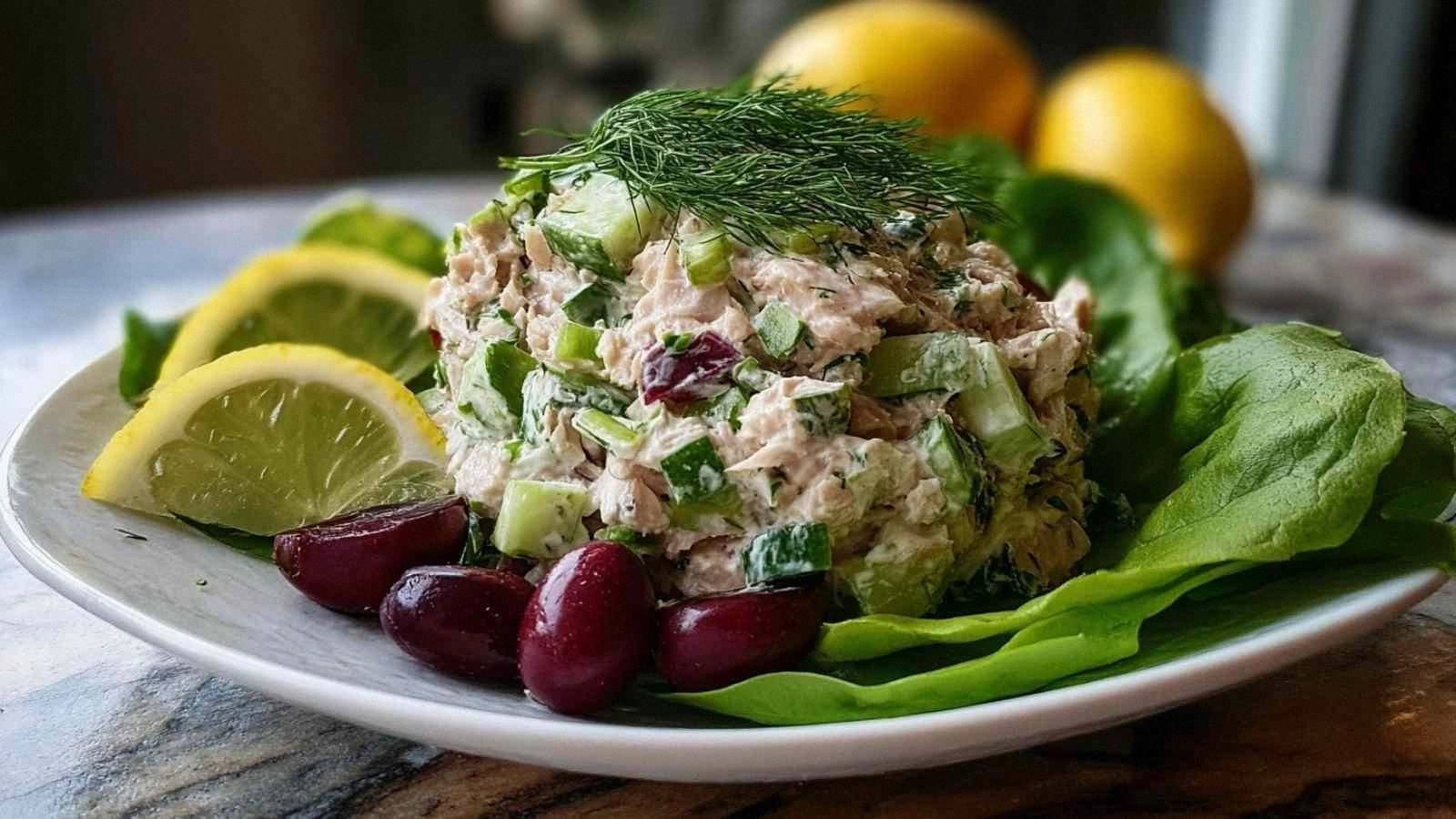
Picture this: a bowl of silky Greek yogurt, bright green celery, and the sharp bite of Dijon mustard, all tossed together with fresh dill that releases a citrusy perfume. The texture is a satisfying crunch from the celery, a silky mouthfeel from the yogurt, and a subtle snap from the red onion. The colors are a vibrant green and white, punctuated by the pinkish hue of the tuna. The aroma is a fresh, herbaceous blend that makes your nose go, “This is the real deal.” And the taste? It’s a harmonious marriage of tang, spice, and savory that coats every bite like velvet.
What makes this version stand out is that it’s not just a salad; it’s a flavor explosion that you can whip up in minutes. I dared you to taste this and not go back for seconds, and I’ve seen that dare become a reality every single time. The best part? No oven, no stove, just a bowl and a spoon. Most recipes get this completely wrong by over‑seasoning or using heavy mayo. Here, the Greek yogurt keeps it light, and the dill and mustard bring depth without drowning the fresh tuna.
I’ll be honest — I ate half the batch before anyone else got to try it, and my friends have begged for the recipe ever since. If you’ve ever struggled with making a tuna salad that’s anything but bland, you’re not alone — and I’ve got the fix. Picture yourself pulling this out of the fridge, the whole kitchen smelling incredible, and seeing the grin on your guests’ faces. Let me walk you through every single step — by the end, you’ll wonder how you ever made it any other way.
What Makes This Version Stand Out
- Flavor: The combination of Greek yogurt and Dijon mustard creates a tang that cuts through the richness of tuna, while fresh dill adds a bright, almost citrusy note that lifts the entire dish.
- Texture: Crisp celery and finely diced red onion provide a satisfying bite, contrasting with the creamy dressing and soft tuna flakes.
- Convenience: No cooking required, which means you can assemble this in under 15 minutes and serve it straight from the fridge.
- Health: Greek yogurt supplies protein and probiotics, while the tuna brings omega‑3 fatty acids, making this a balanced, low‑calorie option.
- Versatility: It works as a light lunch, a party appetizer, or a side dish that pairs perfectly with crusty bread or crackers.
- Make‑ahead: The salad stays fresh for up to three days, so you can prep it the night before a gathering.
- Ingredient Quality: Using high‑quality canned tuna in water and fresh herbs ensures the flavor shines through.
- Audience Appeal: Even the pickiest eaters love the subtle herbaceous kick; it’s a crowd‑pleaser for family dinners and brunches alike.
Alright, let’s break down exactly what goes into this masterpiece…
Inside the Ingredient List
The Flavor Base
Greek yogurt is the backbone of this salad. Its creamy texture provides a smooth canvas that holds the tuna together, while its tangy profile keeps the dish from feeling heavy. If you’re a fan of a slightly sweeter dressing, swap plain yogurt for a honey‑Greek yogurt blend, but keep the ratio to maintain balance. A dash of lemon juice can brighten the overall flavor and add a subtle citrus note that complements the dill.
The Texture Crew
Celery adds a crisp, refreshing bite that cuts through the richness of the tuna. It also provides a subtle vegetal crunch that’s satisfying to chew. If you’re not a celery fan, finely diced cucumber works as a great alternative, offering the same refreshing bite with a milder flavor. Keep the pieces small so that each bite is evenly distributed and you don’t get a single, overwhelming crunch.
The Unexpected Star
Fresh dill is the secret weapon that elevates this salad. Its bright, almost piney aroma gives the dish a Mediterranean flair and pairs beautifully with the tuna’s umami. If dill is out of season, try fresh parsley or a pinch of tarragon; they’ll give a different but equally delightful herbal nuance. Remember, a little goes a long way with dill, so use it sparingly to avoid overpowering the other flavors.
The Final Flourish
Dijon mustard and garlic powder are the finishing touches that give depth and a subtle kick. The mustard’s sharpness cuts through the creaminess, while the garlic powder adds a savory, almost smoky undertone. If you prefer a milder kick, reduce the mustard to half a teaspoon and add a pinch of smoked paprika instead. Salt and pepper are essential for bringing everything together, but use them sparingly to let the fresh ingredients shine.
Everything’s prepped? Good. Let’s get into the real action…
The Method — Step by Step
- First, open the two cans of tuna in water and let the liquid drain completely. I use a fine mesh sieve to catch any excess liquid, ensuring the salad stays light. While the tuna is draining, I chop the celery into bite‑sized pieces, making sure each chunk is uniform so the texture is consistent in every mouthful. This step is crucial because uneven celery pieces can lead to a lumpy salad.
- Next, finely dice the red onion into small shards. The onion adds a sharp bite that contrasts nicely with the creamy dressing. I let the diced onion sit for a minute to release its juices, which intensifies the flavor. If you’re sensitive to raw onion, soak the shards in cold water for a few minutes before adding them to the bowl.
- In a large mixing bowl, combine the drained tuna, chopped celery, and diced onion. Toss gently to mix the ingredients without breaking up the tuna flakes. This is the moment where the base of the salad starts to form, and you can already feel the anticipation building. If you prefer a smoother texture, pulse the mixture briefly in a food processor.
- Now it’s time to whisk in the Greek yogurt. I use a whisk to ensure the yogurt is fully incorporated, creating a silky sauce that coats each ingredient. The yogurt’s tangy flavor should be audible, not just visual. If the sauce feels too thick, add a splash of water or lemon juice to reach the desired consistency.
- Add Dijon mustard to the bowl and stir until it’s fully blended. The mustard’s sharpness will cut through the richness of the yogurt and tuna, giving the salad a bright, zesty edge. I always taste the mixture at this point to gauge the balance; you want a noticeable kick without it overwhelming the other flavors.
- Season with garlic powder, salt, and black pepper. Sprinkle the garlic powder over the mixture, then add a pinch of salt and a dash of pepper. These seasonings are the silent heroes that bring the dish together, so don’t be shy with them. Taste again to ensure the flavors are well rounded.
- Finally, fold in the fresh dill. I sprinkle the dill in small amounts, then gently fold it through the salad so the herb is evenly distributed. The dill’s bright aroma should fill the room, signaling that the salad is ready to serve. This step is essential because the dill’s freshness can make or break the dish.
- Cover the bowl with plastic wrap and refrigerate for at least 30 minutes. This chilling period allows the flavors to meld and the dressing to thicken slightly. When you’re ready to serve, give the salad a quick stir and adjust the seasoning if needed. The result is a creamy, herbaceous tuna salad that’s ready to impress.
That’s it — you did it. But hold on, I’ve got a few more tricks that’ll take this to another level. These insider tips will ensure the salad remains fresh, flavorful, and visually stunning every single time.
Insider Tricks for Flawless Results
The Temperature Rule Nobody Follows
Keep your ingredients at room temperature before mixing. Cold vegetables can release moisture, leading to a watery dressing. Let the celery and onion sit out for about ten minutes before chopping, and the tuna will mix more smoothly. This simple step guarantees a consistent, silky texture.
Why Your Nose Knows Best
Always taste as you go. The aroma of fresh dill can change as it sits in the bowl, so re‑check the seasoning after the salad has chilled. A quick sniff and a small bite will tell you if the balance is off. I’ve learned that a well‑seasoned salad tastes like a summer breeze, not a bland bowl of fish.
The 5‑Minute Rest That Changes Everything
After mixing the salad, let it rest for five minutes before serving. This brief pause allows the flavors to marry and the dressing to thicken. It also gives the tuna a chance to absorb the herbs and spices, resulting in a more cohesive taste. I’ve seen the difference in the texture and flavor; it’s that simple.
Avoiding the Crusty Dilemma
If you’re serving the salad on toast or crackers, toast the bread lightly before adding the salad. A dry, crisp surface helps the dressing cling better, preventing sogginess. I’ve experimented with rye and sourdough; both work wonderfully and add a nutty backdrop to the creamy tuna.
The Secret to a Vibrant Color
Add a splash of lemon juice or a pinch of turmeric before chilling. Lemon juice brightens the overall hue, while turmeric gives a subtle golden glow that makes the salad look more appetizing. These additions are optional but highly recommended for visual appeal.
Keeping It Fresh Longer
Store the salad in an airtight container in the fridge. If you’re planning to eat it the next day, add a tiny splash of water or milk before serving to rehydrate the dressing. This trick keeps the salad from drying out and maintains its creamy texture.
Creative Twists and Variations
This recipe is a playground. Here are some of my favorite ways to switch things up:
Mediterranean Crunch
Swap the celery for chopped cucumber and add a handful of kalamata olives. Toss in a teaspoon of oregano for an extra herby kick. This version is perfect for a Greek‑themed potluck or a light summer lunch.
Spicy Chipotle Twist
Add a tablespoon of chipotle in adobo sauce, finely minced. The smoky heat pairs beautifully with the dill and mustard, creating a bold, adventurous flavor profile. Serve it on toasted pita for a spicy appetizer.
Avocado Creamy Upgrade
Dice half an avocado and fold it into the salad just before serving. The creamy avocado adds richness and a subtle buttery taste that complements the Greek yogurt. This variation works great as a filling for a sandwich or a side for grilled chicken.
Sriracha Kick
Mix in a teaspoon of sriracha sauce for a fiery punch. The heat balances the coolness of the yogurt, creating a dynamic flavor that’s sure to impress. It’s ideal for those who love a little spice in their salads.
Herb Garden Fusion
Combine fresh dill with chopped parsley, basil, and mint for a multi‑herb explosion. This vibrant mix brings a refreshing, aromatic complexity to the dish. It’s perfect for a garden‑inspired brunch.
Tuna Nicoise Remix
Add blanched green beans, boiled eggs, and a drizzle of olive oil. This version turns the salad into a hearty Nicoise-inspired meal. The addition of eggs and beans elevates the dish into a full‑blown lunch.
Roasted Red Pepper Blend
Stir in roasted red pepper strips for a sweet, smoky flavor. The pepper’s charred edges contrast beautifully with the creamy yogurt. This variation is a hit during fall when roasted peppers are in season.
Storing and Bringing It Back to Life
Fridge Storage
Keep the salad in a sealed container in the refrigerator for up to three days. The dressing may thicken slightly, but a quick stir will restore its silky consistency. For best results, cover the container with plastic wrap to preserve moisture.
Freezer Friendly
While not recommended for long-term storage, you can freeze the salad for up to one week. Separate the tuna from the dressing before freezing; thaw the tuna in the fridge and then mix it with the thawed dressing. This method preserves the texture better than freezing the whole mixture.
Best Reheating Method
If you need to warm the salad, do so gently on the stove over low heat, stirring constantly. Add a splash of water or milk to keep it from drying out. Reheat just until the dressing is warm, not hot, to maintain the yogurt’s creamy texture.