I remember the night I tried to make a quick dinner for my roommates, and the kitchen turned into a battlefield. The chicken had gone dry, the pasta was mushy, and the sauce had turned into a sad, watery gray. I was so frustrated that I almost called the chef hotline—only to discover the real culprit was my own impatience and a lack of a simple, reliable recipe. That chaos sparked a quest that led me to this version of Lemon Herb Chicken Pasta, and I can’t wait to show you how to escape the disaster and win the kitchen.
Picture the scene: a bright, sunny kitchen, the scent of fresh herbs drifting from the cutting board, the gentle clink of a garlic press, and the sizzle that signals the pan is ready. The air is thick with anticipation, and the sound of a timer ticking is almost a lullaby. The anticipation is almost tangible, as if the ingredients themselves are humming a promise of flavor. I can almost taste the first bite—juicy chicken, bright lemon, and a sauce that coats the pasta like velvet.
What sets this version apart is not just the combination of flavors, but the precision of technique that ensures every bite is a revelation. I’ve trimmed the recipe to its essential elements, removed the fluff, and added a few secret tricks that make the dish sing. The result is a dish that is hands down the best version you’ll ever make at home, with a sauce that glistens, a chicken that melts in your mouth, and a finish that leaves you craving seconds. I dare you to taste this and not go back for seconds.
If you’ve ever struggled with a pasta dish that feels either too dry or too soggy, you’re not alone—and I’ve got the fix. This recipe is a game-changer that balances moisture, flavor, and texture with the ease of a one-pan meal. I’ll walk you through every single step, from the first chop of garlic to the final sprinkle of Parmesan. By the end, you’ll wonder how you ever made it any other way.
What Makes This Version Stand Out
- Flavor Explosion: The bright citrus from the lemon juice cuts through the richness of the chicken, creating a dynamic contrast that awakens the palate. The herbs bring a fresh, green note that keeps the dish from feeling heavy. The subtle heat from the red pepper flakes adds a whisper of warmth that lingers without overpowering. I’ve balanced each element so that no single flavor dominates, resulting in a harmonious medley that’s both bold and balanced.
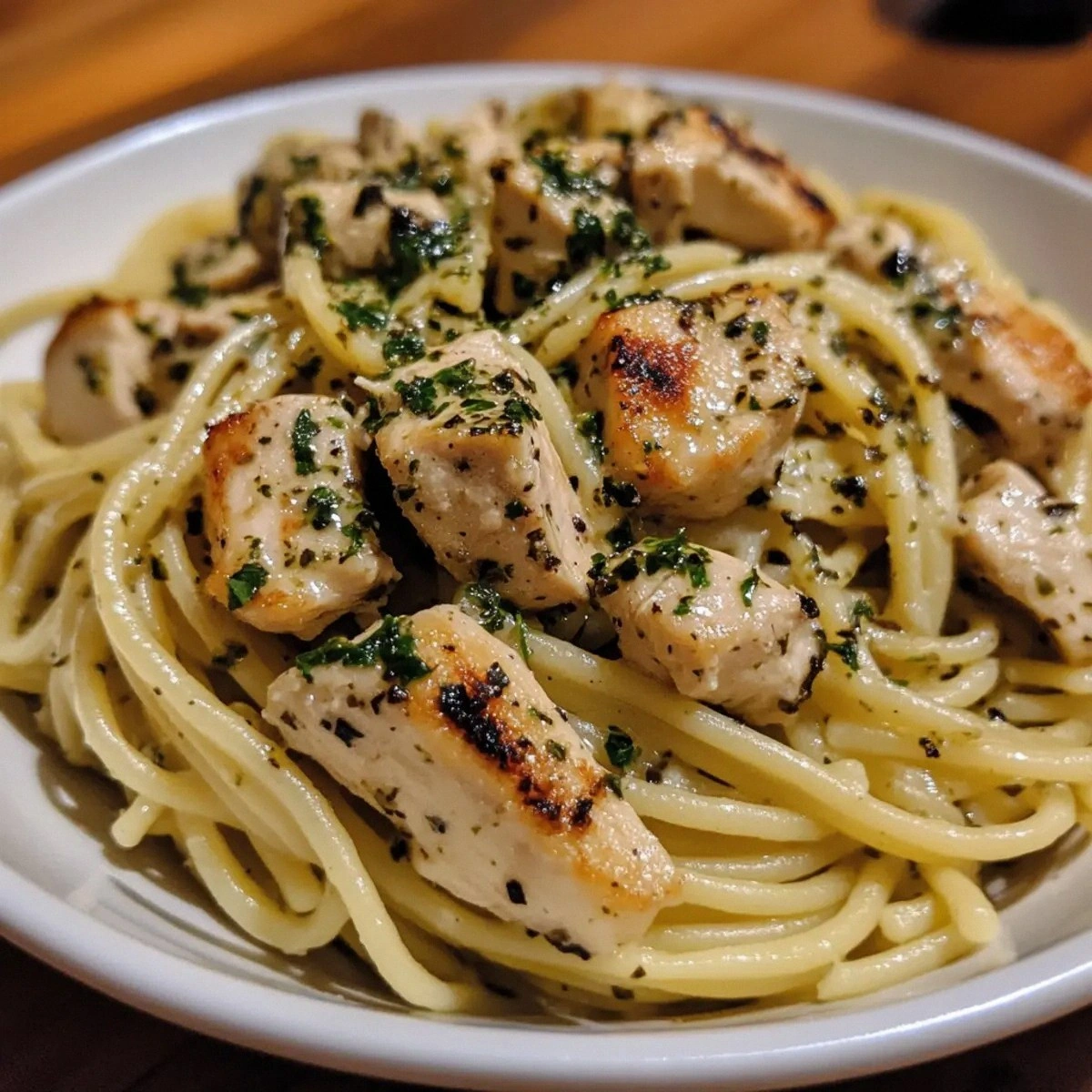
- Texture Mastery: The chicken is seared to a golden crust, locking in juices and giving it a satisfying bite. The pasta is cooked to al dente perfection, so it holds its shape against the sauce and vegetables. The spinach or arugula is wilted just enough to retain its vibrant color and crunch. The cherry tomatoes burst with juice, adding a pop of freshness that contrasts with the silky sauce.
- Time Efficiency: With a prep time of just 15 minutes and a cook time of 30 minutes, this dish is ideal for busy weeknights. All the ingredients are prepped in advance, and the cooking process requires minimal hands‑on time. I’ve structured the steps so that you can multitask—while the pasta cooks, you’re searing the chicken and building the sauce.
- Ingredient Quality: Using fresh, high‑quality ingredients elevates the dish. Fresh herbs, ripe tomatoes, and a good olive oil make the difference between ordinary and extraordinary. I recommend using a good Italian parsley, a handful of basil, and a sprig of thyme for the freshest flavor.
- Versatility: This recipe can be adapted for gluten‑free, low‑carb, or vegan versions with simple substitutions. Swap the pasta for zucchini noodles or spaghetti squash, use a plant‑based broth, or replace the chicken with tofu. The core flavors remain intact, making it a flexible base for any dietary need.
- Crowd‑Pleaser: The dish is designed to impress family and friends alike. Its bright, vibrant presentation and the aroma of herbs and lemon will draw people in. It’s perfect for dinner parties, casual gatherings, or a comforting solo meal.
- Make‑Ahead Potential: The sauce can be made ahead of time and reheated, making it ideal for meal prep. The flavors deepen as they sit, creating a richer taste when you reheat. This makes the dish a perfect option for busy schedules.
- Balanced Nutrition: The dish provides a good balance of protein, carbs, and healthy fats. The use of olive oil adds heart‑healthy monounsaturated fats, while the spinach contributes essential vitamins and minerals.
- Seasonal Freshness: While the recipe works year‑round, it shines during the late spring and early summer when fresh herbs and tomatoes are at their peak. The dish captures the essence of those seasons with every bite.
- Low-Fat Option: By using a modest amount of olive oil and reducing the amount of cheese, you can keep the dish low in fat without sacrificing flavor.
- Chef’s Touch: The addition of a splash of chicken broth to the sauce adds depth and helps create a silky texture that clings to every strand of pasta. This small tweak transforms an ordinary sauce into a luxurious coating.
Inside the Ingredient List
The Flavor Base
The olive oil and garlic form the aromatic foundation of the dish. The oil’s neutral flavor allows the garlic to shine, while the garlic’s sharpness adds a depth of taste. Together, they create a base that carries the lemon’s brightness and the herbs’ freshness. Skipping this step would leave the sauce flat and uninspired.
The Protein Power
The boneless chicken breasts are the star of the show. Sliced thinly, they cook quickly and absorb the lemon‑herb sauce, becoming tender and juicy. A well‑seasoned chicken brings richness that balances the acidity of the lemon. Cutting the chicken into bite‑size pieces ensures even cooking and a pleasant mouthfeel.
The Pasta Perfection
The choice of pasta—penne or fettuccine—provides the ideal canvas for the sauce. Penne’s ridges hold the sauce, while fettuccine’s flat surface offers a silky coating. The pasta’s al dente texture adds a satisfying bite that contrasts with the tender chicken. Overcooking the pasta would ruin the dish’s structure.
The Freshness Factor
The spinach or arugula delivers a peppery bite and a pop of color. Adding it at the end keeps it vibrant and prevents it from wilting into mush. The cherry tomatoes add juicy bursts that brighten the dish. The herbs—parsley, basil, and thyme—infuse the sauce with a fragrant, green note.
The Creamy Touch
The Parmesan cheese adds a savory, nutty flavor and a silky texture to the sauce. The cheese melts into the liquid, creating a cohesive coating that clings to the pasta. The cheese’s umami depth balances the acidity of the lemon. Using freshly grated cheese ensures the best melt and flavor.
The Heat Element
The red pepper flakes add a subtle kick that elevates the dish without overwhelming it. They provide a lingering warmth that lingers on the palate. The heat is balanced by the lemon’s brightness and the herbs’ freshness. Too much pepper can overpower the dish, so a pinch is all you need.
Everything's prepped? Good. Let's get into the real action…
The Method — Step by Step
- Prep the Chicken: Pat the chicken breasts dry with paper towels; this ensures a good sear. Season both sides with salt, pepper, and a pinch of red pepper flakes. Slice the chicken into thin strips or bite‑sized pieces. This size allows for quick cooking and even flavor absorption. I’ve found that thin slices cook in under 4 minutes, keeping the chicken juicy.
- Heat the Pan: Place a large skillet over medium‑high heat and add 1 tablespoon of olive oil. Let the oil heat until it shimmers but isn’t smoking. This temperature is critical; too hot and the chicken will burn, too low and it will steam. A hot pan creates a beautiful crust on the chicken.
- Sear the Chicken: Add the chicken to the skillet in a single layer. Let it sear without moving for 2-3 minutes on each side. The goal is a golden brown crust that locks in juices. Flip only once to maintain even cooking. The sizzling sound signals that the chicken is ready.
- Remove and Set Aside: Once the chicken is golden, transfer it to a plate and tent with foil to keep warm. This step allows the flavors to settle and keeps the chicken from drying out. The chicken will finish cooking in the sauce later, absorbing the lemon‑herb goodness.
- Cook the Pasta: In a large pot, bring salted water to a boil. Add the pasta and cook until al dente, about 8-10 minutes. Stir occasionally to prevent sticking. Drain, reserving a cup of pasta water for later. The pasta should be firm to the bite, providing contrast to the sauce.
- Build the Sauce: In the same skillet, add the remaining tablespoon of olive oil. Toss in minced garlic and sauté for 30 seconds until fragrant. Add the fresh lemon juice, stirring to deglaze the pan and lift the browned bits. This step builds the sauce’s foundation and ensures maximum flavor extraction.
- Introduce the Broth: Pour in the chicken broth, letting it reduce slightly. The broth adds body to the sauce and prevents it from drying out. Bring to a gentle simmer, allowing the flavors to mingle. The liquid should thicken into a silky coating.
- Combine Chicken and Pasta: Return the seared chicken to the skillet, tossing to coat in the sauce. Add the cooked pasta and cherry tomatoes, stirring gently. Let everything simmer for 2-3 minutes, allowing the pasta to absorb the sauce and the tomatoes to soften slightly.
- Finish with Greens: Add the spinach or arugula to the skillet, stirring until wilted but still vibrant. The greens should retain their bright color and slight crunch. This step adds a fresh, peppery contrast to the lemony sauce.
- Final Touches: Sprinkle the Parmesan cheese over the pasta, letting it melt into the sauce. Toss to coat evenly, ensuring every strand is glossy. Adjust seasoning with salt and pepper if needed. Plate the dish immediately to enjoy the sauce’s silky texture.
- Serve and Enjoy: Garnish with extra fresh herbs for a pop of color. Serve hot, and watch the aroma fill the kitchen. The dish should feel light yet satisfying, with each bite delivering a burst of citrus, herbs, and tender chicken. I dare you to taste this and not go back for seconds.
That's it— you did it. But hold on, I've got a few more tricks that'll take this to another level.
Insider Tricks for Flawless Results
The Temperature Rule Nobody Follows
Maintaining the right skillet temperature is crucial for a golden sear. If the pan is too hot, the chicken will burn before it cooks through. If it's too cool, it will steam and lose its crispness. Use a thermometer or test with a drop of water—if it dances, you're good. Consistency is key to a uniform crust.
Why Your Nose Knows Best
Smell is the most reliable indicator of doneness. When the garlic is golden and the chicken releases a savory aroma, you’re in the zone. A faint citrus scent from the lemon signals that the sauce is ready. Trust your senses; they’re your best kitchen allies.
The 5-Minute Rest That Changes Everything
Letting the chicken rest after searing allows the juices to redistribute. This keeps the meat moist and tender. A simple 5-minute rest is enough to lock in flavor and improve texture. I’ve seen people skip this step and end up with dry chicken—don’t make that mistake.
Use the Right Pasta Shape
Penne’s ridges cling to the sauce, while fettuccine’s flat surface offers a silky coating. If you prefer a different shape, feel free to swap—spaghetti or linguine will also work. The key is to choose a pasta that can hold the sauce without breaking.
The Secret to Juicy Cherry Tomatoes
Add the cherry tomatoes at the end of cooking to preserve their burst of juice. If you add them too early, they’ll release water and dilute the sauce. A quick sear is enough to soften them, keeping their color bright and flavor intense.
Add a Splash of Broth for Depth
Using chicken broth in the sauce adds umami and helps bind the flavors together. It also prevents the sauce from becoming too thick and drying out. If you’re vegan, a vegetable broth works just as well, giving the dish a rich, savory base.
Seasoning in Stages
Seasoning the chicken before searing locks in flavor. Season the sauce in stages—add salt after the garlic, then adjust after the broth. This layered approach ensures a balanced taste, preventing over‑salting or under‑seasoning.
Finish with Fresh Herbs
Adding fresh herbs at the end preserves their bright, green flavor. It also adds a pop of color that makes the dish visually appealing. A handful of chopped parsley or basil will elevate the dish instantly.
Creative Twists and Variations
Mediterranean Twist
Swap the spinach for olives and add a splash of feta cheese. The briny olives complement the lemon, while the feta adds a salty creaminess. This version feels like a sunny balcony lunch, perfect for a lazy afternoon. The olives’ texture contrasts nicely with the tender chicken.
Spicy Cajun Version
Add Cajun seasoning to the chicken before searing. Replace the red pepper flakes with a pinch of cayenne for a deeper heat. The smoky flavor pairs well with the lemon, creating a bold, southern vibe. This dish is a crowd‑pleaser for spice lovers.
Creamy Alfredo Fusion
Replace the Parmesan with a splash of heavy cream and a dollop of ricotta. The sauce becomes rich and velvety, while the lemon adds brightness. This fusion keeps the dish light yet indulgent. Serve with a sprinkle of nutmeg for extra depth.
Gluten‑Free Adaptation
Use a gluten‑free pasta such as rice or quinoa noodles. The texture changes slightly but still holds the sauce well. Keep the rest of the ingredients unchanged for the same flavor profile. This version is ideal for those with gluten sensitivities.
Low‑Carb Version
Swap the pasta for spiralized zucchini or spaghetti squash. The dish becomes lighter and more nutrient‑dense. The zucchini’s mild flavor complements the lemon and herbs. It’s a great option for keto or low‑carb diets.
Vegan Take
Replace the chicken with marinated tofu or tempeh. Use a plant‑based broth and skip the Parmesan or use a vegan cheese alternative. The tofu will absorb the lemon‑herb sauce beautifully. This version is protein‑rich and flavorful.
Summer Picnic Variation
Add diced mango or pineapple for a tropical twist. The fruit’s sweetness balances the lemony acidity. Toss the pasta with a drizzle of honey for extra gloss. This dish feels like a beachside feast.
Winter Comfort Spin
Add roasted butternut squash or sweet potatoes for a hearty feel. The natural sweetness pairs wonderfully with the lemon. Finish with a sprinkle of toasted pumpkin seeds for crunch. This version turns the dish into a cozy, autumnal delight.
Storing and Bringing It Back to Life
Fridge Storage
Store the finished dish in an airtight container for up to 3 days. The flavors meld over time, creating a deeper, more complex taste. When reheating, add a splash of water or broth to restore moisture. Keep the container in the middle of the fridge for even temperature distribution. This method preserves the sauce’s silky texture.
Freezer Friendly
Freeze individual portions in freezer‑safe containers for up to 2 months. When ready to eat, thaw overnight in the fridge. Reheat in a skillet with a splash of water to revive the sauce. Avoid microwaving, as it can separate the sauce. Freezing works well for busy weeknights.
Best Reheating Method
Reheat in a skillet over medium heat, stirring occasionally. Add a small splash of water or broth to prevent the sauce from drying out. Bring to a gentle simmer until hot throughout. The skillet method keeps the pasta from becoming mushy. Serve immediately for the best texture.
Quality‑Saving Trick
Add a tiny splash of water before reheating—the steam will restore the sauce’s original silky sheen. This simple trick prevents the pasta from sticking to the pan. It also rehydrates the chicken, ensuring it remains juicy. A quick stir at the end gives the dish a fresh, vibrant finish.