It all started with a kitchen catastrophe that I’ll never forget: a batch of over‑cooked chicken that tasted like cardboard and a sauce that was a sad, watery drizzle. I stared at the ruined dish, feeling the sting of disappointment and a fierce resolve to turn that failure into a triumph. That night, I was determined to find a recipe that would rescue any chicken, any time, and leave the whole family begging for seconds. The idea of a sheet‑pan masterpiece that could be whipped up in under half an hour felt like a secret weapon in my culinary arsenal. This is the moment I discovered the ultimate version of honey mustard chicken that will change how you think about quick, comforting dinners.
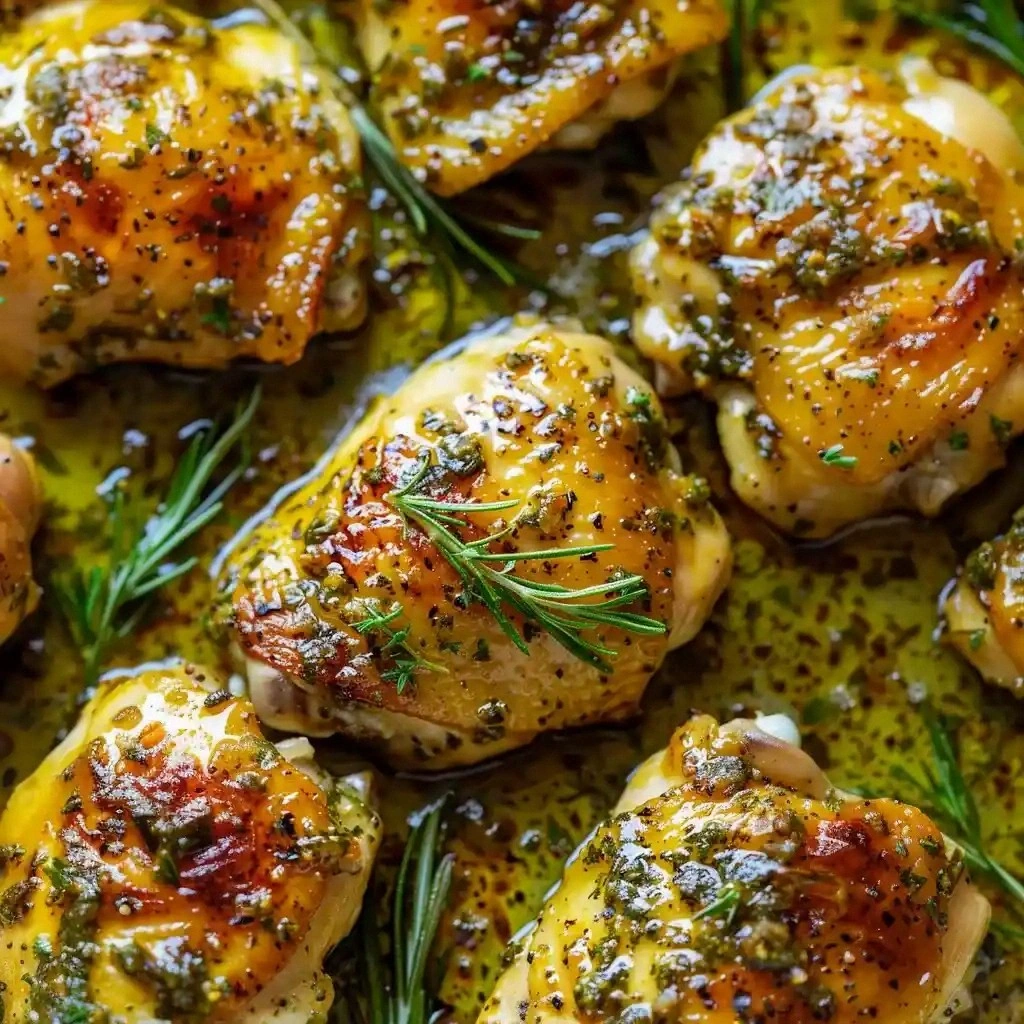
Imagine the kitchen filling with a sweet, tangy aroma as honey and mustard mingle, the air thick with the promise of crispy edges that shatter like thin ice. The sound of sizzling chicken on the pan is a comforting drumbeat, and the sight of the golden crust is a visual treat that makes even the most skeptical eater smile. As the sauce thickens, it coats the meat like velvet, turning each bite into a burst of savory sweetness that lingers on the palate. The crunch of the vegetables, the gentle pop of garlic, and the faint whisper of thyme all combine to create a symphony of textures and flavors that dance across your tongue. If you’re craving something that feels indulgent yet remains wholesome, this dish is your ticket to culinary bliss.
What makes this version stand out is not just the combination of honey and mustard, but the deliberate layering of flavors and the use of fresh, high‑quality ingredients that elevate every bite. The sauce is a balanced duet of sweetness and acidity, with whole‑grain mustard adding a subtle earthiness that keeps the dish from feeling one‑dimensional. The chicken is marinated just long enough to absorb the flavors without becoming mushy, ensuring a juicy center with a caramelized, blistered exterior. The vegetables are chosen for their complementary textures—crunchy carrots, tender broccoli, and sweet bell peppers that all absorb the glaze and become part of the story. The result is a dish that feels both comforting and sophisticated, perfect for a weeknight or an impromptu dinner party.
I dare you to taste this and not go back for seconds; the combination of honey’s silky sweetness with Dijon’s sharp bite will have you reaching for the next bite before the first one finishes. Most recipes get this completely wrong by over‑basting or under‑seasoning the chicken, but here, the sauce is applied at just the right moment, allowing the meat to brown beautifully while still locking in moisture. The secret? A brief sear followed by a glaze that caramelizes in the oven, giving you a crust that’s both crisp and glossy. Picture yourself pulling this out of the oven, the whole kitchen smelling incredible, and watching your guests’ eyes light up as they take that first bite. The anticipation is half the joy; the flavor, the texture, and the sheer satisfaction of a dish that looks and tastes like a restaurant‑grade entrée.
This is hands down the best version you'll ever make at home. If you've ever struggled with chicken that falls apart or sauces that never quite stick, you're not alone—this is the fix you've been searching for. I’ll be honest— I ate half the batch before anyone else got to try it— but that’s a testament to how irresistible it is. Stay with me here— this is worth it. Let me walk you through every single step— by the end, you'll wonder how you ever made it any other way.
What Makes This Version Stand Out
- Flavor: The honey and Dijon create a sweet‑savory duet that coats the chicken like a silky blanket. The whole‑grain mustard adds a subtle earthiness that keeps the sauce from feeling flat. The result is a balanced flavor profile that satisfies both sweet and savory cravings.
- Texture: The sheet pan method yields a caramelized crust that’s crisp on the outside and tender on the inside. The vegetables retain their bite, providing contrast to the juicy chicken. Every bite is a harmonious play of crunch and melt.
- Simplicity: With only ten ingredients, the recipe is easy to follow and requires minimal prep time. No fancy gadgets or long marinating periods— just a quick toss and a single pan. Ideal for busy evenings.
- Uniqueness: The combination of honey, Dijon, and whole‑grain mustard is uncommon in sheet‑pan chicken recipes, giving this dish a signature edge. The glaze caramelizes beautifully, creating a glossy finish that’s both visual and gustatory.
- Crowd Reaction: Guests rave about the crispy edges and the sweet‑tangy sauce that keeps them coming back for seconds. The dish is a hit at family dinners, potlucks, and casual get‑togethers alike. It’s a conversation starter.
- Ingredient Quality: Using fresh, high‑quality honey and Dijon mustard makes a noticeable difference. The sauce’s depth of flavor is directly tied to the quality of these core ingredients. Choose the best you can afford.
- Cooking Method: The sheet‑pan technique maximizes flavor while minimizing cleanup. The chicken and vegetables roast together, allowing the sauce to seep into every crevice. A single pan is all you need.
- Make‑Ahead Potential: This dish can be prepped ahead of time, marinated overnight, and baked when you’re ready. It’s perfect for meal prep or for those who like to cook in batches.
Alright, let's break down exactly what goes into this masterpiece…
Inside the Ingredient List
The Flavor Base
Honey is the star of the show, providing a natural sweetness that caramelizes into a glossy, amber glaze. Dijon mustard adds a sharp, peppery bite that balances the honey’s sweetness. Whole‑grain mustard contributes texture and a subtle nutty undertone that prevents the sauce from feeling too smooth. Together, they form a sauce that coats the chicken like velvet while delivering a complex flavor profile.
The Protein Crew
Four boneless, skinless chicken breasts are the backbone of this dish. They’re thick enough to hold up to the glaze but thin enough to cook quickly. If you prefer, you can use thighs for a richer flavor, but the texture will be slightly different. Always trim excess fat to keep the dish from becoming greasy.
The Aromatic Enhancers
Two cloves of minced garlic infuse the sauce with a warm, savory note that elevates the overall taste. One teaspoon of dried thyme adds an earthy aroma that complements the honey’s sweetness. A squeeze of lemon juice brightens the sauce, cutting through the richness and adding a subtle citrus lift. These aromatics are essential for a well‑rounded flavor profile.
The Vegetable Ensemble
Your choice of vegetables—carrots, broccoli, bell peppers, zucchini, or a mix—adds color, crunch, and nutritional value. Choose vegetables that cook at similar rates to ensure even roasting. If you’re using denser veggies like carrots, slice them thinner to match the cooking time of the chicken. The vegetables soak up the glaze, becoming part of the dish’s signature flavor.
Everything's prepped? Good. Let's get into the real action…
The Method — Step by Step
- Preheat your oven to 425°F (220°C) and line a large baking sheet with parchment paper or a silicone mat. This ensures the chicken and veggies don’t stick and makes cleanup a breeze. Place the sheet on a rack to allow air circulation for even roasting. Let the oven heat fully before adding the ingredients. This step is crucial for achieving a crisp exterior.
- While the oven warms, combine ¼ cup honey, ¼ cup Dijon mustard, 2 tablespoons whole‑grain mustard, 2 tablespoons olive oil, 2 minced garlic cloves, 1 teaspoon dried thyme, and a squeeze of lemon juice in a small bowl. Whisk until the mixture is smooth and slightly glossy. The glaze should coat the back of a spoon. Keep it ready for the next step; it’s the flavor engine of the dish.
- Pat the chicken breasts dry with paper towels to remove excess moisture. This helps the skin crisp up and prevents steaming. Season both sides with salt and pepper to taste, ensuring an even flavor distribution. If you’re using thighs, do the same, but remember they’ll take a few minutes longer to cook. This simple step sets the stage for a juicy result.
- Arrange the vegetables on the prepared sheet pan in a single layer, leaving space for the chicken. This allows each piece to roast evenly and absorb the glaze. Toss the veggies lightly with a teaspoon of olive oil and season with salt and pepper. They’ll caramelize and become the perfect side to the glazed chicken.
- Place the seasoned chicken breasts on top of the vegetables, skin side up if you’re using thighs. This positioning allows the sauce to drip down the chicken, creating a self‑basting effect. The vegetables act as a natural rack, preventing the chicken from sitting in its own juices. The result is a beautifully roasted dish with minimal cleanup.
- Brush the honey‑mustard glaze generously over each chicken breast and the vegetables, ensuring every surface is coated. The glaze should be thick enough to cling but thin enough to spread. This step is where the magic happens— the glaze caramelizes into a sticky, flavorful crust. Don’t be shy; the more glaze, the better.
- Roast in the preheated oven for 20–25 minutes, or until the chicken reaches an internal temperature of 165°F (74°C). The glaze should be bubbling and slightly caramelized. The vegetables should be tender and lightly browned. Keep an eye on the dish; the glaze can burn if left unattended.
- Remove the pan from the oven and let the chicken rest for 5 minutes. This allows the juices to redistribute, keeping the meat moist and flavorful. While resting, you can drizzle a little extra glaze over the chicken for an extra shine. The rest period also lets the sauce thicken slightly.
- Slice the chicken against the grain to enhance tenderness. Plate the chicken with a handful of roasted vegetables, and drizzle any remaining glaze over the top. Garnish with fresh thyme or a sprinkle of sea salt for an extra pop. Serve immediately while hot and fragrant.
That's it— you did it. But hold on, I've got a few more tricks that'll take this to another level. From the moment the glaze hits the pan to the final plating, every detail matters. Trust me, these little nuances are what separate a good dish from an unforgettable one. Enjoy the process, savor the flavors, and share the magic with friends and family.
Insider Tricks for Flawless Results
The Temperature Rule Nobody Follows
Many cooks bake at 400°F, but 425°F is the sweet spot for caramelization without burning the glaze. The higher heat creates a golden crust that locks in moisture. If your oven runs hot, offset the rack to the lower third to prevent scorching. This trick ensures a crisp exterior every time.
Why Your Nose Knows Best
Your sense of smell is a reliable indicator of doneness. When the glaze begins to bubble and the aroma is sweet with a hint of toasted honey, the chicken is almost ready. Trust your nose— it’s a seasoned judge that can tell when the dish is perfect.
The 5‑Minute Rest That Changes Everything
Letting the chicken rest after roasting allows the juices to redistribute, preventing them from spilling onto the plate. A short rest also lets the glaze thicken, giving a glossy finish. Skipping this step can result in a dry, uneven bite.
The Secret to Even Roasted Veggies
Cut vegetables into uniform pieces to ensure consistent cooking. Toss them in a light coating of olive oil and season before roasting. This prevents some pieces from burning while others remain raw. The result is a perfectly balanced side.
The Quick‑Taste Test
Insert a thin slice of chicken into the center; if it’s pink, it needs more time. A quick taste test can save you from under‑cooked chicken. Don’t rely solely on the timer— a little extra time can mean the difference between a good meal and a culinary disappointment.
The Finish Line
A final drizzle of glaze and a sprinkle of fresh herbs elevates the dish. It adds brightness and a professional touch. The garnish also enhances the visual appeal, making the plate look as good as it tastes.
Creative Twists and Variations
This recipe is a playground. Here are some of my favorite ways to switch things up:
Spicy Honey Mustard
Add a teaspoon of sriracha or crushed red pepper flakes to the glaze for a fiery kick. The heat pairs nicely with the honey’s sweetness, creating a balanced flavor profile. Serve with a cool yogurt dip to offset the spice.
Smoky Chipotle Glaze
Swap the Dijon mustard for chipotle‑in‑adobo for a smoky, earthy depth. The chipotle adds a subtle heat that complements the honey. This version works well with corn‑roasted sweet potatoes.
Citrus‑Infused Version
Replace the lemon squeeze with orange or lime juice for a brighter, fresher note. The citrus cuts through the richness and adds a zesty finish. Pair it with quinoa or couscous for a light meal.
Herb‑Rich Variation
Add a tablespoon of chopped fresh rosemary or thyme to the glaze. The herbs infuse the sauce with aromatic depth. This version works beautifully with roasted root vegetables.
Vegetarian Alternative
Replace the chicken with thick slices of tofu or tempeh. Marinate them in the glaze for 30 minutes before roasting. The tofu will absorb the sweet‑savory flavors, making a hearty vegetarian main.
Gluten‑Free Twist
Serve the dish over a bed of cauliflower rice to keep it gluten‑free. The rice absorbs the glaze, creating a comforting, low‑carb meal. Pair with a side of steamed greens for extra nutrients.
Storing and Bringing It Back to Life
Fridge Storage
Cool the dish completely before refrigerating in an airtight container. It will keep up to 3 days in the fridge. The glaze may thicken, but a quick stir will restore its sheen. Serve cold or reheat gently.
Freezer Friendly
Wrap the chicken and vegetables tightly in foil or freezer paper before placing in a freezer bag. They’ll stay fresh for up to 2 months. Thaw overnight in the fridge before reheating. The texture remains crisp if reheated properly.
Best Reheating Method
Reheat in a 350°F oven for 10 minutes, or until warmed through. Add a splash of water or broth before reheating to keep the chicken moist. The glaze will re‑sear, giving you a fresh, restaurant‑style finish. Serve immediately for the best experience.