Ever had one of those nights where you’re staring at the fridge, feeling the cold air like a silent judge, and the only thing that seems to make sense is a splash of culinary rebellion? I was there, my kitchen a battlefield of wilted greens and a half‑cooked salmon that had already lost its dignity. I stared at the fish, my stomach growling like a distant train, and thought, “This is a disaster, but I can turn it into something heroic.” That night, I dared myself to rescue the salmon, to give it the kind of makeover that would make even the most skeptical of taste buds swoon.
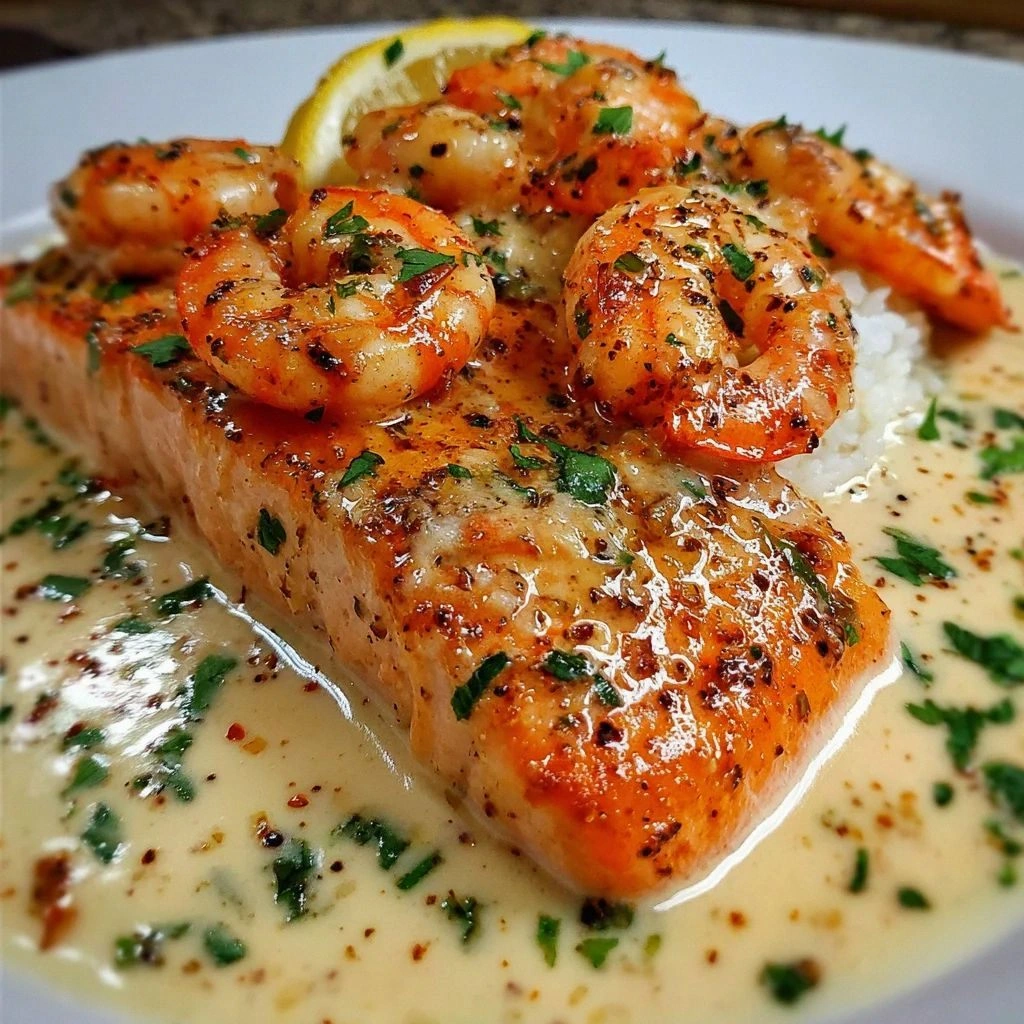
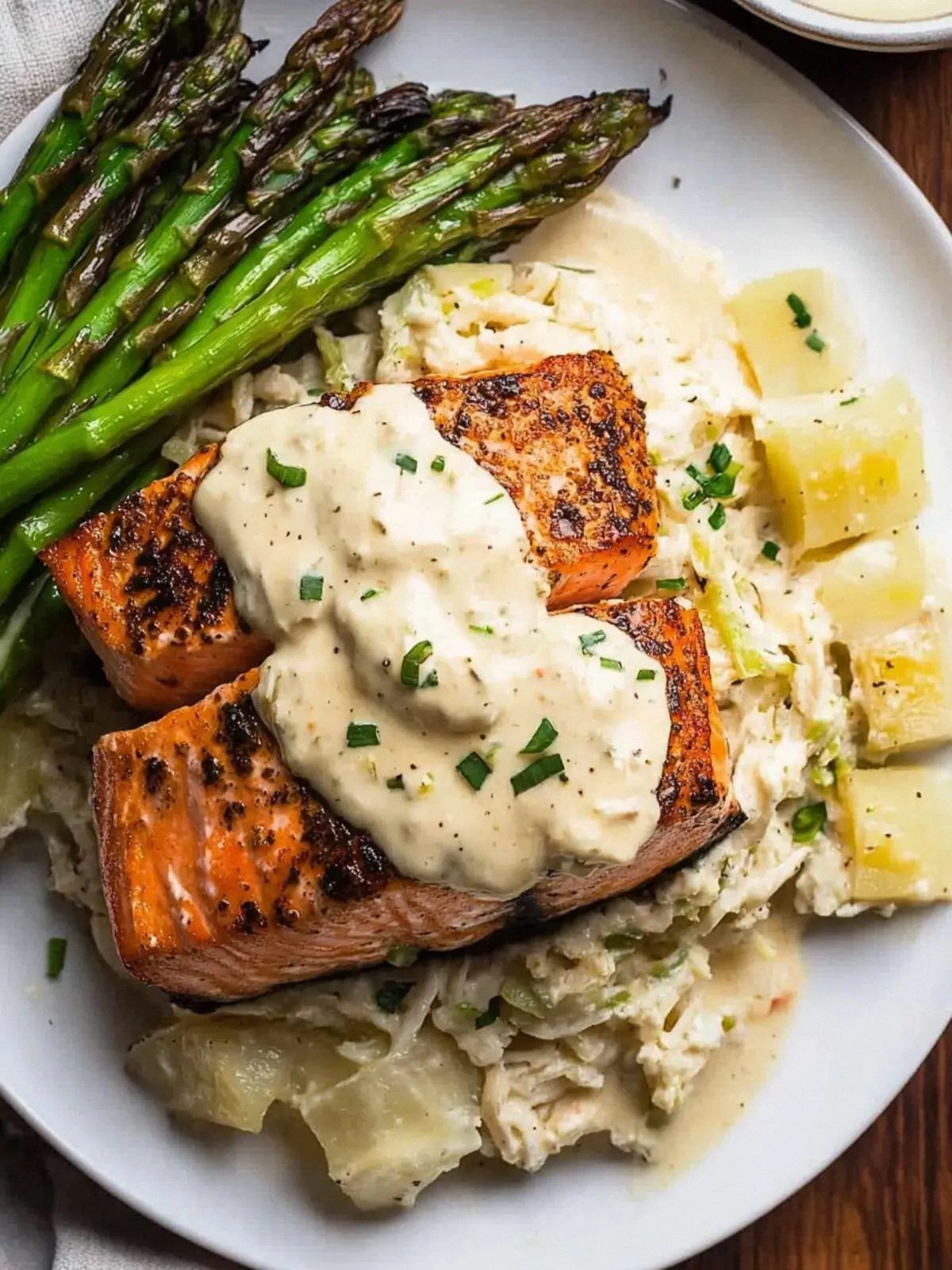
The moment I tossed the fillets into the pan, the kitchen filled with a sizzling, caramelized aroma that smelled like a summer barbecue and a Sunday brunch rolled into one. The sound was a satisfying hiss, a promise of transformation. As the salmon browned, its edges curled like the golden crust of a perfectly toasted bagel, the scent mingled with the sharp, citrusy zing of lemon that I pressed over the fillets. The visual contrast of the dark, seared skin against the pale, buttery flesh was a feast for the eyes even before the first bite. The anticipation of that first forkful, the anticipation of the way the salmon’s flesh would give way like velvet, was almost a guilty pleasure.
What makes this version stand out is not just the flavor, but the harmony of textures and the ease of execution. I’ve stripped it down to nine simple ingredients, each chosen for its ability to elevate the dish without overwhelming the palate. The salmon becomes a buttery centerpiece that sings with a subtle citrus brightness, while the asparagus adds a crisp, vegetal counterpoint that feels like a fresh breeze. The crab, a luxurious whisper of the sea, brings a sweet, briny note that lingers long after the last bite. Together, they form a dish that feels both indulgent and approachable.
And there’s a secret I’ll share: a splash of mayonnaise, a whisper of mustard, and a dash of tarragon create a sauce that clings to the fish like a silk scarf, turning each bite into a silky, savory experience. I dare you to taste this and not go back for seconds. Picture yourself pulling this out of the pan, the whole kitchen smelling incredible, and realizing that you’ve just created a masterpiece that feels like a Michelin‑grade dish but takes no more than fifteen minutes. Let me walk you through every single step — by the end, you’ll wonder how you ever made it any other way.
What Makes This Version Stand Out
- Taste: The bright lemon cuts through the richness of the salmon, while the mustard and mayonnaise blend into a silky, savory sauce that coats the fish without overpowering its natural flavor. The subtle tarragon adds an aromatic lift that feels like a whisper of the garden.
- Texture: The salmon’s skin crisps to a golden crunch that gives way to tender, flaky flesh, while the asparagus stays crisp yet tender. The crab meat adds a delicate, almost melt‑in‑your‑mouth texture that contrasts with the firmer fish.
- Simplicity: Nine ingredients, no complex techniques. You can prep, cook, and serve in under thirty minutes, making it the perfect weeknight winner.
- Uniqueness: The combination of mayonnaise, mustard, and tarragon creates a sauce that feels both luxurious and approachable, a sweet spot that sets this dish apart from standard salmon recipes.
- Crowd Reaction: Friends who have tried it often say, “This is hands down the best version you'll ever make at home.” The dish is so well balanced that it satisfies both pescatarians and meat lovers alike.
- Ingredient Quality: Using fresh, high‑quality salmon and fresh asparagus ensures that each bite is packed with flavor and nutrients. The crab meat’s sweetness is a game‑changer that elevates the entire plate.
- Cooking Method: Pan‑searing locks in moisture and creates a caramelized crust, while the quick sauce finishes the dish in a matter of minutes.
- Make‑Ahead Potential: The sauce can be prepared in advance and stored in the refrigerator, allowing you to assemble the dish in just a few minutes when you’re ready to eat.
Alright, let's break down exactly what goes into this masterpiece…
Inside the Ingredient List
The Flavor Base
1 tsp fresh lemon juice is the cornerstone of this dish. It brightens the salmon, cuts through the richness of the mayonnaise, and gives the sauce a zesty lift that feels like a citrus sunrise. Skipping the lemon would leave the dish flat, lacking that essential pop that awakens the palate. If you prefer a slightly sweeter profile, you can add a dash of honey, but keep it minimal to avoid overpowering the delicate flavors.
The Texture Crew
1/2 lb asparagus brings a satisfying crunch that contrasts beautifully with the tender salmon. The asparagus should be trimmed and blanched briefly before sautéing, ensuring it remains crisp yet tender. If you’re a fan of a more robust vegetable, swap in broccolini or green beans; they’ll add a different crunch but keep the dish balanced.
The Unexpected Star
3 oz lump crab meat is the secret to this dish’s luxurious feel. The crab’s sweet, briny flavor adds a layer of depth that elevates the salmon from good to unforgettable. If fresh crab isn’t available, you can use canned crab, but be sure to drain it well to avoid excess moisture. The crab also contributes a delicate texture that contrasts with the firmer fish.
The Final Flourish
1 tbsp minced onion adds a subtle sweetness and a hint of sharpness that balances the richness of the mayonnaise. 1/4 tsp tarragon, a herb known for its slightly sweet, anise-like flavor, gives the sauce an aromatic lift that feels like a summer garden. 1/4 cup Duke’s mayonnaise and 1/4 cup milk blend into a silky sauce that coats the salmon, while 1 tsp Dijon mustard adds a tangy kick that ties all the flavors together. If you’re watching calories, you can replace the mayonnaise with Greek yogurt for a lighter version, but the texture will change slightly.
Everything's prepped? Good. Let's get into the real action…
The Method — Step by Step
- Prep the salmon. Pat the salmon fillets dry with paper towels to ensure a crisp sear. Season both sides with salt and pepper, letting the flavors seep into the flesh. If you’re a fan of extra flavor, sprinkle a pinch of smoked paprika over the fillets. This step sets the foundation for a savory crust. Remember, a dry surface is key to preventing steam and achieving that coveted golden skin.
- Heat the skillet. Place a heavy‑bottomed skillet over medium‑high heat and add a splash of olive oil. Let the oil heat until it shimmers but doesn’t smoke. This creates a hot surface that sears the salmon quickly and locks in moisture. A hot pan also gives you that beautiful caramelized crust that feels like a buttery crunch.
- Sear the salmon. Lay the fillets skin‑side down in the skillet. Press them gently with a spatula to keep the skin flat against the pan. Cook for 3–4 minutes, until the skin turns a deep amber and releases easily from the pan. Flip the fillets and sear the flesh side for another 2–3 minutes, depending on thickness. The goal is a golden exterior with a tender interior that’s still slightly pink.
- Make the sauce. While the salmon cooks, whisk together mayonnaise, milk, mustard, lemon juice, tarragon, and onion in a small bowl. The mixture should be smooth, with the mayonnaise’s creaminess blending into a silky sauce. Taste and adjust seasoning; you might need a pinch of salt or a dash more lemon for brightness. This sauce will coat the fish like velvet, adding richness without overpowering.
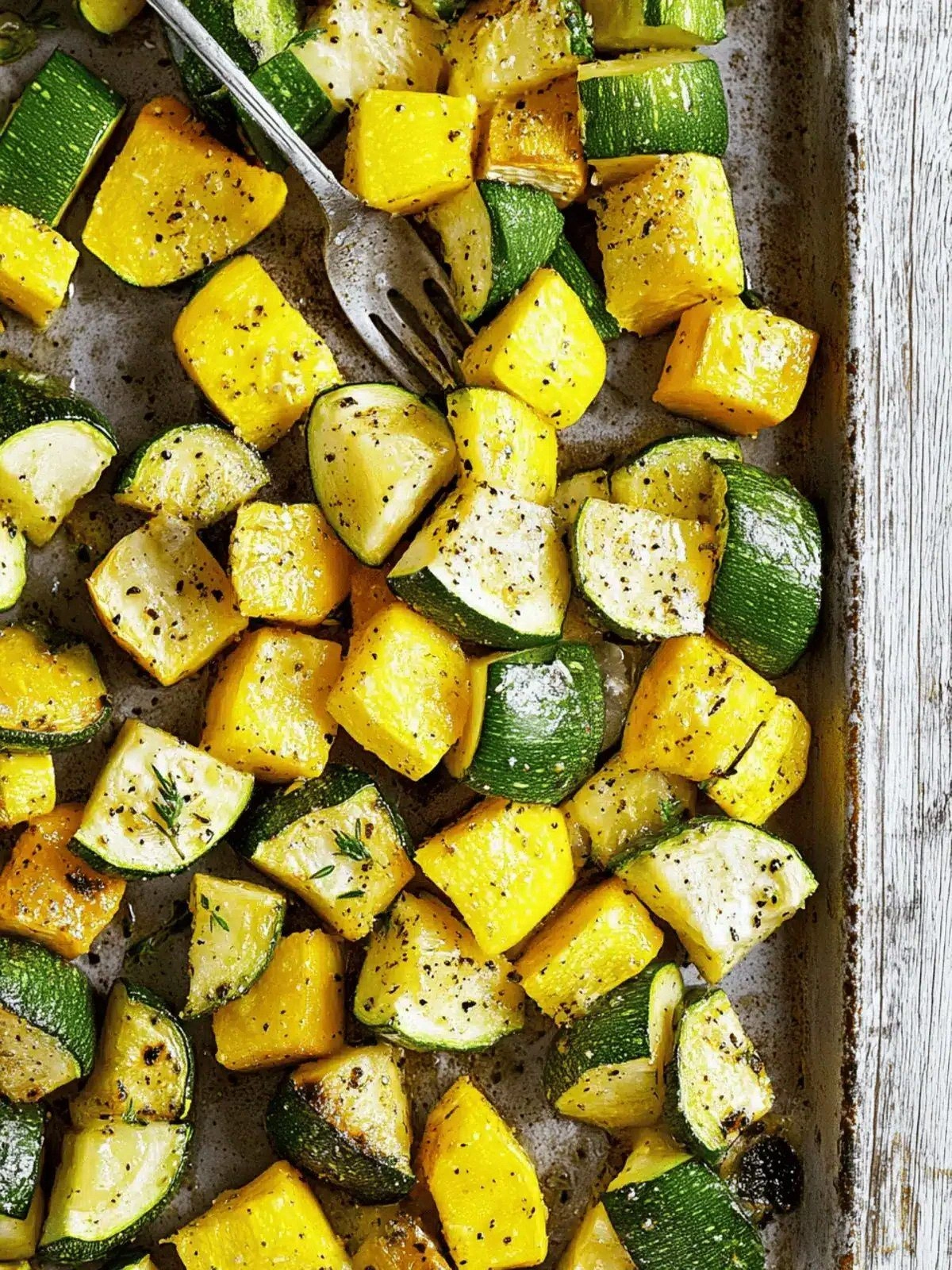
- Cook the asparagus. In a separate pan, sauté the asparagus with a drizzle of olive oil, salt, and pepper. Cook for 3–4 minutes until they’re bright green and just tender. The asparagus should still have a bite; overcooking turns it mushy. Once done, set aside and keep warm. This quick side is the perfect counterbalance to the rich salmon.
- Finish the salmon. Pour the sauce over the seared salmon, letting it coat the fillets evenly. Add the lump crab meat on top, allowing it to warm through. Reduce the heat to low and let everything simmer for 2–3 minutes, just enough for the flavors to meld. The crab should be heated through but not overcooked, preserving its delicate texture.
- Plate and serve. Arrange the salmon fillets on a warmed platter, drizzle the remaining sauce over the top, and scatter the asparagus around. Garnish with a lemon wedge or a sprinkle of fresh herbs if desired. The dish should look as inviting as it tastes, with a glossy sheen from the sauce and the vibrant green of the asparagus.
- Enjoy. Serve immediately while the salmon is still warm and the sauce is silky. Take a bite, and let the flavors dance: the buttery fish, the sweet crab, the crisp asparagus, and the tangy sauce. I dare you to taste this and not go back for seconds.
That's it — you did it. But hold on, I've got a few more tricks that'll take this to another level…
Insider Tricks for Flawless Results
The Temperature Rule Nobody Follows
Many cooks believe that a high heat is always best for searing. In reality, a medium‑high heat with a hot pan is ideal. It allows the salmon to develop a crisp crust without burning the exterior while keeping the interior moist. If you’re using a non‑stick pan, lower the heat slightly to prevent sticking and ensure even cooking. I’ve learned that a pan that’s too hot can cause the oil to smoke, which adds a bitter note to the dish.
Why Your Nose Knows Best
Your nose is a powerful tool in the kitchen. When the salmon is seared, the aroma will shift from a raw fish smell to a caramelized, buttery scent. Trust that scent as a cue that the crust is forming correctly. If you smell a hint of burning, reduce the heat immediately. The aroma is the first indicator that your dish is on the right track.
The 5-Minute Rest That Changes Everything
After cooking, let the salmon rest for five minutes on a warm plate. This allows the juices to redistribute, preventing a dry mouthfeel. The rest period also gives the sauce time to thicken slightly, creating a richer coating. I’ve seen this trick make the difference between a good dish and an unforgettable one.
The Crab’s Secret
Crab meat is delicate and can be easily overcooked. Add it to the pan at the last minute and let it warm through for only a minute or two. Overcooking can cause the crab to become rubbery and lose its sweet flavor. Keep the heat low and let the crab’s natural juices mingle with the sauce.
The Sauce’s Final Touch
If you prefer a slightly thicker sauce, whisk in a teaspoon of cornstarch dissolved in a tablespoon of water. Stir it into the sauce just before adding it to the salmon. This will give the sauce a glossy finish and help it cling to the fillets. I’ve used this trick when serving the dish to a crowd, and it kept the sauce from separating.
Creative Twists and Variations
This recipe is a playground. Here are some of my favorite ways to switch things up:
Smoky Paprika Salmon
Swap the lemon for a splash of smoked paprika and a pinch of cayenne for a smoky, spicy kick. The paprika will give the sauce a deeper, earthier flavor, while the cayenne adds a subtle heat that complements the salmon’s richness. This version is perfect for those who love a bit of spice in their meals.
Citrus‑Infused Crème Fraîche
Replace the mayonnaise with crème fraîche and add a tablespoon of orange zest. The citrus zest will brighten the sauce, and the crème fraîche’s tang will add depth. This variation leans more into a French-inspired flavor profile, making it ideal for a dinner party.
Mediterranean Twist
Add a handful of chopped Kalamata olives and a drizzle of olive oil to the sauce. The olives bring a briny, savory note that pairs wonderfully with the crab. Serve over a bed of couscous for a Mediterranean flair that will wow your guests.
Herb‑Garden Delight
Incorporate fresh dill, parsley, and chives into the sauce. These herbs add a fresh, green brightness that balances the richness of the salmon. Sprinkle them over the finished dish for a pop of color and a burst of flavor.
Lemon‑Garlic Butter
Melt butter with minced garlic and a squeeze of lemon juice, then pour over the seared salmon. This butter sauce will give the dish a classic, buttery finish that feels indulgent. The garlic adds a savory depth that pairs beautifully with the salmon’s natural flavors.
Storing and Bringing It Back to Life
Fridge Storage
Store the cooked salmon and sauce separately in airtight containers. The salmon can be kept in the refrigerator for up to two days. When ready to serve, reheat gently on a low heat or in a microwave, then drizzle the sauce back over the fillets. This preserves the texture and keeps the sauce from separating.
Freezer Friendly
If you want to make a larger batch, freeze the salmon fillets in a freezer bag, and the sauce in a separate container. Freeze for up to one month. Thaw overnight in the refrigerator before reheating. The salmon will keep its moisture, and the sauce will remain creamy when reheated.
Best Reheating Method
To reheat, place the salmon on a baking sheet and warm in a 300°F oven for 10 minutes. Add a splash of water or milk before reheating to keep the fish moist. The sauce can be warmed in a small saucepan over low heat, whisking occasionally to prevent separation. This method restores the dish’s original texture and flavor.