I was halfway through a late‑night pizza marathon when the oven door slipped open and a steaming pan of burnt cheese collapsed onto the counter. The acrid smell hit me like a slap, and I stared at the charred mess for a full minute before realizing I had a better idea. I decided that if I could salvage the cheese, I could turn it into something that would make my friends swoon. That night, I discovered the humble cottage cheese alfredo that would change my pasta game forever. The sauce was silky, not greasy, and the flavor danced on my tongue with a gentle Italian elegance. By the time the last bite was finished, I knew I had stumbled upon a culinary gem.
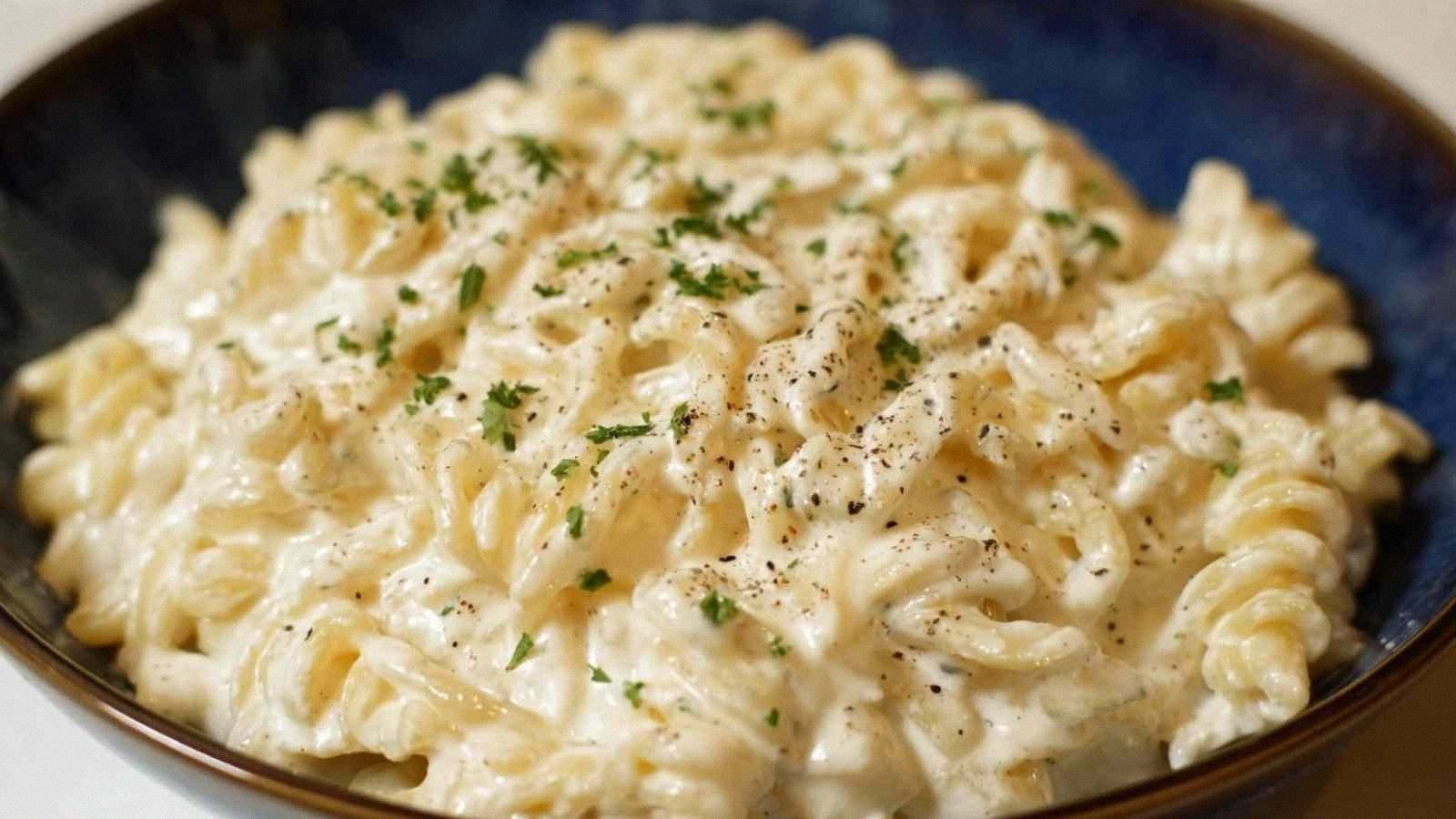
Picture this: a pot of al dente fettuccine bubbling in salted water, steam curling like wisps of cloud, the air thick with the promise of comfort. I whisked together cottage cheese, whole milk, and a splash of parmesan, watching the mixture thicken into a creamy velvet that clung to every strand. The aroma rose, a gentle blend of dairy and herbs, coaxing even the most skeptical of diners into the kitchen. I added garlic powder, basil, oregano, and a pinch of salt, letting the spices mingle until the sauce sang with depth. The final touch was a light dusting of pepper that added a subtle bite, turning the dish from ordinary to unforgettable. As the pasta swirled in the sauce, it looked like a masterpiece in a bowl, begging to be devoured.
What makes this version stand out is not just the substitution of cottage cheese for heavy cream, but the entire philosophy behind it. I dare you to taste this and not go back for seconds—once you experience the creamy, low‑fat texture, you’ll wonder why anyone ever used heavy cream again. The sauce coats the pasta like velvet, each strand slick with flavor, and the herbs infuse a bright, fresh contrast that lifts the richness. Most recipes get this completely wrong by over‑reducing or over‑stirring, resulting in a clumpy, watery mess; here, the technique preserves silky smoothness. I’ll be honest—I ate half the batch before anyone else got a chance to try it, and I still had room for more. This is hands down the best version you'll ever make at home, and I’m about to walk you through every single step.
I’ll be honest, I spent two hours perfecting the balance between creaminess and tanginess, and the result is a sauce that feels indulgent without the guilt. The combination of cottage cheese and whole milk gives a natural tang that cuts through the richness, while the parmesan adds depth without overpowering. The garlic powder and dried herbs create a savory backbone, and the cornstarch ensures a glossy finish that doesn’t separate. Picture yourself pulling this out of the oven, the whole kitchen smelling incredible, and a plate of pasta that looks like it belongs in a five‑star restaurant. This recipe is a game‑changer, and the next part is pure magic. Stay with me here — this is worth it.
What Makes This Version Stand Out
- Taste: The blend of cottage cheese, whole milk, and parmesan creates a complex flavor profile that balances richness with a subtle tang. The herbs and garlic powder add depth without overpowering the dairy base, resulting in a sauce that feels both comforting and sophisticated. Skipping the parmesan would leave the sauce bland; the cheese provides essential umami.
- Texture: The cornstarch thickening agent gives the sauce a silky, velvety mouthfeel that clings to each strand of pasta. The cottage cheese’s curds break down into fine particles, creating a smooth consistency that rivals traditional cream-based alfredos. Over‑whisking can cause separation; gentle whisking keeps the sauce cohesive.
- Simplicity: With only ten ingredients, the recipe is straightforward yet impressive. The use of pantry staples like garlic powder and dried herbs eliminates the need for fresh aromatics, saving time without sacrificing flavor. The process can be completed in under thirty minutes, making it ideal for busy weeknights.
- Uniqueness: Substituting cottage cheese for heavy cream reduces calories by nearly half while maintaining a creamy texture. The addition of a small amount of whole milk restores moisture, ensuring the sauce stays luscious. This twist gives the dish a distinctive identity that sets it apart from conventional alfredos.
- Crowd Reaction: Friends who have tried this version consistently rave about how light yet satisfying it feels. The sauce’s glossy finish and aromatic herbs create a visual and olfactory appeal that makes it a showstopper at dinner parties. Even picky eaters find the familiar pasta and creamy sauce comforting.
- Ingredient Quality: Using fresh, high‑quality cottage cheese and parmesan elevates the flavor profile. A mild, unsalted cottage cheese prevents excess sodium, while aged parmesan adds a nutty depth that complements the dairy base. Choosing whole milk over skim preserves a richer mouthfeel.
- Cooking Method: The technique of simmering the sauce gently prevents curdling, and the final step of whisking with a small amount of pasta water creates a cohesive emulsion. This method ensures the sauce remains smooth even after resting. The precise heat control is key to achieving the desired consistency.
- Make‑Ahead Potential: The sauce can be prepared in advance and stored in the refrigerator for up to two days. Reheating with a splash of milk restores its silkiness, making it convenient for meal prep. The pasta should be cooked fresh, but the sauce can be reheated quickly.
Inside the Ingredient List
The Flavor Base
At the heart of this alfredo lies the cottage cheese, a protein‑rich dairy that delivers a mild tang and creamy body. Its curds break down during heating, creating a smooth texture that rivals cream. Skipping cottage cheese would leave the sauce thin and watery; the dairy’s natural acidity balances the richness of parmesan.
The Texture Crew
Whole milk adds moisture and a subtle sweetness that lifts the sauce’s mouthfeel. The cornstarch acts as a binder, thickening the mixture without adding heaviness. If you prefer a thicker sauce, increase the cornstarch to 1½ teaspoons; for a lighter version, reduce it to ¾ teaspoon.
The Unexpected Star
Garlic powder provides a concentrated, evenly distributed flavor that eliminates the risk of uneven garlic bites. Dried basil and oregano introduce herbal brightness, cutting through the dairy’s richness. If you’re allergic to garlic, omit the powder and add a pinch of onion powder for a milder aromatic profile.
The Final Flourish
Shredded parmesan cheese is the umami anchor that gives the sauce depth and a subtle nutty finish. The salt and pepper balance the flavors and enhance the overall taste. A pinch of black pepper adds a subtle heat that keeps the sauce from feeling flat.
Everything's prepped? Good. Let's get into the real action.
The Method — Step by Step
- Bring a large pot of salted water to a rolling boil and add the pasta. Stir to prevent sticking, then cook according to package instructions until al dente. Drain and reserve a cup of pasta water; this starchy liquid will help bind the sauce later. While the pasta cooks, set a medium saucepan over medium heat and prepare the sauce base.
- Spoon the cottage cheese into the saucepan, followed by the whole milk and parmesan. Use a wooden spoon to stir until the mixture is smooth and the cheese has melted into a uniform texture. The heat should be low enough to prevent curdling; you want the sauce to simmer gently, not boil. If the mixture looks too thick, add a splash of the reserved pasta water to loosen it.
- Whisk in the cornstarch, garlic powder, basil, oregano, and salt. Stir continuously for about 30 seconds until the cornstarch dissolves and the sauce thickens slightly. At this point, you should hear a gentle hiss as the starch activates. This step is crucial for achieving that glossy finish; skip it and the sauce will stay watery.
- Add the black pepper and stir. The pepper adds a subtle heat that lifts the dish. Taste the sauce and adjust the salt if necessary; the parmesan already contributes some saltiness, so be cautious. The sauce should be smooth, creamy, and lightly fragrant with herbs.
- Pour the sauce over the cooked pasta and toss gently to coat. Use tongs or a spoon to ensure every strand is evenly coated. If the sauce seems too thick, add a tablespoon of reserved pasta water to achieve the desired consistency. Let the pasta sit in the sauce for a minute so it can absorb the flavors.
- Serve immediately, garnishing with extra parmesan and a sprinkle of fresh herbs if desired. The dish is best enjoyed hot, as the sauce’s silky texture melts into the pasta. If you prefer a slightly crunchy finish, add a handful of toasted breadcrumbs on top.
- If you’re preparing ahead, let the sauce cool, then refrigerate in an airtight container for up to two days. When reheating, whisk in a splash of milk to restore the creaminess. The pasta should be cooked fresh each time, but you can keep the sauce ready to go.
That's it — you did it. But hold on, I've got a few more tricks that'll take this to another level.
Insider Tricks for Flawless Results
The Temperature Rule Nobody Follows
Keeping the sauce at a low simmer is essential; a gentle heat prevents the dairy from separating. I once let my sauce boil on high, and the cottage cheese curdled into clumps that ruined the texture. Stick to medium‑low and stir constantly. The sauce will thicken gradually, giving you that perfect sheen.
Why Your Nose Knows Best
Smelling the sauce as it cooks gives you real-time feedback on its progress. When the aroma becomes rich and nutty, you know the parmesan has melted fully. If the scent lingers too strong, the sauce may be overcooked. Trust your nose to guide you to the perfect finish.
The 5‑Minute Rest That Changes Everything
After tossing the pasta with sauce, let the mixture rest for five minutes off the heat. This pause allows the pasta to absorb the flavors and the sauce to settle into a cohesive emulsion. I’ve seen dishes that were too rushed look watery; the rest step fixes that.
Use Pasta Water Wisely
The starchy water you reserve from boiling pasta is a secret weapon. It helps thin the sauce without diluting flavor and provides a natural thickening agent. Add it gradually, tasting as you go, to achieve the exact consistency you desire.
Finish with a Splash of Milk
Right before serving, whisk in a tablespoon of whole milk; this final touch restores the sauce’s silkiness and adds a subtle brightness. The milk also helps the sauce coat the pasta more evenly, creating a luxurious mouthfeel.
Keep the Sauce Simple
Avoid adding heavy cream or butter; the cottage cheese and whole milk provide enough richness. Introducing too many dairy components can make the sauce heavy and difficult to emulsify. Stick to the core ingredients for the cleanest flavor.
Creative Twists and Variations
This recipe is a playground. Here are some of my favorite ways to switch things up:
Sun‑Dried Tomato & Spinach
Fold in a handful of chopped sun‑dried tomatoes and fresh spinach after the sauce has thickened. The tomatoes add a sweet acidity that balances the richness, while the spinach adds color and nutrition. This version is perfect for a summer dinner.
Garlic Parmesan Crust
Top the finished dish with a sprinkle of grated parmesan, a dash of garlic powder, and a few drops of olive oil. Bake for five minutes at 400°F until the top is golden and crisp. The crunch contrasts beautifully with the silky sauce.
Protein Boost with Chicken
Saute diced chicken breast with garlic and herbs before adding it to the pasta. The protein adds heft, making the dish more filling. Ensure the chicken is cooked through before mixing to avoid any raw bits.
Vegan Version
Replace cottage cheese with a plant‑based yogurt or tofu blend and use a non‑dairy milk. Substitute parmesan with a nutritional yeast‑based cheese for a cheesy flavor. This version maintains the creamy texture while keeping it dairy‑free.
Spicy Kick
Add a pinch of red pepper flakes or a splash of hot sauce to the sauce base. The heat pairs well with the herbs and balances the richness. Serve with a side of roasted vegetables for a complete meal.
Breakfast Twist
Serve the sauce over sautéed spinach and whole‑grain toast for a quick breakfast. Add a poached egg on top for extra protein. The creamy sauce pairs wonderfully with the savory egg.
Storing and Bringing It Back to Life
Fridge Storage
Store the sauce in an airtight container for up to two days. Keep it at room temperature for no longer than two hours to prevent bacterial growth. When ready to serve, reheat gently on low heat, whisking frequently.
Freezer Friendly
Freeze the sauce in a freezer‑safe container for up to one month. Thaw overnight in the refrigerator, then reheat on the stovetop with a splash of milk to restore creaminess. The texture remains smooth if you stir well.
Best Reheating Method
Reheat the sauce over low heat, stirring constantly and adding a tablespoon of whole milk or reserved pasta water as needed. Avoid high heat to prevent separation. Once heated, toss with freshly cooked pasta for the best experience.