It started with a kitchen catastrophe that would forever change my relationship with ground beef. I was whipping up a quick weeknight stir‑fry, the sauce thickening too fast, the noodles sticking to the pan, and my taste buds begging for a miracle. That night, my friend dared me to create a low‑carb version of Mongolian beef that would make even the most skeptical eaters swoon. I laughed, but I also tasted the potential, the aroma of sizzling garlic and ginger that promised something extraordinary.
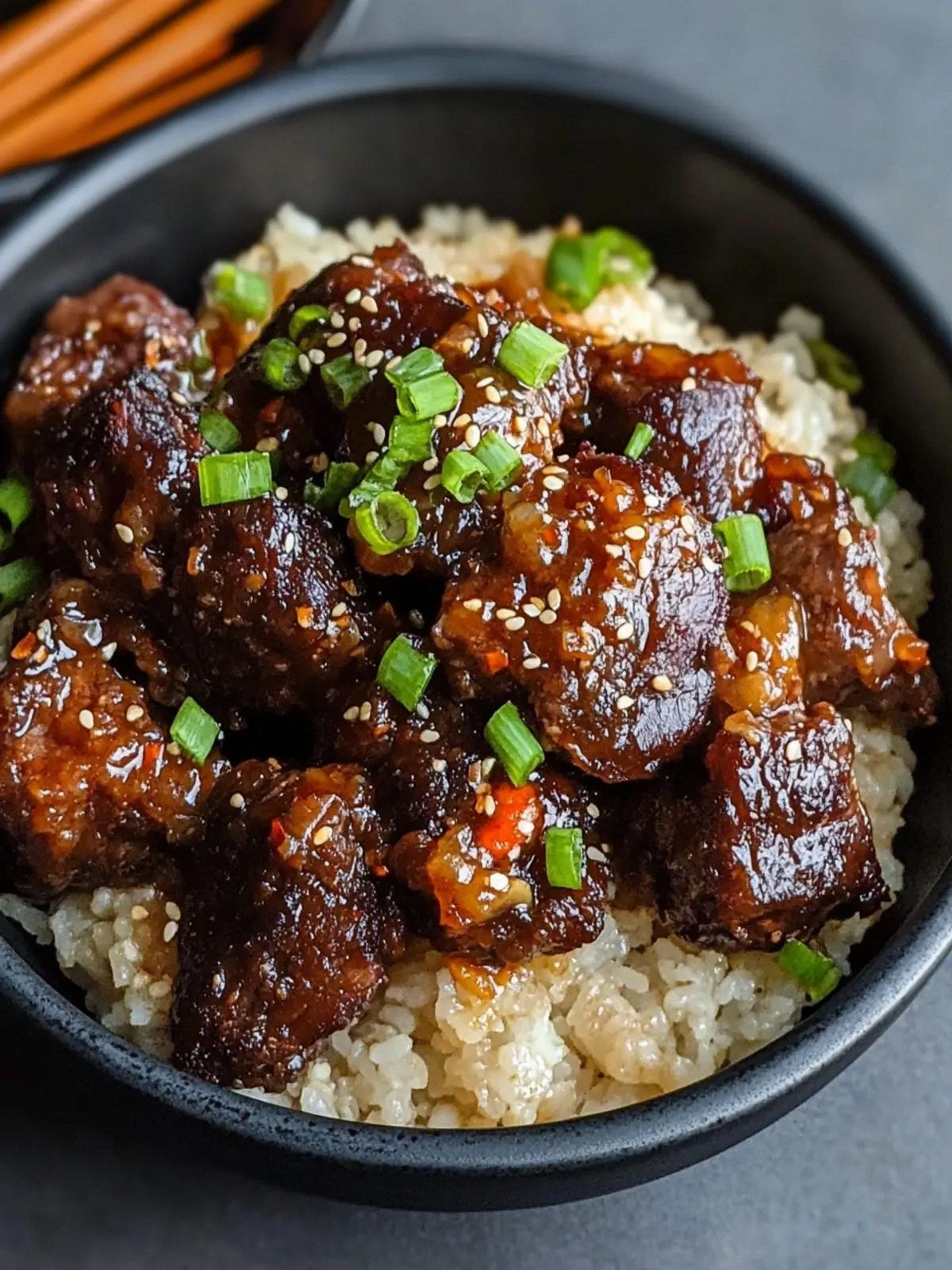
Picture the scene: a sizzling skillet, the deep mahogany of ground beef searing against a backdrop of bright green cabbage, a splash of coconut aminos that glistens like liquid midnight, and the sharp snap of garlic cloves as they hit the hot oil. The kitchen fills with an intoxicating blend of umami, sweet, and a faint citrus tang from the rice vinegar, while the air hums with the sizzle that signals a perfect sear. I could almost taste the first bite—meaty, tender, with a subtle crunch from the cabbage, and that unmistakable sweet‑savory glaze that coats the meat like velvet.
What makes this version stand out? It’s not just the flavor; it’s the precision of the technique, the careful balance of ingredients, and the way each component sings in harmony. I’ve refined the ratio of coconut aminos to Swerve, added a whisper of xanthan gum for a silky texture, and let the cabbage do the heavy lifting of bulk while keeping the carb count low. The result is a dish that feels indulgent without the guilt, that looks restaurant‑grade, and that can be plated in minutes.
And here’s the kicker—this isn’t your run‑of‑the‑mill recipe. I’ve discovered a little secret that turns the sauce into a glossy, clingy coat that clings to the beef and cabbage like a second skin. It involves a quick deglaze with beef broth and a strategic use of sesame seeds that adds a nutty crunch. Trust me, once you taste it, I dare you to go back for seconds. That’s the promise I bring to every kitchen I step into.
What Makes This Version Stand Out
- Flavor: The blend of coconut aminos and Swerve creates a sweet‑savory balance that elevates the beef without overpowering it. The subtle citrus from rice vinegar cuts through the richness, leaving a clean finish.
- Texture: The cabbage’s crispness contrasts beautifully with the tender, caramelized beef, giving each bite a satisfying bite and chew.
- Low Carb: With only 30 grams of net carbs per serving, this dish fits seamlessly into keto, paleo, or low‑carb lifestyles.
- Ease: No elaborate prep—just dice, season, and sear. The recipe is designed for busy weeknights, yet it delivers gourmet results.
- Make‑Ahead: The sauce keeps its flavor and texture even when reheated, making it perfect for meal prep.
- Ingredient Quality: Using fresh ginger, garlic, and a small head of cabbage ensures maximum flavor and nutrition.
- Versatility: Swap the beef for turkey or pork, or add a splash of lime for a zesty twist.
- Crowd‑Pleaser: Whether you’re feeding a family or hosting a dinner party, this dish garners rave reviews.
Alright, let's break down exactly what goes into this masterpiece. Each element has a purpose, and together they create a symphony of taste and texture that’s hard to beat.
Inside the Ingredient List
The Flavor Base
The foundation of this dish is a simple yet powerful sauce. Coconut aminos replace traditional soy sauce, offering a lower carb alternative that still delivers deep umami. Swerve or erythritol sweetens the sauce without the sugar spike, letting the natural sweetness of the beef shine. A splash of rice vinegar adds brightness, cutting through the richness of the meat.
If you skip the coconut aminos, the dish loses its silky depth; the sauce becomes thin and flat. Try substituting with tamari for a slightly more robust flavor, but keep the carb count in check. The key is balance—sweet, salty, and acidic all in harmony.
When selecting coconut aminos, look for a brand that’s low in sodium; the recipe already includes low‑sodium beef broth to keep sodium levels moderate. A small bottle of high‑quality aminos can last for weeks, making it a pantry staple for quick weeknight meals.
The Texture Crew
Ground beef is the star, but the texture comes from the right cut and the searing technique. Choose a mix of 80/20 lean to fat for a juicy result; the fat renders into the sauce, enriching it. The cabbage provides crunch, but it’s important to shred it finely so it cooks quickly and absorbs the sauce.
Xanthan gum is a game‑changer—it thickens the sauce without the heaviness of flour or cornstarch. Sprinkle it over the sauce and whisk; it will give the glaze a silky coat that clings to the beef and cabbage. If you’re allergic to xanthan, a pinch of arrowroot powder works similarly.
The green onions add a fresh, sharp finish, while sesame seeds contribute a subtle nuttiness and a satisfying crunch. Keep the seeds toasted just before serving to preserve their aroma and texture.
The Unexpected Star
Fresh ginger is the unsung hero of this recipe. It brings a bright, peppery note that cuts through the richness of the beef. Grated ginger releases more flavor than minced, so don’t be shy—use a generous amount. If you prefer a milder kick, reduce the ginger to ½ teaspoon.
Garlic is essential for depth; 3 cloves give a robust aroma without becoming overpowering. Crush the cloves lightly before adding to release their oils. If you’re a garlic purist, you can use a garlic press for a smoother texture.
The low‑sodium beef broth acts as a deglaze, lifting the browned bits from the pan and incorporating them into the sauce. It also adds a savory depth that would be missing if you relied solely on coconut aminos. If you prefer a richer broth, use bone broth but reduce the sodium further.
Everything's prepped? Good. Let's get into the real action. The next steps will guide you through the process of turning raw ingredients into a dish that feels like it was served at a high‑end restaurant.

The Method — Step by Step
- Prep the Cabbage: Start by shredding the cabbage into thin ribbons. The thinness ensures it cooks quickly and absorbs the sauce fully. Toss the shredded cabbage with a pinch of salt to draw out excess moisture. Let it sit while you warm the pan.
- Heat the Skillet: Place a heavy skillet over medium‑high heat and add the sesame oil. The oil should shimmer but not smoke. This is the moment the kitchen transforms into a culinary arena.
- Brown the Beef: Add the ground beef to the pan, breaking it apart with a spatula. Let it sear untouched for about 2 minutes; this creates a caramelized crust that locks in flavor. Once browned, season with salt and pepper, then remove the beef to a plate.
- Cook the Aromatics: In the same pan, add the minced garlic and grated ginger. Sauté for 30 seconds until fragrant, making sure not to burn them. The aroma should be intoxicating—this is the soul of the dish.
- Deglaze: Pour in the low‑sodium beef broth, scraping up any browned bits with a wooden spoon. Those bits are packed with flavor; don't let them sit. Let the broth reduce by half, concentrating the taste.
- Add the Sauce: Stir in coconut aminos, Swerve, and rice vinegar. Bring the mixture to a gentle simmer. As the sauce thickens, the flavors meld together, creating a glossy glaze.
- Return the Beef: Place the browned beef back into the pan. Stir to coat the meat evenly with the sauce. Let it cook for 3 minutes, allowing the flavors to marry.
- Incorporate the Cabbage: Add the shredded cabbage to the pan, tossing to combine. The cabbage will wilt quickly, absorbing the sauce. Cook for 5 minutes until tender yet still crisp.
- Thicken with Xanthan Gum: Sprinkle the xanthan gum over the mixture, whisking constantly to prevent clumps. The sauce should thicken to a silky consistency, clinging to each bite.
- Finish with Sesame: Sprinkle toasted sesame seeds and chopped green onions over the dish. Give it one final stir. The sesame seeds should pop with a nutty aroma, completing the flavor profile.
That’s it—you did it. But hold on, I've got a few more tricks that'll take this to another level. These small adjustments will elevate the dish from good to unforgettable.
Insider Tricks for Flawless Results
The Temperature Rule Nobody Follows
Many cooks underestimate the importance of pan temperature. A medium‑high heat ensures the beef sears quickly, creating a caramelized crust that locks in juices. If the pan is too hot, the beef will burn; too cool, and it will steam. Aim for a temperature where the oil shimmers but doesn’t smoke. This simple rule guarantees a texture that feels like a professional dish.
Why Your Nose Knows Best
Your nose is your secret ally. As the garlic and ginger cook, the aroma will intensify. When you smell the first hint of caramelized beef, the dish is ready to move to the next step. Trust that scent; it’s a reliable indicator of flavor development. I’ve found that a strong aroma often means the sauce is thickening just right.
The 5‑Minute Rest That Changes Everything
After cooking, let the dish rest for five minutes before serving. This allows the flavors to meld and the sauce to settle. It also gives the cabbage time to re‑absorb some moisture, keeping it tender. A short rest is often overlooked but can make a noticeable difference in taste and texture.
The Secret of Toasted Sesame
Toasted sesame seeds add a nutty crunch and aroma that elevates the dish. Toast them in a dry skillet over medium heat until golden and fragrant. Toss them in a little oil before adding to the pan to keep them from sticking. The result is a subtle crunch that contrasts beautifully with the silky sauce.
The Quick Dehydration Trick
If you’re short on time, dehydrate the cabbage slightly before cooking. Toss it with a pinch of salt and let it sit for 10 minutes, then pat dry. This reduces cooking time and helps the cabbage absorb more sauce. It’s a quick win that saves minutes and improves flavor.
The Final Flip
Right before serving, give the dish one last gentle stir. This ensures the sauce coats every piece of beef and cabbage evenly. A final flip also helps the sesame seeds settle at the bottom, where their crunch can be best appreciated. A small, final stir can transform the dish from good to perfect.
Creative Twists and Variations
Spicy Szechuan Kick
Add a tablespoon of Szechuan peppercorns to the aromatics for a numbing heat that pairs perfectly with the sweet sauce. The peppercorns should be toasted lightly before adding. This variation turns the dish into an adventurous flavor experience that still feels grounded.
Miso‑Infused Umami
Replace half the coconut aminos with white miso paste for an earthy depth. Miso adds a subtle saltiness that balances the sweetness. Stir in a teaspoon of miso after deglazing, allowing it to dissolve before adding the rest of the sauce.
Citrus Zest Finale
Finish the dish with a squeeze of fresh lime or a sprinkle of orange zest. The citrus brightens the savory sauce, adding a refreshing contrast. This is especially good if you’re serving it with a light salad.
Thai‑Inspired Variation
Swap the rice vinegar for lime juice and add a tablespoon of fish sauce. Include a handful of Thai basil leaves for a fragrant finish. The result is a dish that feels like a street‑food bowl, with a bright, herbal note.
Pork Version for a Hearty Meal
Use ground pork instead of beef for a richer flavor profile. Pork retains more fat, which enhances the sauce’s thickness. Keep the same seasoning; the pork will absorb the sweet‑savory glaze beautifully.
Vegetarian Alternative
Replace the beef with ground tempeh or crumbled tofu for a plant‑based version. Sauté the protein until golden before adding the aromatics. The tofu will take on the sauce’s flavor, creating a satisfying vegetarian dish.
Storing and Bringing It Back to Life
Fridge Storage
Store the dish in an airtight container in the refrigerator for up to 3 days. The sauce will thicken slightly as it cools, so stir it before reheating. A small splash of water will loosen the glaze, restoring its silky coat. The cabbage remains crisp, and the beef stays tender.
Freezer Friendly
For longer storage, freeze the dish in single‑serving portions for up to 2 months. Thaw overnight in the refrigerator before reheating. When reheating, add a tablespoon of water or broth to keep the sauce from drying out. The flavors remain robust, and the texture stays satisfying.
Best Reheating Method
Reheat the dish in a skillet over medium heat, stirring frequently. Add a splash of water to loosen the sauce. The heat should be gentle to avoid overcooking the beef or burning the cabbage. Once heated through, finish with a sprinkle of fresh green onions for a bright finish.