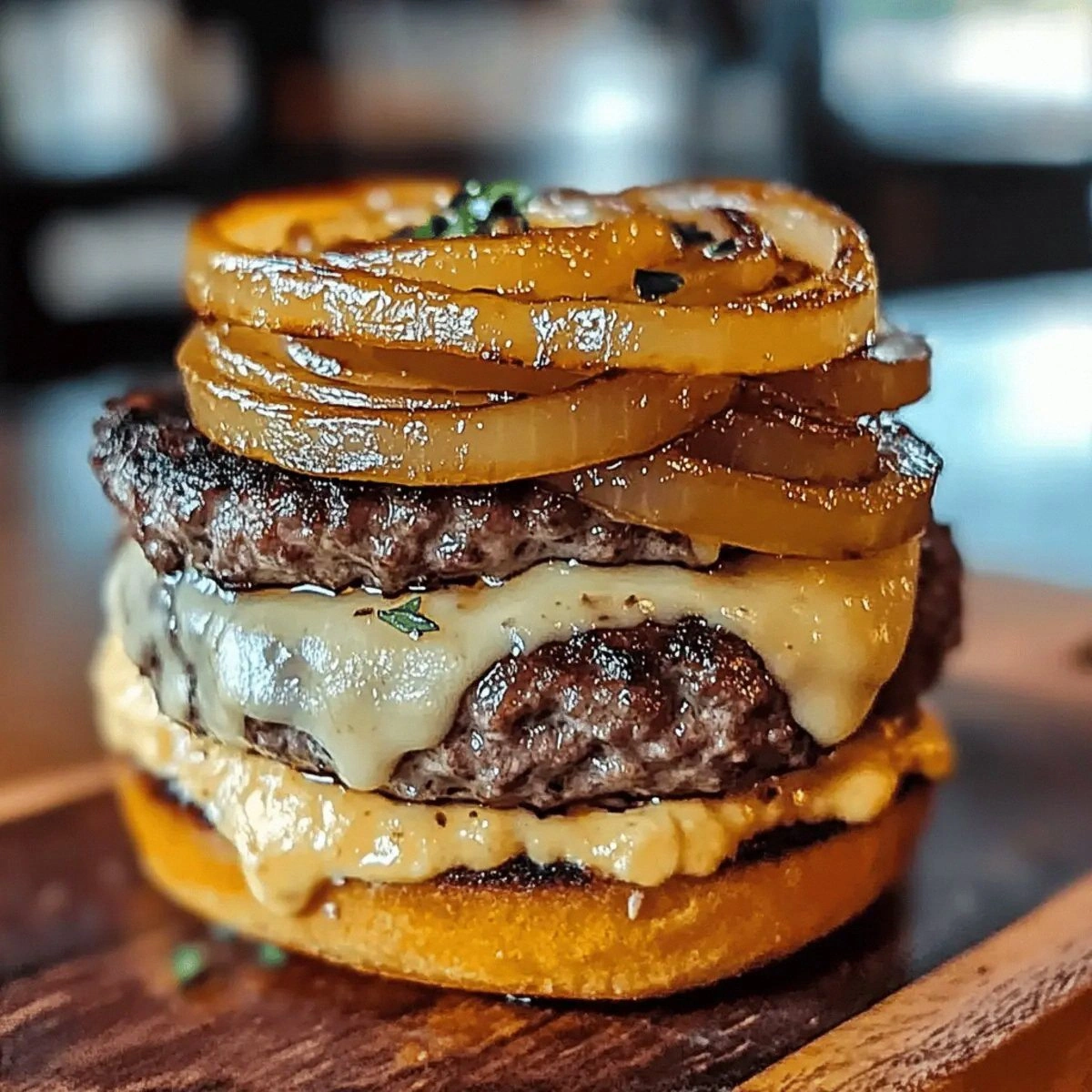
I was standing in my kitchen, half‑asleep, when the smell of a late‑night fast‑food joint wafted through the open window. My stomach growled louder than a freight train, and I swore a dare to myself: “If I can’t order a greasy burger, I’ll build one that knocks the socks off a seasoned carnivore.” The result? A low‑carb masterpiece that feels like a warm hug from a Dutch sea captain who’s finally found his shore. This isn’t just any burger – it’s a Flying Dutchman that sails straight into flavor town, leaving ordinary patties in its wake.
Picture the kitchen: the sizzle of ground beef hitting a hot cast‑iron pan, the caramelized onions turning a deep amber, and the air thick with a smoky, sweet perfume that makes you want to hug the stovetop. You can hear the gentle pop of spices as they hit the oil, feel the heat radiating from the pan, and taste the promise of a juicy bite before the first mouthful even arrives. The texture is a paradox – the patty stays moist and tender while the crust cracks like a thin sheet of ice, and the sauce drapes the meat like a silk scarf. It’s a sensory overload that convinces you this is the burger you’ve been dreaming of all your life.
What makes this version truly stand out is the marriage of low‑carb sensibility with unapologetic indulgence. Most recipes try to cut carbs by sacrificing flavor, but here we use a clever blend of Creole seasoning, a dash of brown sugar, and a secret mayo‑relish emulsion that adds creaminess without the carb overload. The result is a burger that feels hearty, comforting, and surprisingly light on the glycemic index – the perfect comfort food for anyone watching their macros.
And here’s the kicker: I’m about to reveal a technique that most home cooks completely miss – the “double‑sear, low‑heat finish.” This method locks in juices, creates a caramelized crust, and prevents the dreaded dry interior that haunts many low‑fat burgers. I dare you to taste this and not go back for seconds. Let me walk you through every single step — by the end, you’ll wonder how you ever made it any other way.
What Makes This Version Stand Out
- Flavor Explosion: Creole seasoning paired with Worcestershire sauce creates a depth that feels like a Southern BBQ pit meets a New Orleans jazz club. The sweet‑savory balance is so precise you’ll think I hired a flavor scientist.
- Texture Mastery: The patty develops a crisp outer crust while staying buttery inside, thanks to the double‑sear technique and a modest amount of olive oil that never makes the burger greasy.
- Low‑Carb Heroics: By swapping the usual bun for a thick slice of cheese or lettuce wrap, you keep carbs under 30 g per serving, yet you still get that satisfying bite that makes you forget you’re dieting.
- Simplicity: Only fourteen ingredients, all pantry‑friendly, mean you won’t need a specialty store run. The steps are straightforward, and the whole thing comes together in under an hour.
- Unique Sauce: A mayo‑relish blend that clings to the meat like velvet, delivering a tangy, sweet, and slightly spicy finish that no ketchup can rival.
- Crowd Magnet: I’ve served this at backyard barbecues and it disappears faster than ice cream on a summer day. Even the kids ask for seconds, which, let’s be honest, is a rare triumph.
- Ingredient Quality: Using 80 % lean ground beef gives you that juicy fat content without excess greasiness, and the fresh yellow onion adds natural sweetness that balances the heat.
- Make‑Ahead Potential: The sauce can be pre‑made and stored, and the patties can be formed and refrigerated up to a day ahead, making weeknight dinner a breeze.
Inside the Ingredient List
The Flavor Base
The Creole seasoning is the heart‑beat of this burger. Its blend of paprika, thyme, and a whisper of cayenne delivers a smoky heat that never overwhelms. If you skip it, the burger loses that signature zing and ends up tasting bland. You can substitute a Cajun blend if you prefer a bit more pepper, but remember to adjust the cayenne down a notch to keep the heat in check. When shopping, look for a seasoning that lists real herbs first – that’s the mark of quality.
The Texture Crew
Ground beef at 80 % lean is the sweet spot: enough fat to stay juicy, yet lean enough to keep the carb count low. The large yellow onion, when sautéed until caramelized, adds natural sugars that complement the brown sugar without adding refined carbs. Olive oil is the silent partner that helps achieve that golden crust without drowning the patty. If you’re allergic to olive oil, avocado oil works just as well and adds a subtle buttery note.
The Unexpected Star
Mayonnaise and relish might sound like a sandwich spread, but together they form a sauce that clings to the meat like a second skin. The mayo provides richness, while the relish adds a sweet‑tart crunch that cuts through the beef’s richness. Dijon mustard injects a sharp acidity, balancing the sweetness of the brown sugar and the tang of the Worcestershire sauce. If you’re avoiding eggs, use a plant‑based mayo – just be sure it’s thick enough to coat.
The Final Flourish
A pinch of garlic powder, onion powder, smoked paprika, and cayenne rounds out the flavor profile, creating layers that reveal themselves bite after bite. The smoked paprika adds a wood‑fire depth, while the cayenne gives a lingering warmth that makes you reach for another bite. If you prefer a milder version, halve the cayenne – but trust me, that subtle heat is part of the magic. Freshly ground black pepper at the end adds a final aromatic pop.
Everything's prepped? Good. Let's get into the real action…
The Method — Step by Step
Start by heating a large cast‑iron skillet over medium‑high heat until it’s screaming hot – you’ll hear a faint hiss when you add a drop of water. While the pan heats, dice the yellow onion into fine pieces; the smaller the dice, the faster it will caramelize. Toss the onion into the pan with a splash of olive oil, stirring constantly. After about 3‑4 minutes, you’ll notice the edges turning a deep golden brown and the aroma becoming sweet and nutty. That sizzle when it hits the pan? Absolute perfection.
While the onions are doing their thing, combine the ground beef, Creole seasoning, Worcestershire sauce, and brown sugar in a large bowl. Use your hands – yes, get a little messy – to gently fold the seasonings into the meat without overworking it. Over‑mixing will compress the fibers and result in a dense, tough patty. Once everything is evenly distributed, shape the mixture into four equal patties, about ¾‑inch thick. Press a small indentation in the center of each patty – this prevents the classic “bulging” effect as they cook.
Now, add a tablespoon of olive oil to the pan with the caramelized onions, letting it mingle for about 30 seconds. Gently lay the patties into the pan, listening for that unmistakable “sear” sound. Let them cook undisturbed for 3‑4 minutes; you’ll see the edges start to brown and the juices begin to rise to the surface. Flip the patties once the underside is a deep, caramel‑brown and the interior is still pink.
After flipping, reduce the heat to medium‑low and cover the pan with a lid. This “low‑heat finish” steams the interior just enough to finish cooking without drying out. Cook for another 5‑6 minutes, or until the internal temperature hits 160 °F (71 °C). The covered pan will trap steam, creating a gentle oven‑like environment that keeps the meat juicy.
While the burgers finish cooking, whisk together the mayonnaise, relish, Dijon mustard, sugar, garlic powder, onion powder, smoked paprika, and cayenne in a small bowl. The mixture should be smooth, glossy, and slightly thick – think a luxurious dip rather than a runny sauce. Taste and adjust the cayenne if you prefer more heat; remember, the sauce will mellow slightly once it coats the hot patty.
Once the burgers are done, transfer them to a plate and let them rest for 3‑4 minutes. This rest period lets the juices redistribute, preventing a soggy bite. Meanwhile, give the caramelized onions a quick stir to pick up any browned bits stuck to the pan – those are flavor gold.
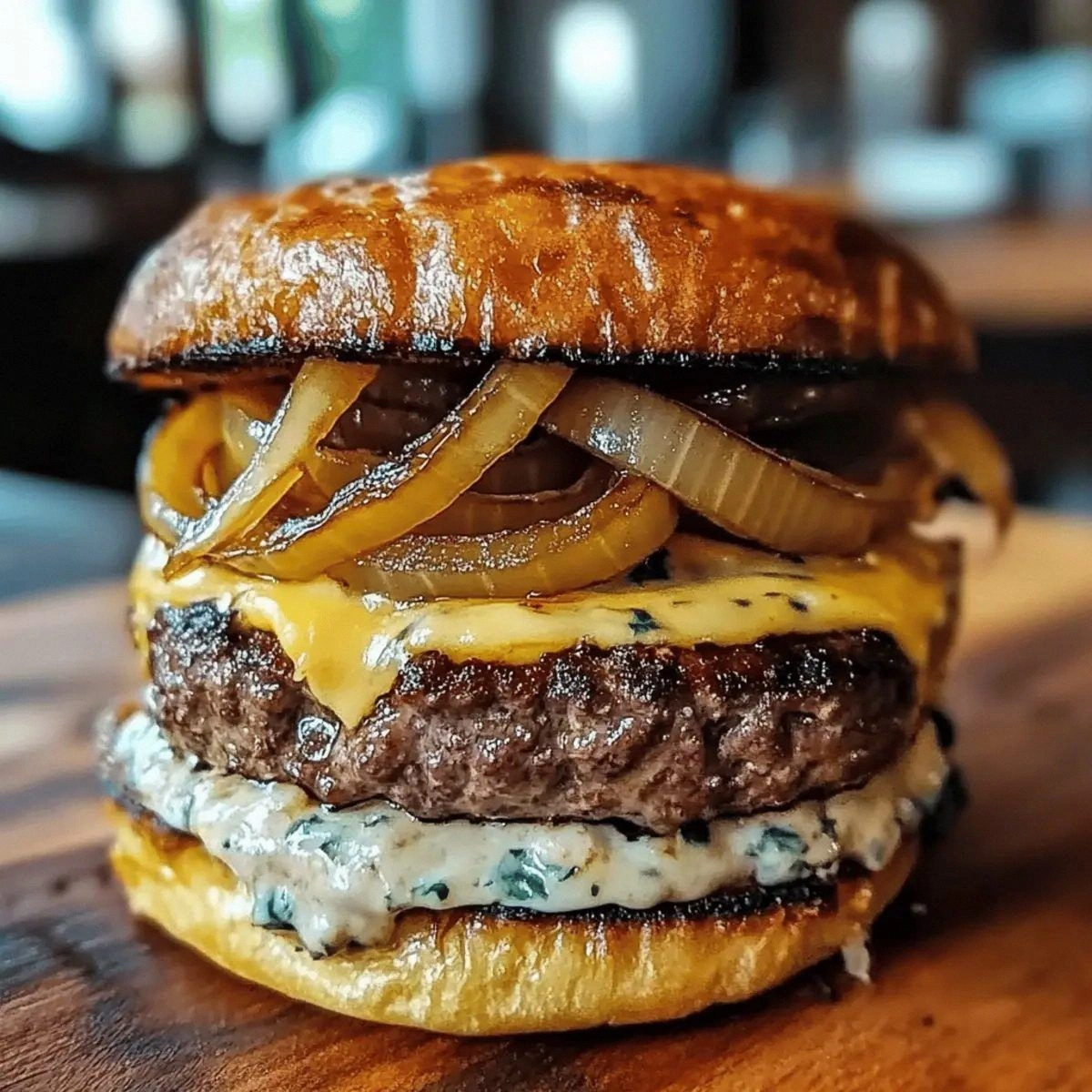
Now comes the assembly: lay a generous spoonful of the mayo‑relish sauce on each patty, then pile on the caramelized onions. If you’re using lettuce wraps, place the patty on a crisp leaf; if you’re feeling indulgent, lay a thick slice of cheese on top and let the residual heat melt it. Press gently, snap a photo, and brace yourself for the first bite – this next part? Pure magic.
Serve immediately with a side of roasted low‑carb veggies or a simple cucumber salad. The burger’s aroma will fill the room, and you’ll hear the satisfied sighs of anyone lucky enough to share the table. And if you’re still hungry, remember the sauce can be stored in the fridge for up to a week – a perfect cheat for next‑day cravings.
That's it — you did it. But hold on, I've got a few more tricks that'll take this to another level…
Insider Tricks for Flawless Results
The Temperature Rule Nobody Follows
Most home cooks sear on high heat and then finish on low, but the secret is to start at medium‑high and then drop to medium‑low for the exact amount of time needed to reach 160 °F. This prevents the dreaded “burnt outside, raw inside” scenario. I once tried a friend’s method of searing on blazing fire and then sliding the patty onto a cold plate – the result was a patty that looked perfect but tasted like a rubber shoe. Trust the thermometer and the timing, and your burger will stay juicy every single time.
Why Your Nose Knows Best
Before you even check the temperature, sniff the air. When the onions turn a deep amber and the meat starts to release a nutty aroma, you’re about 70 % of the way there. Your nose can detect the Maillard reaction before your eyes can see the perfect crust. If the scent is still raw or metallic, give it a few more seconds – patience pays off in flavor.
The 5‑Minute Rest That Changes Everything
Resting isn’t just for steaks; it’s crucial for burgers too. During the rest, the muscle fibers relax and re‑absorb the juices they expelled during cooking. Skipping this step results in a dry, crumbly bite that feels like chewing on a shoe sole. Set a timer for exactly 3‑5 minutes – no more, no less – and you’ll lock in that buttery interior.
Sauce Consistency Hack
If your mayo‑relish sauce feels too thick, whisk in a teaspoon of warm water or a splash of lemon juice. This thin‑out trick keeps the sauce spreadable without diluting the flavor. Conversely, if it’s too runny, add a pinch more brown sugar or a dash of extra relish to thicken it up. The goal is a sauce that clings, not slides off.
The Secret of the Caramelized Onion
Don’t rush the onions. Low and slow is the mantra; a quick sauté will give you color but not the deep sweetness that makes this burger sing. If you’re short on time, add a pinch of sugar and a splash of water to speed up caramelization – the sugar caramelizes faster, while the water prevents burning. Remember, the onions are the unsung hero that balances the heat of the Creole spice.
Creative Twists and Variations
This recipe is a playground. Here are some of my favorite ways to switch things up:
Spicy Chipotle Dutchman
Swap the cayenne for 1 teaspoon of chipotle powder and add a dash of smoked paprika to the sauce. The result is a smoky, smoky heat that pairs beautifully with the creamy mayo base. Perfect for those who love a subtle, lingering fire.
Herb‑Infused Garden Burger
Add 2 tablespoons of finely chopped fresh basil and 1 tablespoon of chopped parsley to the ground beef mixture. Replace the relish with a spoonful of chopped sun‑dried tomatoes for an herbaceous, Mediterranean twist that feels like a summer picnic.
Cheesy Bacon Crunch
Crumble 4 strips of cooked bacon and fold them into the patty mixture. Top the assembled burger with a slice of sharp cheddar that melts over the hot patty. The bacon adds a smoky crunch, while the cheddar adds a creamy finish that elevates the whole dish.
Thai‑Inspired Zing
Replace the Dijon mustard with 1 tablespoon of Thai sweet chili sauce, and add a teaspoon of lime zest to the mayo blend. Finish with a sprinkle of chopped cilantro. This version delivers a sweet‑tart, aromatic experience that transports you to a street market in Bangkok.
Portobello Mushroom Swap
For a vegetarian spin, substitute the beef patty with a large, grilled Portobello cap brushed with olive oil and seasoned with the same Creole blend. The mushroom’s meaty texture holds the sauce beautifully, and the caramelized onions become the star of the show.
Storing and Bringing It Back to Life
Fridge Storage
Place the cooked patties in an airtight container, separate from the sauce, and store for up to 3 days. The sauce can be kept in a small jar, also sealed tightly. When ready to eat, reheat the patty in a skillet over medium heat for 2‑3 minutes per side, then slather with fresh sauce.
Freezer Friendly
Wrap each cooled patty tightly in parchment paper, then place them in a zip‑top freezer bag. They’ll stay fresh for up to 2 months. To defrost, move them to the fridge overnight, then finish cooking as described above. The sauce freezes well in ice‑cube trays; just pop a cube into the reheated burger for instant flavor.
Best Reheating Method
For the ultimate texture, reheat in a hot cast‑iron skillet with a splash of water (about 1 tablespoon) and cover for 2 minutes. The steam revives the patty’s juiciness while the skillet restores the crust. Add a tiny splash of water before reheating – it steams back to perfection without turning soggy.