I was knee‑deep in a pantry apocalypse last Tuesday, staring at a lonely zucchini that had somehow survived the week’s chaotic meal plan. I tossed it into the air, watched it wobble like a gymnast, and thought, “What if this thing could replace pasta and still bring the party?” That moment sparked a culinary dare: create a noodle dish that slaps you with heat, hugs you with sesame, and crunches like fresh‑cut fireworks. I grabbed a block of tofu, a bottle of sriracha, and a handful of sesame seeds, and the kitchen turned into a laboratory of flavor experiments.
The first whiff was pure anticipation – the nutty perfume of sesame oil mingling with the sharp zing of garlic and ginger, a scent that made my nostrils do a little dance. The sound? A satisfying sizzle as the tofu hit the hot pan, each cube shouting “crispy!” as it turned golden. The texture? Imagine a strand of zucchini, springy yet delicate, coated in a sauce that glides like silk, then topped with tofu that cracks under the bite like thin ice on a winter pond. The taste? A daring heat that teases, balanced by a subtle sweetness and a lingering nuttiness that makes you want to lick the plate clean.
Most recipes for zucchini noodles either drown them in soggy sauce or skip the protein altogether, leaving you with a bland side dish. I’ve been honest — I ate half the batch before anyone else could even sniff the aroma, because this version is hands down the best you’ll ever make at home. The secret? A quick cornstarch coating that turns tofu into crunchy clouds, and a sesame‑chili drizzle that clings to the zoodles like velvet. You’ll also notice a surprise ingredient that most cooks overlook: a splash of rice vinegar that cuts through the richness and brightens every bite.
I dare you to taste this and not go back for seconds. The combination of textures and flavors is so addictive, you’ll start dreaming about zoodles in the middle of the night. Okay, ready for the game‑changer? Let me walk you through every single step — by the end, you’ll wonder how you ever made it any other way.
What Makes This Version Stand Out
- Heat Balance: The sriracha‑ginger‑garlic blend hits the palate with a controlled kick, never overwhelming the delicate zucchini. It’s like a fireworks show where each spark is timed perfectly, delivering excitement without burning the audience.
- Crispy Tofu: A thin dusting of cornstarch and a quick fry give the tofu a crunch that shatters like thin ice, creating a satisfying contrast to the soft noodles. If you’ve ever struggled with soggy tofu, this technique is your rescue rope.
- Sesame Symphony: Toasted sesame oil, seeds, and a splash of rice vinegar create a nutty, slightly tangy backdrop that makes every bite sing. Most recipes forget the oil’s depth, but here it’s the star of the show.
- Speedy Simplicity: From spiralizer to plate in under 30 minutes, this dish respects your time while delivering restaurant‑level flavor. No overnight marinades, no complicated equipment – just pure, fast, delicious magic.
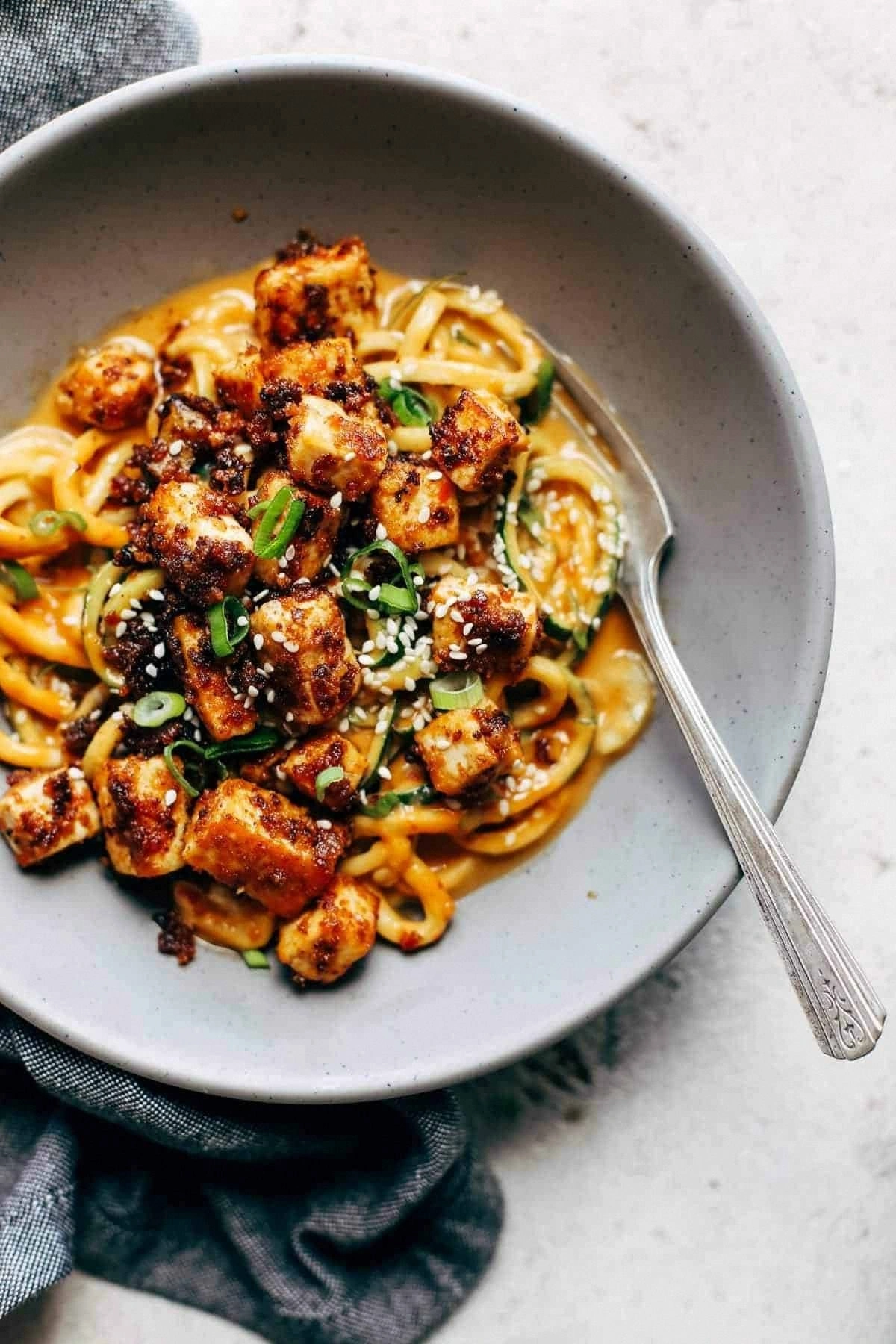
- Visual Appeal: The bright green zoodles paired with golden tofu cubes and specks of sesame look like a painter’s palette, making it Instagram‑ready without the extra effort. Your guests will be impressed before they even take a bite.
- Make‑Ahead Potential: The sauce can be pre‑mixed and stored, and the tofu stays crisp for hours if kept in a single layer. This means you can prep in advance and still serve a fresh‑tasting dish.
- Ingredient Quality: Using fresh, firm zucchini and high‑grade sesame oil elevates the dish from ordinary to extraordinary. Cheap substitutes dull the flavor, but the right choices make the sauce coat the pasta like velvet.
Inside the Ingredient List
The Flavor Base
Soy sauce is the backbone, delivering salty umami that anchors the dish. I use a low‑sodium variety so the sauce doesn’t become a salty swamp; if you skip this, the whole flavor profile collapses like a house of cards. A splash of rice vinegar adds a bright acidity that cuts through the oil, keeping the palate refreshed. Swap with apple cider vinegar for a fruitier note, but remember it will change the final taste balance.
The Texture Crew
Cornstarch is the unsung hero that gives tofu its signature crunch. Without it, the tofu would turn into a soggy pillow, losing that satisfying snap. You can replace it with rice flour for a slightly nuttier crust, but cornstarch remains the gold standard for that airy crunch. And don’t forget the sesame seeds – toasted to golden perfection they add a subtle crunch and a deep, nutty aroma that lingers long after the last bite.
The Unexpected Star
A drizzle of honey (or maple syrup for vegans) brings a whisper of sweetness that tames the heat from sriracha. It’s the secret handshake between sweet and spicy, preventing the dish from feeling one‑dimensional. If you’re allergic to honey, agave nectar works just as well, though it’s a tad thinner, so use a touch less to keep the sauce from becoming watery.
The Final Flourish
Fresh ginger and garlic are the aromatic finishers that make the sauce sing. Grated ginger releases its zing instantly, while minced garlic adds a fragrant backbone. If you’re not a fan of raw garlic’s bite, roast it first for a mellow, caramelized flavor that still packs a punch. And the green onions—both white and green parts—bring a fresh, sharp contrast that lifts the whole dish.
Everything's prepped? Good. Let’s get into the real action…
The Method — Step by Step
First, press the tofu. Wrap the 14‑ounce block in a clean kitchen towel, place a heavy pan on top, and let it sit for at least 15 minutes. This removes excess water, ensuring the tofu crisps up rather than steams. When you finally cut it into one‑inch cubes, you’ll notice a firm, dense texture that’s ready for the next transformation.
Okay, ready for the game‑changer? Toss the cubes in a bowl with 2 tablespoons of cornstarch, shaking until every piece is lightly dusted. This thin coating is what creates that irresistible crunch you’ll hear when you bite.
Heat 1 tablespoon of vegetable oil in a non‑stick skillet over medium‑high heat. Once the oil shimmers, add the tofu cubes in a single layer. Let them sit untouched for about 2 minutes; you’ll hear a gentle sizzle that promises golden edges.
Kitchen Hack: Use a splatter guard while frying tofu. It keeps your stovetop clean and prevents oil from jumping onto the counter.After the first side browns, flip each cube and repeat for another 2 minutes. The tofu should be golden, with edges that pull away from the pan—signs of perfect crispness. Transfer the tofu to a paper‑towel‑lined plate to drain any excess oil.
While the tofu rests, whisk together the sauce: 2 tablespoons soy sauce, 1 tablespoon rice vinegar, 1 tablespoon honey, 1 tablespoon sriracha, 3 tablespoons sesame oil, the minced garlic, and grated ginger. The mixture should look glossy and slightly thick. Let it sit for a minute; this allows the flavors to meld, turning the raw heat of chili into a rounded, fragrant sauce.
Now, spiralize the zucchini. If you don’t own a spiralizer, a julienne peeler works just as well. Once you have a pile of green ribbons, sprinkle a pinch of salt and toss them gently. Let them sit for 5 minutes, then pat them dry with a clean kitchen towel—this step prevents excess water from diluting the sauce.
Heat 2 tablespoons of sesame oil in a large wok or skillet over medium heat. Add the dried zoodles and toss for 1‑2 minutes, just until they start to soften but still retain a firm bite. The oil should coat each strand, giving it a subtle sheen that hints at the nutty flavor to come.
Turn the heat down to low and pour the prepared sauce over the zoodles. Stir continuously; you’ll hear a gentle hiss as the sauce thickens and clings to the noodles like a silk scarf. This is the moment of truth—if the sauce looks too watery, let it cook a few seconds longer; if it’s too thick, splash in a teaspoon of water.
Add the crispy tofu back into the pan, along with the sliced green onions and toasted sesame seeds. Toss everything together so the tofu’s crunch meets the noodle’s softness in a harmonious dance. Taste and adjust with a pinch of salt or an extra drizzle of sriracha if you crave more heat.
Plate the dish immediately, because the contrast between hot, glossy noodles and cool, crisp tofu is what makes this meal unforgettable. Garnish with a few extra sesame seeds and a drizzle of sesame oil for that final glossy finish. That sizzle when it hits the pan? Absolute perfection.
That's it — you did it. But hold on, I've got a few more tricks that'll take this to another level…
Insider Tricks for Flawless Results
The Temperature Rule Nobody Follows
Keep the wok hot enough that the sauce bubbles immediately when added, but not so hot that it burns the garlic. A good test is to flick a tiny drop of water into the pan; if it dances and evaporates instantly, you’re at the sweet spot. This ensures the sauce emulsifies perfectly without turning bitter.
Why Your Nose Knows Best
Before you even taste, trust the aroma. When the sauce releases a nutty, slightly sweet perfume, you know the sesame oil has fully integrated. If you smell sharp vinegar dominance, give it a few more seconds to mellow. Your nose is the best early warning system for balancing flavors.
The 5‑Minute Rest That Changes Everything
After tossing everything together, let the dish sit for five minutes off the heat. This short rest lets the noodles absorb the sauce, the tofu’s crust to settle, and the flavors to meld. I once tried to serve immediately and the sauce was thin; the rest period makes the dish feel cohesive.
Seasoning on the Spot
Taste before you plate, and add a pinch of sea salt or a splash more sriracha at the very end. The final seasoning is what transforms a good dish into a great one. Remember, you can always add more, but you can’t take it out.
The “Dry‑Hand” Trick for Zoodles
When handling raw zoodles, keep your hands lightly dusted with rice flour. This prevents the strands from sticking together, making it easier to toss them in the pan without turning them into a green mush.
Creative Twists and Variations
This recipe is a playground. Here are some of my favorite ways to switch things up:
Peanut‑Power Crunch
Swap the sesame seeds for toasted peanuts and add a tablespoon of peanut butter to the sauce. The result is a richer, nut‑laden version that pairs beautifully with the heat of sriracha.
Miso‑Melt
Stir in a teaspoon of white miso paste into the sauce for a deep umami boost. This version feels like a comforting bowl of miso ramen without the noodles.
Coconut‑Lime Zing
Replace the sesame oil with coconut oil and add a splash of lime juice at the end. The tropical notes brighten the dish, perfect for a summer dinner on the patio.
Veggie‑Boost
Throw in thinly sliced bell peppers, carrots, or snap peas during the noodle sauté. The added crunch and color make the plate pop and increase the veggie quotient.
Spicy‑Sweet BBQ
Mix a tablespoon of BBQ sauce into the glaze and increase the sriracha to two teaspoons. This creates a smoky, sweet‑heat profile that’s perfect for game‑day snacking.
Storing and Bringing It Back to Life
Fridge Storage
Place the noodles and sauce in separate airtight containers. The tofu stays crisp for up to 3 days if stored on a paper towel‑lined plate. When ready to eat, reheat the sauce gently and quickly toss the noodles to warm them without overcooking.
Freezer Friendly
Freeze the cooked tofu and the sauce separately. The zucchini noodles don’t freeze well, so keep them fresh and add them after reheating. To thaw, move the sauce to the fridge overnight, then warm on low heat.
Best Reheating Method
For a perfect reheated plate, heat a splash of sesame oil in a skillet, add the sauce and let it bubble, then toss in the zoodles for just 30 seconds. Add a tiny splash of water before reheating; it creates steam that brings the noodles back to their original snap.