I still remember the first time I tried to make a lemon cake that didn’t taste like a bottle of dish soap had been poured into the batter. It was a humid Sunday afternoon, my kitchen looked like a flour bomb had gone off, and I was clutching a bag of sad, shriveled lemons that had been in the fridge since the Ice Age. I wanted something bright, something creamy, something that sang of summer even if the calendar said February. What I got was a dense, sour brick that my neighbor politely fed to her compost bin. Fast-forward through three more flops, a near-miss with a lemon extract overdose, and one unfortunate incident involving a hand mixer and a ceiling fan, and I finally landed on this: Italian Lemon Cream Cake, the sunshine-soaked, cloud-soft dessert that makes me want to twirl around the kitchen in a flour-dusted victory dance every single time I bake it.
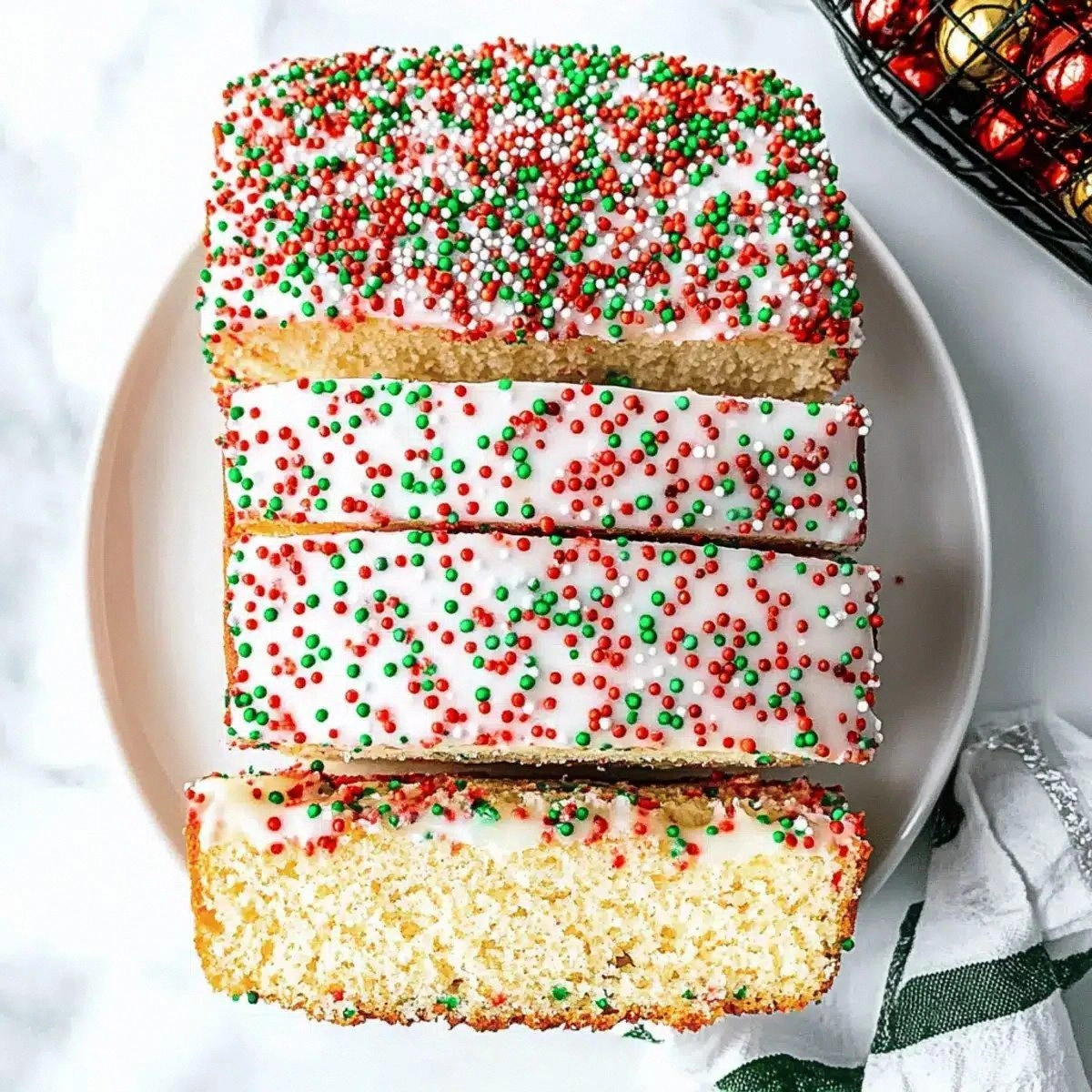
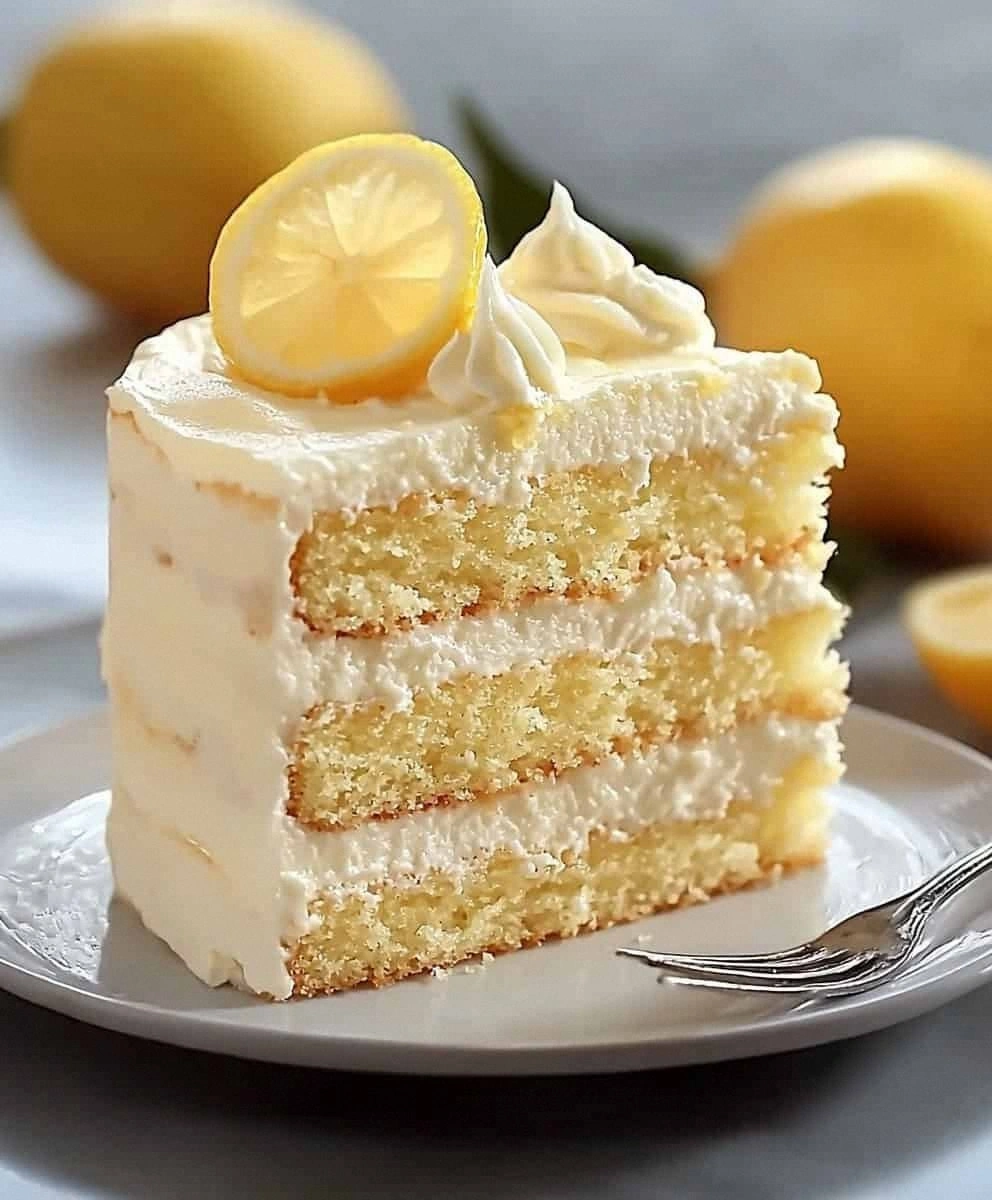
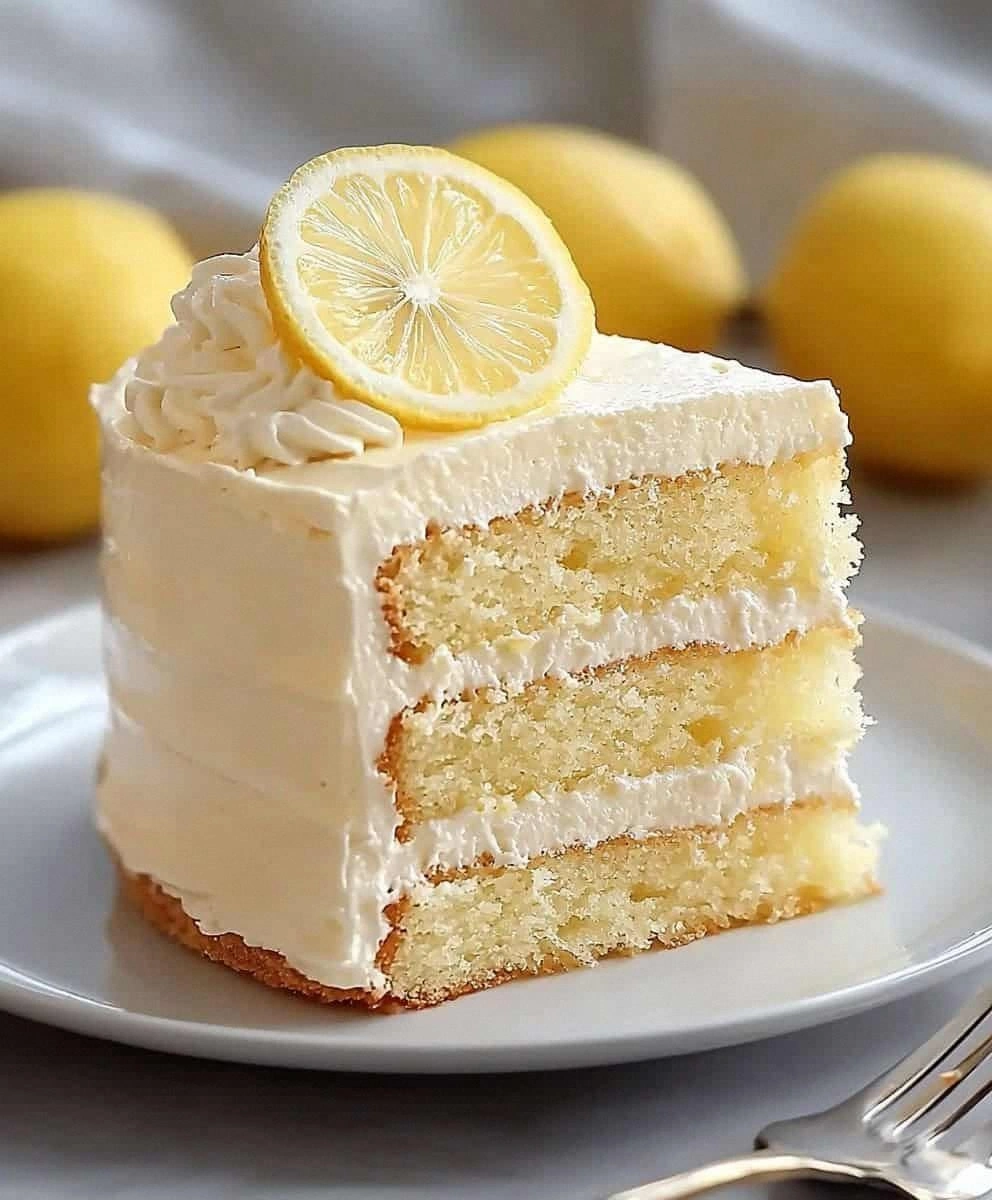
Picture this instead: the cake rises in the oven like a golden sunrise, its scent curling through the house like a flirtatious whisper of Sicilian orchards. You pull it out, let it cool, and slice into layers so tender they sigh under the weight of mascarpone-lemon cloud. The filling is silky, tangy, just sweet enough to keep you honest, and the glaze drips down the sides in slow-motion rivulets that look like edible art. One forkful and you’re barefoot on Amalfi cliffs, even if you’re actually standing on scratched linoleum in Ohio. I dare you to taste this and not go back for seconds—no, thirds—okay, maybe just the rest of the pan standing over the sink so no one sees you.
Most recipes get this completely wrong. They overdose on lemon juice until your cheeks pucker like you’ve bitten into a battery, or they rely on boxed cake mix and call it “light.” Not here. We’re using fresh zest, real mascarpone, and a technique that traps air into the batter so the crumb stays as plush as a feather pillow. The secret weapon? A double-hit of lemon—zest rubbed into sugar to release the oils, plus a gentle splash of juice that brightens without bulldozing your palate. Stay with me here—this is worth it.
Okay, ready for the game-changer? We’re going to whip cold cream into the mascarpone so the filling holds lofty peaks, then sandwich it between cake layers while everything is still slightly warm. The residual heat sets the cream just enough to keep it from sliding off the plate when you serve. Future pacing: imagine yourself pulling this stunner out of the fridge tomorrow night, the glaze still glossy, the first slice revealing those dramatic yellow stripes against white cream. Let me walk you through every single step—by the end, you’ll wonder how you ever made it any other way.
What Makes This Version Stand Out
- Taste: The balance is flirtatious—bright citrus flits across your tongue first, then mellow mascarpone swoops in like a smooth-talking dance partner, leaving a finish so clean you’ll swear the plate licked itself.
- Texture: We’re talking sponge-cake tenderness thanks to whipped egg whites folded into the batter, plus a cream filling so airy it practically floats above the fork.
- Simplicity: No stand mixer required, no culinary-school parchment origami, no waiting three days for syrups to steep. If you can zest a lemon without grating your knuckles, you’re qualified.
- Uniqueness: Most lemon cakes rely on butter alone; we fold in a splash of olive oil for moist, fruity depth that whispers of Italian groves without announcing itself loudly at the party.
- Crowd Reaction: I’ve seen grown adults negotiate “just one more sliver” like UN peace treaties. Kids lick the plates when they think no one’s watching. Partners suddenly volunteer to do dishes if they can nibble the crumbs.
- Ingredient Quality: Fresh lemons are non-negotiable. Bottled juice tastes like a cleaning product and will betray you faster than a cheap umbrella in a thunderstorm.
- Cooking Method: We reverse-cream the butter with sugar to trap air, then add hot milk to bloom the leaveners—yes, it’s science, but it feels like kitchen wizardry.
- Make-Ahead Potential: The layers freeze beautifully, the filling holds for 48 hours chilled, and the glaze can be whisked up in the time it takes your coffee to brew.
Alright, let’s break down exactly what goes into this masterpiece...
Inside the Ingredient List
The Flavor Base
Lemons are the headliners, but they’re divas—use them wrong and they’ll steal the whole show with sour, bitter tantrums. Pick heavy, fragrant fruits with taut, glossy skin; those have the most oil in the peel. Organic matters here because you’re eating the zest, and nobody wants a mouthful of wax or pesticide cologne. If your lemons feel light or the skin looks like an abandoned raisin, keep walking. In a pinch, you can sub Meyer lemons for a softer, floral note, but reduce the sugar by two tablespoons since they’re naturally sweeter.
The Texture Crew
All-purpose flour gives us enough gluten to stay cakey rather than custardy, but we’re keeping it gentle—no aggressive mixing or you’ll end up with rubber. The baking powder and soda work as a tag team: powder lifts, soda browns, and together they create the micro-bubbles that make the crumb feel like it was kissed by angels. Whole milk adds fat and protein for tenderness, but if you only have 2 percent, don’t panic; just swap two tablespoons of milk with cream to compensate. And here’s the curveball: two tablespoons of mild olive oil. It slides between flour particles and coats them in slipperiness, so the cake stays moist even if you accidentally over-bake by three minutes.
The Unexpected Star
Mascarpone is usually draped over tiramisu like a velvet curtain, but whip it with cold cream and it becomes a cloud that holds lemon juice without curdling. Make sure it’s cold straight from the fridge; warm mascarpone melts faster than resolve on a diet. If you can’t find it, cream cheese works, but add an extra tablespoon of cream and half teaspoon of sugar to mellow the tang. And please, for the love of all that is holy, buy the good stuff in the tub, not the shelf-stable box that tastes like sweetened plastic.
The Final Flourish
Powdered sugar dissolves instantly into the glaze, giving you that glassy sheen that shatters delicately under the fork. Sift it first or you’ll spend precious minutes chasing sugar lumps around the bowl like they’re escaped convicts. A pinch of salt—yes, in the glaze—wakes up the lemon and keeps the sweetness from cloying. If you want a dramatic two-tone effect, reserve a spoonful of glaze and whisk in a drop of turmeric for color; drizzle it over the white in thin lines and drag a toothpick for marble swirls.
The Method — Step by Step
- Preheat your oven to 350°F (175°C) and trace an 8-inch circle on parchment, then flip it ink-side down in the pan; this keeps the cake from sticking without adding greasy sprays that muffle the crumb. Rub a little butter only on the sides so the batter can crawl up and climb evenly. If you’ve ever struggled with domed tops, you’re not alone—and I’ve got the fix: wrap the outside of the pan with a damp strip of towel; it insulates the edges so the center rises level.
- In a medium bowl, whisk flour, baking powder, baking soda, and salt for a full thirty seconds; this distributes the leaveners so you won’t get sad, dense tunnels. Now zest the lemons directly into the granulated sugar and use your fingers to massage until the sugar turns damp and fragrant like lemon-drop candy. That sizzle when the oils hit the sugar? Absolute perfection. Your kitchen will already smell like a coastal grove, and the batter hasn’t even formed yet.
- Add the softened butter to the lemon-sugar and beat on medium until the mixture looks pale and fluffy—about three minutes if you’re using a hand mixer, five if you’ve got forearms like a pastry chef. Crack in the eggs one at a time, letting each fully disappear before the next joins the party. If you dump them all at once, the emulsion breaks and you’ll get a curdled mess that even a spa day can’t fix. Scrape the bowl twice; unmixed streaks of butter will sink and create greasy pockets.
- Stir the milk and lemon juice together and set aside for five minutes; it thickens slightly and mimics buttermilk for extra tenderness. Don’t freak when it looks like loose yogurt—that’s science doing you a solid. Pour half this tangy elixir into the batter, mix on low just until it looks like chunky soup, then add half the flour mixture. Repeat, ending with flour to keep gluten from going berserk. The batter should be satiny and fall off the beaters in thick ribbons.
- Here’s the moment of truth: dollop the batter into your prepared pan and spread it gently with an offset spatula, nudging it higher around the edges and slightly lower in the center; this compensates for the natural rise and gives you a level crown. Tap the pan on the counter twice to pop any sneaky air bubbles. Slide it onto the middle rack and set a timer for twenty-five minutes. Do not open the door before then or the cake will collapse like my willpower near a bag of kettle corn.
- While the cake bakes, start the filling. Pour cold cream into a chilled bowl—yes, the bowl matters; warmth is the enemy of peaks. Whip until traces of the beater just begin to show, then add mascarpone, powdered sugar, and vanilla. Keep whipping until you get soft, cloud-like peaks that curl like a slow wave. Fold in lemon juice and zest with a spatula, not the mixer; we want to keep the airy structure intact. The mixture should taste like lemon cheesecake on a first-class ticket to Florence.
- Test the cake at the twenty-five-minute mark: gently press the center—if it springs back and a toothpick comes out with a few moist crumbs, you’re golden. If it wobbles like a waterbed, give it another four minutes, but watch closely. Over-baking is the number-one crime against lemon cakes; dry crumbs suck the joy right out. Cool in the pan on a rack for ten minutes, then run a thin knife around the edge and invert onto your hand supported by the rack; peel off the parchment and flip right-side up to cool completely.
- When the layers are barely warm, slice each horizontally with a long serrated knife, rotating the cake rather than sawing back and forth; you’ll get even rounds instead of a topographical map. Place the first layer on your serving plate and spread a quarter of the lemon cream right to the edge, pushing it slightly past the rim so the next layer sits snugly. Repeat, ending with the prettiest layer on top. Save the last bit of cream for the outer swoosh if you like a semi-naked look, or slather it all on for full frosting glamour.
That’s it—you did it. But hold on, I’ve got a few more tricks that’ll take this to another level...
Insider Tricks for Flawless Results
The Temperature Rule Nobody Follows
Every ingredient should lounge on the counter for thirty minutes except the cream and mascarpone—those stay arctic cold. Room-temperature eggs and butter emulsify smoothly, while cold dairy whips up into stable peaks. A friend tried skipping this step once; let’s just say it didn’t end well, and her cake layers slid apart like a slow-motion tectonic shift. If you’re rushed, submerge cold eggs in warm (not hot) water for five minutes and microwave butter on 30 percent power in ten-second bursts until pliable but not greasy.
Why Your Nose Knows Best
When the zest hits the sugar, close your eyes and inhale deeply. If the aroma punches you with bright citrus perfume, your lemons are rock stars. If it smells faintly like furniture polish, they’re past prime and you’ll need an extra teaspoon of zest to compensate. I’ll be honest—I ate half the batch of lemon-sugar rub before anyone else got to try it, and I refuse to apologize.
The 5-Minute Rest That Changes Everything
After mixing the batter, let it sit uncovered for five minutes. The flour hydrates, bubbles rise and pop, and the slightest bit of gluten relaxation happens, translating to a more tender crumb. This is the moment to wipe down counters, lick the beaters, or practice your acceptance speech for “Best Home Baker Ever.” Don’t walk away from the stove here—set a timer or you’ll forget and the chemical leaveners lose their oomph.
Creative Twists and Variations
This recipe is a playground. Here are some of my favorite ways to switch things up:
Blood Orange Sunset Cake
Swap lemon zest and juice for blood orange; the crimson hue turns the cream blushing pink. Reduce sugar by two tablespoons and add a teaspoon of orange blossom water for a perfume that lingers like a summer fling.
Limoncello Splash for Adults
Brush each cake layer with two tablespoons of limoncello before adding cream. The boozy note amplifies the citrus and makes dinner guests linger at the table long after the plates are cleared.
Berry Ripple Surprise
Puree a cup of raspberries, push through a sieve to remove seeds, then fold streaks into half the lemon cream for a marbled effect. Tart berries tame the sweetness and add dramatic magenta ribbons.
Almond Crunch Upgrade
Fold two tablespoons of finely ground almonds into the batter and sprinkle sliced almonds on top before glazing; they toast to a nutty crunch that contrasts the pillowy crumb.
Coconut Cloud Version
Replace half the milk with full-fat coconut milk and dust the finished cake with toasted coconut flakes. You’ll get tropical vibes that transport you straight to a Capri beach towel.
Mini Trifle To-Go
Cube leftover cake, layer with lemon cream and blueberries in mason jars, snap on lids, and you’ve got portable desserts for picnics that’ll make everyone jealous of your lunchbox game.
Storing and Bringing It Back to Life
Fridge Storage
Cover the cake loosely with plastic wrap—tight wrapping traps condensation that dulls the glaze—and park it on the top shelf where temperatures are coldest. It keeps beautifully for up to three days, though the cream may firm slightly. Add a tiny splash of water to the cut edge before re-wrapping; it steams back to perfection and prevents the cake from drying out like old sponge.
Freezer Friendly
Flash-freeze individual slices on a tray until solid, then wrap each in parchment, slide into zip bags, and squeeze out air like you’re vacuum-sealing treasure. Freeze for up to two months. Thaw overnight in the fridge, then let sit at room temp thirty minutes before serving; the cream softens and the flavors wake up like they’ve had a spa nap.
Best Reheating Method
Honestly, you don’t reheat this cake—you revive it. If you must warm a slice, microwave on 50 percent power for ten seconds only; any hotter and the cream melts into sad puddles. A better move is to pair cold cake with a hot espresso; the temperature contrast makes the lemon sing louder than an opera star.