I never thought a kitchen disaster could lead to a culinary revelation, but here it is: I burned my last batch of spaghetti and the smoke alarm rang like a bad choir. I was staring at the charred pot, feeling the sting of disappointment, when a neighbor texted me about a quick stir‑fry that could rescue the night. That message was a dare: “Make a noodle dish that feels like a hug and not a burnt offering.” I stared at the empty fridge, the scent of yesterday’s take‑out still clinging to the air, and I decided to rewrite the rules of comfort food. This isn’t just another recipe; it’s the kind of dish that turns a kitchen mishap into a triumph, a moment when the sizzle replaces regret.
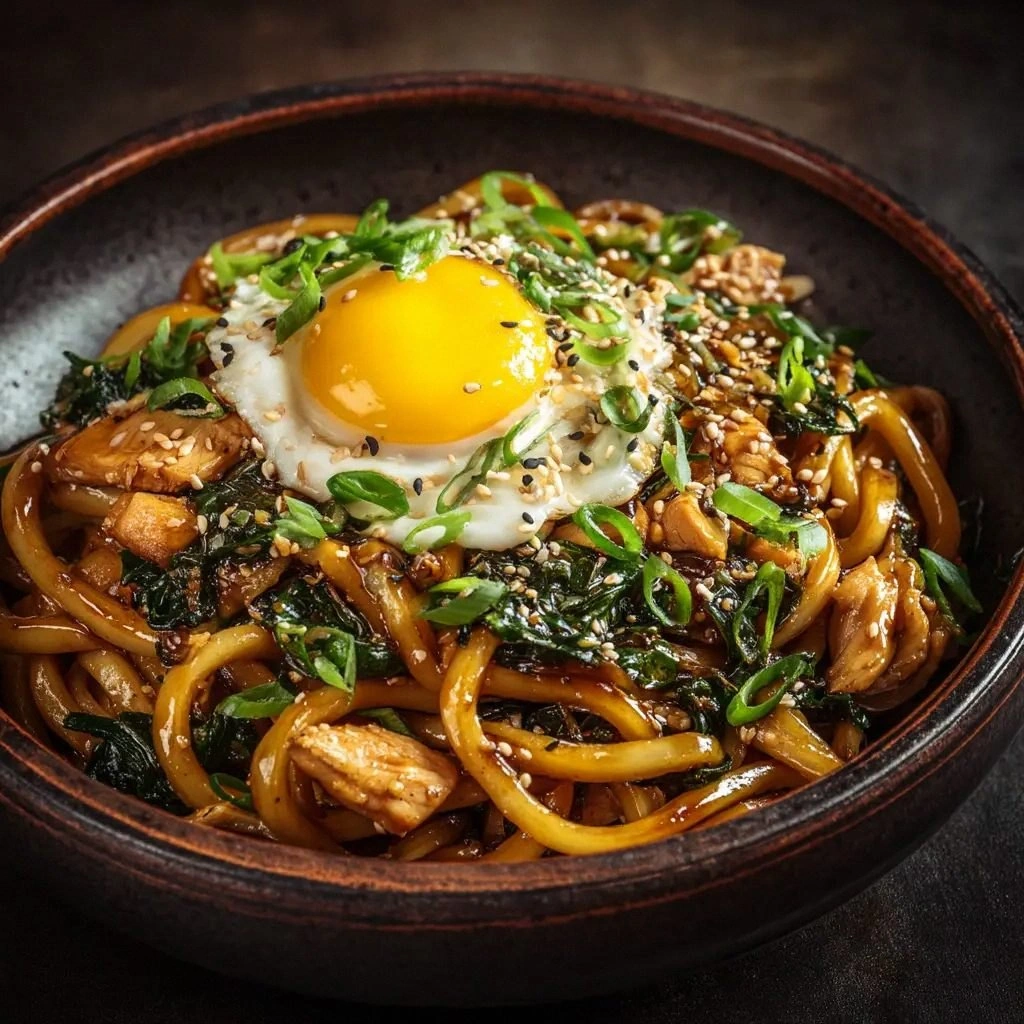
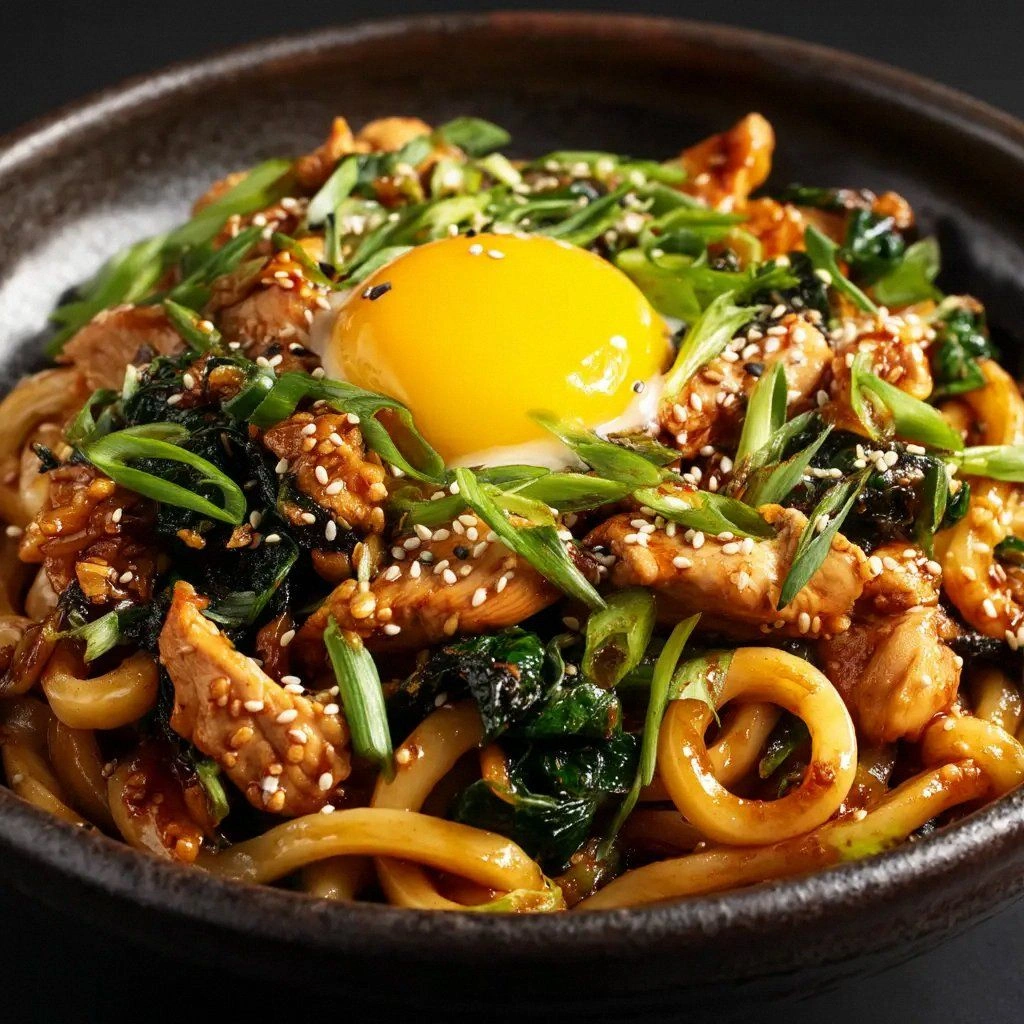
Picture the scene: a hot skillet, the aroma of garlic and onion sizzling, the sound of noodles hitting the pan like a drumroll, and the visual of glossy sauce coating each strand. The taste is a layered symphony—sweetness from mirin, umami from oyster sauce, a subtle heat from garlic, and a buttery finish from avocado oil. The texture is a dance between chewy udon noodles and crisp bok choy, while the mushrooms add an earthy umami punch. Feel the heat radiating from the skillet, the steam curling up like a fragrant cloud, and the anticipation building as the dish transforms before your eyes. Each element is intentional, a deliberate choice that turns a simple meal into a sensory experience.
What sets this version apart is the meticulous balance of flavors and textures, the use of pantry staples that elevate the dish, and the method that guarantees even cooking without fuss. I’ve trimmed the recipe down to a single pan, removed the need for pre‑cooking the noodles, and introduced a sauce that coats like velvet. The result? A dish that’s hands down the best version you’ll ever make at home, a comforting hug that you can serve to friends, family, or a solo midnight craving. I dare you to taste this and not go back for seconds, because the first bite will already have you hooked. If you’ve ever struggled with stir‑fries that turn soggy or underseasoned, you’re not alone—and I’ve got the fix.
This is not just another recipe; it’s a culinary manifesto that turns ordinary ingredients into extraordinary flavor. The sauce’s subtle sweetness, the crunch of bok choy, and the savory depth of soy and oyster sauce create a harmonious chorus that sings in every bite. The method is streamlined to save time, so you can enjoy a gourmet meal in under an hour. Picture yourself pulling this out of the pan, the whole kitchen smelling incredible, the steam curling around the room like a fragrant mist. Let me walk you through every single step — by the end, you'll wonder how you ever made it any other way.
What Makes This Version Stand Out
- Flavor: The sauce is a masterclass in balance, with mirin’s sweetness, soy sauce’s depth, and a hint of brown sugar that caramelizes just right. The result is a glaze that clings to each noodle, turning a simple dish into a flavor-packed experience.
- Texture: The udon noodles stay chewy, while the bok choy and mushrooms provide a satisfying bite. The avocado oil creates a silky finish that smooths out the heat from the garlic.
- Speed: This recipe takes less than 45 minutes from prep to plate, making it perfect for busy weeknights or a last‑minute dinner for guests.
- Ingredient Quality: Each component is chosen for its ability to stand out—fresh mushrooms, crisp bok choy, and high‑quality soy sauce make all the difference.
- Versatility: Swap the chicken for shrimp or tofu, or add a splash of sriracha for heat. The base is adaptable to fit any dietary preference.
- Crowd‑Pleaser: The dish is so flavorful that it’s a hit at potlucks and family gatherings alike. The colorful presentation makes it Instagram‑ready.
- Make‑ahead Potential: The sauce can be made ahead, and the noodles can be cooked a few hours prior, making this dish a perfect make‑ahead option.
Alright, let's break down exactly what goes into this masterpiece. The next section will walk you through each ingredient’s role, why it matters, and what happens if you skip it. If you’re ready to master the art of Yaki Udon, keep reading.
Inside the Ingredient List
The Flavor Base
Low‑sodium soy sauce is the backbone of any Asian stir‑fry, offering a savory depth that’s essential for balance. Mirin adds a subtle sweetness that counteracts the saltiness, creating harmony in the sauce. Oyster sauce thickens the mixture and brings an umami richness that feels indulgent. Together, these liquids create a sauce that coats the noodles like velvet, ensuring every bite is flavorful.
The Texture Crew
Udon noodles are the star of the show; they’re thick, chewy, and perfect for absorbing sauce. Chicken thighs, cut into bite‑sized pieces, add protein and a juicy, tender bite. The mushrooms contribute an earthy chew, while the bok choy delivers a crisp, slightly bitter contrast that brightens the dish. Green onions add a fresh snap, and toasted sesame seeds sprinkle a nutty finish.
The Unexpected Star
Avocado oil is the secret weapon that keeps the skillet from burning and gives the dish a buttery sheen. It has a high smoke point, so you can cook the ingredients at a higher temperature without worry. The oil also carries the flavors, ensuring that every bite is infused with a subtle, nutty undertone.
The Final Flourish
Toasted sesame oil and sesame seeds add a nutty aroma that elevates the dish to gourmet status. The oil’s aroma is released when the pan is hot, creating a fragrant cloud that lingers in the kitchen. The seeds provide a satisfying crunch and a burst of flavor with each mouthful. Together, they finish the dish with a sophisticated touch.
Everything's prepped? Good. Let's get into the real action, where the magic happens in the pan and the aromas start to dance.
The Method — Step by Step
- Step 1: Prepare the sauce. In a small bowl, whisk together soy sauce, mirin, oyster sauce, brown sugar, and toasted sesame oil until the sugar dissolves. The mixture should look glossy and slightly thickened. Keep this sauce ready; it’s the flavor core of the dish. This step sets the stage for a cohesive taste profile. The aroma that begins to form is a promise of what’s to come.
- Step 2: Heat the skillet. Place a large skillet or wok over medium‑high heat and add avocado oil. Once the oil shimmers, add minced garlic and sliced onion. The garlic should sizzle immediately, releasing a fragrant aroma that fills the kitchen. Let the onion soften until translucent, about 2 minutes. This creates a fragrant base that anchors the dish.
- Step 3: Cook the chicken. Add the chicken thighs to the pan, spreading them in a single layer. Sear until golden brown on one side, then flip to brown the other side. The chicken should be cooked through but still juicy. The sear adds depth of flavor and a satisfying texture. This is the moment the protein starts to shine.
- Step 4: Add the mushrooms. Toss in the sliced shiitake mushrooms. Stir-fry until they release moisture and begin to brown. The mushrooms should develop a rich, earthy flavor that complements the soy-based sauce. This step adds both texture and umami. Watch the color change as they caramelize.
- Step 5: Introduce the noodles. Pour the frozen or pre‑cooked udon noodles into the pan. Break them up gently to avoid clumping. Stir until the noodles are heated through and start to absorb the sauce. The noodles should be glossy and coated evenly. This is the heart of the dish.
- Step 6: Pour the sauce. Drizzle the prepared sauce over the noodle mixture. Toss everything together, ensuring each strand is coated. The sauce should thicken slightly, creating a glossy coating. Keep the heat on medium; this prevents the sauce from burning. The aroma should intensify, signaling readiness.
- Step 7: Add bok choy. Toss in the bok choy, cutting it into bite‑sized pieces. Stir until the leaves wilt slightly but remain vibrant green. The bok choy adds a fresh, slightly bitter contrast to the sweet sauce. This step brings a burst of color and crunch. The leaves should be tender yet crisp.
- Step 8: Finish with green onions. Sprinkle chopped green onions over the dish. Give everything a final toss. The green onions add a bright, herbal note that lifts the flavor profile. This is the final touch before plating. The aroma should be fresh and inviting.
- Step 9: Add sesame seeds. Sprinkle toasted sesame seeds over the top. Toss to distribute evenly. The seeds add a nutty flavor and a satisfying crunch. This final garnish elevates the dish to a gourmet level. The aroma of toasted sesame should fill the kitchen.
- Step 10: Plate and serve. Transfer the stir‑fry to a serving platter or individual bowls. Serve immediately while hot and aromatic. The dish should look glossy, with bright green bok choy and a sprinkle of sesame seeds. The first bite should be a burst of savory, sweet, and umami flavors. Enjoy the result of your culinary craftsmanship.
That's it — you did it. But hold on, I've got a few more tricks that'll take this to another level. The next section will give you insider tips to ensure every batch is flawless.
Insider Tricks for Flawless Results
The Temperature Rule Nobody Follows
Maintaining a steady medium‑high heat is crucial for caramelization. If the pan gets too hot, the garlic burns and the sauce can stick. Use a thermometer to keep the temperature around 375°F (190°C). This ensures even cooking and a beautiful sear on the chicken. The result is a dish that’s both flavorful and visually appealing.
Why Your Nose Knows Best
Smell is a powerful cue for flavor development. As the sauce simmers, you’ll notice a sweet, savory aroma that signals the sugar is caramelizing. Trust your nose; if the aroma is faint, let it cook a bit longer. Overcooking the sauce can lead to bitterness. A fragrant dish is a sign of a well‑balanced sauce.
The 5‑Minute Rest That Changes Everything
After cooking, let the stir‑fry rest for 5 minutes before serving. This allows the flavors to meld and the noodles to absorb the sauce fully. The rest period also prevents the noodles from continuing to cook in the residual heat, which can cause mushiness. A brief pause results in a more cohesive texture and a richer taste.
The Perfect Garnish
A drizzle of sesame oil before serving adds a final layer of aroma. Sprinkle extra toasted sesame seeds for crunch. A squeeze of fresh lime or a dash of chili flakes can personalize the dish. Garnishing enhances the visual appeal and adds a subtle flavor twist that elevates the dish.
The Quick Sauce Fix
If you’re short on time, pre‑mix the sauce components and keep them chilled. This saves precious minutes during prep. Store the sauce in a small jar in the fridge; it will keep for up to 48 hours. Having a ready‑to‑go sauce ensures you can whip up the dish on a whim. The convenience doesn’t compromise flavor.
Creative Twists and Variations
This recipe is a playground. Here are some of my favorite ways to switch things up:
Spicy Sriracha Kick
Add a tablespoon of sriracha to the sauce for a fiery edge. The heat balances the sweetness, creating a bold flavor profile. This variation is perfect for those who love a spicy bite. Pair it with a cooling cucumber salad to cut through the heat.
Shrimp & Pea Delight
Swap the chicken for shrimp; cook them until pink and tender. Add a handful of frozen peas for a pop of color and sweetness. The shrimp’s natural sweetness complements the sauce beautifully. This version is quick and light, ideal for a summer dinner.
Tofu & Veggie Fusion
For a vegetarian take, use firm tofu, pressed and cubed. Stir‑fry until golden before adding the sauce. Toss in additional veggies like bell peppers or carrots for crunch. The tofu absorbs the sauce, delivering a protein‑rich, plant‑based meal.
Kimchi & Pork Fusion
Introduce chopped kimchi and thinly sliced pork belly for a Korean twist. The kimchi adds fermented tang, while the pork provides savory richness. The combination creates a complex, umami‑heavy dish. Serve with a side of pickled radish for extra zing.
Miso‑Infused Umami
Stir in a tablespoon of white miso paste into the sauce for an earthy depth. The miso adds a subtle saltiness and umami. This variation works well with mushrooms and chicken. The result is a comforting, broth‑like flavor profile.
Storing and Bringing It Back to Life
Fridge Storage
Store leftovers in an airtight container in the refrigerator for up to 3 days. Keep the sauce separate if possible to prevent the noodles from becoming soggy. When reheating, add a splash of water or broth to re‑hydrate the noodles. The dish should be reheated gently over low heat.
Freezer Friendly
You can freeze the cooked dish for up to 2 weeks. Separate the sauce and noodles to maintain texture. Thaw overnight in the fridge before reheating. Reheat over medium heat, stirring frequently to ensure even warming. The flavors will still be vibrant after freezing.
Best Reheating Method
The best way to reheat is in a skillet over medium heat. Add a small amount of water or broth to keep the noodles from drying out. Stir constantly until heated through. The dish should be hot and slightly glossy, as if freshly cooked.
Add a tiny splash of water before reheating — it steams back to perfection. This trick keeps the noodles tender and the sauce silky. A quick stir ensures even heat distribution. The result is a dish that tastes just as good as when it was first made.