I was halfway through a Sunday dinner when my oven decided it wanted to be a sauna. I opened the door, and a cloud of smoke rolled out like a dramatic curtain. My guests were already half‑dressed, and I was scrambling to salvage a dish that would still wow. That chaos was the spark that pushed me to create a recipe that turns a kitchen mishap into a culinary triumph.
Picture this: a golden‑brown chicken breast sizzles in a pan, releasing a fragrant aroma that makes the whole house inhale a burst of garlic and sun‑kissed tomatoes. The sound of the skillet crackling is the soundtrack to a meal that feels both comforting and adventurous. The first bite is a silky blend of creamy sauce and bright citrus, with spinach that retains a subtle crunch. The visual appeal is a swirl of green against a creamy backdrop, topped with a sprinkle of parmesan that glistens like fresh snow. The texture is a delightful contrast—velvety sauce hugging a firm chicken, with a hint of peppery bite that lingers on the palate.
What sets this version apart is that it’s built around a secret layering technique that locks in moisture and flavor without the need for fancy gadgets. Instead of a plain sauce, I fold in a splash of lemon zest and a handful of basil right at the end, creating a bright counterpoint that cuts through the richness. The chicken is seared to a caramelized crust, then finished in a sauce that simmers for exactly the right amount of time, preserving every tender bite. I’ve trimmed the recipe down to a single pan, so the cleanup is almost a luxury. Every element—spice, acid, cream—has a purpose, and together they form a dish that is both approachable and indulgent.
And here’s the kicker: a small, often overlooked ingredient—sun‑dried tomatoes—acts as a natural umami booster that elevates the entire flavor profile. I dare you to taste this and not go back for seconds. Let me walk you through every single step—by the end, you’ll wonder how you ever made it any other way.
What Makes This Version Stand Out
Here are the core reasons this dish feels like a culinary revelation.
- Taste: The sauce is a harmonious blend of creamy richness and bright acidity, with a depth of umami from sun‑dried tomatoes that feels like a secret ingredient.
- Texture: The chicken’s seared crust stays firm while the interior stays moist, and the sauce coats each bite like velvet without becoming heavy.
- Simplicity: All cooking happens in one pan, cutting prep time and clean‑up to a fraction of the usual effort.
- Uniqueness: The final flourish of lemon zest and basil introduces a fresh lift that most chicken‑cream recipes lack.
- Crowd Reaction: Friends who have tried it say it’s “hands down the best version you'll ever make at home.”
- Ingredient Quality: Fresh, high‑quality produce is key—no pre‑sliced spinach, no canned tomatoes, just real ingredients.
- Cooking Method: The sear creates a caramelized flavor that locks in juices, while the simmer builds depth without overcooking.
- Make‑Ahead Potential: The dish can be prepped ahead, refrigerated, and reheated without losing its creamy texture.
Alright, let's break down exactly what goes into this masterpiece…
Inside the Ingredient List
Before we dive into the cooking, let’s talk about why each component matters.
The Flavor Base
The foundation of this dish is the simple yet powerful combination of olive oil, salt, pepper, and Italian seasoning. Olive oil not only helps the chicken sear but also carries the aromatic herbs. Salt and pepper are the classic duo that elevate every flavor, while Italian seasoning brings a subtle herbal depth that ties the dish together. If you skip the seasoning, you’ll end up with bland chicken that feels like a missed opportunity.
The Texture Crew
Spinach and sun‑dried tomatoes form the texture crew. Fresh spinach wilts quickly, releasing its natural sugars and adding a slight earthiness. Sun‑dried tomatoes, when rehydrated, become chewy, sweet, and intensely flavored, providing a pleasant contrast to the silky sauce. If you skip spinach, the dish loses its green vibrancy and a key source of micronutrients; skipping sun‑dried tomatoes, you lose that umami punch.
The Unexpected Star
Heavy cream is the unexpected star that gives the sauce its luxurious mouthfeel. It balances the acidity of the lemon zest and the saltiness of the parmesan, creating a velvety coating that clings to the chicken. If you replace it with milk, the sauce will thin out and lose its rich body. For a lighter version, you can substitute half-and-half, but the flavor depth will be slightly reduced.
The Final Flourish
Lemon zest and fresh basil add a bright, aromatic finish that cuts through the richness of the sauce. The zest releases essential oils that give a citrus punch without the acidity of juice, keeping the sauce smooth. Basil, added at the very end, offers a peppery, slightly sweet note that lingers on the tongue. Skipping these final touches would leave the dish feeling heavy and one‑dimensional.
Everything’s prepped? Good. Let’s get into the real action…
The Method — Step by Step
- Season the chicken breasts generously with salt, pepper, and a pinch of Italian seasoning. Heat a tablespoon of olive oil in a large skillet over medium‑high heat until shimmering. Place the chicken in the pan, skin side down if applicable, and sear for 3–4 minutes on each side until a deep golden crust forms. This caramelization locks in juices and creates a flavorful base. While the chicken sears, keep an eye on the oil; you want it hot but not smoking.
- Once the chicken is browned, transfer it to a plate and set aside. In the same skillet, add another tablespoon of olive oil, then toss in the diced onion and minced garlic. Sauté for 2 minutes until the onion becomes translucent and the garlic releases its fragrance. This step builds a savory foundation that will carry through the sauce. Don’t rush it; the slow caramelization of the onion is key to depth.
- Add the chopped sun‑dried tomatoes to the skillet and stir for 1 minute, allowing them to soften and release their sweet flavor. Then pour in the chicken broth, scraping up any browned bits from the pan; these are flavor gold. Bring the mixture to a gentle simmer, then return the chicken breasts to the pan, nestling them into the liquid. This step ensures the chicken cooks evenly while soaking up the aromatic broth.
- Reduce the heat to low and let the chicken simmer for 8–10 minutes, or until the internal temperature reaches 165°F. The broth will thicken slightly, forming a light sauce that clings to the chicken. Keep the lid off to avoid steam buildup, which can dilute the sauce’s intensity. The timing here is crucial; over‑simmering will dry out the chicken.
- Stir in the heavy cream, then add the grated parmesan and lemon zest. The cream will coat the chicken in a silky layer, while the parmesan adds a nutty depth. Allow the sauce to bubble gently for 3–4 minutes, watching for it to thicken to a luscious consistency. If the sauce becomes too thick, add a splash of broth or a bit of milk to reach your desired texture. This is the moment where the dish truly transforms.
- Add the fresh spinach and chopped basil, stirring until the spinach wilts and the basil releases its aroma. The green will add a pop of color and a burst of freshness that balances the richness. The basil should be added at the very end to preserve its delicate flavor; if you add it too early, it will wilt and lose its bright notes. Stir gently to avoid breaking the spinach into a mush.
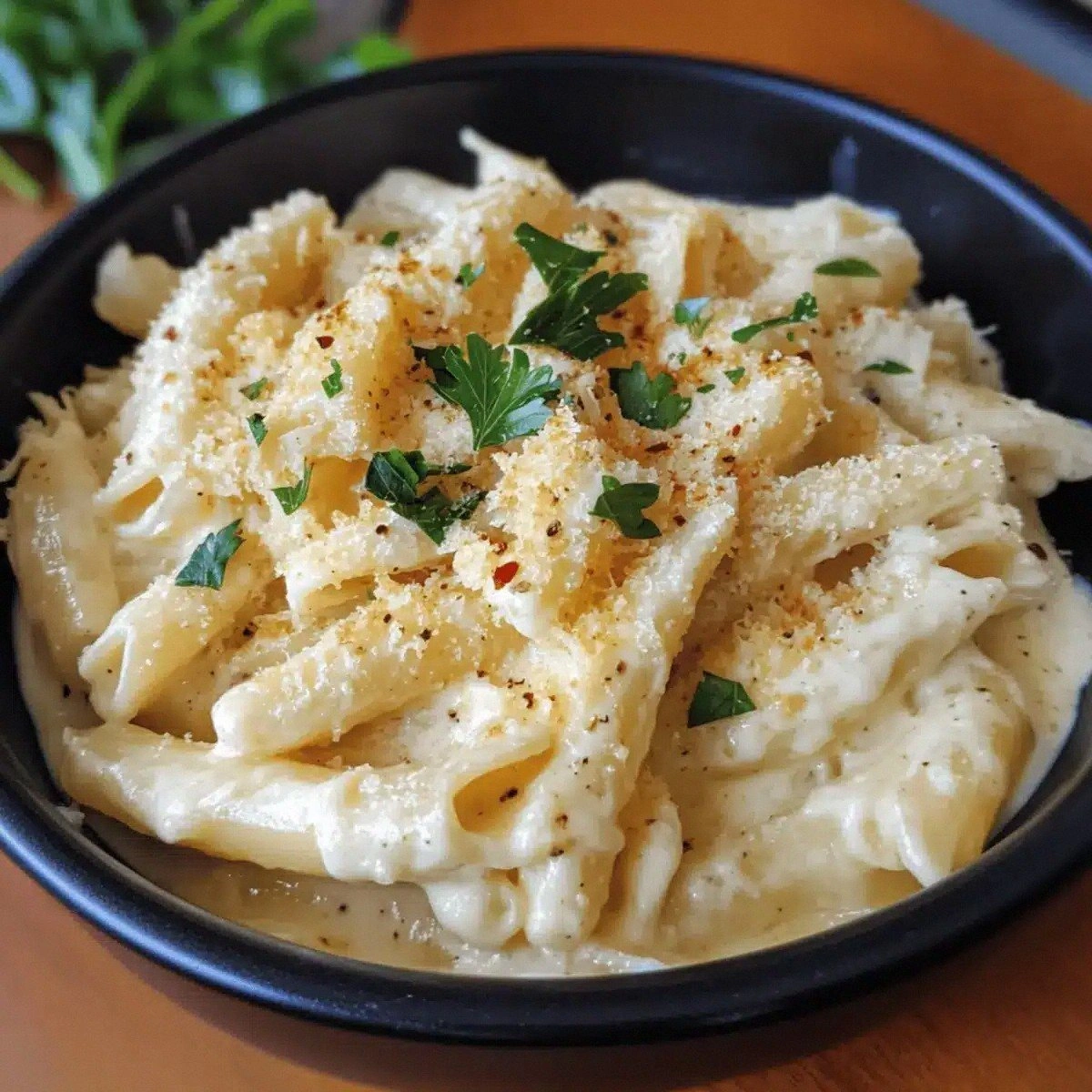
- Taste the sauce and adjust seasoning with salt, pepper, or a squeeze of fresh lemon juice if you need a touch more brightness. The final flavor should be a harmonious blend of creamy, savory, and citrusy. Plate the chicken on a bed of cooked pasta or rice, spooning the sauce over the top. Sprinkle extra parmesan and basil for garnish, and serve immediately. The dish is best enjoyed hot, when the sauce is glossy and the chicken is tender.
That’s it— you did it. But hold on, I've got a few more tricks that'll take this to another level. Let’s dive into some insider wisdom that will make you feel like a kitchen wizard.
Insider Tricks for Flawless Results
The Temperature Rule Nobody Follows
Many people think high heat is always better for searing, but the truth is that a moderate, consistent temperature yields the best crust. Heat the skillet until a drop of water sizzles but does not evaporate instantly. This ensures the chicken’s surface caramelizes without burning, locking in moisture. If you’re using a non‑stick pan, avoid overheating it, as it can degrade the coating and affect flavor.
Why Your Nose Knows Best
During the simmer, trust your nose to tell you when the sauce has thickened enough. A rich, aromatic scent indicates that the broth has reduced to a flavorful base. If the aroma feels flat or watery, give it a few more minutes. Smell is the quickest way to gauge doneness without cutting into the chicken.
The 5‑Minute Rest That Changes Everything
Once the chicken is done, let it rest for five minutes before slicing. This allows the juices to redistribute, keeping each bite moist and tender. Cutting into the chicken immediately will cause the juices to escape, leaving it dry. The rest period also gives the sauce a chance to settle, creating a more cohesive flavor profile.
Using Fresh Herbs Over Dried
Fresh basil and parsley provide a bright, clean flavor that dried herbs cannot match. Dried herbs lose their volatile oils over time, resulting in a muted taste. If you’re using dried, rehydrate them in warm water for 5 minutes before adding to the sauce, but the fresh version is always preferable.
Choosing the Right Cut of Chicken
Boneless, skinless chicken breasts are ideal for this recipe because they cook quickly and evenly. If you prefer a richer flavor, swap the breasts for thighs; they will stay juicier but will take slightly longer to cook. Just adjust the simmer time accordingly to avoid overcooking.
Creative Twists and Variations
This recipe is a playground. Here are some of my favorite ways to switch things up:
Swap to Shrimp for a Seafood Twist
Replace the chicken with large shrimp, cooking them for 2–3 minutes per side until pink. The shrimp’s natural sweetness pairs beautifully with the creamy sauce. Keep the rest of the recipe unchanged for a quick, elegant dinner.
Use Kale Instead of Spinach
For a nutrient boost, substitute kale; it holds its texture better and adds a subtle bitterness that balances the richness. Cook the kale until it’s tender but still bright green. The result is a heartier, more robust dish.
Add a Splash of White Wine
Deglaze the pan with 1/4 cup of dry white wine after sautéing the onions and garlic. The wine adds acidity and depth, enhancing the overall flavor. Let it reduce by half before adding the broth.
Incorporate Coconut Milk for a Tropical Flair
Replace half the heavy cream with coconut milk for a subtle coconut undertone. This variation works well with a pinch of curry powder for a Southeast Asian twist. The creamy texture remains, but the flavor profile shifts to something exotic.
Use Smoked Paprika for a Smoky Note
Add a teaspoon of smoked paprika to the seasoning mix. The smoky flavor complements the sun‑dried tomatoes and adds depth. It’s especially good if you’re craving a barbecue vibe.
Serve Over Polenta for a Rustic Touch
Instead of pasta or rice, spoon the sauce over creamy polenta. The polenta’s smooth texture pairs well with the sauce, creating a comforting, rustic meal. Sprinkle extra parmesan on top for an extra layer of decadence.
Storing and Bringing It Back to Life
Fridge Storage
Store leftovers in an airtight container in the refrigerator for up to 3 days. The sauce may thicken slightly as it cools, so a quick stir will re‑loosen it before serving. Reheat gently on the stove or in the microwave, adding a splash of broth if needed.
Freezer Friendly
The dish freezes well for up to 2 weeks. Portion into freezer‑safe containers, leaving a little headspace. When ready to eat, thaw overnight in the refrigerator and reheat slowly on low heat, stirring frequently.
Best Reheating Method
The best way to reheat is on low heat in a skillet, stirring occasionally until the sauce is heated through. A tiny splash of water or broth helps maintain the sauce’s silky texture. Avoid boiling, as it can separate the cream and parmesan.