Picture this: I was in the middle of a brunch rush, the kitchen a whirl of clattering pans and the smell of butter melting, when the phone rang. “Do you have any fresh bread?” my sister asked, her voice thick with the kind of longing that only a family that lives on the edge of a bakery can understand. I stared at the empty counter, the flour dust like a fine snow, and thought, “I’m about to make a disaster.” But then a memory flickered—my grandma’s kitchen, the way she’d fold fresh cranberries into dough and let the sweet tartness dance across her tongue. That memory became the spark that ignited this recipe, and now it’s time to turn that spark into a roaring, fragrant blaze in your own oven.
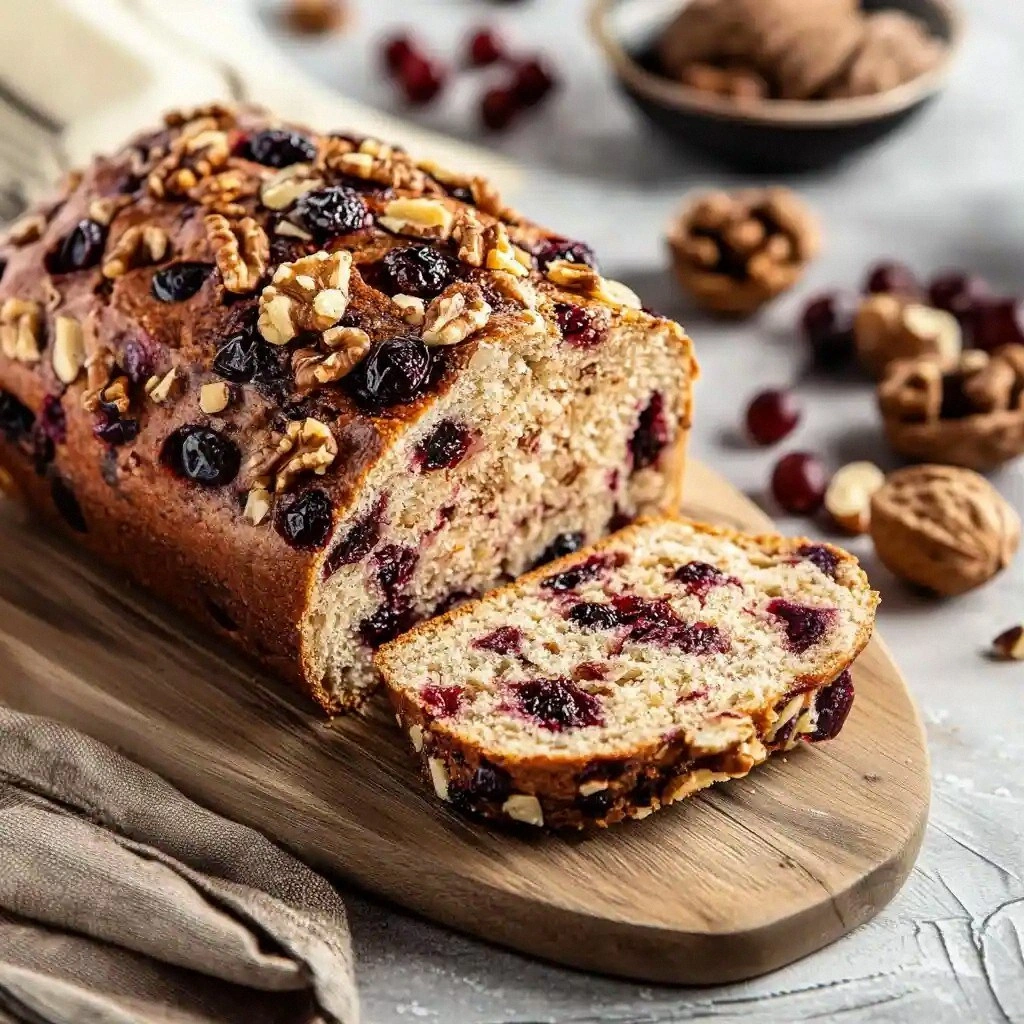
I dare you to taste this and not go back for seconds. It’s the kind of bread that refuses to be just another loaf; it’s a statement. The first bite is a gentle crackle of caramelized sugar, followed by a burst of tart cranberries that sing against the buttery crumb. The walnuts add a satisfying crunch that shatters like thin ice under your fork, and the orange zest gives a citrusy whisper that lingers like a secret. The moment you pull it out of the oven, the kitchen fills with a perfume that feels like a hug, a memory, a promise that the day will be better because you just made something beautiful.
Most recipes for cranberry walnut bread get it wrong by either over-sweetening or under-seasoning. They either forget the citrus element or drown the cranberries in sugar, resulting in a loaf that feels like a fruitcake gone wrong. I’ll be honest—my first attempt ended up looking like a soggy, grayish mess that could have been a dessert but wasn’t. I learned the hard way that the right balance of flour, sugar, and leavening is the foundation, and that the real secret lies in the timing of when you fold the cranberries and walnuts into the batter. This version stands out because it’s a masterclass in how to marry sweet, tart, and nutty flavors while keeping the crumb airy and the crust golden.
If you’ve ever struggled with bread that turns out too dense or too dry, you’re not alone—and I’ve got the fix. Picture yourself pulling this out of the oven, the whole kitchen smelling incredible, the loaf still warm enough to feel like a sunrise in your hand. The crust is a crisp, caramelized shell that crackles when you bite, and the inside is a soft, moist sponge that melts in your mouth. The next step? Let me walk you through every single step—by the end, you’ll wonder how you ever made it any other way.
What Makes This Version Stand Out
- Flavor: The citrus zest lifts the tartness of cranberries and balances the sweetness, creating a layered taste that feels both bright and comforting.
- Texture: The batter is light enough to rise like a cloud yet dense enough to hold the cranberries and walnuts without sinking.
- Ingredient Quality: Fresh cranberries and walnuts add depth; using unsalted butter ensures you can control the salt level precisely.
- Simplicity: No elaborate steps—just mix, fold, bake, and enjoy.
- Make‑Ahead Potential: The batter can be prepared the night before; just refrigerate, let it come to room temperature, and bake.
- Crowd Reaction: Friends who taste it often ask for the recipe the next day, proving it’s a conversation starter.
- Versatility: Works beautifully for breakfast, brunch, or a snack, and can be served warm with butter or cold as a dessert.
- Time Efficiency: Prep in 15 minutes, bake in 30—ready for a quick weekend treat.
Alright, let’s break down exactly what goes into this masterpiece…
Inside the Ingredient List
The Flavor Base
All-purpose flour is the backbone of this loaf, providing structure and a neutral canvas for the other flavors. It’s the kind of flour that rises nicely with baking powder, giving the bread a light, airy crumb. If you’re looking for a gluten-free option, swap it for a 1:1 blend of rice flour and tapioca starch, but keep in mind the texture will be slightly denser.
Sugar is the sweet counterpoint that balances the tartness of the cranberries. Don’t skimp on it; a single cup is essential for that caramelized crust. If you’re watching your sugar intake, you can reduce it to ¾ cup, but the bread will be less glossy and slightly less sweet.
The Texture Crew
Baking powder is the leavening agent that makes the loaf rise like a balloon. One tablespoon is just enough to give the bread a gentle lift without making it too airy. If you’re using a different type of leavening, like baking soda, you’ll need to add an acid (like lemon juice) to activate it.
Salt is the flavor enhancer that brings everything together. A ½ teaspoon is enough to cut through the sweetness and highlight the citrus and nuts. If you’re using salted butter, reduce the salt by a quarter of a teaspoon.
Butter adds richness and moisture. The ¼ cup of unsalted butter is melted and folded in at the end to give the crumb a buttery sheen. For a dairy-free version, substitute with coconut oil or a plant-based butter.
The Unexpected Star
Fresh cranberries are the star of the show. Their bright tartness cuts through the sweetness and provides a pop of color. If fresh cranberries aren’t in season, frozen cranberries work well—just make sure they’re thawed and drained.
Walnuts add crunch and a nutty depth that complements the fruit. One cup of chopped walnuts is enough to give the bread a satisfying bite. If you’re allergic to nuts, you can swap in sunflower seeds or omit them entirely, though the texture will change.
Orange zest is the secret weapon that elevates this loaf. The zest releases oils that give a bright, citrusy aroma that lingers in every slice. Use a microplane for the finest zest and avoid the bitter white pith.
Everything's prepped? Good. Let's get into the real action…
The Method — Step by Step
- Preheat your oven to 350°F (175°C) and line a 9x5-inch loaf pan with parchment paper. Let the pan rest while you whisk the dry ingredients, because a well-preheated oven is the foundation of a perfect rise.
- In a large bowl, combine 3 cups of all-purpose flour, 1 cup of sugar, 1 tablespoon of baking powder, and ½ teaspoon of salt. Whisk them together until the mixture looks like fine sand; this ensures the leavening is evenly distributed.
- Melt ¼ cup of butter in a small saucepan over low heat, then pour it into the dry mixture. Stir until the batter is moist and the flour has absorbed the butter—this is the moment when the dough feels like a sticky, wet sand.
- In a separate bowl, beat 2 large eggs with 1 cup of milk. The eggs act as a binder, while the milk adds moisture and a subtle tang that pairs well with the citrus.
- Pour the wet mixture into the dry batter and fold gently with a spatula until just combined. Overmixing will develop gluten and make the bread tough; undermixing will leave lumps.
- Fold in 1 cup of fresh cranberries, 1 cup of walnuts, and the zest of one orange. The cranberries should be evenly distributed; the walnuts will add crunch in every bite.
- Pour the batter into the prepared loaf pan, smoothing the top with a spatula. The batter should settle into the pan like a gentle wave.
- Bake for 30 minutes, or until the top is golden brown and a toothpick inserted in the center comes out clean. The loaf should smell toasty and slightly sweet, like a citrus orchard in spring.
- Remove from the oven and let the bread cool in the pan for 10 minutes before transferring to a wire rack to cool completely. This resting period allows the crumb to set and prevents it from becoming gummy.
- Slice and serve warm with a pat of butter or a drizzle of honey. The warm butter melts into the crumb, creating a silky, buttery finish that feels like a hug.
That's it— you did it. But hold on, I've got a few more tricks that'll take this to another level. The next section will give you insider knowledge that will make every loaf feel like a masterpiece.
Insider Tricks for Flawless Results
The Temperature Rule Nobody Follows
Many bakers bake at 375°F, thinking higher heat equals a better crust. In reality, 350°F gives the bread time to rise evenly without scorching the exterior. The gentle heat lets the sugars caramelize slowly, creating a deeper flavor profile. If you prefer a darker crust, bake for an extra 5 minutes after the initial 30, but watch the loaf closely.
Why Your Nose Knows Best
Before you pull the loaf out of the oven, trust your nose. A warm, citrusy scent that tingles your palate indicates the bread is ready. If the aroma feels flat, give it a few more minutes. The scent is a reliable indicator of doneness, more so than a toothpick in some cases.
The 5-Minute Rest That Changes Everything
Letting the bread rest in the pan for 10 minutes after baking allows the steam to redistribute, preventing the bottom from becoming soggy. This short rest is a game-changer for the crumb’s structure. I once skipped this step, and the loaf felt heavy and dense—lesson learned.
Add a Splash of Water Before Reheating
Reheating slices in a microwave can dry them out. Instead, spritz a tiny amount of water over the bread before microwaving for 15–20 seconds. The steam will restore moisture, making each slice feel freshly baked.
Use a Loaf Pan with a Lid
A covered loaf pan traps heat, creating a more even baking environment. The lid also prevents the top from drying out, keeping the crust supple. If you don’t have a lid, simply place a piece of parchment paper over the top of the loaf.
The Secret of Even Crumb
To achieve an even crumb, avoid overmixing after adding the cranberries and walnuts. A gentle fold is enough to distribute the fruit and nuts without overworking the batter. Overmixing can cause the gluten to tighten, resulting in a chewy, tough crumb.
Creative Twists and Variations
This recipe is a playground. Here are some of my favorite ways to switch things up:
Maple Cranberry Walnut Bread
Replace the sugar with ¾ cup of pure maple syrup. The maple adds depth and a subtle caramel note that pairs beautifully with the cranberries. Reduce the butter to 3 tablespoons to balance the extra sweetness.
Spiced Orange Walnut Bread
Add 1 teaspoon of ground cinnamon and ¼ teaspoon of ground ginger to the dry mix. The spices bring warmth and a hint of earthiness, turning the loaf into a comforting autumn treat.
Chocolate Chip Cranberry Bread
Fold in ½ cup of dark chocolate chips after the cranberries. The chocolate provides a luxurious counterpoint to the tartness, creating a dessert‑like bread that’s perfect for brunch.
Almond Crumb Topping
Before baking, sprinkle a mixture of ¼ cup ground almonds, 2 tablespoons sugar, and a pinch of salt over the top. The almond crumb adds crunch and a nutty flavor that complements the walnuts.
Gluten-Free Version
Swap the all-purpose flour for a 1:1 blend of rice flour and tapioca starch. Add 1 teaspoon xanthan gum to provide structure. The resulting bread will be slightly denser but still moist and flavorful.
Vegan Adaptation
Replace the butter with melted coconut oil, the eggs with flaxseed meal (1 tablespoon ground flaxseed + 3 tablespoons water), and the milk with oat milk. The loaf remains tender and retains the citrusy brightness.
Storing and Bringing It Back to Life
Fridge Storage
Wrap the cooled loaf in plastic wrap and store in the refrigerator for up to 5 days. The bread stays moist, and the flavors continue to develop. When ready to eat, slice and let the slices sit at room temperature for 10 minutes to soften.
Freezer Friendly
Wrap the loaf tightly in plastic wrap and then in foil before freezing. It can be kept for up to 3 months. When you’re ready to enjoy, thaw overnight in the refrigerator, then warm in the oven at 350°F for 10 minutes to restore crispness.
Best Reheating Method
To reheat a slice, place it on a microwave-safe plate, sprinkle a few drops of water, and microwave on high for 15–20 seconds. The moisture will revive the crumb, making it taste like fresh bread. For a crustier finish, finish the slice under a broiler for 1 minute.