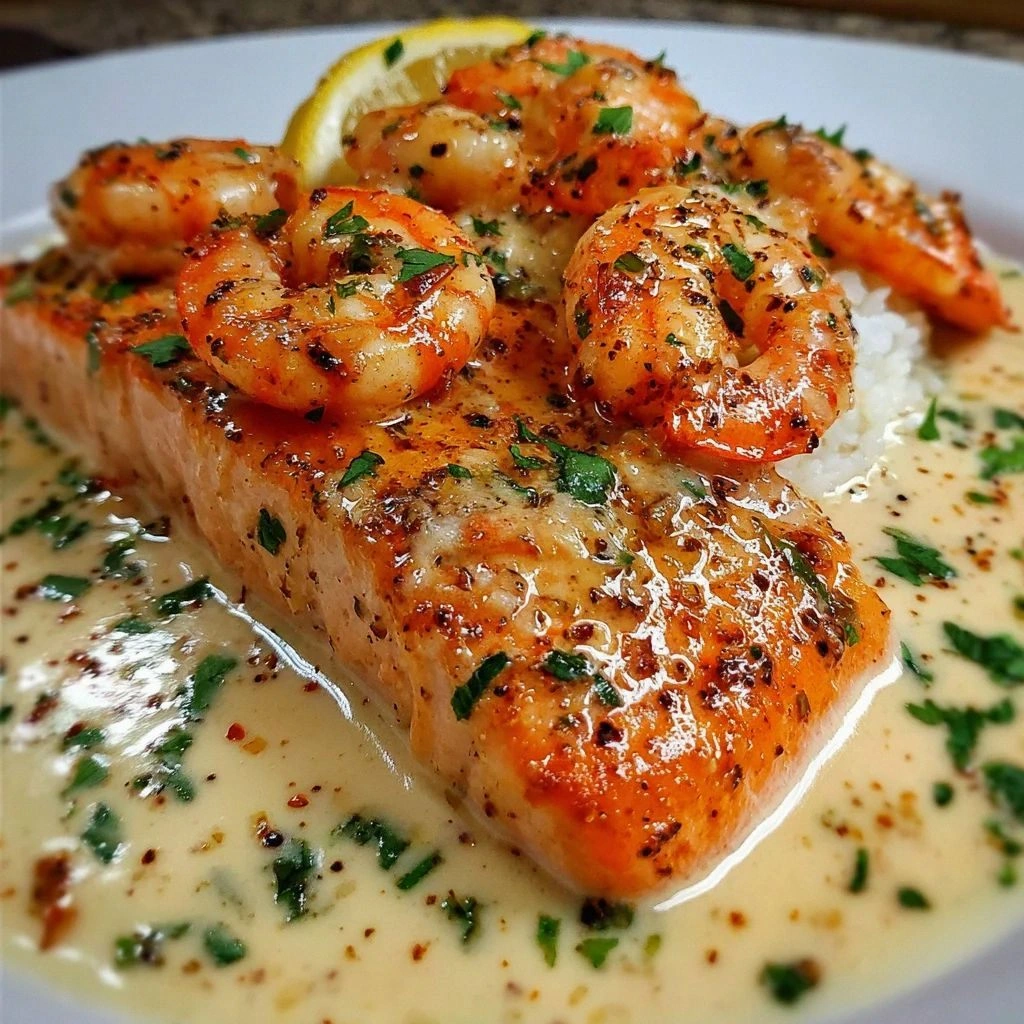
I still remember the day I set my kitchen on fire trying to recreate Olive Garden's famous chicken dish. Not literally on fire—more like the kind of culinary disaster that leaves your smoke detector screaming and your ego bruised. There I was, standing over a mountain of pots and pans, chicken dried out like the Sahara, sauce separated into an unappetizing mess, and the smell of burnt garlic permeating every corner of my apartment. My roommate walked in, took one whiff, and asked if I was trying to summon demons through the power of overcooked poultry. That humiliating moment sent me on a six-month quest to crack the code of the perfect Olive Garden-style chicken, and honey, I'm about to spill every secret I discovered along the way.
What started as a personal vendetta against a failed recipe turned into an obsession that had me visiting Olive Garden so often that the servers knew my order by heart. I'd sit there with a notepad, dissecting each bite like some kind of delicious detective work. The breakthrough came when I realized everyone was making this way too complicated—all those fancy techniques and expensive ingredients were just muddying the waters. The real magic happens when you let simplicity shine, when you trust that a handful of quality ingredients can transform into something extraordinary with just a little patience and the right method.
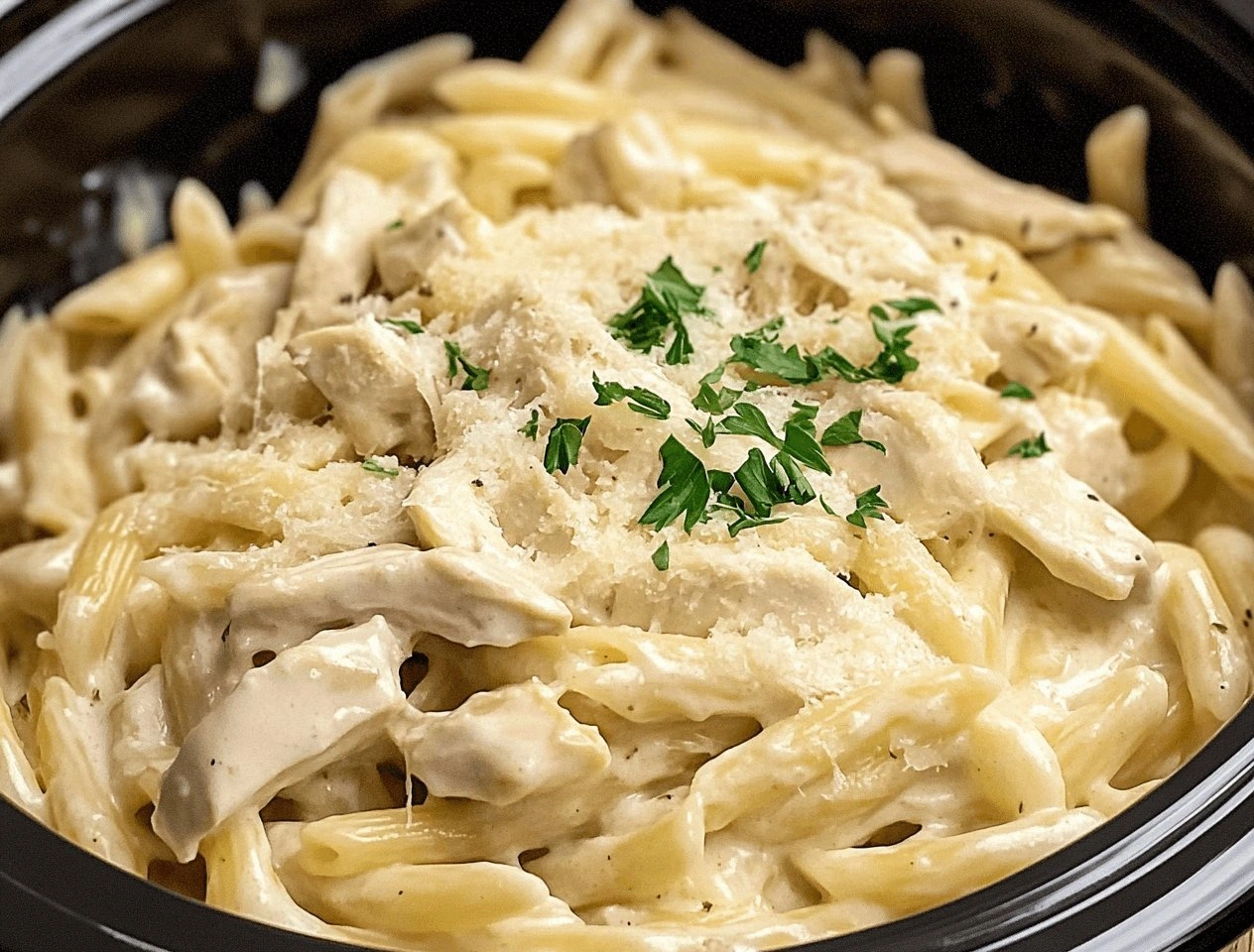
Picture this: you walk through your front door after a brutal day at work, and instead of facing the usual "what's for dinner" panic, you're greeted by the intoxicating aroma of herbs and tender chicken that's been slowly melding together all day. Your crockpot has been doing the heavy lifting while you conquered your day, and now you're mere minutes away from ladling spoonfuls of creamy, dreamy chicken over a bed of perfectly cooked pasta. The sauce coats everything like liquid velvet, each bite delivering that familiar comfort that makes you close your eyes and sigh with contentment. This isn't just dinner—this is a hug in food form.
Here's the kicker: this version is actually better than the restaurant original. I know, I know—bold claim. But once you taste how the slow cooking process infuses every fiber of chicken with flavor, how the sauce develops this complex depth that you just can't achieve with quick cooking methods, you'll understand why I'm practically evangelizing about poultry. The secret isn't some expensive ingredient or complicated technique—it's about understanding how time and temperature work together to create magic. Let me walk you through every single step — by the end, you'll wonder how you ever made it any other way.
What Makes This Version Stand Out
Flavor Bomb: The slow cooking method doesn't just cook the chicken—it transforms it into something that tastes like it's been marinating for days. Every bite packs this incredible punch of herbs, garlic, and that signature Olive Garden seasoning blend that makes your taste buds do a happy dance.
Hands-Off Magic: While other recipes demand your constant attention, this one practically cooks itself. You dump everything in the crockpot, press a button, and suddenly you're free to binge-watch your favorite show, tackle that laundry mountain, or finally organize your spice drawer that's been chaos since 2019.
Texture Perfection: The chicken emerges so tender that it practically shreds itself with a gentle nudge of your fork. No dry, stringy meat here—just juicy, succulent pieces that melt in your mouth like butter, all while maintaining their shape instead of dissolving into an unidentifiable mush.
Budget-Friendly Luxury: Restaurant-quality results using ingredients you probably already have lurking in your pantry. No need for expensive wine reductions or hard-to-find spices—just good old fashioned grocery store staples that won't have your wallet weeping.
Crowd-Pleasing Power: I've served this to picky toddlers, skeptical teenagers, and that one uncle who claims nothing homemade can beat restaurant food. They've all gone back for seconds, thirds, and asked for the recipe in that slightly desperate tone that means you've really nailed it.
Meal Prep Champion: This beauty actually tastes better the next day, making it perfect for Sunday prep sessions that set you up for a week of amazing lunches. Plus, it freezes like a dream, so you can stock your freezer with future meals that taste like you spent hours slaving over them.
Alright, let's break down exactly what goes into this masterpiece...
Inside the Ingredient List
The Flavor Base
Chicken breast takes center stage here, but not just any chicken breast—the plump, juicy ones that still have some personality. Skip those sad, pre-trimmed filets that look like they've been sitting under fluorescent lights since the Clinton administration. You want pieces that still look like they came from an actual chicken, not some mystery meat experiment. Cut them into generous chunks, about 1.5 inches each, because here's the thing: smaller pieces overcook and dry out, while larger ones stay succulent and tender throughout the long cooking process.
Olive Garden's signature Italian dressing isn't just for salads—it's the liquid gold that carries all the other flavors and makes this dish taste authentically restaurant-worthy. Don't even think about substituting with some generic brand you found on the clearance rack. The real deal has this perfect balance of herbs, garlic, and tang that creates the foundation for everything else. If you absolutely must substitute, combine good olive oil with Italian herbs, but know that you're missing out on that authentic flavor profile that makes people close their eyes and say "oh my god, this tastes exactly like Olive Garden."
Cream cheese might seem like an odd addition to a savory chicken dish, but trust me on this one—it's the secret weapon that creates that luxurious, velvety sauce that coats every bite. Use the full-fat version because this is comfort food, not diet food, and the reduced-fat stuff breaks down into a grainy mess that'll have you questioning your life choices. Let it soften on the counter for about 30 minutes before cooking, because cold cream cheese clumps together like awkward teenagers at a school dance.
The Texture Crew
Parmesan cheese brings that nutty, salty depth that transforms ordinary cream sauce into something that makes grown adults lick their plates. Fresh grated is non-negotiable here—those green can imposters taste like sawdust mixed with disappointment. Buy a wedge and grate it yourself; your taste buds will thank you, and you'll finally understand why people get so weirdly passionate about cheese. The pre-grated stuff is coated with cellulose to prevent clumping, which also prevents it from melting smoothly into your sauce.
Heavy cream isn't just being indulgent—it's necessary for creating a sauce that won't break or separate during the long cooking process. The fat content keeps everything emulsified and silky, even after hours of simmering. Don't try to substitute with half-and-half or milk unless you enjoy the texture of curdled disappointment. This is the time to embrace decadence and remember that you're making restaurant-quality food at home for a fraction of the price.
Chicken broth adds depth and prevents the sauce from becoming too thick and gloppy. Use low-sodium so you can control the salt level—there's nothing worse than an over-salted dish that makes you chug water all night. Homemade broth is fantastic if you have it, but a good quality store-bought version works perfectly fine. Just please, for the love of all that is delicious, avoid the cubes that taste like liquified salt licks.
The Unexpected Star
Sun-dried tomatoes might seem like an odd addition, but they provide these little bursts of intense tomato flavor that brighten up the whole dish. Don't use the ones packed in oil—they'll make your sauce greasy and heavy. The dry-packed variety rehydrates beautifully in the cooking liquid, plumping up into tender jewels that add both flavor and visual appeal. Chop them roughly so you get nice chunks rather than tiny flecks that disappear into the sauce.
Fresh spinach wilts down to nothing but adds color, nutrition, and that "I made something healthy" feeling even when you're essentially eating cream sauce. Add it at the very end so it stays vibrant green rather than turning into that sad, army-green color that makes everything look like hospital food. If you're feeding picky eaters, you can skip it, but honestly, it melts into the sauce so well that most people won't even notice they're eating vegetables.
The Final Flourish
Italian seasoning brings all the herbs together in one convenient blend, but here's the thing—toast it briefly in a dry pan before adding it to the crockpot. This simple step releases the essential oils and intensifies the flavor, making the difference between "pretty good" and "holy cow, what did you put in this?" Just 30 seconds until it smells fragrant, then you're golden. Your kitchen will smell like an Italian grandmother's house, and your neighbors will probably start dropping by with suspicious timing.
Garlic powder rather than fresh garlic prevents that harsh, bitter taste that develops when fresh garlic cooks for hours. The powder distributes evenly and provides that mellow garlic flavor that permeates every bite without overwhelming the other ingredients. If you absolutely must use fresh garlic, add it in the last hour of cooking, but honestly, the powder works better here. Sometimes the processed version actually performs better than the fresh—a fact that makes food snobs clutch their pearls.
Everything's prepped? Good. Let's get into the real action...
The Method — Step by Step
- Start by patting your chicken breasts dry with paper towels—this isn't just busy work, it's crucial for getting that beautiful sear that locks in juices. Season them generously with salt and pepper on both sides, really working the seasoning into the meat. Heat a large skillet over medium-high heat until it's screaming hot, then add just enough oil to coat the bottom. Sear the chicken for 2-3 minutes per side until it develops this gorgeous golden-brown crust that makes that satisfying sizzling sound. Don't crowd the pan or you'll steam instead of sear, and nobody wants sad, gray chicken.
- While your chicken is getting its tan, whisk together the Italian dressing, cream cheese, and chicken broth in your crockpot until smooth. This might take a minute of whisking to break down the cream cheese, but keep going—it'll come together into this luscious base that looks like liquid velvet. The key is using softened cream cheese, because cold cream cheese will fight you like a toddler refusing bedtime. If you end up with small lumps, don't panic—they'll melt during cooking and no one will be the wiser.
- Nestle those beautifully seared chicken pieces into the crockpot, making sure they're mostly submerged in the sauce but not drowning. The searing creates this incredible fond on the bottom of your pan—don't you dare wash that away! Deglaze with a splash of chicken broth, scraping up all those caramelized bits, and pour this liquid gold into your crockpot. This step adds layers of flavor that separate good cooks from great ones, and your taste buds will definitely notice the difference.
- Sprinkle in your Italian seasoning and garlic powder, but don't just dump it in one spot—distribute it evenly across the surface. Give everything a gentle stir, but don't go crazy—you want those chicken pieces to stay intact and not shred apart before their time. Set your crockpot to low for 6-7 hours or high for 3-4 hours, depending on your schedule. Walk away and let the magic happen, but resist the urge to peek every hour because you'll let out all that precious heat and steam.
- About 30 minutes before serving, check the chicken—it should be fork-tender but not falling apart. This is when you add the Parmesan cheese and heavy cream, stirring gently to incorporate without breaking up the chicken. The sauce will thicken beautifully, turning into this glossy coating that clings to everything it touches. If it seems too thick, add a splash of chicken broth; too thin, let it cook uncovered for the last 15 minutes.
- Now for the final additions: toss in those sun-dried tomatoes and let them warm through for about 5 minutes. They'll plump up and release their concentrated tomato flavor throughout the sauce. Add the fresh spinach last, stirring just until it wilts down and turns vibrant green. The contrast between the dark green spinach and the creamy sauce is absolutely gorgeous, and you'll feel virtuous about sneaking in vegetables even though you're essentially eating cream sauce for dinner.
- Taste and adjust seasoning with salt and pepper—be generous here because potatoes and pasta will dilute the flavor. If you want that authentic Olive Garden experience, add a pat of butter right at the end for extra richness. Serve over fettuccine, mashed potatoes, or rice, making sure to ladle plenty of that incredible sauce over everything. Garnish with extra Parmesan and some fresh parsley if you're feeling fancy, but honestly, it's so good you could serve it straight from the crockpot and people would still rave.
- The final step is crucial—let the dish rest for 5 minutes before serving. This allows the sauce to thicken slightly and the flavors to settle into perfect harmony. I know you're tempted to dig in immediately (and honestly, I won't judge if you do), but those few minutes of patience make the difference between good and unforgettable. During this time, cook your pasta or prep your sides, and get ready for the compliments that are about to rain down on you like confetti.
That's it—you did it. But hold on, I've got a few more tricks that'll take this to another level...
Insider Tricks for Flawless Results
The Temperature Rule Nobody Follows
Here's the thing about crockpot cooking that nobody tells you: not all crockpots are created equal, and yours might be running hotter or cooler than you think. That "low" setting could be cooking faster than the recipe suggests, leading to dry, stringy chicken that makes you wonder where you went wrong. After burning through three crockpots in my testing phase, I discovered that the only reliable way to know is to test yours with a simple water temperature check. Fill it halfway with water, set it to low for two hours, then measure the temperature—it should hover around 185-200°F. If it's running hot, reduce cooking time by 30-60 minutes. If it's running cool, you'll need to add time. This single adjustment will save you from more cooking disasters than I care to count.
Why Your Nose Knows Best
Your sense of smell is your most reliable tool when making this dish, and I'm not just being poetic here. About two hours into cooking, your kitchen should start smelling like an Italian restaurant had a baby with a country kitchen—herbs, cream, and something deeply savory that makes neighbors knock on your door with excuses like "I was just checking if you're alive." If instead you're getting sharp, acrid smells, your heat is too high or something's burning. If you smell nothing at all after three hours, your crockpot isn't working properly. Trust your nose over the timer every single time, because it's more reliable than any recipe instruction written by someone who doesn't know your kitchen.
The 5-Minute Rest That Changes Everything
I know you're hungry and that chicken looks ready and the smell is driving you crazy, but hear me out: those five minutes of rest time aren't just for show. When chicken cooks low and slow, the proteins tighten up and squeeze out moisture. If you cut into it immediately, all those juices run out onto the plate, leaving you with dry meat sitting in a puddle. During the rest, the proteins relax and reabsorb some of that moisture, giving you incredibly juicy chicken that stays tender even after you slice it. Plus, the sauce thickens slightly as it cools, transforming from soupy to that perfect coating consistency that clings to every bite. A friend tried skipping this step once—let's just say it didn't end well, and she still blames me for not emphasizing it enough.
The Cheese Grating Revelation
Freshly grated cheese versus pre-grated isn't just food snobbery—it's science. Those pre-grated containers contain cellulose (basically wood pulp) to prevent clumping, which also prevents smooth melting. When you grate it fresh, the cheese melts into silky perfection, creating that restaurant-quality texture that makes people ask "what did you put in this?" Plus, fresh Parmesan has this incredible nutty aroma that's completely lost in the pre-grated stuff. I keep a wedge in my fridge wrapped in wax paper, and grating takes literally 30 seconds with a microplane. Those 30 seconds are the difference between good and restaurant-quality, and trust me, your taste buds can absolutely tell the difference.
The Pasta Water Secret
If you're serving this over pasta—and honestly, why wouldn't you—save that starchy pasta water like liquid gold. A splash of it can transform your sauce from perfect to absolutely transcendent. The starch helps bind everything together, creating this glossy coating that makes restaurant sauces look so luxurious. Just before serving, if your sauce seems a bit thick, add pasta water a tablespoon at a time until you hit that perfect consistency that coats the pasta without being gloppy. This is the trick that separates home cooks from restaurant chefs, and once you start doing it, you'll wonder how you ever lived without it.
Creative Twists and Variations
This recipe is a playground. Here are some of my favorite ways to switch things up:
Mediterranean Sunset Version
Swap the Italian seasoning for a blend of oregano, basil, and lemon zest, then add artichoke hearts and Kalamata olives during the last hour of cooking. The briny olives and tender artichokes create this incredible Mediterranean vibe that transports you straight to a coastal village where time moves slower and meals last for hours. Finish with a squeeze of fresh lemon juice and some crumbled feta on top. This version pairs beautifully with orzo instead of fettuccine, and it's become my go-to for summer dinner parties when I want something that feels special but doesn't require me to slave over a hot stove.
Spicy Tuscan Fire
Add a teaspoon of red pepper flakes and swap half the cream cheese for Boursin garlic and herb cheese. Throw in some roasted red peppers and swap the spinach for baby kale, which holds up better to the heat without getting that sad, wilted appearance. This version has just enough kick to make things interesting without sending anyone running for the milk. My spice-loving friends go crazy for this variation, and it's become my secret weapon for converting people who claim they don't like "bland chicken dishes."
Mushroom Lover's Dream
Sauté a pound of mixed mushrooms—cremini, shiitake, and oyster—in butter until they're golden and caramelized, then add them during the last hour of cooking. The mushrooms absorb all that incredible sauce and add this amazing meaty texture that makes the dish feel even more substantial. Use porcini mushroom broth instead of chicken broth for an extra umami punch that'll have mushroom enthusiasts singing your praises. This version is so rich and satisfying that even dedicated carnivores don't miss the extra meat.
Light and Bright Spring Edition
Replace the heavy cream with half-and-half and swap the cream cheese for Neufchâtel cheese to lighten things up without sacrificing richness. Add asparagus tips and fresh peas during the last 30 minutes, and finish with fresh mint and parsley. The result tastes like spring in a bowl—fresh, vibrant, and somehow both indulgent and refreshing. Perfect for those transitional weather days when you want comfort food but don't want to feel like you need a nap after eating.
Seafood Celebration
This might sound wild, but hear me out: cook the chicken as directed, then during the last 20 minutes, add large shrimp and scallops. The seafood cooks in that incredible sauce and picks up all the flavors while adding its own sweetness. It's like two restaurant favorites had a beautiful baby. Just be careful not to overcook the seafood—shrimp should be pink and curled, scallops should be opaque and firm. This variation turns an everyday meal into something worthy of a special occasion without any extra fuss.
Smoky Bacon Paradise
Cook six slices of bacon until crispy, crumble them, and add half to the crockpot at the beginning and save the rest for garnish. Use bacon fat instead of oil to sear the chicken, and add a teaspoon of smoked paprika to the seasoning blend. The bacon infuses everything with this incredible smoky depth that takes the dish from delicious to absolutely unforgettable. Reserve some of the bacon fat and drizzle it over the finished dish for extra indulgence. This version is not for the faint of heart, but bacon lovers will propose marriage after one bite.
Storing and Bringing It Back to Life
Fridge Storage
Let the chicken cool completely before transferring to airtight containers—this prevents condensation that can water down your sauce and create weird bacterial situations. Store the chicken and sauce together rather than separating them; the sauce actually helps keep the chicken moist and flavorful. Properly stored, this keeps for up to 4 days in the refrigerator, though honestly, it's never lasted more than 2 days in my house because people keep sneaking spoonfuls straight from the container. If you notice any off smells, discoloration, or that tell-tale slimy texture, it's time to say goodbye—even the most delicious recipe isn't worth food poisoning.
Freezer Friendly
This dish freezes beautifully for up to 3 months, making it perfect for meal prep or those inevitable weeks when cooking feels impossible. Portion it into freezer-safe containers, leaving about an inch of space for expansion. Pro tip: freeze individual portions so you can defrost exactly what you need instead of the entire batch. Thaw overnight in the refrigerator rather than on the counter—this prevents that weird texture change that happens when dairy products defrost too quickly. The sauce might look separated after freezing, but a gentle reheating brings it back together like nothing ever happened.
Best Reheating Method
The microwave works in a pinch, but for best results, reheat gently on the stovetop over medium-low heat. Add a splash of chicken broth or cream to loosen the sauce, stirring frequently to prevent scorching. If you're reheating from frozen, defrost first then warm slowly—patience prevents the sauce from breaking and the chicken from turning rubbery. For an extra touch of luxury, stir in a small pat of butter right before serving to bring back that fresh-made richness. The chicken actually tastes better the second day after all the flavors have had time to meld together into something even more incredible than the original.