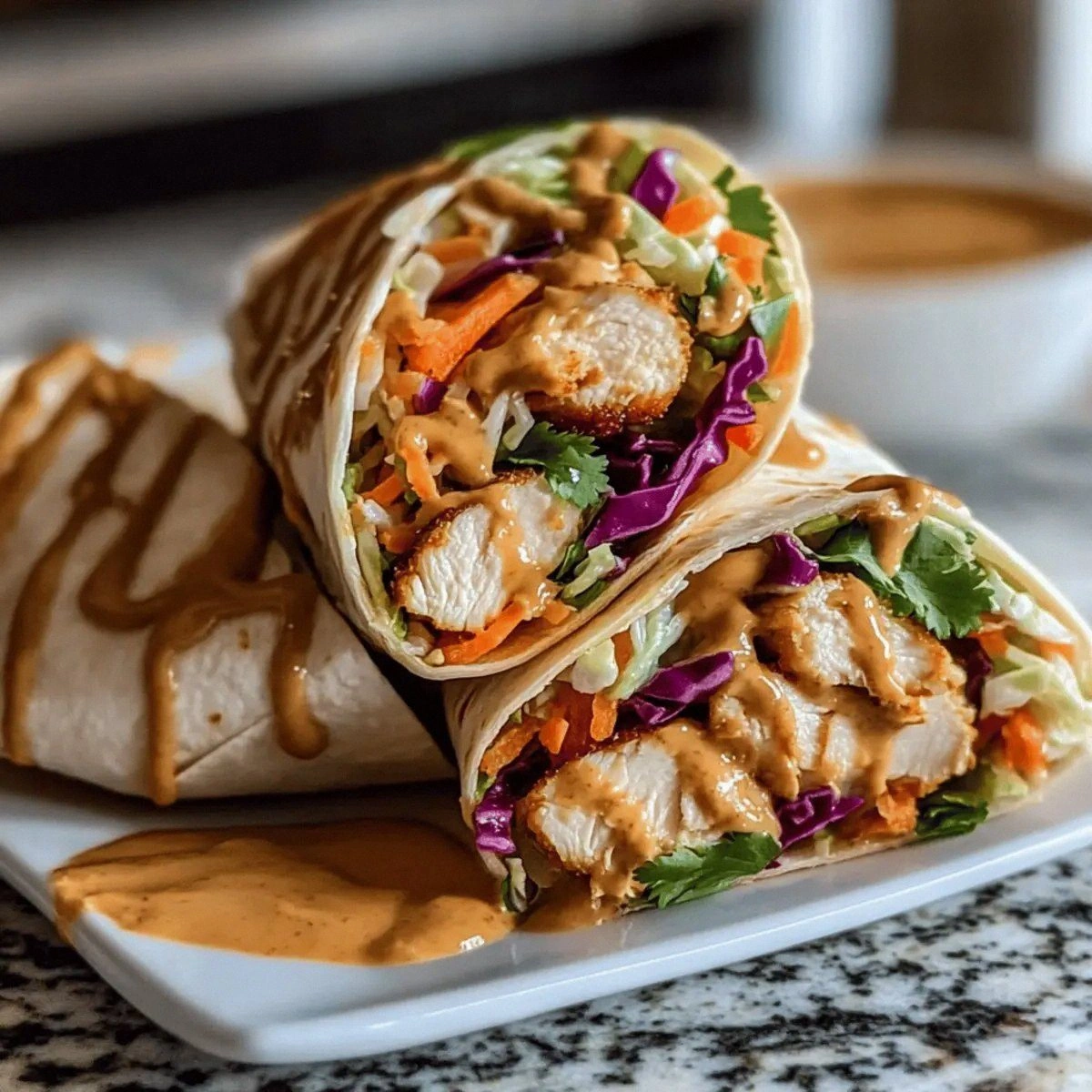
Picture this: it’s a rainy Tuesday, the kind that makes you stare at the clock and wonder if you’ll ever escape the monotony of microwave meals. I was halfway through a bland bowl of instant noodles when my roommate burst in, waving a half‑eaten bag of frozen chicken nuggets and shouting, “I dare you to taste this and not go back for seconds!” The challenge was set, the stakes were high, and I was determined to turn that sad snack into something unforgettable. That night, after a few frantic Googles and a lot of kitchen improvisation, I stumbled upon the secret to a Thai‑inspired wrap that could be whipped up in the time it takes to binge a single episode of a sitcom.
The moment the peanut butter hit the skillet, it released a buttery aroma that reminded me of a Thai street market stall at dusk, where the air is thick with the scent of sizzling wok and sweet, tangy sauces. I could hear the faint sizzle of garlic meeting hot oil, the clatter of a wooden spoon, and the soft rustle of fresh cilantro being torn. My senses were on overdrive: the glossy sheen of the sauce, the bright crunch of coleslaw, the warm, pliable tortilla hugging everything like a comforting hug. When I finally took my first bite, the flavors exploded like fireworks—sweet, salty, nutty, and just a whisper of heat that made my tongue tingle with delight.
What makes this version stand out is that it doesn’t rely on a pre‑made sauce that tastes like a cardboard copy of something you’d find in a grocery aisle. No, this is the real deal: a homemade Thai peanut sauce that coats the chicken and veggies like velvet, a coleslaw that stays crisp for hours, and a tortilla that stays soft without turning soggy. I’ll be honest — I ate half the batch before anyone else got a chance to try it, and that’s because the sauce is so addictive it practically whispers, “Come back for more.” Most recipes get this completely wrong by over‑cooking the chicken or drowning the wrap in soggy sauce; here, every component shines and plays together like a well‑rehearsed band.
And now the fun part: I’m about to reveal a tiny trick involving a splash of rice wine vinegar that brightens the entire dish, making the flavors pop like fireworks on the Fourth of July. This isn’t just a recipe; it’s a game‑changer that will have you bragging to friends and demanding encores at every dinner party. Let me walk you through every single step — by the end, you’ll wonder how you ever made it any other way.
What Makes This Version Stand Out
- Flavor Explosion: The homemade peanut sauce blends sweet, salty, tangy, and spicy notes in perfect harmony, delivering a taste that commercial sauces can’t match.
- Texture Symphony: Crunchy coleslaw, tender chicken, and a buttery tortilla create layers of contrast that keep each bite interesting.
- Speedy Simplicity: From prep to plate in under 15 minutes, this recipe proves you don’t need hours to craft a gourmet‑level wrap.
- Ingredient Integrity: Using real peanut butter and fresh aromatics ensures a depth of flavor that jarred mixes simply lack.
- Crowd‑Pleaser Factor: Even the pickiest eaters love the sweet‑spicy balance, making it perfect for family meals or casual get‑togethers.
- Make‑Ahead Magic: The sauce can be pre‑made and stored, so you can assemble wraps in a flash whenever hunger strikes.
- Versatile Base: This wrap works as a lunch, a light dinner, or a party appetizer—flexibility that few dishes can claim.
- Budget‑Friendly: All ingredients are pantry staples or inexpensive produce, keeping the cost low without sacrificing flavor.
Inside the Ingredient List
The Flavor Base
The star of the show is the peanut butter—choose a natural, unsweetened variety for a pure, nutty backbone. It adds richness that coats the chicken like a silk scarf, and if you opt for a crunchy style, you’ll get an extra textural surprise in every bite. A splash of soy sauce brings umami depth; without it, the sauce would feel flat and one‑dimensional. If you ever skip the soy, expect a bland experience that feels like a watered‑down version of the original.
The Texture Crew
Shredded cooked chicken is the protein anchor. I always use rotisserie chicken because it’s already seasoned and falls apart with minimal effort. If you prefer a leaner option, poached chicken works, but you’ll lose the subtle caramelized notes that a quick sear provides. The coleslaw mix (usually a blend of cabbage, carrots, and sometimes red onion) offers crunch and a refreshing bite that balances the richness of the sauce. Grated carrot adds a sweet undertone and a pop of orange color that makes the wrap visually appealing.
The Unexpected Star
Cilantro and roasted salted peanuts are the surprise guests that turn this dish from good to legendary. Cilantro’s citrusy brightness cuts through the richness, while the peanuts add a toasty crunch that shatters like thin ice when you bite. If you’re not a cilantro fan, substitute fresh basil or mint for a similar fresh lift. For nut allergies, toasted pumpkin seeds make a decent stand‑in, though the flavor profile shifts slightly.
The Final Flourish
The tortillas act as the edible vessel that brings everything together. I recommend soft, flour tortillas because they stay pliable and don’t crack when you roll them. Warm them briefly on a dry skillet—this prevents tearing and gives the edges a faint toasted aroma. If you’re gluten‑free, opt for corn tortillas, but be aware they’ll add a firmer bite and a subtle corn flavor.
Everything's prepped? Good. Let's get into the real action...
The Method — Step by Step
-
First, gather all your ingredients and set up a mise en place station. This might sound like a fancy chef’s trick, but trust me, it saves you from frantic rummaging halfway through. Slice the garlic thinly, grate the ginger, and pull the cilantro leaves off the stems. While you do that, warm a large skillet over medium heat; you’ll hear a faint hum as the metal heats, a sound that tells you it’s ready for the next move.
Kitchen Hack: Keep a small bowl of water nearby; if the sauce starts to thicken too quickly, a splash of water will bring it back to a silky consistency. -
Drop the minced garlic and grated ginger into the skillet, stirring constantly. Within 30 seconds, you’ll notice a fragrant perfume rising—this is the “nose knows” moment where you can tell the aromatics are awake and ready. Let them sizzle just until they turn golden, but not brown; overcooked garlic becomes bitter, which would ruin the sauce’s delicate balance.
-
Now, lower the heat to medium‑low and whisk in the 1/2 cup of peanut butter, 2 tablespoons of soy sauce, 1 tablespoon of brown sugar (or honey if you prefer a floral note), and 1 tablespoon of rice wine vinegar. The mixture will initially look thick and clumpy, but keep whisking and it will melt into a glossy, velvety sauce. This step is the heart of the dish—if you hear a faint “whoosh” as the sauce smooths out, you’ve nailed it.
Watch Out: Adding the splash of sriracha too early can cause the sauce to separate; add it at the very end for an even heat distribution. -
Stir in the splash of sriracha sauce—just enough to give a gentle heat that tingles the palate without overwhelming the peanut’s natural sweetness. Taste the sauce; it should hit your tongue with a sweet‑salty‑tangy trio and a whisper of heat that makes you want to take another bite. If it feels too thick, drizzle in a teaspoon of water; if it’s too thin, add a pinch more peanut butter.
-
While the sauce is simmering, toss the shredded chicken into a separate bowl and drizzle half of the sauce over it, coating each strand evenly. The chicken should glisten like it’s been brushed with amber, and the aroma will become intoxicatingly nutty. Let the chicken sit for a minute so it absorbs the flavors—this is the “marination on the fly” trick that makes the protein sing.
-
In a large mixing bowl, combine the coleslaw mix, grated carrot, chopped cilantro, and roasted peanuts. Pour the remaining sauce over the vegetables and give everything a gentle toss. The coleslaw should stay crisp; if you notice it wilting, you’ve over‑dressed it—add a splash of lime juice to revive the crunch.
-
Warm each tortilla on a dry skillet for about 15 seconds per side. You’ll see tiny bubbles form, and the surface will turn a light golden hue. This quick flash‑heat prevents tearing when you roll the wrap and adds a subtle toasted flavor that elevates the whole dish.
Kitchen Hack: Stack the warmed tortillas on a plate and cover with a damp kitchen towel; they’ll stay pliable and warm for up to 10 minutes. -
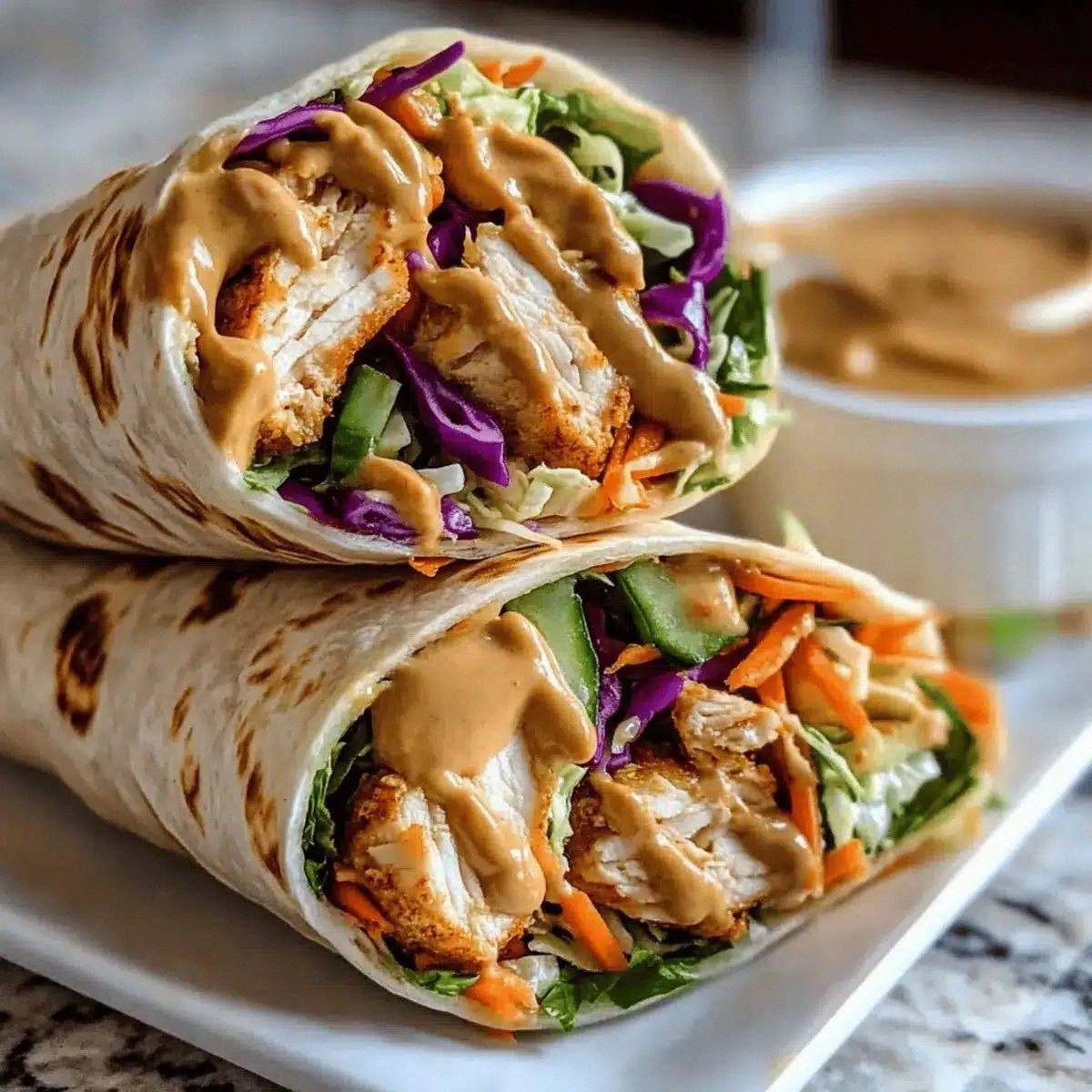
Now comes the assembly—place a generous mound of the sauced chicken down the center of each tortilla, top with the crunchy veggie mixture, and sprinkle a few extra peanuts for garnish. Fold the sides in and roll tightly, tucking the filling as you go. The wrap should feel snug but not overly tight; if it resists, give it a gentle roll with the palm of your hand to loosen.
-
Slice each wrap diagonally for a beautiful presentation, and serve immediately while the tortilla is still warm and the sauce glistens. That first bite? Expect a burst of creamy peanut, a flash of heat, crisp veggies, and a tender chicken that feels like it was made just for you. This is the moment of truth—if you’ve followed the steps, you’ll have a wrap that’s undeniably addictive.
That's it — you did it. But hold on, I've got a few more tricks that'll take this to another level...
Insider Tricks for Flawless Results
The Temperature Rule Nobody Follows
Most home cooks crank the heat to “high” to speed things up, but that’s a recipe‑killing move. Keep the skillet on medium‑low when melting the peanut butter; this gentle heat ensures the sauce stays smooth and prevents scorching. I once tried blasting it on high, and the sauce turned grainy—like trying to eat sand. The lesson? Patience is the secret sauce.
Why Your Nose Knows Best
The aroma of garlic and ginger turning golden is your cue to move on. If you rely solely on a timer, you might miss the subtle shift from “sizzling” to “fragrant.” Trust your nose: when the kitchen smells like a Thai street stall, you’re ready to add the liquid ingredients. This sensory checkpoint saves you from under‑ or over‑cooking the aromatics.
The 5‑Minute Rest That Changes Everything
After coating the chicken with sauce, let it sit for five minutes. This brief rest lets the flavors penetrate the meat, turning each bite into a juicy, flavor‑packed experience. Skipping this step is a common mistake—people end up with a bland protein that feels like a filler. A short pause makes the difference between good and unforgettable.
Peanut Butter Consistency Matters
Natural, unsweetened peanut butter often separates; give it a quick stir before measuring. If you use a creamy, sweetened version, the sauce will be overly sweet and the balance will tip. I tried both once; the creamy version made the wrap taste like dessert, which was fun but not what I was aiming for.
Crunch Preservation Technique
To keep the peanuts and coleslaw crisp, add them just before you assemble the wraps. If they sit in the sauce too long, they’ll soften and lose that satisfying snap. A quick toss right before rolling ensures each bite has that perfect crunch that makes the mouth water.
Creative Twists and Variations
This recipe is a playground. Here are some of my favorite ways to switch things up:
Spicy Mango Madness
Swap the grated carrot for a thin slice of ripe mango and add a dash more sriracha. The mango’s sweet juiciness balances the heat, creating a tropical heatwave that’s perfect for summer picnics.
Veggie‑Only Version
Replace the chicken with firm tofu cubes, pan‑fry them until golden, and toss them in the sauce. The tofu absorbs the peanut flavor beautifully, making this a satisfying vegetarian option.
Crunchy Noodle Wrap
Mix a handful of cooked rice noodles into the coleslaw mixture for an extra chewy texture. The noodles act like a filler, turning the wrap into a more substantial meal without adding extra carbs.
Herb‑Infused Delight
Swap cilantro for fresh Thai basil and add a few torn mint leaves. The herb combo adds a fragrant lift that makes the wrap taste like it came straight from a Bangkok night market.
Gluten‑Free Glory
Use corn tortillas and a gluten‑free soy sauce (tamari) to keep the dish safe for gluten sensitivities. The corn tortilla adds a slightly nuttier flavor that pairs nicely with the peanut sauce.
Storing and Bringing It Back to Life
Fridge Storage
Place any leftover sauce in an airtight jar and store in the refrigerator for up to 5 days. Keep the chicken and veggies separate from the tortillas to prevent sogginess. When ready to eat, simply reheat the sauce gently on the stove or microwave for 20‑30 seconds.
Freezer Friendly
The sauce freezes beautifully. Portion it into freezer‑safe containers and label with the date; it will keep for up to 3 months. Thaw overnight in the fridge, then give it a quick whisk before using. The chicken can also be frozen, but I recommend reheating it with a splash of water to retain moisture.
Best Reheating Method
When you’re ready to enjoy leftovers, warm the tortillas on a dry skillet for 10 seconds per side, then assemble with the reheated sauce and chicken. Add a tiny splash of water to the sauce before reheating; this creates a steam effect that revives the sauce’s glossy texture.