Picture this: it’s a rainy Thursday night, you’ve just survived a marathon of Zoom meetings, and the only thing that keeps you from spiraling into a couch‑potato coma is the faint memory of a street‑food stall you passed on a recent trip to the coast. I was that person, rummaging through my pantry, cursing the fact that the only “spicy” thing in my fridge was a half‑eaten jar of jalapeño pickles. I dared my roommate to a shrimp‑rice showdown, and the result? A bowl so bold it could convince even the most skeptical palate that dinner can be both comforting and thrilling. This isn’t just another shrimp‑and‑rice combo; it’s a flavor‑packed, texture‑rich experience that makes you question why you ever settled for bland takeout.
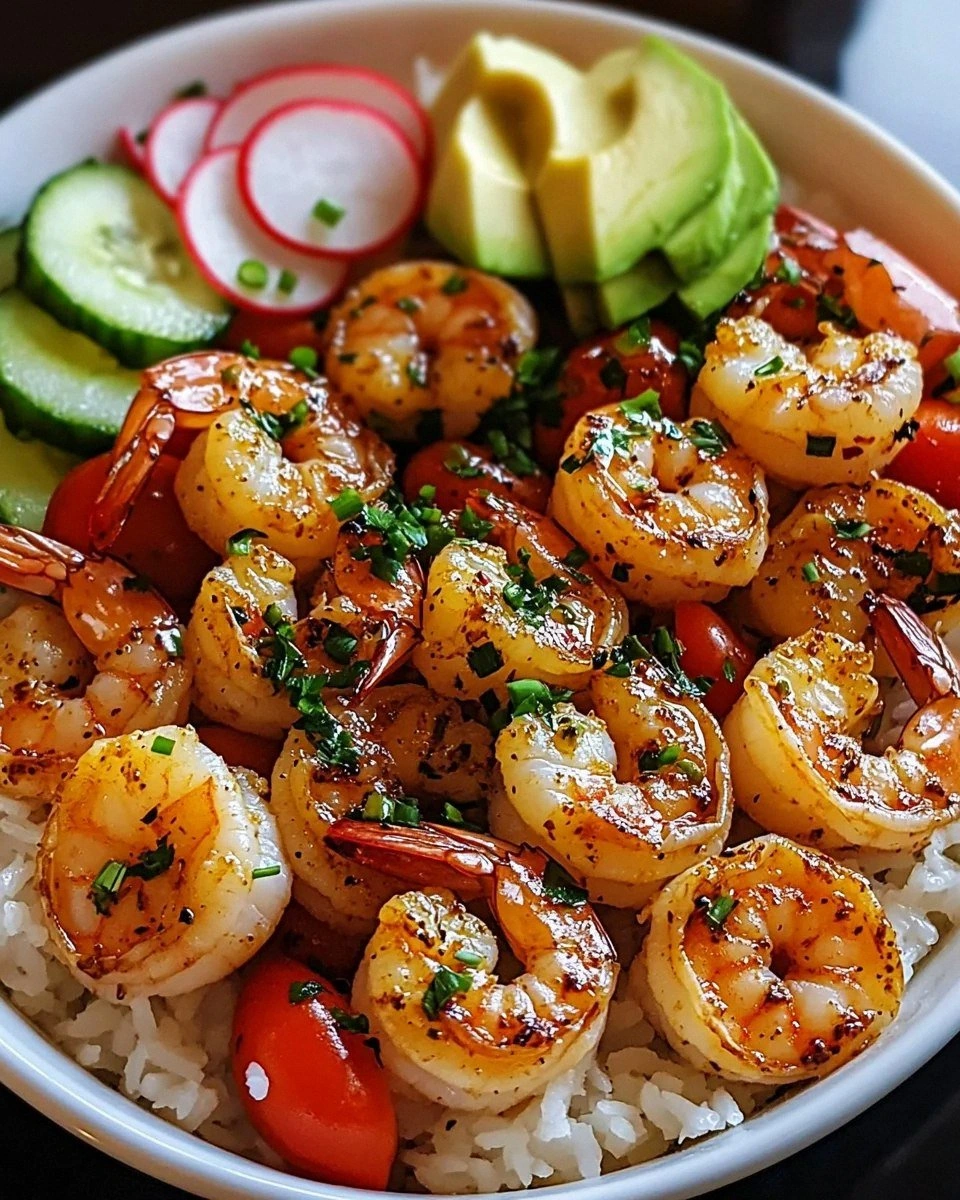
The moment the shrimp hit the hot pan, a sizzle erupted that sounded like a tiny fireworks display, and the aroma of garlic and ginger swirled through the kitchen like a warm hug from a long‑lost friend. The rice, perfectly fluffy, waited like a blank canvas, while the spicy mayo glistened with a seductive pink hue, promising a creamy heat that would coat every bite like velvet. I could hear the faint pop of sesame seeds toasting in the background, and the bright green of sliced cucumber added a crisp, refreshing snap that cut through the richness like a cool breeze on a summer day. When I finally drizzled that fiery mayo over the assembled bowl, the whole kitchen smelled like a tropical fiesta, and I knew I had stumbled onto something extraordinary.
What makes this version truly stand out is a handful of deliberate choices that most recipes completely overlook. First, the shrimp are marinated in a quick soy‑ginger‑lime mixture that infuses them with a bright acidity before they even touch the heat. Second, the rice isn’t just a filler; it’s cooked with a splash of coconut milk to add a subtle sweetness that balances the heat of the mayo. Third, the spicy mayo itself is a perfect marriage of mayo, sriracha, and a dash of honey, giving it a layered heat that builds rather than burns. And finally, the garnish isn’t an afterthought – toasted sesame seeds, fresh green onions, and avocado slices each bring their own texture and flavor to the party.
Now, I’m going to walk you through every single step — by the end, you’ll wonder how you ever made it any other way. Okay, ready for the game‑changer? Let’s dive in, and I dare you to taste this and not go back for seconds.
What Makes This Version Stand Out
- Flavor Explosion: The shrimp are bathed in a soy‑ginger‑lime brine that gives them a bright, umami punch before the sear, while the spicy mayo adds a creamy heat that lingers just long enough to keep you reaching for more.
- Texture Symphony: You get the snap of cucumber, the buttery softness of avocado, the chew of perfectly cooked shrimp, and the fluffy, slightly coconut‑kissed rice all in one harmonious bite.
- Simplicity Meets Sophistication: Despite the complex flavor profile, the ingredient list is short, and the steps are straightforward enough for a weekday dinner yet impressive enough for guests.
- Unique Ingredient Twist: A splash of coconut milk in the rice is the secret that adds a whisper of sweetness, making the heat of the mayo feel like a tropical breeze rather than a firestorm.
- Crowd Reaction: This bowl consistently earns the “wow” factor, with friends declaring it the best shrimp dish they’ve ever tasted and asking for the recipe within minutes.
- Ingredient Quality: Using fresh, wild‑caught shrimp and high‑quality sriracha elevates the dish from ordinary to unforgettable, proving that premium basics make a world of difference.
- Cooking Method: A quick high‑heat sear locks in juiciness, while the rice is gently simmered, ensuring each component retains its optimal texture.
- Make‑Ahead Potential: The spicy mayo and rice can be pre‑pped up to a day ahead, meaning you can assemble the bowls in under ten minutes when hunger strikes.
Inside the Ingredient List
The Flavor Base
The heart of this bowl is the shrimp marination. A blend of soy sauce, fresh lime juice, grated ginger, and minced garlic creates a tangy, aromatic bath that penetrates the shrimp in just five minutes. This quick marination is essential; it not only seasons the shrimp but also helps them stay tender during the high‑heat sear. If you skip this step, you’ll end up with shrimp that taste bland and may dry out. For a low‑sodium version, swap regular soy sauce for tamari, but keep the lime and ginger to maintain that bright zing.
The Texture Crew
Rice is the canvas, and we treat it with respect. Jasmine rice provides a fragrant base, but the secret is the coconut milk – a quarter cup mixed into the cooking liquid adds a subtle richness that balances the heat later on. If you’re allergic to dairy, coconut milk is a safe, plant‑based alternative that still delivers that silky mouthfeel. Skipping the coconut milk will make the rice feel flat and may cause the spicy mayo to dominate the palate. Choose long‑grain rice for separate grains; short‑grain rice will become mushy.
The Unexpected Star
Enter the avocado, the cool‑headed hero that tames the heat. Its buttery texture contrasts with the crisp cucumber, while the avocado’s natural fats help carry the flavor of the mayo across your tongue. If you’re not a fan of avocado, substitute with sliced mango for a sweet twist, but remember that mango will add a different flavor dimension that may clash with the sriracha’s heat if not balanced.
The Final Flourish
The spicy mayo is where the magic truly happens. Mixing mayonnaise with sriracha, a splash of honey, and a dash of sesame oil creates a sauce that’s creamy, sweet, and fiery all at once. The honey isn’t just for sweetness; it tempers the acidity of the lime and the saltiness of the soy, creating a rounded flavor profile. If you prefer a lighter sauce, substitute half the mayo with Greek yogurt, but expect a tangier finish.
Everything’s prepped? Good. Let’s get into the real action…
The Method — Step by Step
Start by cooking the rice. Rinse 2 cups of jasmine rice under cold water until the water runs clear, then combine it with 2 ½ cups water, ¼ cup coconut milk, and a pinch of salt in a saucepan. Bring to a boil, then reduce to a low simmer, cover, and let it cook for 15 minutes. When the timer dings, fluff the rice with a fork; you should see each grain separate like tiny pearls. This is the moment of truth for the rice’s texture.
While the rice is simmering, prepare the shrimp. In a bowl, whisk together 2 Tbsp soy sauce, 1 Tbsp lime juice, 1 tsp grated ginger, and 2 minced garlic cloves. Toss the 1 lb peeled and deveined shrimp in the mixture and let them sit for 5 minutes. The shrimp will start to turn a light pink, signaling that the acid is already working its magic.
Heat a large skillet over medium‑high heat and add 1 tsp sesame oil. When the oil shimmers, add the marinated shrimp in a single layer, making sure not to overcrowd the pan. Let them sear undisturbed for about 45 seconds, then flip and cook another 45 seconds. You’re looking for a golden‑brown edge that pulls away from the pan – that’s the caramelized flavor we crave. That sizzle when it hits the pan? Absolute perfection.
While the shrimp finish, assemble the spicy mayo. In a small bowl, combine ½ cup mayonnaise, 2 Tbsp sriracha, 1 tsp honey, and 1 tsp sesame oil. Whisk until smooth; the sauce should have a glossy, pink‑orange sheen. Taste and adjust – if you like it milder, add a splash of lime juice; if you crave more heat, drizzle in an extra half‑tablespoon of sriracha.
Now it’s time to build the bowls. Start with a generous scoop of the fluffy coconut‑infused rice at the bottom of each bowl. Arrange the seared shrimp on top, followed by cucumber ribbons, avocado cubes, and a sprinkling of sliced green onions. Drizzle the spicy mayo over everything, letting it cascade like a silky waterfall.
Finish each bowl with a final flourish: a sprinkle of toasted sesame seeds and, if you like an extra kick, a pinch of chili flakes. The sesame seeds add a nutty crunch that contrasts beautifully with the creamy mayo, while the chili flakes give a whisper of smoky heat that lingers on the palate.
Serve immediately, but if you’re not ready to eat, cover the bowls with parchment paper and a loose foil tent. The steam will keep everything warm without continuing to cook the shrimp. When you’re ready, give each bowl a quick toss to coat every bite in sauce, then dig in. That first spoonful? It’s a flavor bomb that will make you question every other dinner you’ve ever had.
Insider Tricks for Flawless Results
The Temperature Rule Nobody Follows
Most home cooks start with a cold pan, which leads to soggy shrimp and uneven cooking. The secret is to pre‑heat your skillet until it’s just about to smoke, then add the oil. This high‑heat environment creates a quick sear that locks in juices, giving the shrimp a caramelized exterior while keeping the interior buttery. I once tried a “low‑and‑slow” approach and ended up with rubbery shrimp that tasted like boiled rubber bands – not a good look.
Why Your Nose Knows Best
Don’t rely solely on timers; trust your sense of smell. When the garlic and ginger start to perfume the air, you know the base is ready for the shrimp. If you hear a faint pop, that’s the shrimp releasing moisture – a sign they’re about to brown. If you miss this cue, you’ll overcook them, and the texture will suffer. I’ve learned to pause, inhale, and adjust the heat accordingly, turning cooking into a sensory dance.
The 5‑Minute Rest That Changes Everything
After searing, let the shrimp rest on a plate for five minutes before adding them to the bowl. This brief pause allows the juices to redistribute, preventing them from spilling out onto the rice and making it soggy. It also gives the mayo a chance to settle, so when you finally drizzle it, the sauce clings better. Skipping this step is a common mistake that leads to a watery bowl.
Don’t Forget the Coconut Milk
The coconut milk in the rice isn’t just a flavor enhancer; it also adds a subtle fat that helps the rice stay separate. If you use plain water, the rice can become sticky, especially when you later mix in the mayo. I once used a rice cooker without coconut milk and ended up with a clumpy mess that felt like eating glue. The solution? A splash of coconut milk every time you boil rice for a richer, more cohesive grain.
Seasoning at the End
Salt and pepper are the final architects of flavor. Add a pinch of flaky sea salt and a grind of fresh black pepper right before serving to brighten the dish. The salt enhances the sweet undertones of the coconut rice, while the pepper adds a subtle heat that complements the sriracha. Over‑seasoning early can mask the delicate balance we’ve built, so keep it light until the final moment.
Creative Twists and Variations
This recipe is a playground. Here are some of my favorite ways to switch things up:
Tropical Mango Madness
Swap the cucumber for diced mango and add a drizzle of lime‑infused honey. The mango’s sweetness pairs beautifully with the spicy mayo, turning the bowl into a sweet‑heat adventure that’s perfect for summer picnics.
Thai Peanut Fusion
Replace the spicy mayo with a Thai peanut sauce made from peanut butter, soy sauce, lime juice, and a touch of chili paste. The nutty depth adds a whole new dimension, and you’ll feel like you’re dining in a Bangkok street market.
Veggie‑Heavy Power Bowl
Omit the shrimp and double the veggies: add roasted sweet potatoes, edamame, and shredded carrots. Use the same spicy mayo for a vegetarian version that still packs a protein punch thanks to the edamame.
Smoky Chipotle Kick
Mix a teaspoon of chipotle in adobo into the mayo for a smoky, earthy heat. Pair it with black beans and corn for a Mexican‑inspired twist that’s both hearty and vibrant.
Breakfast Bowl Remix
Swap the rice for quinoa, top with a soft‑boiled egg, and use a milder mayo with a dash of sriracha. The result is a protein‑rich breakfast that feels indulgent yet stays light.
Storing and Bringing It Back to Life
Fridge Storage
Place the rice, shrimp, and veggies in separate airtight containers. The spicy mayo can be stored in a small jar. This way, each component retains its texture for up to three days. When you’re ready to eat, assemble a fresh bowl and you’ll get the same crunch and creaminess as the original.
Freezer Friendly
The cooked rice freezes beautifully; portion it into zip‑top bags and label with the date. Shrimp can also be frozen after cooking – just make sure they’re cooled completely before sealing. The mayo, however, should stay refrigerated and not be frozen, as the emulsion can break.
Best Reheating Method
To revive the rice, sprinkle a tiny splash of water over it, cover with a damp paper towel, and microwave for 60‑90 seconds. For the shrimp, a quick 30‑second zap in the microwave or a brief toss in a hot skillet will restore the sear. Add a fresh drizzle of spicy mayo after reheating to keep it silky.