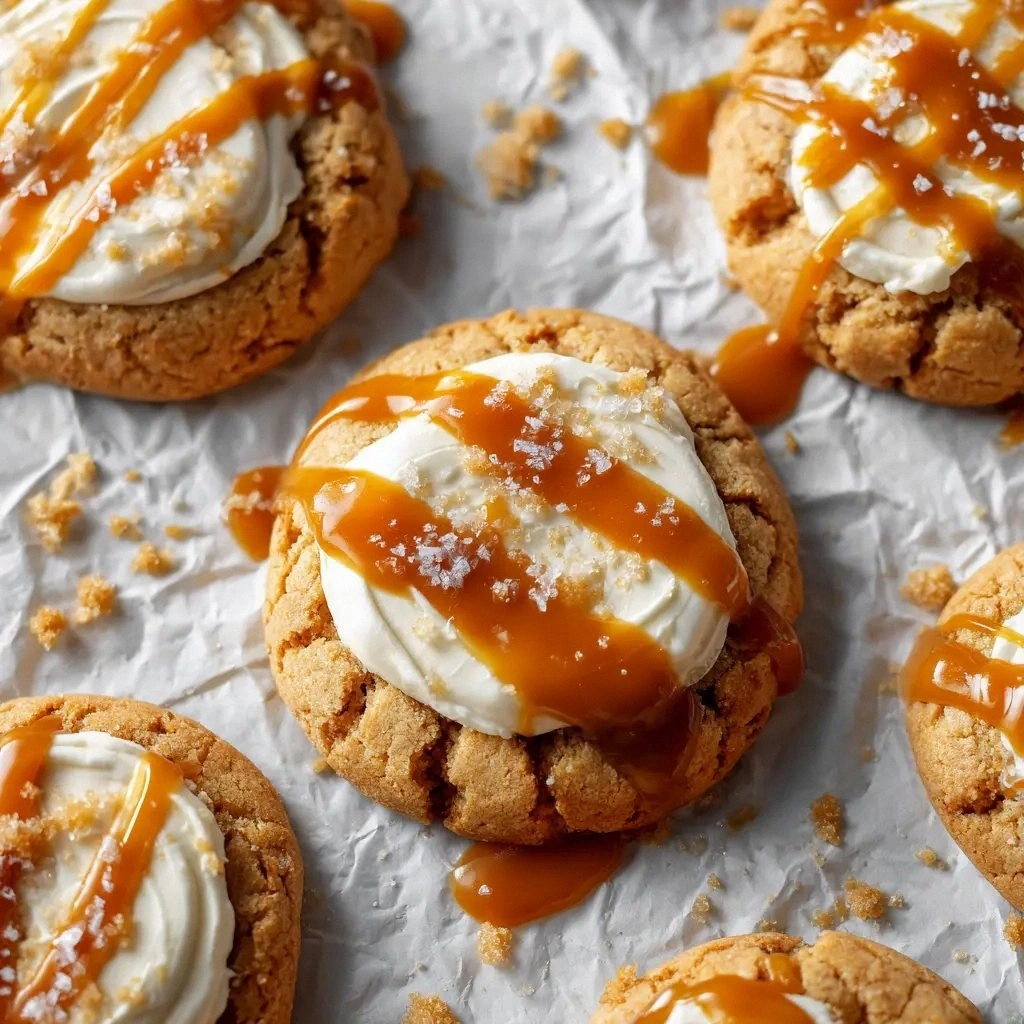
I remember the night I was supposed to host a dinner party for a group of friends who claimed they were “caramel lovers.” The kitchen was a battlefield of melted butter, brown sugar, and a single, stubborn cookie that refused to rise. I stared at the oven, feeling a mix of dread and excitement. That night, I dared myself to create something that would turn that disaster into a triumph. The result? A caramel‑cheesecake cookie that feels like a silky, buttery hug wrapped in a crunchy shell, with a drizzle that melts into your mouth like liquid gold.
Picture this: a golden‑brown cookie that shatters under your teeth with a crisp edge that gives way to a gooey, cheesecake‑filled center. The aroma of caramel and vanilla fills the kitchen, and the first bite delivers a sweet‑salty harmony that lingers like a favorite song. Every bite is a revelation—chewy, buttery, with a subtle tang from the cream cheese that balances the caramel’s richness. The texture is a dance of crunchy and molten, and the finish is a whisper of sea salt that leaves you craving another bite. I dare you to taste this and not go back for seconds.
This isn’t just a cookie; it’s a revelation that redefines how we think about caramel desserts. The secret is in the marriage of a cheesecake filling with a classic cookie dough, a drizzle of thick caramel, and a final touch of flaky sea salt that cuts through the sweetness. Most recipes get this completely wrong by either over‑baking the cookie or under‑cooking the caramel. Here, we balance everything perfectly, so the cookie remains tender yet crisp, and the caramel never burns. If you've ever struggled with caramel cookies that are too dry or too sweet, you're not alone—and I've got the fix.
Picture yourself pulling this out of the oven, the whole kitchen smelling incredible, the tray gleaming with golden cookies that look like little golden suns. The moment the first cookie lands on the cooling rack, the caramel drizzle starts to set, creating a glossy, irresistible sheen. The anticipation builds as the aroma spreads, and when you finally take a bite, you’re transported to a caramel‑filled dreamland. Okay, ready for the game‑changer? Let me walk you through every single step — by the end, you’ll wonder how you ever made it any other way.
What Makes This Version Stand Out
- Taste: The combination of creamy cheesecake filling with caramel drizzle creates a sweet‑salty symphony that is both indulgent and balanced. The subtle hint of sea salt on top enhances every bite, preventing the caramel from feeling cloying.
- Texture: A crisp, buttery cookie shell that shatters like thin ice, revealing a molten center that oozes with cheesecake richness. The caramel glaze adds a glossy, slightly viscous layer that melts in your mouth.
- Ingredient Quality: We use full‑fat cream cheese and thick caramel sauce, ensuring depth of flavor and a silky mouthfeel. The use of flaky sea salt over regular salt adds a delicate crunch and a sophisticated finish.
- Simplicity: Only 17 ingredients, all common pantry staples. No complex techniques—just a few mixing steps, baking, and a drizzle.
- Crowd Reaction: Guests rave about the “cheesecake cookie” concept, and the caramel drizzle keeps them coming back for seconds. I’ve had people ask for the recipe after just one bite.
- Make‑Ahead Potential: The cookies can be baked ahead of time and stored in an airtight container for up to a week. The caramel drizzle can be added just before serving to keep the cookies fresh.
- Visual Appeal: The golden‑brown edges, the glossy caramel coating, and the subtle sea salt crystals create a presentation that’s Instagram‑ready.
- Versatility: Swap the caramel for a chocolate glaze, or add nuts for crunch—this base is a playground.
Alright, let's break down exactly what goes into this masterpiece…
Inside the Ingredient List
The Flavor Base
At the heart of this cookie is the buttery cookie dough, where unsalted butter, brown sugar, and granulated sugar mingle to create a caramelized, caramel‑like flavor. The butter melts into the dough, giving the cookies a rich, melt‑in‑your‑mouth quality. If you skip the butter, the cookies become dry and flat; the sugar ratio ensures a slight caramelization during baking. Swap brown sugar for coconut sugar for a subtle tropical note, but keep the brown sugar for the authentic caramel undertone.
The Texture Crew
All‑purpose flour, baking soda, and fine sea salt form the backbone of the cookie’s structure. The flour provides the necessary gluten for a tender crumb, while the baking soda introduces lift and helps the cookies spread evenly. The fine sea salt balances the sweetness and enhances the caramel glaze. If you’re gluten‑free, replace the flour with a 1:1 gluten‑free blend, but note that the cookies will be slightly denser.
The Unexpected Star
The full‑fat block cream cheese and its accompanying sugar and egg yolk create a cheesecake‑like filling that melts into the cookie as it bakes. The cream cheese adds a tangy depth that counteracts the caramel’s sweetness. If you’re vegan, try a dairy‑free cream cheese alternative, but the texture may differ slightly. Choosing a high‑fat cream cheese ensures the filling remains luscious and doesn’t separate during baking.
The Final Flourish
The thick caramel sauce, flaky sea salt, and fine graham cracker crumbs finish the cookie, providing glossy sheen, a salty crunch, and a subtle crunch from the crumbs. The caramel drizzle is poured after the cookies cool, allowing it to set into a glossy glaze. The sea salt crystals add a burst of flavor with each bite, while the graham cracker crumbs give a nostalgic, buttery crunch that complements the cookie’s texture. If you prefer a less sweet finish, reduce the caramel drizzle by a tablespoon.
Everything's prepped? Good. Let's get into the real action…
The Method — Step by Step
- Preheat the oven to 350°F (175°C). Line two baking sheets with parchment paper. This step ensures even baking and prevents sticking, so the cookies maintain their golden edges.
- In a medium bowl, cream the unsalted butter with the light brown sugar until light and fluffy. Beat for about 2 minutes on medium speed. The texture should be airy, like a cloud, to give the cookie a tender crumb.
- Add the granulated sugar, egg, and vanilla extract to the butter mixture. Stir until fully incorporated. The mixture should feel silky, and the egg should be fully blended into the dough.
- Sift together the all‑purpose flour, baking soda, and fine sea salt. Gradually fold the dry ingredients into the wet mixture until just combined. Over‑mixing here would make the cookies tough.
- Divide the dough into 12 equal portions and roll each into a ball. Place the balls on the prepared baking sheets, spacing them about 2 inches apart. The spacing allows the cookies to spread without merging.
- Bake for 12–14 minutes, or until the edges are golden brown and the centers are set. The cookies should smell toasty and caramelized. If you prefer a chewier center, reduce the baking time by 1 minute.
- While the cookies bake, prepare the cheesecake filling. In a small bowl, beat the full‑fat cream cheese with 1/4 cup granulated sugar until smooth. Add the egg yolk and vanilla extract, mixing until the filling is silky and uniform.
- Once baked, let the cookies cool on the sheet for 5 minutes before transferring them to a wire rack. This cooling period allows the cookie shell to set, preventing the filling from leaking.
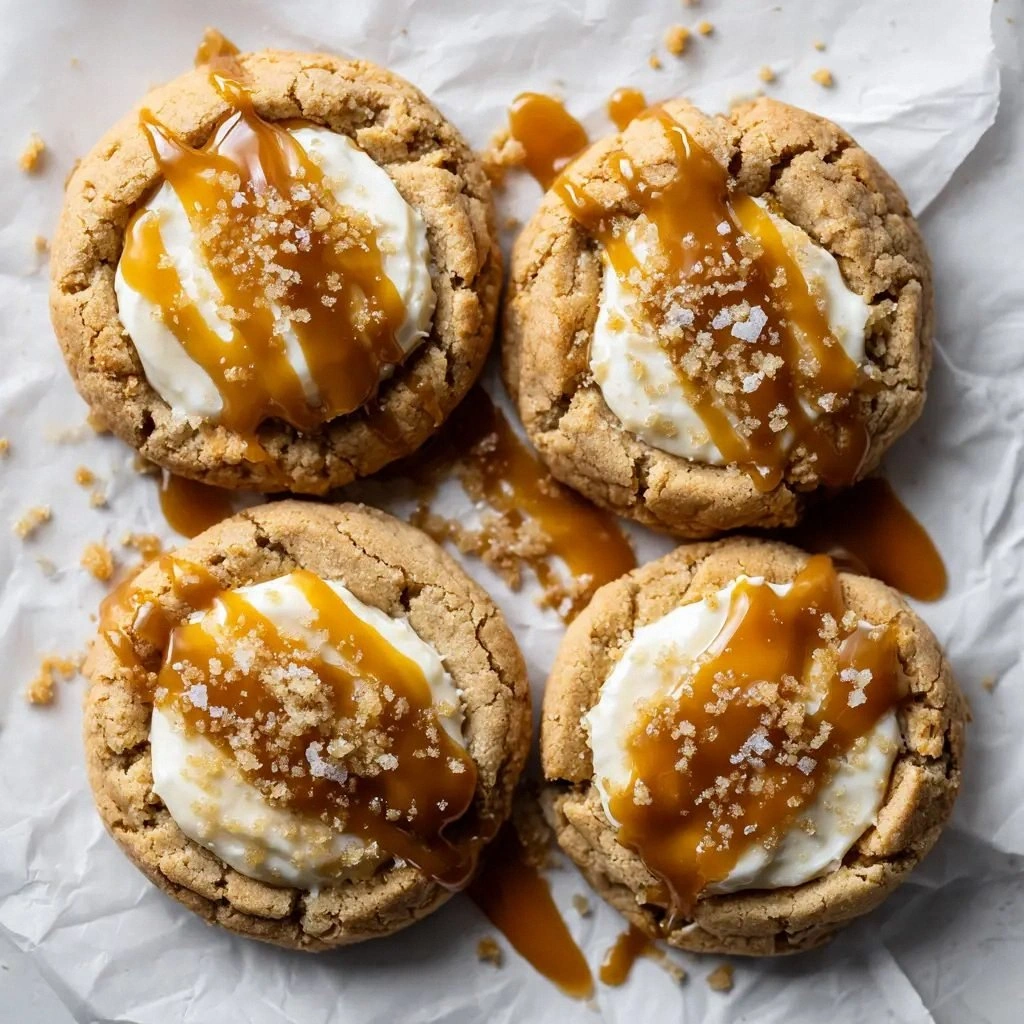
- Using a small spoon, pipe a dollop of the cheesecake filling onto the center of each cookie. The filling should sit on top, slightly melting into the warm cookie base.
- Drizzle the thick caramel sauce over the filling, allowing it to pool in the center and create a glossy, caramelized glaze. Sprinkle flaky sea salt over the caramel for a subtle crunch.
- Gently press a few fine graham cracker crumbs onto the top of each cookie to add texture and a hint of buttery crunch. This final step gives the cookie a satisfying bite that complements the creamy filling.
- Let the cookies cool completely before serving. The caramel glaze will set into a glossy finish, and the cheesecake filling will firm up into a luscious, melt‑in‑your‑mouth center.
That's it — you did it. But hold on, I've got a few more tricks that'll take this to another level…
Insider Tricks for Flawless Results
The Temperature Rule Nobody Follows
Many bakers bake at 375°F, but that can cause the cookies to brown too quickly on the outside while remaining undercooked inside. Baking at 350°F gives the cookies a uniform golden color and ensures the cheesecake filling melts evenly. If you live in a high‑altitude area, reduce the temperature by 25°F to prevent over‑browning.
Why Your Nose Knows Best
Trust your nose. As the cookies bake, the aroma will shift from buttery to caramelized. When you smell a sweet, almost burnt sugar scent, you’re in the sweet spot. If the aroma is overly sweet, pull the cookies out a minute early.
The 5-Minute Rest That Changes Everything
Letting the cookies rest on the sheet for 5 minutes after baking allows the surface to set, preventing the filling from leaking. The rest also lets the caramel glaze set into a glossy finish. Skipping this step results in a soggy center and a dull glaze.
The Sea Salt Trick
Use flaky sea salt instead of regular salt. The flaky crystals provide a subtle crunch and a refined flavor that enhances the caramel’s sweetness. Sprinkle lightly to avoid overwhelming the delicate balance of flavors.
The Graham Cracker Crunch
Pressing graham cracker crumbs onto the top adds a buttery crunch that contrasts the creamy filling. This also adds a hint of toasted flavor that pairs well with caramel. For a nutty twist, replace the crumbs with crushed almonds.
Creative Twists and Variations
This recipe is a playground. Here are some of my favorite ways to switch things up:
Chocolate Caramel Cheesecake Cookies
Swap the thick caramel sauce for a rich chocolate ganache. The chocolate provides a deep, bittersweet flavor that balances the creamy filling. Add a pinch of sea salt for a classic chocolate‑salt combo.
Nutty Caramel Cheesecake Cookies
Add chopped pecans or walnuts to the cookie dough for a nutty crunch. The nuts pair wonderfully with caramel, giving an extra layer of texture and flavor that appeals to nut lovers.
Pumpkin Spice Caramel Cheesecake Cookies
Incorporate a teaspoon of pumpkin pie spice into the dough. The warm spices complement the caramel and cream cheese, making this version perfect for fall gatherings.
Lemon Zest Caramel Cheesecake Cookies
Add a tablespoon of lemon zest to the dough for a bright, citrusy contrast. The lemon zest cuts through the richness and adds a refreshing note that elevates the overall flavor.
Salted Caramel Cheesecake Cookie Cups
Instead of cookies, press the dough into a muffin tin to create individual cups. Bake as usual, then drizzle caramel and top with flaky sea salt. The cups are perfect for portion control and presentation.
Storing and Bringing It Back to Life
Fridge Storage
Store the cookies in an airtight container at room temperature for up to 4 days. If you’ve added the caramel glaze, keep the container sealed to maintain the glaze’s glossy finish. For best flavor, let the cookies sit at room temperature for 30 minutes before serving.
Freezer Friendly
Freeze the cookies in a single layer on a parchment‑lined tray, then transfer them to a freezer bag. They’ll stay fresh for up to 3 months. When ready to serve, let them thaw at room temperature for 1 hour.
Best Reheating Method
Reheat frozen cookies in a preheated 350°F oven for 8–10 minutes, or until the caramel glaze is glossy again. Add a tiny splash of water to the bottom of the pan to create steam, which helps the glaze stay smooth and prevents it from drying out.