
Grilled Mahi Mahi
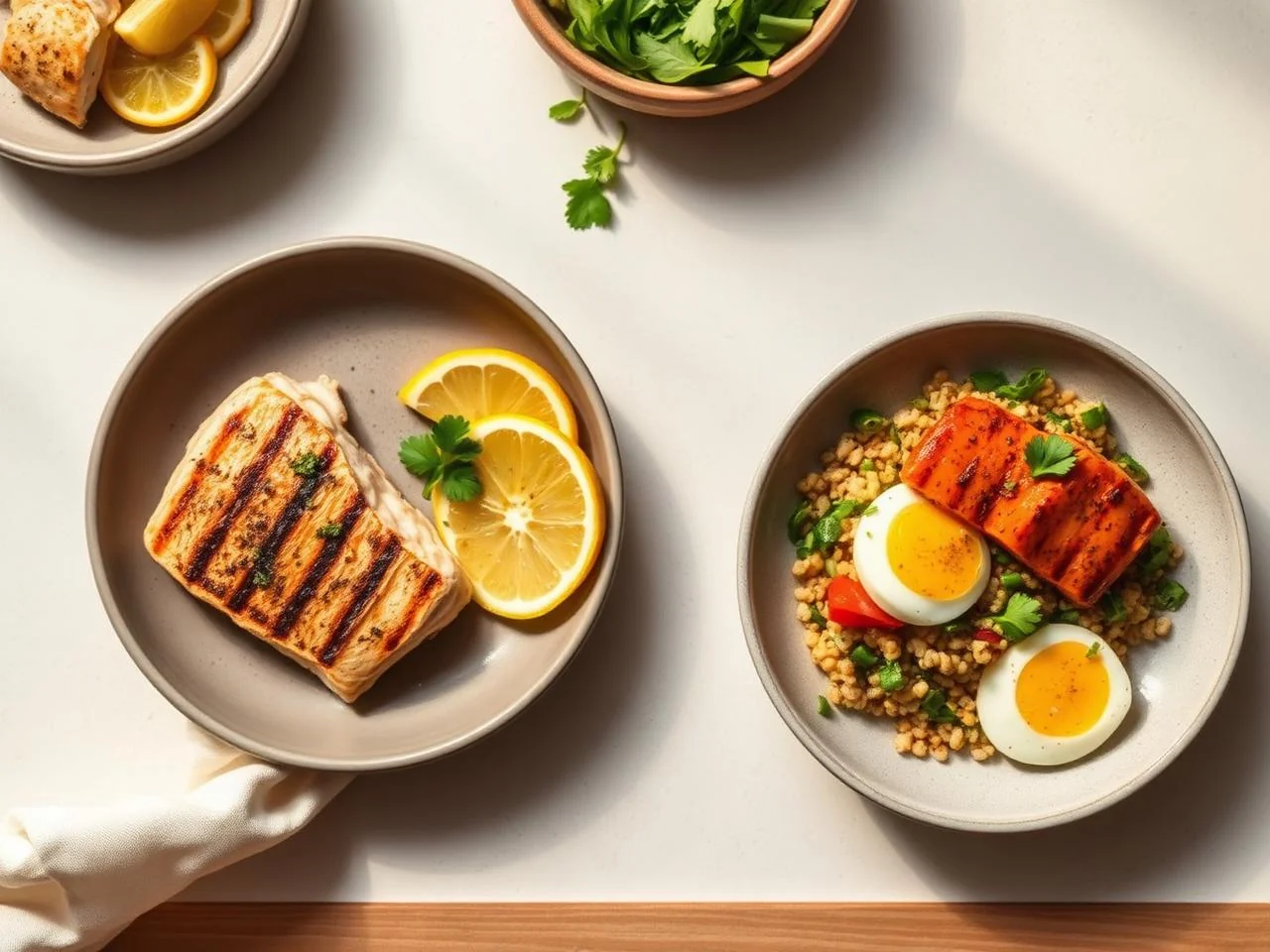
I still remember the first time I had grilled mahi mahi - it was at a beachside restaurant, and the combination of the smoky flavor from the grill and the tender, flaky fish was absolute perfection. Ever since then, I've been on a mission to recreate that dish at home. After countless experiments and tweaks, I'm excited to share my recipe for grilled mahi mahi with you.
This recipe is all about simplicity and letting the natural flavors of the fish shine through. With just a few ingredients and some basic cooking techniques, you can create a dish that's sure to impress your family and friends. Whether you're a seasoned chef or a beginner in the kitchen, this recipe is perfect for anyone looking to add some excitement to their meal routine.
One of the things I love about grilled mahi mahi is its versatility. You can serve it with a variety of sides, from grilled vegetables to quinoa or rice, and it pairs perfectly with a refreshing salad or a glass of white wine. Plus, it's a great option for a weeknight dinner or a special occasion - it's easy to make in large quantities and can be prepared ahead of time.
In this recipe, we'll be using a combination of olive oil, lemon juice, and herbs to add flavor to the fish, and then grilling it to perfection. We'll also be discussing some tips and tricks for ensuring that your fish turns out moist and flavorful, rather than dry and overcooked.
So if you're ready to take your grilling game to the next level and create a dish that's sure to become a favorite, let's get started!
Why You’ll Love This Recipe
- This recipe is easy to make and requires minimal ingredients.
- The dish is perfect for a weeknight dinner or a special occasion.
- Grilled mahi mahi is a great source of protein and is low in calories.
- The recipe is versatile and can be served with a variety of sides.
- The dish is perfect for anyone looking to add some excitement to their meal routine.
- The recipe is easy to make in large quantities and can be prepared ahead of time.
Why This Recipe Works
The key to a great grilled mahi mahi is in the preparation and the cooking technique. By marinating the fish in a mixture of olive oil, lemon juice, and herbs, we're able to add flavor and moisture to the fish before it even hits the grill. Then, by grilling the fish over medium-high heat, we're able to get a nice sear on the outside while keeping the inside tender and flaky.
Another important factor is the temperature of the grill. We want to make sure that the grill is hot enough to sear the fish, but not so hot that it burns the outside before the inside is cooked through. By using a thermometer to check the temperature of the grill, we can ensure that it's at the perfect temperature for cooking the fish.
Finally, it's all about the timing. By cooking the fish for the right amount of time, we can ensure that it's cooked through and flaky, but still moist and flavorful. And by letting the fish rest for a few minutes before serving, we can allow the juices to redistribute and the fish to stay tender and delicious.
Ingredients You’ll Need
When it comes to grilled mahi mahi, the ingredients are just as important as the cooking technique. We'll be using a combination of fresh herbs, lemon juice, and olive oil to add flavor to the fish, and then grilling it to perfection. Here are the ingredients you'll need to get started:
When shopping for mahi mahi, look for fresh, sustainable fish with a firm texture and a slightly sweet smell. You can find mahi mahi at most seafood markets or grocery stores, and it's usually priced reasonably.
- 4 mahi mahi fillets, 6 oz eachLook for fresh, sustainable fish with a firm texture and a slightly sweet smell. You can find mahi mahi at most seafood markets or grocery stores, and it's usually priced reasonably. Make sure to choose fillets that are similar in size so that they cook evenly.
- 1/4 cup olive oilOlive oil is a great choice for grilled mahi mahi because it has a high smoke point and a mild flavor that won't overpower the fish. You can also use other oils like avocado oil or grapeseed oil if you prefer.
- 2 tbsp lemon juiceFresh lemon juice adds a bright, citrusy flavor to the fish that complements the richness of the mahi mahi perfectly. Make sure to use freshly squeezed lemon juice for the best flavor.
- 2 tbsp chopped fresh parsleyParsley is a classic herb that pairs well with fish, and it adds a fresh, green flavor to the dish. You can also use other herbs like basil or dill if you prefer.
- 2 tbsp chopped fresh thymeThyme is a savory herb that adds depth and complexity to the dish. It pairs well with the richness of the mahi mahi and the brightness of the lemon juice.
- 1 tsp garlic powderGarlic powder is a convenient way to add a savory, slightly sweet flavor to the fish without overpowering it. You can also use fresh garlic if you prefer, but be careful not to burn it.
- 1 tsp saltSalt is essential for bringing out the flavors of the fish and adding texture. Use a high-quality salt like kosher salt or sea salt for the best flavor.
- 1/2 tsp black pepperBlack pepper is a classic seasoning that adds a sharp, peppery flavor to the dish. Use freshly ground black pepper for the best flavor.
- 1/4 tsp paprikaPaprika is a mild, slightly sweet spice that adds depth and complexity to the dish. It pairs well with the richness of the mahi mahi and the brightness of the lemon juice.
- 2 lemons, cut into wedgesLemon wedges are a great way to add a burst of citrus flavor to the dish. Serve them on the side so that everyone can squeeze a bit of lemon juice over their fish.
Equipment You’ll Need
How to Make Grilled Mahi Mahi
- 1In a large bowl, whisk together olive oil, lemon juice, parsley, thyme, garlic powder, salt, black pepper, and paprika.
- 2Add the mahi mahi fillets to the bowl and toss to coat with the marinade. Cover the bowl with plastic wrap and refrigerate for at least 30 minutes or up to 2 hours.
- 3Preheat the grill or grill pan to medium-high heat. Remove the mahi mahi from the marinade and shake off any excess.
- 4Place the mahi mahi on the grill and cook for 4-5 minutes per side, or until it reaches an internal temperature of 145 F (63 C). Use an instant-read thermometer to check the temperature in the thickest part of the fish.
- 5Once the fish is cooked, remove it from the grill and let it rest for 5 minutes. This will allow the juices to redistribute and the fish to stay tender and flavorful.
- 6Serve the grilled mahi mahi hot, with lemon wedges on the side. You can also serve it with a variety of sides, such as grilled vegetables, quinoa, or a salad.
- 7To add some extra flavor to the dish, you can squeeze a bit of lemon juice over the fish and sprinkle with chopped parsley or thyme.
- 8If you're looking for a way to make the dish more substantial, you can serve it with a side of rice or roasted potatoes.
- 9To make the dish more impressive, you can garnish it with a sprinkle of paprika and a few lemon wedges.
- 10Finally, be sure to store any leftovers in an airtight container in the refrigerator and consume within a day or two.
Expert Tips
- Make sure to not overcook the fish, as it can become dry and tough.
- Use a meat thermometer to ensure the fish is cooked to a safe internal temperature.
- Don't overcrowd the grill, as this can lower the temperature and affect the cooking time.
- Let the fish rest for a few minutes before serving to allow the juices to redistribute.
- Serve the fish with a variety of sides, such as grilled vegetables or quinoa, to add some extra flavor and texture to the dish.
- Consider using a grill mat or basket to prevent the fish from sticking to the grill and to make it easier to flip.
- If you're using a grill pan, make sure to preheat it properly before adding the fish to ensure a nice sear.
- Don't be afraid to experiment with different seasonings and marinades to find the flavor combination that you enjoy the most.
Common Mistakes to Avoid
- Overcooking the fish, which can make it dry and tough.
- Not using a meat thermometer to ensure the fish is cooked to a safe internal temperature.
- Overcrowding the grill, which can lower the temperature and affect the cooking time.
- Not letting the fish rest for a few minutes before serving, which can cause the juices to run out and the fish to become dry.
- Not using a grill mat or basket, which can cause the fish to stick to the grill and make it difficult to flip.
- Not preheating the grill or grill pan properly, which can affect the cooking time and the quality of the dish.
Variations and Substitutions
- Try using different types of fish, such as salmon or tilapia, for a different flavor and texture.
- Add some spice to the dish by using a spicy marinade or seasoning.
- Use a variety of herbs, such as parsley, thyme, or rosemary, to add some extra flavor to the dish.
- Serve the fish with a side of roasted vegetables, such as asparagus or Brussels sprouts, for a healthy and flavorful meal.
- Try using a different type of oil, such as avocado oil or grapeseed oil, for a different flavor and texture.
- Add some acidity to the dish by using a squeeze of fresh lemon juice or a splash of vinegar.
- Use a grill pan or skillet to cook the fish, rather than a grill, for a different texture and flavor.
What to Serve With Grilled Mahi Mahi
Grilled mahi mahi is a versatile dish that can be served with a variety of sides to add some extra flavor and texture. Some ideas include grilled vegetables, such as asparagus or bell peppers, or a side of quinoa or rice. You can also serve it with a salad, such as a simple green salad or a more substantial grain salad.
One of the best things about grilled mahi mahi is that it's a great canvas for a variety of flavors and ingredients. You can add some spice to the dish by using a spicy marinade or seasoning, or try using different types of fish, such as salmon or tilapia, for a different flavor and texture.
Make-Ahead, Storage, Freezing and Reheating
If you have any leftovers, you can store them in an airtight container in the refrigerator for up to a day or two. Make sure to keep the fish separate from any sides or sauces, and to label the container with the date and contents.
To freeze the fish, you can wrap it tightly in plastic wrap or aluminum foil and place it in a freezer-safe bag. Frozen fish can be stored for up to 3 months, and can be thawed and reheated as needed.
When reheating the fish, make sure to use a low heat and to not overcook it, as this can cause the fish to become dry and tough. You can reheat it in the oven or on the stovetop, and can add some extra flavor by using a squeeze of fresh lemon juice or a splash of vinegar.
Finally, be sure to always check the fish for any signs of spoilage before consuming it, such as an off smell or slimy texture. If in doubt, it's always best to err on the side of caution and discard the fish to ensure food safety.
Frequently Asked Questions
What is the best way to cook mahi mahi?
The best way to cook mahi mahi is to grill it or pan-sear it, as this allows for a nice crust to form on the outside while keeping the inside tender and flavorful. You can also bake or poach the fish, but grilling or pan-searing is generally the most popular method.
How do I know if the fish is cooked?
The best way to know if the fish is cooked is to use a meat thermometer to check the internal temperature. The internal temperature should be at least 145 F (63 C) to ensure food safety. You can also check the fish for doneness by inserting a fork or knife into the thickest part of the fish - if it flakes easily, it's cooked.
Can I use frozen fish?
Yes, you can use frozen fish, but make sure to thaw it first and pat it dry with paper towels before cooking. Frozen fish can be just as flavorful and tender as fresh fish, but it may have a slightly different texture.
How do I store leftover fish?
You can store leftover fish in an airtight container in the refrigerator for up to a day or two. Make sure to keep the fish separate from any sides or sauces, and to label the container with the date and contents.
Can I freeze the fish?
Yes, you can freeze the fish, but make sure to wrap it tightly in plastic wrap or aluminum foil and place it in a freezer-safe bag. Frozen fish can be stored for up to 3 months, and can be thawed and reheated as needed.
How do I reheat the fish?
You can reheat the fish in the oven or on the stovetop, and can add some extra flavor by using a squeeze of fresh lemon juice or a splash of vinegar. Make sure to use a low heat and to not overcook the fish, as this can cause it to become dry and tough.
Is mahi mahi a healthy fish?
Yes, mahi mahi is a healthy fish that is low in calories and high in protein. It's also a good source of omega-3 fatty acids, which can help to reduce inflammation and improve heart health.
Can I use a different type of fish?
Yes, you can use a different type of fish, such as salmon or tilapia, but keep in mind that the flavor and texture may be slightly different. You can also use a combination of different types of fish for a unique flavor and texture.
Ingredients
- 4 mahi mahi fillets, 6 oz each
- 1/4 cup olive oil
- 2 tbsp lemon juice
- 2 tbsp chopped fresh parsley
- 2 tbsp chopped fresh thyme
- 1 tsp garlic powder
- 1 tsp salt
- 1/2 tsp black pepper
- 1/4 tsp paprika
- 2 lemons, cut into wedges
Instructions
- In a large bowl, whisk together olive oil, lemon juice, parsley, thyme, garlic powder, salt, black pepper, and paprika.
- Add the mahi mahi fillets to the bowl and toss to coat with the marinade. Cover the bowl with plastic wrap and refrigerate for at least 30 minutes or up to 2 hours.
- Preheat the grill or grill pan to medium-high heat. Remove the mahi mahi from the marinade and shake off any excess.
- Place the mahi mahi on the grill and cook for 4-5 minutes per side, or until it reaches an internal temperature of 145 F (63 C). Use an instant-read thermometer to check the temperature in the thickest part of the fish.
- Once the fish is cooked, remove it from the grill and let it rest for 5 minutes. This will allow the juices to redistribute and the fish to stay tender and flavorful.
- Serve the grilled mahi mahi hot, with lemon wedges on the side. You can also serve it with a variety of sides, such as grilled vegetables, quinoa, or a salad.
- To add some extra flavor to the dish, you can squeeze a bit of lemon juice over the fish and sprinkle with chopped parsley or thyme.
- If you're looking for a way to make the dish more substantial, you can serve it with a side of rice or roasted potatoes.
- To make the dish more impressive, you can garnish it with a sprinkle of paprika and a few lemon wedges.
- Finally, be sure to store any leftovers in an airtight container in the refrigerator and consume within a day or two.