
Scrambled Eggs
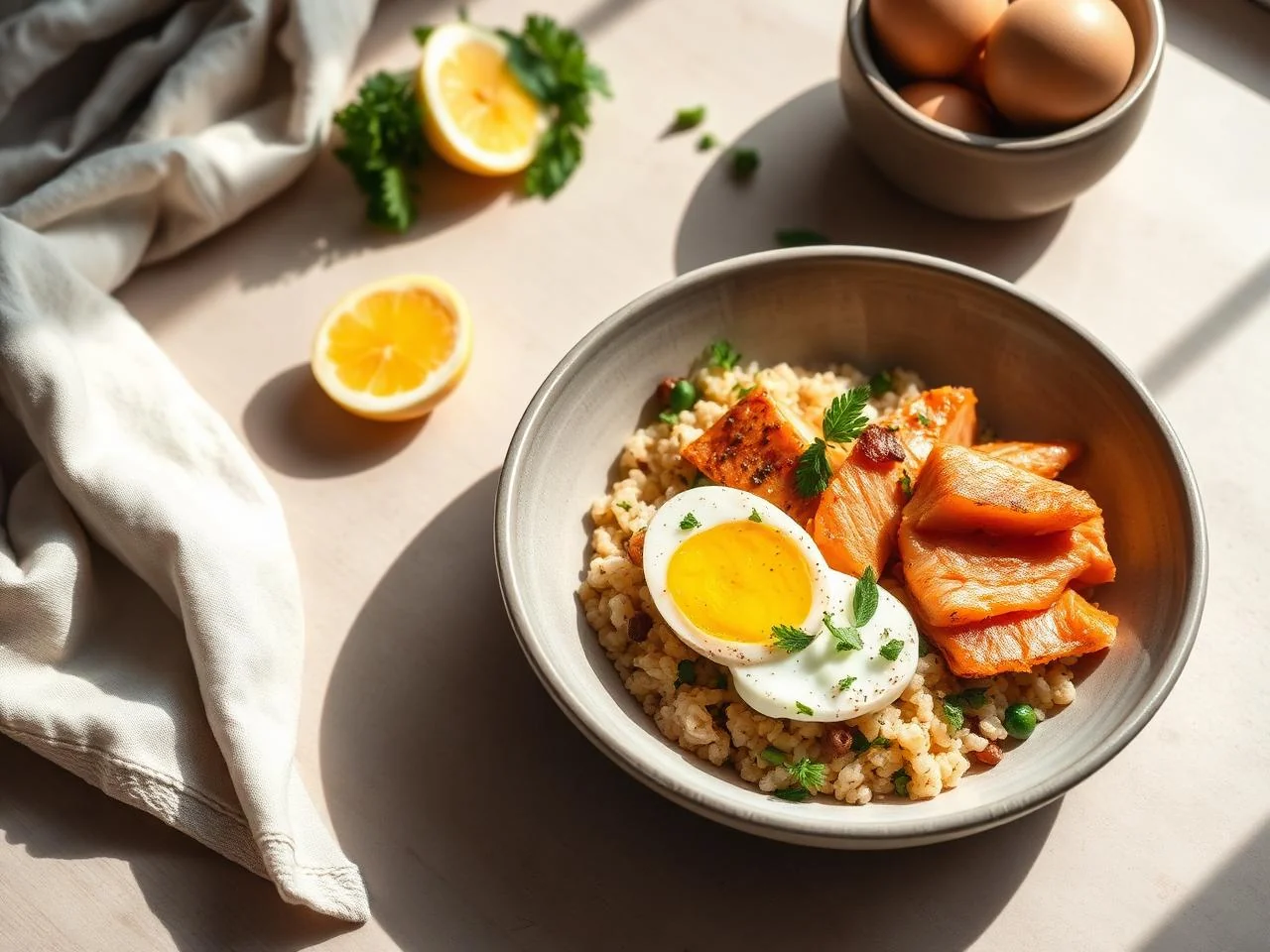
As a home cook, I've always been fascinated by the simplicity and versatility of scrambled eggs. Whether you're a busy professional looking for a quick breakfast or a family seeking a satisfying dinner, scrambled eggs are a staple that never goes out of style.
I remember my first attempt at making scrambled eggs as a college student. I cracked some eggs into a pan, added a bit of salt and pepper, and... well, let's just say it was a learning experience. The eggs were overcooked, dry, and lacked any real flavor. But I didn't give up. I kept experimenting, trying different techniques and ingredients until I landed on a recipe that worked for me.
Today, I'm excited to share my favorite scrambled eggs recipe with you. It's a protein-forward dish that's not only delicious but also packed with nutrients. With just a few simple ingredients and some basic cooking techniques, you'll be enjoying the fluffiest, most tender scrambled eggs of your life.
This recipe is perfect for anyone looking for a quick and easy meal that's also healthy and satisfying. Whether you're a busy professional, a student, or a parent, scrambled eggs are a great option for any time of day. And the best part? You can customize them to your liking with your favorite ingredients and seasonings.
In this recipe, we'll cover the basics of making scrambled eggs, from cracking the eggs to plating the final dish. We'll also explore some tips and variations to help you take your scrambled eggs to the next level. So, let's get started and make some delicious scrambled eggs!
Why You’ll Love This Recipe
- Scrambled eggs are a quick and easy meal that can be made in just a few minutes
- They're a great source of protein and can be customized with your favorite ingredients
- Scrambled eggs are a versatile dish that can be served for breakfast, lunch, or dinner
- They're a budget-friendly option that won't break the bank
- Scrambled eggs are a crowd-pleasing dish that's perfect for families or large groups
- They can be made ahead of time and refrigerated or frozen for later use
- Scrambled eggs are a healthy and nutritious option that's packed with vitamins and minerals
Why This Recipe Works
The key to making great scrambled eggs is to cook them low and slow. This helps to prevent the eggs from becoming tough and rubbery, and instead, yields a tender and creamy texture. We'll also be using a mixture of milk and cheese to add moisture and flavor to the eggs.
Another important factor in making great scrambled eggs is to not overmix the eggs. Overmixing can cause the eggs to become tough and dense, rather than light and fluffy. We'll be using a gentle folding technique to combine the eggs with the milk and cheese, which will help to preserve the texture of the eggs.
Finally, we'll be cooking the eggs in a hot skillet with a small amount of butter. This will help to create a golden-brown crust on the eggs, which adds flavor and texture to the dish. By following these simple techniques, you'll be able to make scrambled eggs that are truly exceptional.
The combination of these techniques, along with the use of high-quality ingredients, is what makes this recipe truly special. The eggs are cooked to a perfect doneness, with a tender and creamy texture that's just firm enough to hold its shape. The milk and cheese add a richness and depth of flavor that complements the eggs perfectly, while the butter adds a subtle nutty flavor that enhances the overall dish.
Ingredients You’ll Need
When it comes to making scrambled eggs, the ingredients are just as important as the technique. We'll be using a combination of fresh eggs, milk, cheese, and butter to create a rich and creamy texture. We'll also be adding some salt, pepper, and chives to add flavor and freshness to the dish.
When shopping for ingredients, look for fresh eggs that are high in protein and low in additives. You'll also want to choose a good-quality cheese that melts well and adds flavor to the eggs. Finally, be sure to use real butter for the best flavor and texture.
- 4 large eggsFresh eggs are essential for making great scrambled eggs. Look for eggs that are high in protein and low in additives.
- 1/2 cup milkMilk adds moisture and flavor to the eggs. You can use any type of milk you like, including dairy or non-dairy alternatives.
- 1/4 cup grated cheddar cheeseCheddar cheese is a great addition to scrambled eggs, adding flavor and creaminess. You can also use other types of cheese, such as Swiss or mozzarella.
- 1 tablespoon unsalted butterButter adds flavor and texture to the eggs. Use high-quality, real butter for the best results.
- 1/2 teaspoon saltSalt enhances the flavor of the eggs and helps to bring out the other ingredients. Use a flaky, kosher salt for the best results.
- 1/4 teaspoon black pepperPepper adds a subtle kick to the eggs and helps to balance out the other flavors. Use freshly ground pepper for the best results.
- 1 tablespoon chopped fresh chivesChives add a fresh, oniony flavor to the eggs. Use fresh chives for the best results, and chop them just before adding them to the eggs.
- 1 tablespoon chopped fresh parsleyParsley adds a bright, fresh flavor to the eggs. Use fresh parsley for the best results, and chop it just before adding it to the eggs.
- 1/4 teaspoon paprikaPaprika adds a smoky, slightly sweet flavor to the eggs. Use sweet or smoked paprika for the best results.
- 1/4 teaspoon garlic powderGarlic powder adds a subtle, savory flavor to the eggs. Use high-quality garlic powder for the best results.
- 1/4 teaspoon onion powderOnion powder adds a subtle, savory flavor to the eggs. Use high-quality onion powder for the best results.
Equipment You’ll Need
How to Make Scrambled Eggs
- 1Crack the eggs into a large bowl and whisk them together with a fork. Add the milk, salt, pepper, paprika, garlic powder, and onion powder, and whisk until the eggs are well-beaten.
- 2Heat the butter in a non-stick skillet over medium heat. Once the butter has melted, tilt the skillet to make sure the butter covers the entire surface.
- 3Add the chopped chives and parsley to the eggs and stir to combine.
- 4Pour the egg mixture into the skillet and let it cook for about 30 seconds.
- 5Use a spatula to gently scramble the eggs, breaking them up into small curds. Don't overmix the eggs - you want to leave some soft, creamy texture.
- 6Continue cooking the eggs for another 2-3 minutes, until they are almost set. Use the spatula to gently lift and fold the edges of the eggs towards the center of the skillet.
- 7Add the grated cheese to the eggs and stir to combine. Continue cooking the eggs for another minute, until the cheese is melted and the eggs are cooked through.
- 8Use the spatula to scoop the eggs onto a plate and serve hot. Garnish with additional chives and parsley, if desired.
- 9Let the eggs rest for a minute or two before serving. This will help the eggs to set and the cheese to melt.
- 10Serve the scrambled eggs hot, garnished with additional chives and parsley, if desired.
- 11Use the instant-read thermometer to check the internal temperature of the eggs. The eggs should be cooked to an internal temperature of at least 160°F.
- 12Once the eggs are cooked, remove the skillet from the heat and let it cool for a minute or two. This will help the eggs to set and the cheese to melt.
- 13Use the spatula to scoop the eggs onto a plate and serve hot. Garnish with additional chives and parsley, if desired.
Expert Tips
- Use fresh eggs for the best results. Fresh eggs will have a better texture and flavor than older eggs.
- Don't overmix the eggs. Overmixing can cause the eggs to become tough and rubbery.
- Use a non-stick skillet to prevent the eggs from sticking. A non-stick skillet will make it easier to scramble the eggs and will help to prevent them from sticking to the pan.
- Add the cheese at the right time. Adding the cheese too early can cause it to melt too much and become gooey. Adding it too late can cause it to not melt at all.
- Use high-quality cheese for the best results. High-quality cheese will have a better flavor and texture than lower-quality cheese.
- Don't overcook the eggs. Overcooking can cause the eggs to become dry and rubbery.
- Let the eggs rest before serving. Letting the eggs rest will help them to set and the cheese to melt.
- Garnish with fresh herbs. Fresh herbs will add a bright, fresh flavor to the eggs.
Common Mistakes to Avoid
- Overmixing the eggs. Overmixing can cause the eggs to become tough and rubbery.
- Not using fresh eggs. Old eggs can have a poorer texture and flavor than fresh eggs.
- Not using a non-stick skillet. A non-stick skillet will make it easier to scramble the eggs and will help to prevent them from sticking to the pan.
- Adding the cheese too early. Adding the cheese too early can cause it to melt too much and become gooey.
- Overcooking the eggs. Overcooking can cause the eggs to become dry and rubbery.
- Not letting the eggs rest. Letting the eggs rest will help them to set and the cheese to melt.
Variations and Substitutions
- Add some diced ham or bacon to the eggs for added protein and flavor.
- Use different types of cheese, such as Swiss or mozzarella, for a unique flavor.
- Add some chopped veggies, such as bell peppers or mushrooms, to the eggs for added nutrition and flavor.
- Use different types of milk, such as almond or soy milk, for a non-dairy version.
- Add some spice, such as cayenne pepper or red pepper flakes, to the eggs for an extra kick.
- Use different types of herbs, such as basil or thyme, for a unique flavor.
- Make a breakfast burrito by wrapping the scrambled eggs in a tortilla with some cheese, salsa, and avocado.
What to Serve With Scrambled Eggs
Scrambled eggs are a versatile dish that can be served with a variety of sides. Some popular options include toast, hash browns, and fresh fruit. You can also serve the eggs with some crispy bacon or sausage for added protein and flavor.
Another great option is to serve the eggs with some roasted vegetables, such as asparagus or Brussels sprouts. Simply toss the vegetables in some olive oil, salt, and pepper, and roast them in the oven until tender and caramelized.
Make-Ahead, Storage, Freezing and Reheating
Scrambled eggs can be stored in the refrigerator for up to 3 days. Simply scoop the eggs into an airtight container and refrigerate until ready to eat.
To freeze the eggs, scoop them into an airtight container or freezer bag and freeze until solid. Frozen eggs can be stored for up to 3 months. To reheat, simply thaw the eggs overnight in the refrigerator and reheat in the microwave or on the stovetop until warm and fluffy.
When reheating the eggs, be careful not to overheat them. Overheating can cause the eggs to become dry and rubbery. Instead, heat the eggs gently over low heat, stirring constantly, until warm and fluffy.
It's also important to note that scrambled eggs can be made ahead of time and refrigerated or frozen until ready to eat. This makes them a great option for meal prep or for busy mornings when you need a quick and easy breakfast.
Frequently Asked Questions
How do I make scrambled eggs that are fluffy and tender?
To make scrambled eggs that are fluffy and tender, use fresh eggs, don't overmix the eggs, and cook them over low heat. Also, don't overcook the eggs - they should be cooked until just set and still moist.
What type of cheese is best to use in scrambled eggs?
The best type of cheese to use in scrambled eggs is a mild, melty cheese such as cheddar, Swiss, or mozzarella. Avoid using strong or pungent cheeses, as they can overpower the flavor of the eggs.
Can I make scrambled eggs ahead of time and refrigerate or freeze them?
Yes, you can make scrambled eggs ahead of time and refrigerate or freeze them. Simply scoop the eggs into an airtight container and refrigerate or freeze until ready to eat. When reheating, be careful not to overheat the eggs - they should be heated gently over low heat until warm and fluffy.
How do I prevent scrambled eggs from sticking to the pan?
To prevent scrambled eggs from sticking to the pan, use a non-stick skillet and add a small amount of butter or oil to the pan before adding the eggs. Also, don't overmix the eggs - this can cause them to become tough and sticky.
Can I add other ingredients to scrambled eggs?
Yes, you can add other ingredients to scrambled eggs to give them extra flavor and nutrition. Some popular additions include diced ham or bacon, chopped veggies, and shredded cheese. Just be sure to add the ingredients at the right time - some ingredients, such as cheese, should be added towards the end of cooking to prevent them from melting too much.
How do I know when scrambled eggs are cooked?
Scrambled eggs are cooked when they are just set and still moist. They should be fluffy and tender, with a creamy texture. If the eggs are overcooked, they will be dry and rubbery. To check for doneness, use a spatula to gently lift and fold the edges of the eggs towards the center of the skillet. If the eggs are still runny, continue cooking them for another minute or two until they are just set.
Can I make scrambled eggs in a microwave?
Yes, you can make scrambled eggs in a microwave. Simply crack the eggs into a microwave-safe bowl, add a splash of milk or water, and cook on high for 30-45 seconds. Stir the eggs and cook for another 30-45 seconds, until the eggs are just set and still moist. Be careful not to overcook the eggs - they can quickly become dry and rubbery in the microwave.
How do I make scrambled eggs for a large group?
To make scrambled eggs for a large group, simply multiply the ingredients and cook the eggs in batches if necessary. You can also use a large skillet or cooking vessel to cook the eggs all at once. Just be sure to stir the eggs frequently to prevent them from burning or sticking to the pan.
Ingredients
- 4 large eggs
- 1/2 cup milk
- 1/4 cup grated cheddar cheese
- 1 tablespoon unsalted butter
- 1/2 teaspoon salt
- 1/4 teaspoon black pepper
- 1 tablespoon chopped fresh chives
- 1 tablespoon chopped fresh parsley
- 1/4 teaspoon paprika
- 1/4 teaspoon garlic powder
- 1/4 teaspoon onion powder
Instructions
- Crack the eggs into a large bowl and whisk them together with a fork. Add the milk, salt, pepper, paprika, garlic powder, and onion powder, and whisk until the eggs are well-beaten.
- Heat the butter in a non-stick skillet over medium heat. Once the butter has melted, tilt the skillet to make sure the butter covers the entire surface.
- Add the chopped chives and parsley to the eggs and stir to combine.
- Pour the egg mixture into the skillet and let it cook for about 30 seconds.
- Use a spatula to gently scramble the eggs, breaking them up into small curds. Don't overmix the eggs - you want to leave some soft, creamy texture.
- Continue cooking the eggs for another 2-3 minutes, until they are almost set. Use the spatula to gently lift and fold the edges of the eggs towards the center of the skillet.
- Add the grated cheese to the eggs and stir to combine. Continue cooking the eggs for another minute, until the cheese is melted and the eggs are cooked through.
- Use the spatula to scoop the eggs onto a plate and serve hot. Garnish with additional chives and parsley, if desired.
- Let the eggs rest for a minute or two before serving. This will help the eggs to set and the cheese to melt.
- Serve the scrambled eggs hot, garnished with additional chives and parsley, if desired.
- Use the instant-read thermometer to check the internal temperature of the eggs. The eggs should be cooked to an internal temperature of at least 160°F.
- Once the eggs are cooked, remove the skillet from the heat and let it cool for a minute or two. This will help the eggs to set and the cheese to melt.
- Use the spatula to scoop the eggs onto a plate and serve hot. Garnish with additional chives and parsley, if desired.