
Korean Bibimbap Bowl
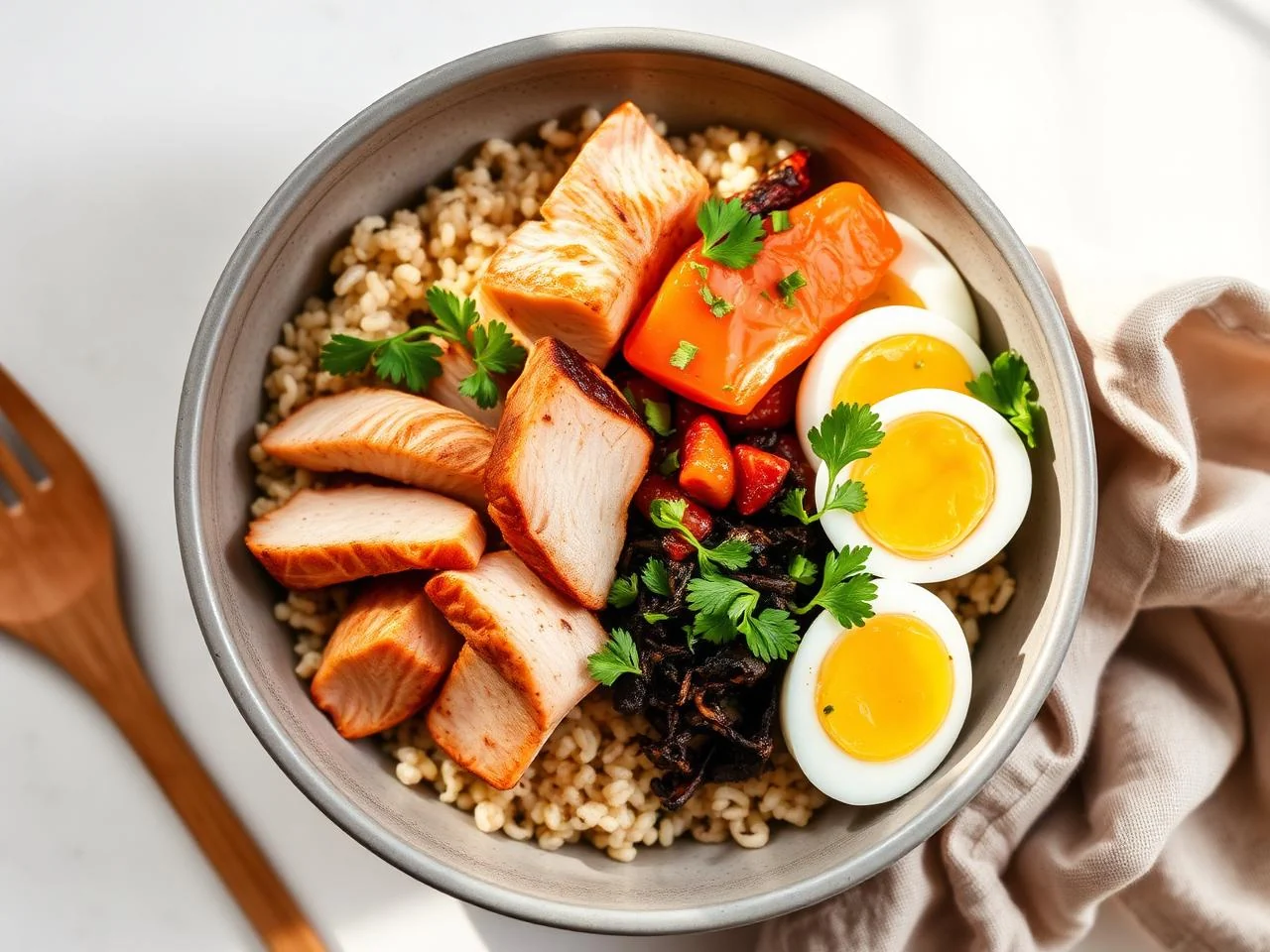
Korean Bibimbap Bowl is one of my favorite protein-forward meals that still taste like dinner. The combination of marinated beef, mixed vegetables, and a fried egg, all served over a bed of fluffy rice, is a match made in heaven. I first discovered this dish during my rowing days, when I needed a nutritious meal that would fuel my body for the next day's competition.
As a home cook, I've experimented with various ingredients and techniques to create the perfect Bibimbap Bowl. In this recipe, I'll share my secrets for making a delicious and satisfying meal that's perfect for any time of the day. Whether you're a busy professional or an athlete, this recipe is sure to become a staple in your kitchen.
The best part about this recipe is that it's highly customizable. You can use your favorite vegetables, such as zucchini, carrots, and mushrooms, and add your preferred amount of spice. I'll also show you how to make a simple yet flavorful marinade for the beef, which can be used for other dishes as well.
In this article, I'll take you through the step-by-step process of making a Korean Bibimbap Bowl. From preparing the ingredients to cooking the beef and vegetables, I'll share my tips and techniques for creating a dish that's both delicious and visually appealing.
So, let's get started and make a Korean Bibimbap Bowl that will become your new favorite meal! With its combination of protein, healthy fats, and complex carbohydrates, this dish is perfect for anyone looking for a nutritious and filling meal.
Why You’ll Love This Recipe
- This recipe is easy to make and requires minimal ingredients.
- The dish is highly customizable, allowing you to use your favorite vegetables and add your preferred amount of spice.
- The Korean Bibimbap Bowl is a nutritious and filling meal that's perfect for athletes and busy professionals.
- The recipe is budget-friendly and can be made with affordable ingredients.
- The dish is crowd-pleasing and can be served at parties and gatherings.
- The recipe is make-ahead friendly, allowing you to prepare the ingredients and cook the dish in advance.
Why This Recipe Works
The key to making a great Korean Bibimbap Bowl is to balance the flavors and textures. The marinade for the beef is made with a combination of soy sauce, garlic, and sugar, which adds a depth of flavor and tenderness to the meat. The mixed vegetables are cooked separately to preserve their crunch and color, and the fried egg adds a creamy and rich element to the dish.
The cooking technique used in this recipe is also important. The beef is cooked in a hot skillet with a small amount of oil, which creates a nice crust on the outside while keeping the inside juicy. The vegetables are cooked quickly over high heat, which preserves their nutrients and texture. The rice is cooked with a ratio of 1:1 water to rice, which results in a fluffy and separate grain.
The layering of the ingredients is also crucial in creating a visually appealing dish. The rice is placed at the bottom of the bowl, followed by the beef, vegetables, and fried egg. The combination of colors, textures, and flavors creates a harmonious and balanced dish that's sure to please even the pickiest eaters.
Overall, the combination of flavors, textures, and cooking techniques used in this recipe makes it a winner. The dish is not only delicious but also nutritious and filling, making it perfect for anyone looking for a healthy and satisfying meal.
Ingredients You’ll Need
The ingredients used in this recipe are simple and easy to find. The key players are the beef, mixed vegetables, and rice, which provide a balanced and nutritious meal. When shopping for the ingredients, look for fresh and high-quality produce, and choose a cut of beef that's suitable for stir-frying.
The marinade ingredients, such as soy sauce, garlic, and sugar, can be found in most supermarkets. The Korean chili flakes, also known as gochugaru, can be found in Asian markets or online. If you can't find Korean chili flakes, you can substitute with red pepper flakes or sriracha.
- 1 lb (450g) beef (sirloin or ribeye), sliced into thin stripsThe beef should be sliced into thin strips to ensure even cooking and to make it easier to stir-fry.
- 2 cups mixed vegetables (zucchini, carrots, mushrooms, bell peppers)The mixed vegetables should be sliced or chopped into bite-sized pieces to ensure even cooking and to make the dish visually appealing.
- 1 cup cooked white riceThe cooked white rice should be fluffy and separate, with a ratio of 1:1 water to rice.
- 2 tbsp soy sauceThe soy sauce is used to marinate the beef and add flavor to the dish.
- 1 tbsp Gochujang (Korean chili paste)The Gochujang is used to add a spicy and savory flavor to the dish.
- 1 tsp garlic, mincedThe garlic is used to add flavor to the marinade and the stir-fry.
- 1 tsp sugarThe sugar is used to balance the flavors in the marinade and add a touch of sweetness to the dish.
- 1/4 cup vegetable oilThe vegetable oil is used to stir-fry the beef and vegetables.
- 2 eggsThe eggs are used to add protein and creaminess to the dish.
- 1 tsp Korean chili flakes (gochugaru)The Korean chili flakes are used to add heat and flavor to the dish.
- Salt and pepper to tasteThe salt and pepper are used to season the dish and bring out the flavors of the ingredients.
Equipment You’ll Need
How to Make Korean Bibimbap Bowl
- 1In a large bowl, whisk together the soy sauce, Gochujang, garlic, sugar, and Korean chili flakes to make the marinade.
- 2Add the sliced beef to the marinade and toss to coat. Cover the bowl with plastic wrap and refrigerate for at least 30 minutes or up to 2 hours.
- 3Heat 1 tablespoon of vegetable oil in a large heavy skillet or wok over medium-high heat. Remove the beef from the marinade and cook for 3-4 minutes per side, or until the beef is cooked to an internal temperature of 145 F.
- 4Transfer the beef to a plate and cover with foil to keep warm. In the same skillet, add the remaining 1 tablespoon of vegetable oil and stir-fry the mixed vegetables for 3-4 minutes, or until they are tender-crisp.
- 5Push the vegetables to one side of the skillet. Crack an egg into the other side of the skillet and scramble it until it's cooked through.
- 6To assemble the Bibimbap Bowl, place a scoop of cooked white rice in the bottom of a bowl. Add a few slices of the cooked beef on top of the rice, followed by a spoonful of the stir-fried vegetables and a fried egg.
- 7Season the dish with salt and pepper to taste. Serve immediately and enjoy!
- 8To add additional flavor to the dish, you can serve it with a side of kimchi or a drizzle of soy sauce.
- 9To make the dish more substantial, you can add other protein sources such as cooked chicken or tofu.
- 10To make the dish more visually appealing, you can garnish it with green onions, sesame seeds, or toasted nuts.
- 11To make the dish more convenient, you can prepare the ingredients and cook the dish in advance, then assemble the bowls just before serving.
Expert Tips
- Use a cast-iron skillet or wok to cook the beef and vegetables, as it retains heat well and can achieve a nice crust on the beef.
- Don't overcook the beef, as it can become tough and dry. Cook it to an internal temperature of 145 F for medium-rare.
- Use a variety of colorful vegetables to make the dish visually appealing.
- Don't over-stir the vegetables, as it can make them mushy and unappetizing.
- Use a thermometer to ensure the beef is cooked to a safe internal temperature.
- Let the beef rest for a few minutes before slicing it, as it allows the juices to redistribute and the beef to stay tender.
- Use a sharp knife to slice the beef, as it makes it easier to slice it thinly and evenly.
- Don't be afraid to experiment with different ingredients and seasonings to make the dish your own.
Common Mistakes to Avoid
- Overcooking the beef, which can make it tough and dry.
- Not using a thermometer to ensure the beef is cooked to a safe internal temperature.
- Over-stirring the vegetables, which can make them mushy and unappetizing.
- Not letting the beef rest before slicing it, which can make it tough and dry.
- Not using a sharp knife to slice the beef, which can make it difficult to slice it thinly and evenly.
- Not experimenting with different ingredients and seasonings, which can make the dish boring and unappetizing.
Variations and Substitutions
- Adding other protein sources such as cooked chicken or tofu to make the dish more substantial.
- Using different types of vegetables such as broccoli, bell peppers, or mushrooms to add variety to the dish.
- Adding a fried or poached egg on top of the dish to add creaminess and richness.
- Using different seasonings such as soy sauce, Gochujang, or Korean chili flakes to add flavor to the dish.
- Serving the dish with a side of kimchi or other Korean condiments to add additional flavor and spice.
- Using different types of rice such as brown rice or cauliflower rice to make the dish lower in carbs.
- Adding other ingredients such as green onions, sesame seeds, or toasted nuts to garnish the dish and add texture and flavor.
What to Serve With Korean Bibimbap Bowl
The Korean Bibimbap Bowl is a versatile dish that can be served at any time of the day. It's perfect for breakfast, lunch, or dinner, and can be served as a main dish or as a side dish. The dish is also great for meal prep, as it can be prepared in advance and assembled just before serving.
To serve the dish, place a scoop of cooked white rice in the bottom of a bowl. Add a few slices of the cooked beef on top of the rice, followed by a spoonful of the stir-fried vegetables and a fried egg. Season the dish with salt and pepper to taste, and serve immediately.
Make-Ahead, Storage, Freezing and Reheating
The Korean Bibimbap Bowl can be stored in the refrigerator for up to 3 days or frozen for up to 2 months. To store the dish, place the cooked rice, beef, and vegetables in separate containers and refrigerate or freeze. To reheat the dish, simply microwave the rice and beef for 1-2 minutes, or until heated through. The vegetables can be reheated in a skillet with a small amount of oil until tender-crisp.
To freeze the dish, place the cooked rice, beef, and vegetables in airtight containers or freezer bags and label with the date. To reheat the frozen dish, simply thaw it overnight in the refrigerator and reheat as directed above.
It's also possible to meal prep the dish by preparing the ingredients and cooking the beef and vegetables in advance. Simply assemble the bowls just before serving and add any desired toppings or seasonings.
To keep the dish fresh and flavorful, it's best to store the ingredients separately and assemble the bowls just before serving. This will help to preserve the texture and flavor of the ingredients and ensure that the dish is always delicious and satisfying.
Frequently Asked Questions
What is Bibimbap?
Bibimbap is a Korean rice bowl dish that is topped with an assortment of vegetables, meat, and a fried egg. The name 'Bibimbap' literally means 'mixed rice' in Korean.
What type of beef is best for Bibimbap?
The best type of beef for Bibimbap is a thinly sliced cut of beef, such as sirloin or ribeye. This type of beef is tender and flavorful, and can be cooked to a perfect medium-rare.
Can I use other types of protein in Bibimbap?
Yes, you can use other types of protein in Bibimbap, such as chicken, tofu, or pork. Simply cook the protein according to your preference and add it to the dish.
What are some common ingredients in Bibimbap?
Some common ingredients in Bibimbap include beef, vegetables, rice, and a fried egg. The dish is often seasoned with soy sauce, Gochujang, and Korean chili flakes.
How do I assemble a Bibimbap bowl?
To assemble a Bibimbap bowl, place a scoop of cooked white rice in the bottom of a bowl. Add a few slices of the cooked beef on top of the rice, followed by a spoonful of the stir-fried vegetables and a fried egg. Season the dish with salt and pepper to taste, and serve immediately.
Can I meal prep Bibimbap?
Yes, you can meal prep Bibimbap by preparing the ingredients and cooking the beef and vegetables in advance. Simply assemble the bowls just before serving and add any desired toppings or seasonings.
How do I store leftover Bibimbap?
To store leftover Bibimbap, place the cooked rice, beef, and vegetables in separate containers and refrigerate or freeze. To reheat the dish, simply microwave the rice and beef for 1-2 minutes, or until heated through. The vegetables can be reheated in a skillet with a small amount of oil until tender-crisp.
Can I freeze Bibimbap?
Yes, you can freeze Bibimbap by placing the cooked rice, beef, and vegetables in airtight containers or freezer bags and labeling with the date. To reheat the frozen dish, simply thaw it overnight in the refrigerator and reheat as directed above.
Ingredients
- 1 lb (450g) beef (sirloin or ribeye), sliced into thin strips
- 2 cups mixed vegetables (zucchini, carrots, mushrooms, bell peppers)
- 1 cup cooked white rice
- 2 tbsp soy sauce
- 1 tbsp Gochujang (Korean chili paste)
- 1 tsp garlic, minced
- 1 tsp sugar
- 1/4 cup vegetable oil
- 2 eggs
- 1 tsp Korean chili flakes (gochugaru)
- Salt and pepper to taste
Instructions
- In a large bowl, whisk together the soy sauce, Gochujang, garlic, sugar, and Korean chili flakes to make the marinade.
- Add the sliced beef to the marinade and toss to coat. Cover the bowl with plastic wrap and refrigerate for at least 30 minutes or up to 2 hours.
- Heat 1 tablespoon of vegetable oil in a large heavy skillet or wok over medium-high heat. Remove the beef from the marinade and cook for 3-4 minutes per side, or until the beef is cooked to an internal temperature of 145 F.
- Transfer the beef to a plate and cover with foil to keep warm. In the same skillet, add the remaining 1 tablespoon of vegetable oil and stir-fry the mixed vegetables for 3-4 minutes, or until they are tender-crisp.
- Push the vegetables to one side of the skillet. Crack an egg into the other side of the skillet and scramble it until it's cooked through.
- To assemble the Bibimbap Bowl, place a scoop of cooked white rice in the bottom of a bowl. Add a few slices of the cooked beef on top of the rice, followed by a spoonful of the stir-fried vegetables and a fried egg.
- Season the dish with salt and pepper to taste. Serve immediately and enjoy!
- To add additional flavor to the dish, you can serve it with a side of kimchi or a drizzle of soy sauce.
- To make the dish more substantial, you can add other protein sources such as cooked chicken or tofu.
- To make the dish more visually appealing, you can garnish it with green onions, sesame seeds, or toasted nuts.
- To make the dish more convenient, you can prepare the ingredients and cook the dish in advance, then assemble the bowls just before serving.