
Lobster Bisque
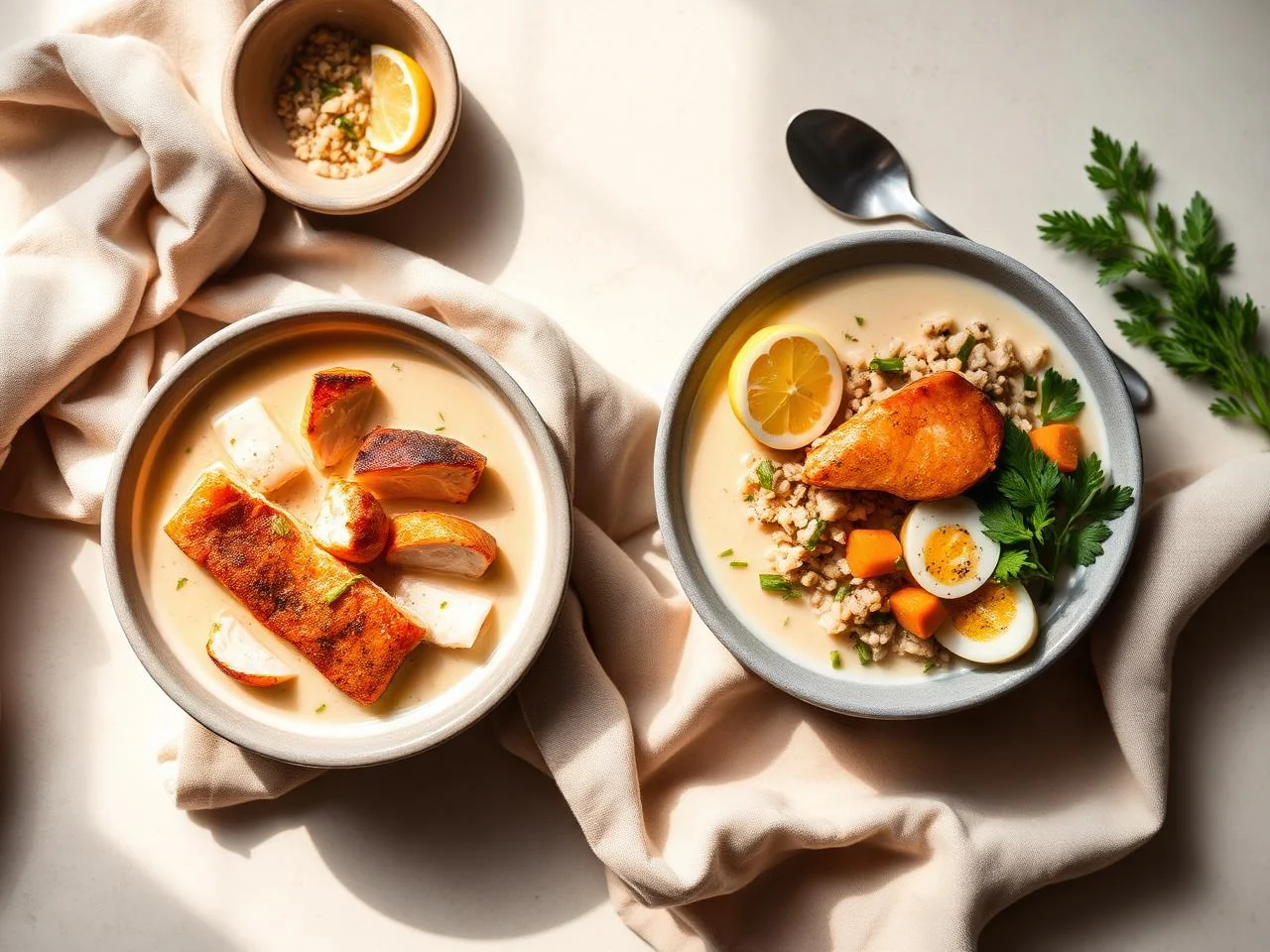
I still remember my first taste of lobster bisque - it was like a symphony of flavors on my palate. The richness of the lobster, the depth of the cognac, and the subtle sweetness of the aromatics all combined to create a truly unforgettable experience. As a home cook, I've always been fascinated by the art of creating such complex, satisfying dishes from scratch. In this recipe, I'll guide you through the process of making a classic lobster bisque that's sure to impress your family and friends.
One of the things that sets this recipe apart is the use of fresh, high-quality ingredients. I like to think of it as a celebration of the sea, with the lobster as the star of the show. Of course, that means it can be a bit pricey, but trust me, it's worth every penny. Whether you're looking to impress your significant other or simply want to treat yourself to a special meal, this lobster bisque is sure to hit the spot.
As we dive into the recipe, you'll notice that it's not just about throwing a bunch of ingredients together - it's about creating a harmonious balance of flavors and textures. From the initial sauté of the aromatics to the final swirl of cream, every step is carefully designed to bring out the best in each component. So, let's get started and explore the world of lobster bisque together!
Before we begin, I want to emphasize the importance of using high-quality ingredients. Fresh lobster, real cognac, and aromatic spices are essential to creating an authentic, rich flavor profile. Don't be tempted to skimp on these ingredients - your taste buds will thank you for the extra effort. With that said, let's move on to the ingredients and equipment you'll need to make this incredible dish.
In this recipe, we'll be using a combination of fresh lobster, vegetables, and spices to create a deep, satisfying flavor. We'll also be employing a few key techniques, such as sautéing and simmering, to bring out the best in each ingredient. By the end of this recipe, you'll have a beautiful, velvety bisque that's sure to become a staple in your kitchen.
Why You’ll Love This Recipe
- This recipe is perfect for special occasions or romantic dinners
- The combination of lobster, cognac, and aromatics creates a rich, complex flavor profile
- The use of layering flavors and textures adds depth and sophistication to the dish
- The recipe is relatively easy to follow and requires minimal special equipment
- The bisque can be made ahead of time and refrigerated or frozen for later use
- The dish is perfect for seafood lovers and those looking to try something new
- The recipe is highly customizable and can be adapted to suit different tastes and dietary needs
Why This Recipe Works
The key to a great lobster bisque is in the balance of flavors and textures. By sautéing the aromatics in butter, we create a rich, savory base that sets the tone for the rest of the dish. The addition of cognac adds a depth and complexity that elevates the bisque to new heights. Of course, the star of the show is the lobster itself - we'll be using a combination of lobster meat and shells to create a rich, intense broth.
Another important aspect of this recipe is the use of layering flavors. By adding the spices and herbs at different stages of the cooking process, we create a nuanced, multifaceted flavor profile that's sure to impress. From the initial sauté to the final seasoning, every step is designed to bring out the best in each ingredient.
Finally, the use of cream and butter adds a luxurious, velvety texture to the bisque. By whisking in the cream at the end of the cooking process, we create a smooth, even consistency that's sure to delight. With these techniques and ingredients combined, you'll be creating a truly unforgettable lobster bisque that's sure to become a favorite in your household.
One of the things that sets this recipe apart is the attention to detail. From the initial preparation of the ingredients to the final presentation, every step is carefully designed to bring out the best in each component. By following these steps and using high-quality ingredients, you'll be creating a truly exceptional dish that's sure to impress even the most discerning palates.
Ingredients You’ll Need
When it comes to making a great lobster bisque, the quality of the ingredients is paramount. Fresh lobster, real cognac, and aromatic spices are essential to creating an authentic, rich flavor profile. In this recipe, we'll be using a combination of lobster meat, shells, and vegetables to create a deep, satisfying flavor. We'll also be employing a few key techniques, such as sautéing and simmering, to bring out the best in each ingredient.
As you shop for the ingredients, be sure to look for the freshest, highest-quality options available. Fresh lobster, in particular, is essential to creating an authentic flavor profile. If you can't find fresh lobster, you can also use frozen or canned lobster as a substitute. Just be sure to adjust the cooking time and technique accordingly.
- 1 lb (450g) lobster meatFresh lobster is essential to creating an authentic flavor profile. Look for lobster that is firm, smells fresh, and has a vibrant color. If you can't find fresh lobster, you can also use frozen or canned lobster as a substitute.
- 2 tablespoons unsalted butterUnsalted butter is used to sauté the aromatics and add richness to the bisque. Look for high-quality, European-style butter for the best flavor.
- 1 medium onion, dicedThe onion adds a sweet, savory flavor to the bisque. Look for a firm, fresh onion with no signs of sprouting or mold.
- 2 cloves garlic, mincedGarlic adds a pungent, aromatic flavor to the bisque. Look for firm, fresh garlic with no signs of sprouting or mold.
- 1 medium carrot, dicedThe carrot adds a sweet, earthy flavor to the bisque. Look for a firm, fresh carrot with no signs of sprouting or mold.
- 1 celery stalk, dicedThe celery adds a fresh, herbal flavor to the bisque. Look for a firm, fresh celery stalk with no signs of sprouting or mold.
- 1/2 cup dry white wineThe white wine adds a crisp, acidic flavor to the bisque. Look for a high-quality, dry white wine with good acidity and flavor.
- 1/4 cup cognacThe cognac adds a rich, complex flavor to the bisque. Look for a high-quality, authentic cognac with good flavor and aroma.
- 1 cup fish stockThe fish stock adds a deep, savory flavor to the bisque. Look for a high-quality, homemade or store-bought fish stock with good flavor and aroma.
- 1/2 cup heavy creamThe heavy cream adds a rich, creamy texture to the bisque. Look for high-quality, heavy cream with good flavor and texture.
- 1 teaspoon paprikaThe paprika adds a smoky, savory flavor to the bisque. Look for high-quality, sweet or smoked paprika with good flavor and aroma.
- Salt and pepper to tasteSalt and pepper are used to season the bisque and bring out the flavors of the other ingredients. Look for high-quality, flaky sea salt and freshly ground black pepper for the best flavor.
Equipment You’ll Need
How to Make Lobster Bisque
- 1Melt the butter in the large pot or Dutch oven over medium heat. Add the diced onion, garlic, carrot, and celery, and sauté until the vegetables are tender and lightly browned, about 10 minutes.
- 2Add the white wine to the pot and bring to a boil. Scrape up any browned bits from the bottom of the pot and cook until the wine has reduced by half, about 5 minutes.
- 3Add the cognac to the pot and ignite the mixture. Let it burn for 1-2 minutes, then extinguish the flames.
- 4Add the fish stock to the pot and bring to a boil. Reduce the heat to low and simmer for 10-15 minutes, or until the flavors have melded together and the liquid has reduced slightly.
- 5Add the lobster meat to the pot and cook until it is heated through, about 2-3 minutes.
- 6Use the immersion blender to puree the bisque until smooth, or allow it to cool and puree it in a regular blender.
- 7Strain the bisque through a fine-mesh strainer into a clean pot, discarding the solids.
- 8Add the heavy cream to the pot and whisk until smooth. Season the bisque with paprika, salt, and pepper to taste.
- 9Bring the bisque to a simmer over low heat and cook until it has thickened slightly, about 5-10 minutes.
- 10Remove the pot from the heat and let the bisque rest for 10-15 minutes before serving. Use an instant-read thermometer to check the internal temperature of the lobster, which should reach 145 F (63 C).
- 11Serve the bisque hot, garnished with chopped fresh herbs or a dollop of creme fraiche if desired.
Expert Tips
- Use high-quality, fresh ingredients for the best flavor and texture.
- Don't overcook the bisque, as it can become too thick and sticky.
- Add the cognac and ignite the mixture for a dramatic and flavorful touch.
- Use an immersion blender to puree the bisque for a smooth and creamy texture.
- Strain the bisque through a fine-mesh strainer to remove any solids and achieve a smooth texture.
- Season the bisque with salt, pepper, and paprika to taste, and adjust the seasoning as needed.
- Let the bisque rest for 10-15 minutes before serving to allow the flavors to meld together.
- Serve the bisque hot, garnished with chopped fresh herbs or a dollop of creme fraiche for a rich and creamy texture.
Common Mistakes to Avoid
- Overcooking the bisque, which can make it too thick and sticky.
- Not using high-quality, fresh ingredients, which can result in a bland or unpleasant flavor.
- Not straining the bisque through a fine-mesh strainer, which can leave solids and achieve a smooth texture.
- Not seasoning the bisque with salt, pepper, and paprika to taste, which can result in a bland or unbalanced flavor.
- Not letting the bisque rest for 10-15 minutes before serving, which can prevent the flavors from melding together.
- Not using an instant-read thermometer to check the internal temperature of the lobster, which should reach 145 F (63 C).
Variations and Substitutions
- Add some diced bell peppers or mushrooms to the pot for added flavor and texture.
- Use different types of seafood, such as shrimp or scallops, for a varied flavor profile.
- Add some grated ginger or lemon zest to the pot for a bright and citrusy flavor.
- Use coconut cream or half-and-half instead of heavy cream for a richer and creamier texture.
- Add some diced ham or bacon to the pot for a smoky and savory flavor.
- Use different types of wine, such as red or sparkling wine, for a varied flavor profile.
- Add some chopped fresh herbs, such as parsley or dill, to the pot for a fresh and aromatic flavor.
What to Serve With Lobster Bisque
The lobster bisque is a rich and creamy soup that can be served as a main course or as a starter. It's perfect for special occasions or romantic dinners, and can be paired with a variety of sides and drinks. Some ideas for serving the bisque include:
Pairing it with a crusty bread or crackers for a satisfying and filling meal.
Serving it with a side salad or roasted vegetables for a light and refreshing contrast.
Pairing it with a dry white wine or champagne for a celebratory and indulgent touch.
Serving it in small cups or bowls as an appetizer or starter.
Garnishing it with chopped fresh herbs or a dollop of creme fraiche for a rich and creamy texture.
Make-Ahead, Storage, Freezing and Reheating
The lobster bisque can be made ahead of time and refrigerated or frozen for later use. To store the bisque, let it cool to room temperature, then refrigerate or freeze it in an airtight container.
To refrigerate the bisque, let it cool to room temperature, then cover it with plastic wrap or aluminum foil and refrigerate it for up to 3 days.
To freeze the bisque, let it cool to room temperature, then transfer it to an airtight container or freezer bag and freeze it for up to 3 months.
To reheat the bisque, thaw it overnight in the refrigerator, then reheat it over low heat, whisking constantly, until it is hot and creamy.
Some tips for storing and reheating the bisque include:
Letting it cool to room temperature before refrigerating or freezing to prevent the formation of ice crystals.
Using an airtight container or freezer bag to prevent the bisque from absorbing odors or flavors from other foods.
Reheating the bisque over low heat, whisking constantly, to prevent it from scorching or sticking to the bottom of the pan.
Serving the bisque hot, garnished with chopped fresh herbs or a dollop of creme fraiche, for a rich and creamy texture.
Frequently Asked Questions
What is the best type of lobster to use for this recipe?
The best type of lobster to use for this recipe is fresh, high-quality lobster meat. Look for lobster that is firm, smells fresh, and has a vibrant color. If you can't find fresh lobster, you can also use frozen or canned lobster as a substitute.
How do I know if the bisque is cooked to a safe internal temperature?
The internal temperature of the lobster should reach 145 F (63 C) to ensure food safety. Use an instant-read thermometer to check the internal temperature of the lobster.
Can I make the bisque ahead of time and refrigerate or freeze it?
Yes, the bisque can be made ahead of time and refrigerated or frozen for later use. Let it cool to room temperature, then refrigerate or freeze it in an airtight container. To reheat the bisque, thaw it overnight in the refrigerator, then reheat it over low heat, whisking constantly, until it is hot and creamy.
What are some variations I can try with this recipe?
Some variations you can try with this recipe include adding diced bell peppers or mushrooms, using different types of seafood, or adding grated ginger or lemon zest. You can also use coconut cream or half-and-half instead of heavy cream for a richer and creamier texture.
How do I prevent the bisque from becoming too thick and sticky?
To prevent the bisque from becoming too thick and sticky, don't overcook it. Cook the bisque over low heat, whisking constantly, until it has thickened slightly. You can also add a little more fish stock or cream to thin it out if needed.
What are some tips for serving the bisque?
Some tips for serving the bisque include pairing it with a crusty bread or crackers, serving it with a side salad or roasted vegetables, or pairing it with a dry white wine or champagne. You can also garnish it with chopped fresh herbs or a dollop of creme fraiche for a rich and creamy texture.
Can I use different types of wine in this recipe?
Yes, you can use different types of wine in this recipe. Some options include dry white wine, red wine, or sparkling wine. Keep in mind that the type of wine you use will affect the flavor profile of the bisque, so choose a wine that complements the other ingredients.
How do I reheat the bisque without scorching or sticking it to the bottom of the pan?
To reheat the bisque without scorching or sticking it to the bottom of the pan, reheat it over low heat, whisking constantly, until it is hot and creamy. You can also add a little more fish stock or cream to thin it out if needed.
Ingredients
- 1 lb (450g) lobster meat
- 2 tablespoons unsalted butter
- 1 medium onion, diced
- 2 cloves garlic, minced
- 1 medium carrot, diced
- 1 celery stalk, diced
- 1/2 cup dry white wine
- 1/4 cup cognac
- 1 cup fish stock
- 1/2 cup heavy cream
- 1 teaspoon paprika
- Salt and pepper to taste
Instructions
- Melt the butter in the large pot or Dutch oven over medium heat. Add the diced onion, garlic, carrot, and celery, and sauté until the vegetables are tender and lightly browned, about 10 minutes.
- Add the white wine to the pot and bring to a boil. Scrape up any browned bits from the bottom of the pot and cook until the wine has reduced by half, about 5 minutes.
- Add the cognac to the pot and ignite the mixture. Let it burn for 1-2 minutes, then extinguish the flames.
- Add the fish stock to the pot and bring to a boil. Reduce the heat to low and simmer for 10-15 minutes, or until the flavors have melded together and the liquid has reduced slightly.
- Add the lobster meat to the pot and cook until it is heated through, about 2-3 minutes.
- Use the immersion blender to puree the bisque until smooth, or allow it to cool and puree it in a regular blender.
- Strain the bisque through a fine-mesh strainer into a clean pot, discarding the solids.
- Add the heavy cream to the pot and whisk until smooth. Season the bisque with paprika, salt, and pepper to taste.
- Bring the bisque to a simmer over low heat and cook until it has thickened slightly, about 5-10 minutes.
- Remove the pot from the heat and let the bisque rest for 10-15 minutes before serving. Use an instant-read thermometer to check the internal temperature of the lobster, which should reach 145 F (63 C).
- Serve the bisque hot, garnished with chopped fresh herbs or a dollop of creme fraiche if desired.